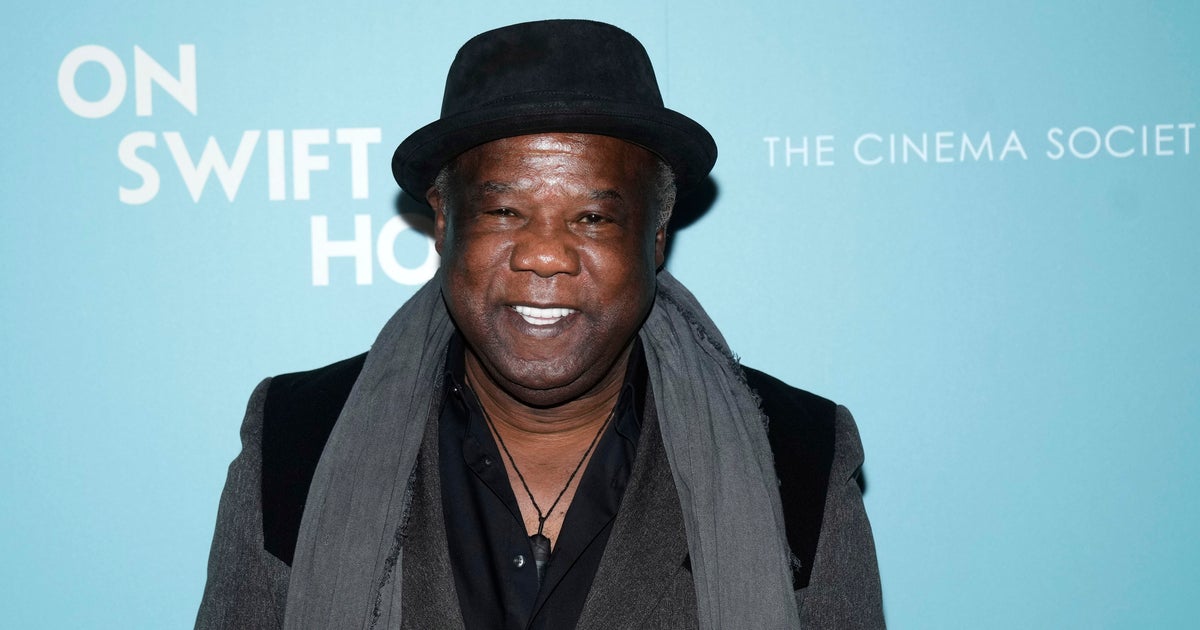
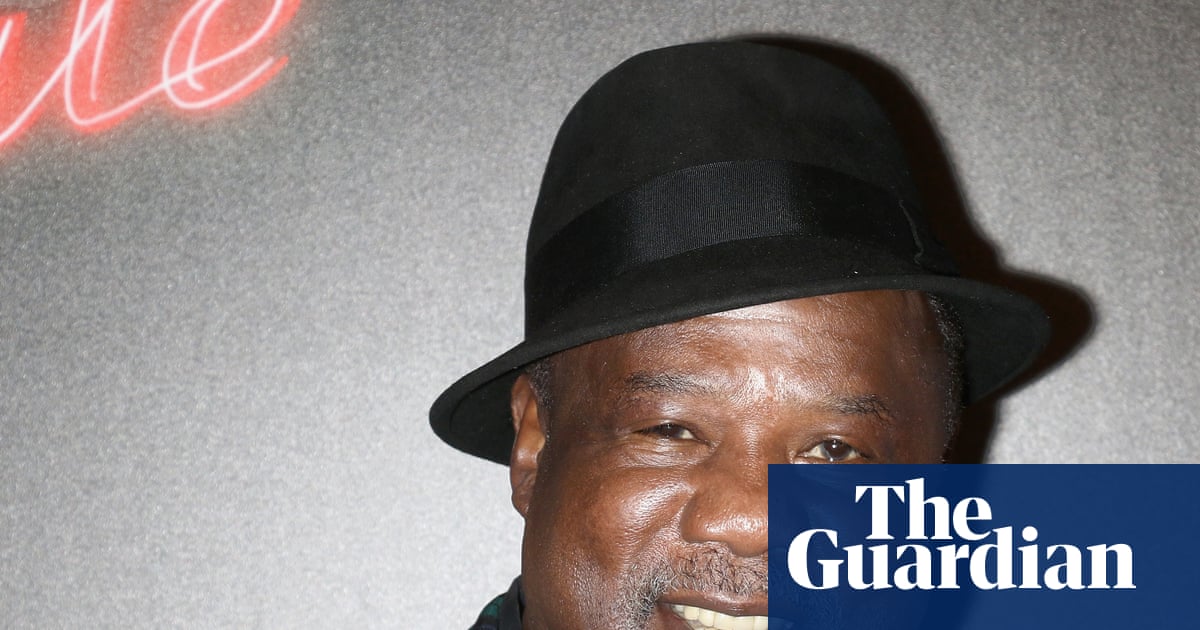
Actor Isiah Whitlock Jr. has been reported dead at the age of 71, with liberal-leaning outlets emphasizing confirmation from his manager and representatives as the authoritative source. Coverage converges on a shared set of core facts: he was best known for his role as corrupt state senator Clay Davis on the HBO series "The Wire," as well as for prominent appearances on "Veep" and in multiple Spike Lee films. Reports agree that he amassed more than 125 acting credits across film, television, and voice work, including parts in "Goodfellas," "Chappelle's Show," and animated projects like Pixar’s "Lightyear" and "Cars 3." These outlets consistently situate his death in the context of a long, steady career in both prestige television and acclaimed cinema, highlighting his instantly recognizable delivery and presence.
Liberal-aligned coverage also agrees on the broader context and institutional significance of Whitlock’s work, stressing his contributions to prestige cable dramas that reshaped television in the 2000s and to the cinematic collaborations of Spike Lee that foregrounded Black American experiences. These outlets characterize him as a respected character actor whose consistency and range made him a fixture in ensembles rather than a conventional leading man, and they underscore how "The Wire" in particular used his character to critique political corruption and urban governance. There is shared emphasis on the way his distinctive catchphrase and voice became part of popular culture, extending into comedy and animation. Across this coverage, Whitlock’s career is framed as emblematic of the growing visibility of complex Black characters on mainstream television and in major studio films, as well as the increasing crossover between prestige TV, independent cinema, and major franchises.
Areas of disagreement
Emphasis and framing. Liberal-leaning sources focus heavily on Whitlock’s significance within socially conscious prestige television and Spike Lee’s filmography, underlining how his roles intersected with critiques of racism, corruption, and American institutions. In the absence of extensive conservative coverage, one can infer that right-leaning outlets, when they cover similar entertainment stories, tend to place more neutral emphasis on celebrity, career milestones, and pop-cultural catchphrases rather than on institutional critique. Liberal outlets are more likely to highlight how "The Wire" challenged viewers’ assumptions about policing, politics, and systemic inequality, using Whitlock’s Clay Davis as a vehicle for that commentary. Conservative coverage, by contrast, generally treats such roles as notable cultural touchpoints but is less inclined to foreground their structural or political implications.
Cultural and political significance. Liberal-aligned reporting presents Whitlock as part of a cohort of actors who advanced nuanced depictions of Black life and power structures in American media, often tying his work to broader conversations about representation. Conservative sources, when they discuss similar performers, are likelier to stress individual talent and market success over representational politics or systemic critiques. Liberal outlets frequently reference the way "The Wire" is taught in universities and cited by policymakers as a lens on urban policy and criminal justice, which amplifies Whitlock’s cultural stature beyond entertainment. Conservative-leaning reporting would more often frame him simply as a memorable supporting actor in a widely acclaimed show, without as much emphasis on academic or political uptake.
Tone toward institutions. Liberal coverage tends to use Whitlock’s portrayal of a corrupt state senator as a springboard for discussing entrenched institutional failures in city government, policing, and party machines. Conservative outlets, when addressing institutional themes in entertainment, more commonly approach them as fictional dramatizations rather than as urgent prompts for reform, and would be less likely to link his character to broader critiques of systemic injustice. Liberal sources treat his work on "The Wire" and with Spike Lee as an implicit indictment of the status quo, including both major political parties and law-enforcement structures. Conservative coverage would be inclined to keep the focus on entertainment value and performance craft, avoiding extended commentary on what his roles suggest about real-world governance.
In summary, liberal coverage tends to cast Whitlock’s life and work as emblematic of socially engaged, institution-critical storytelling and evolving Black representation on screen, while conservative coverage tends to (when it appears) frame such actors more neutrally as accomplished entertainers, with less emphasis on systemic critique or political resonance.