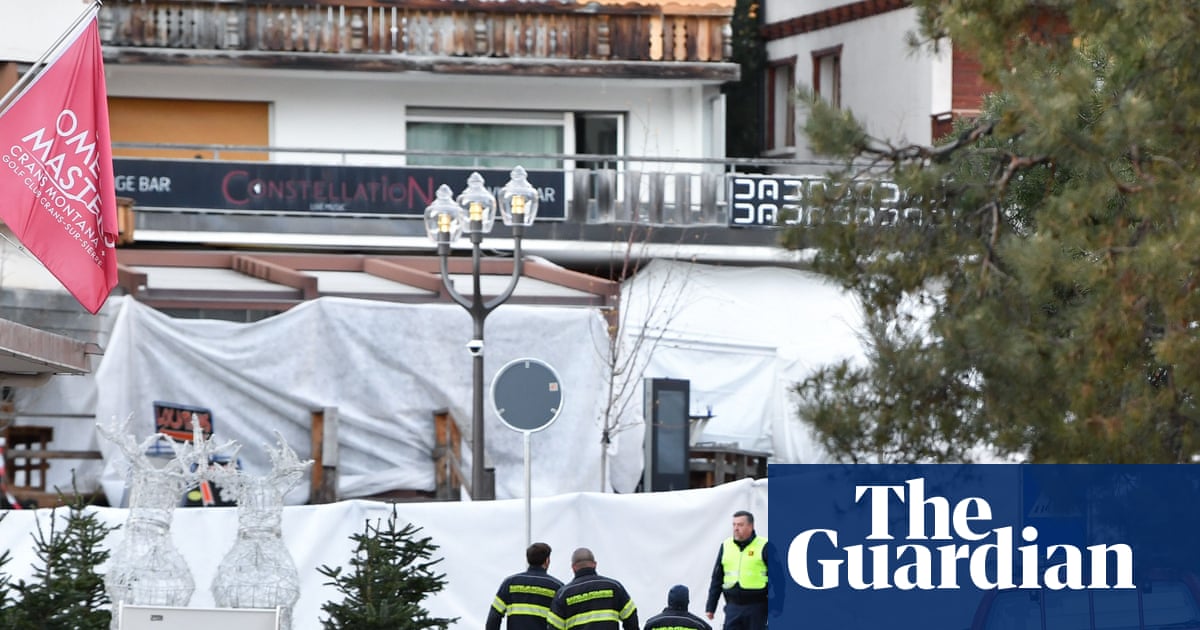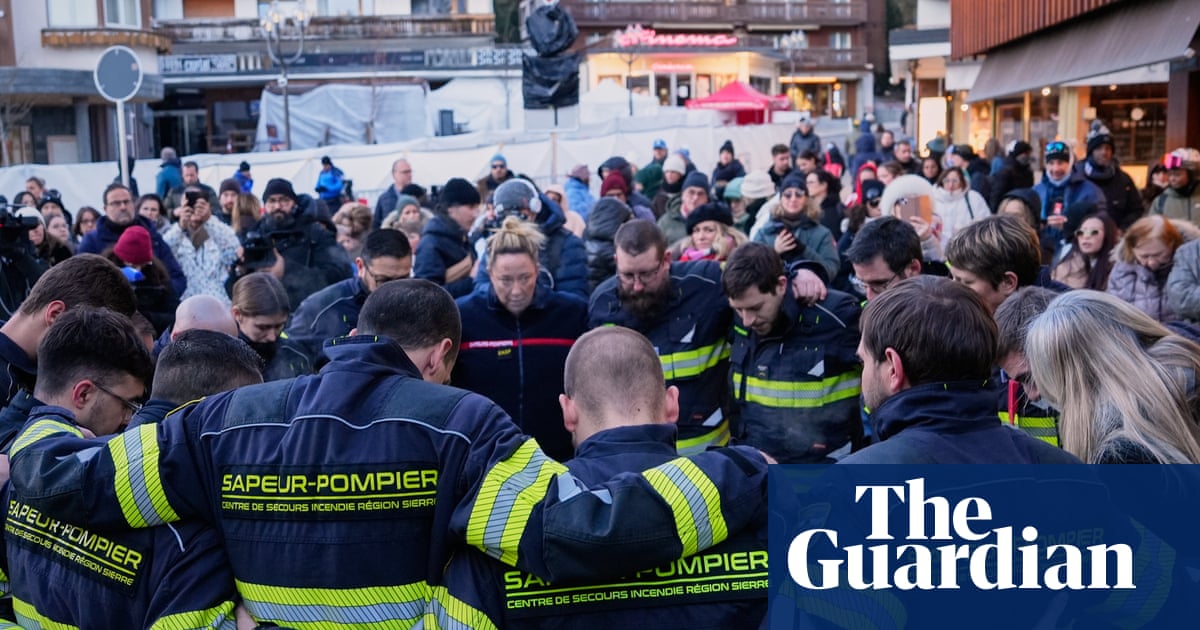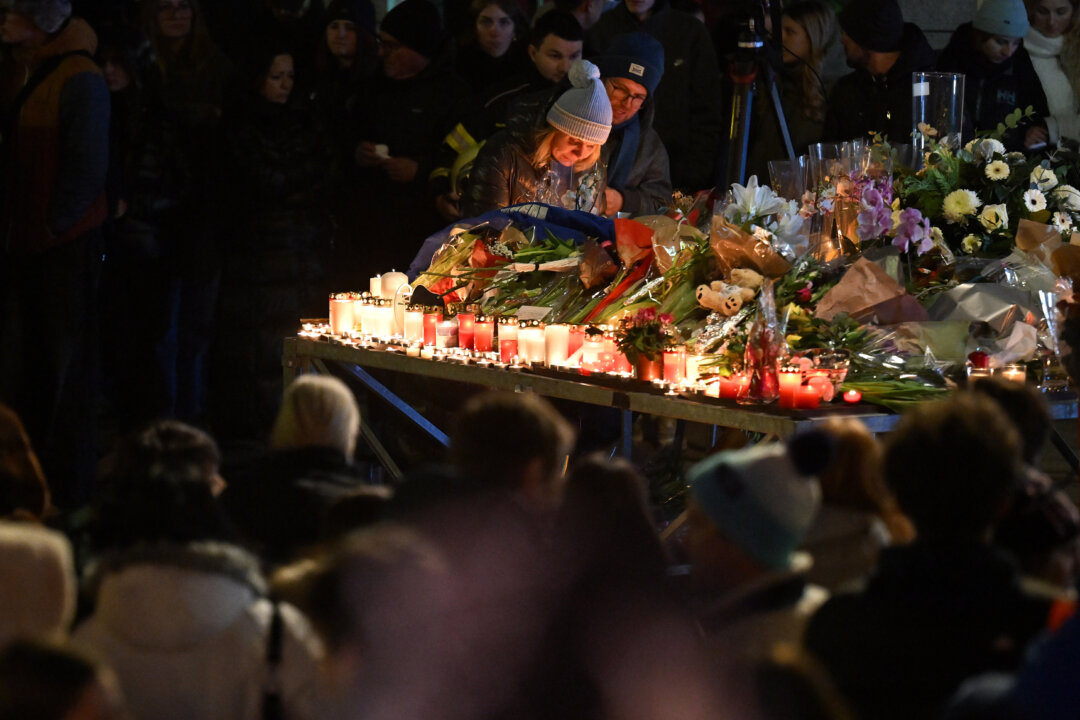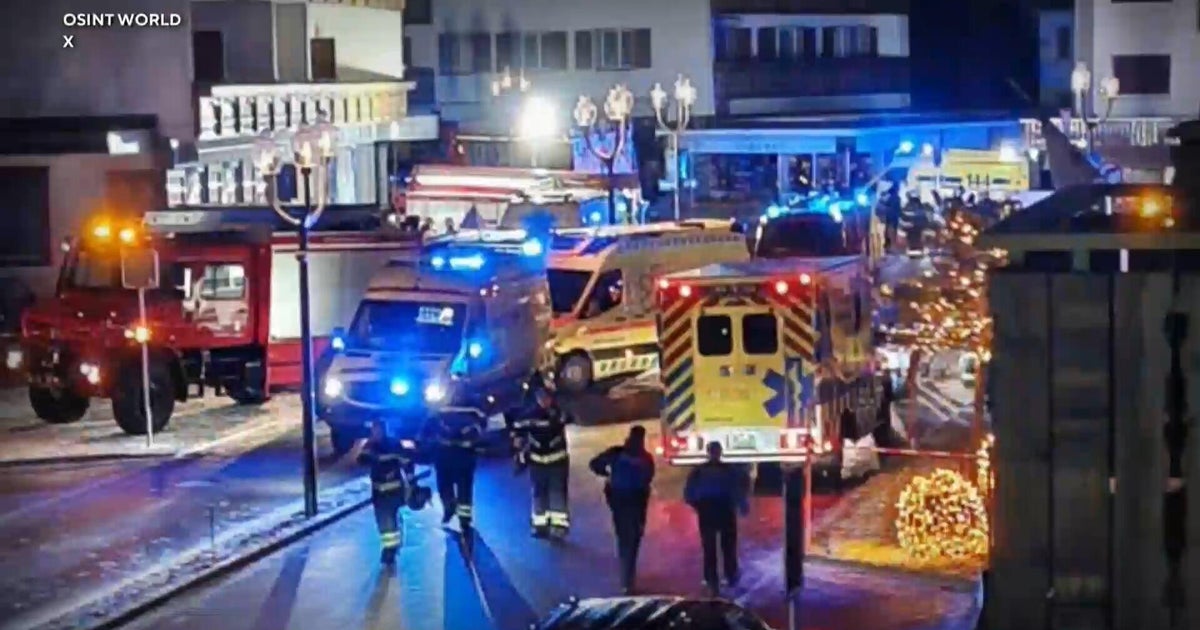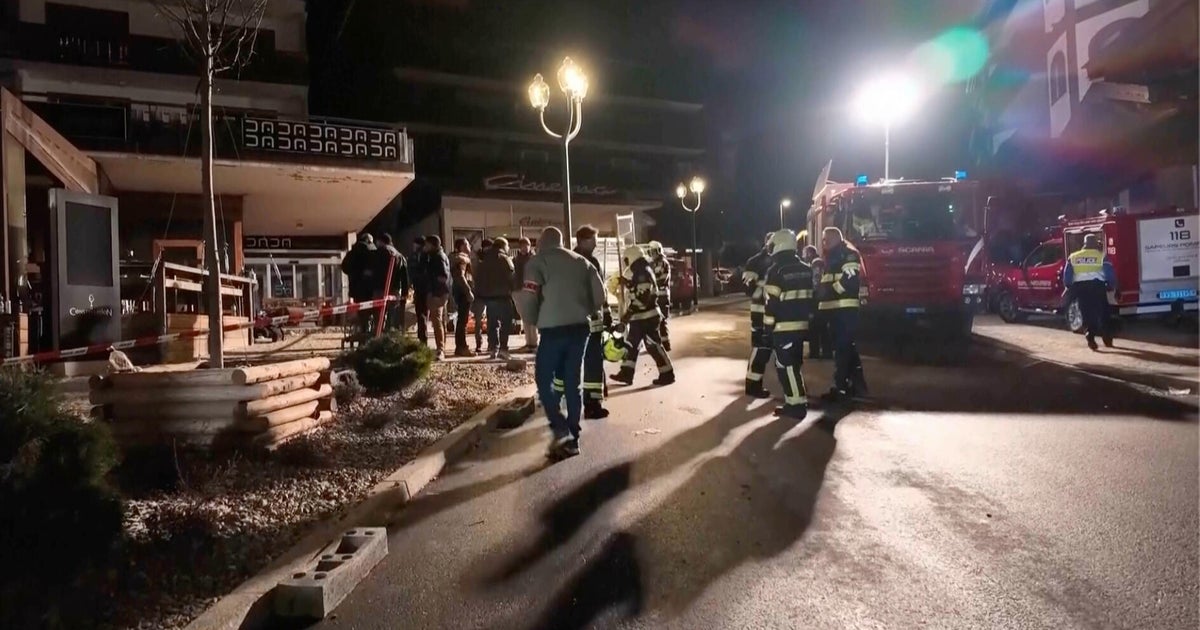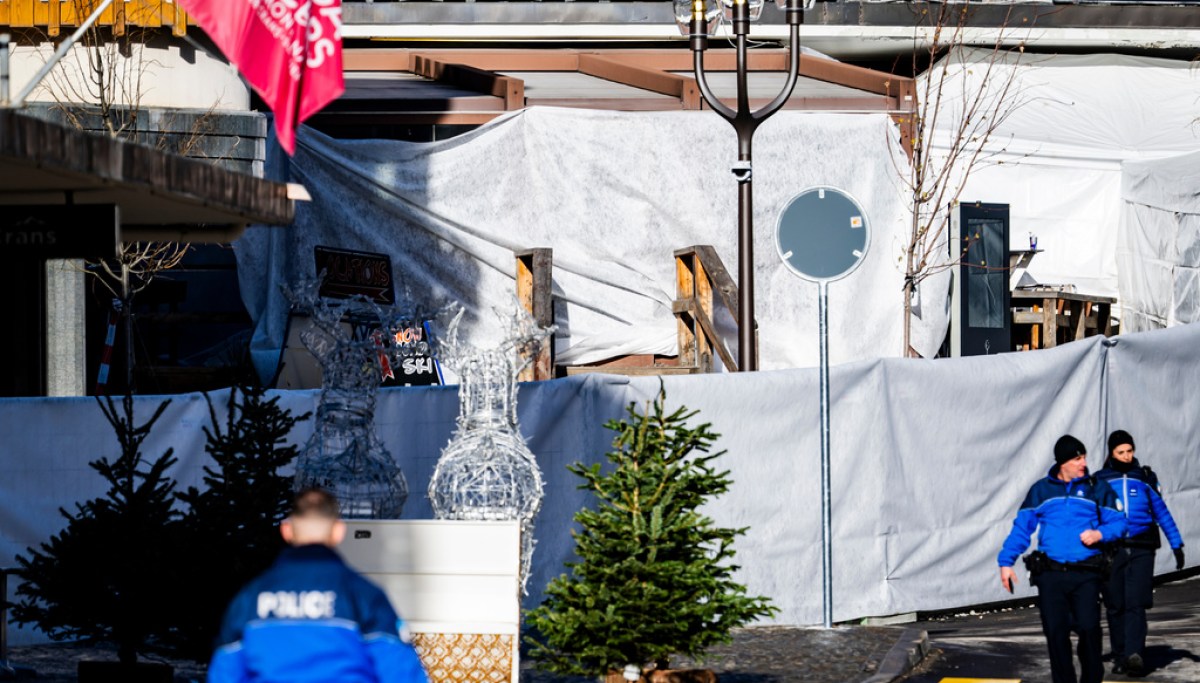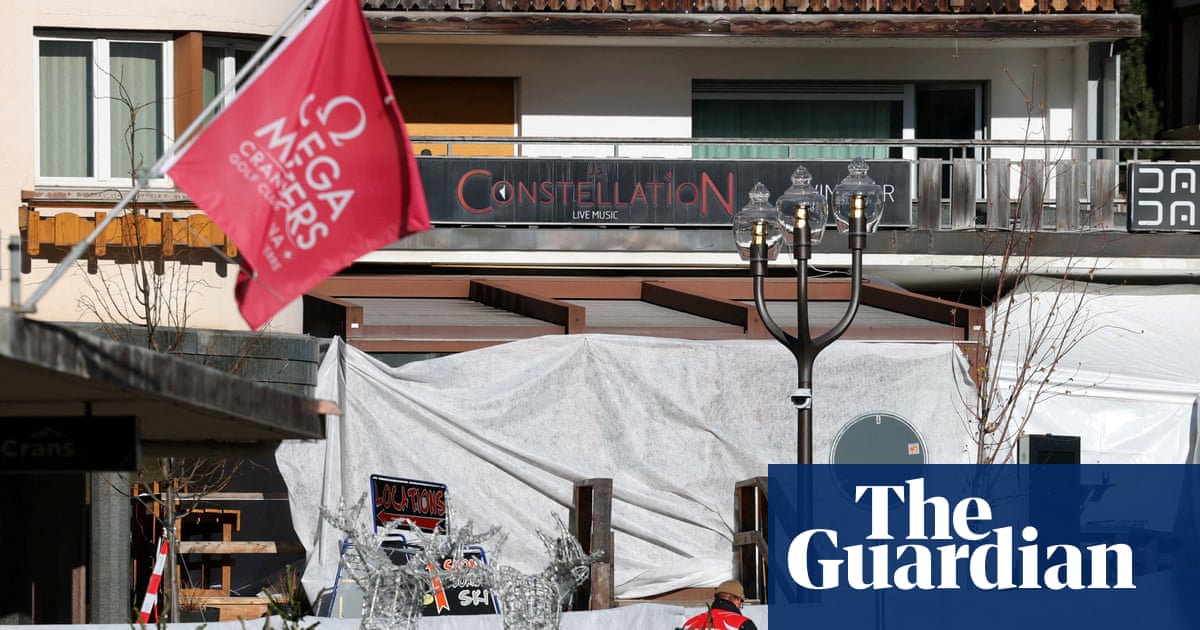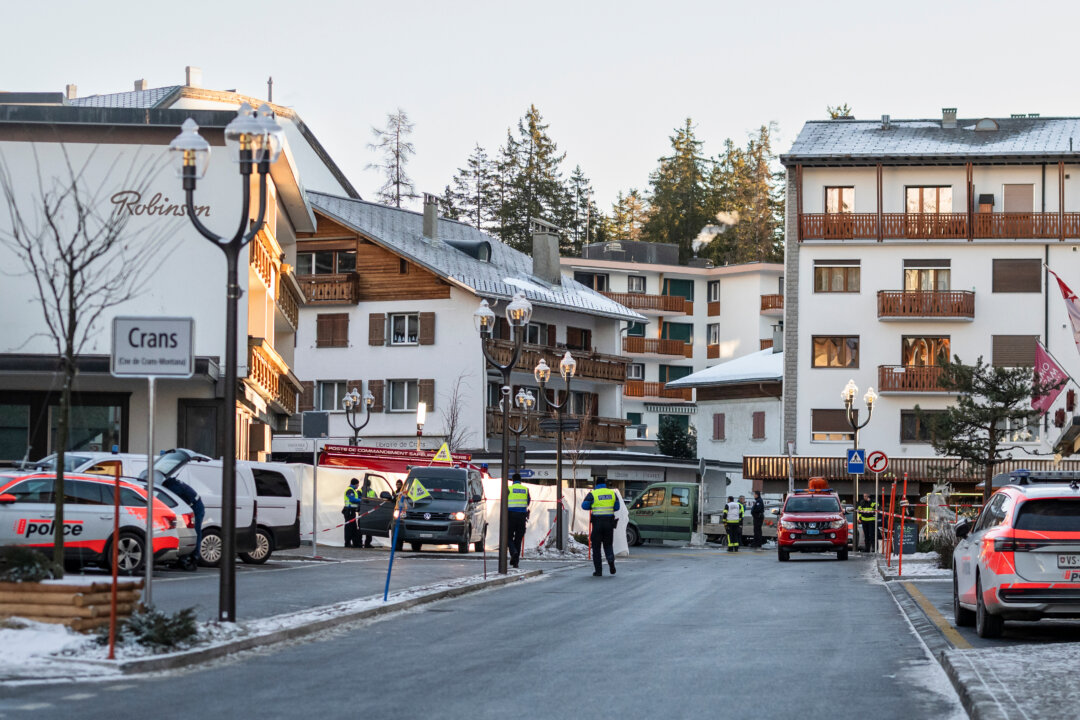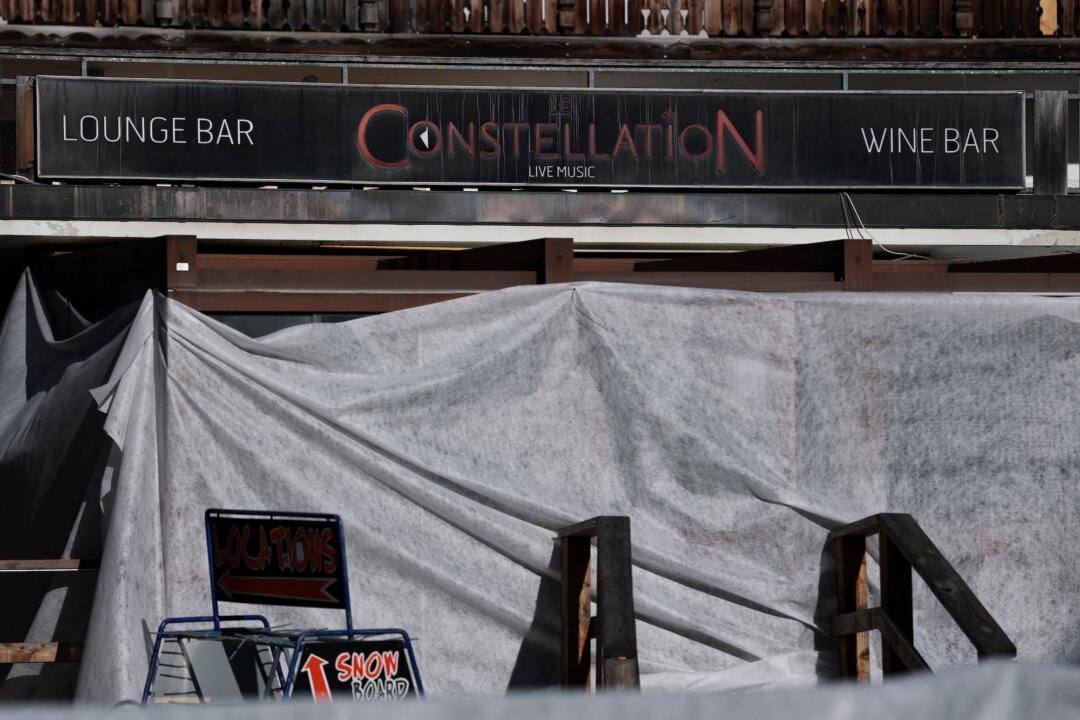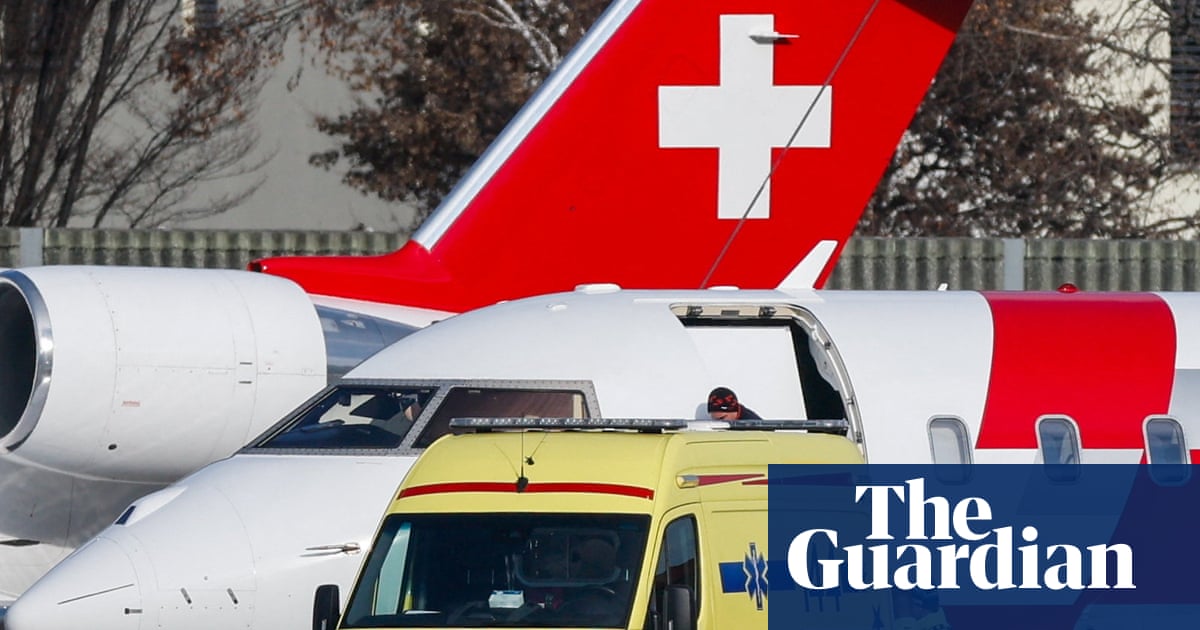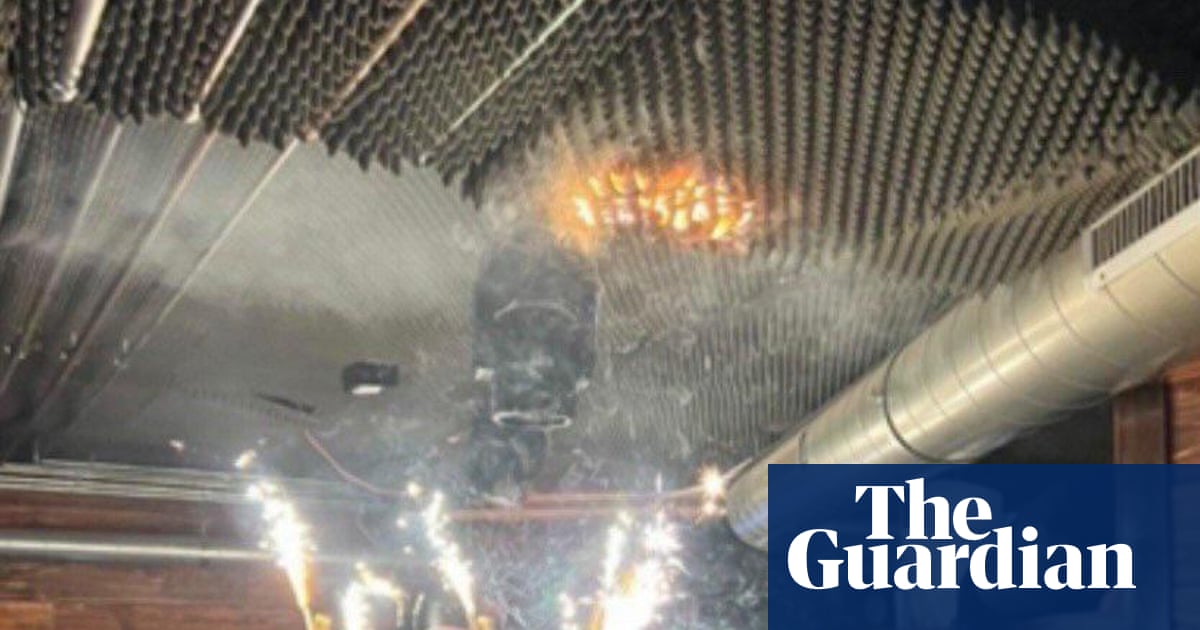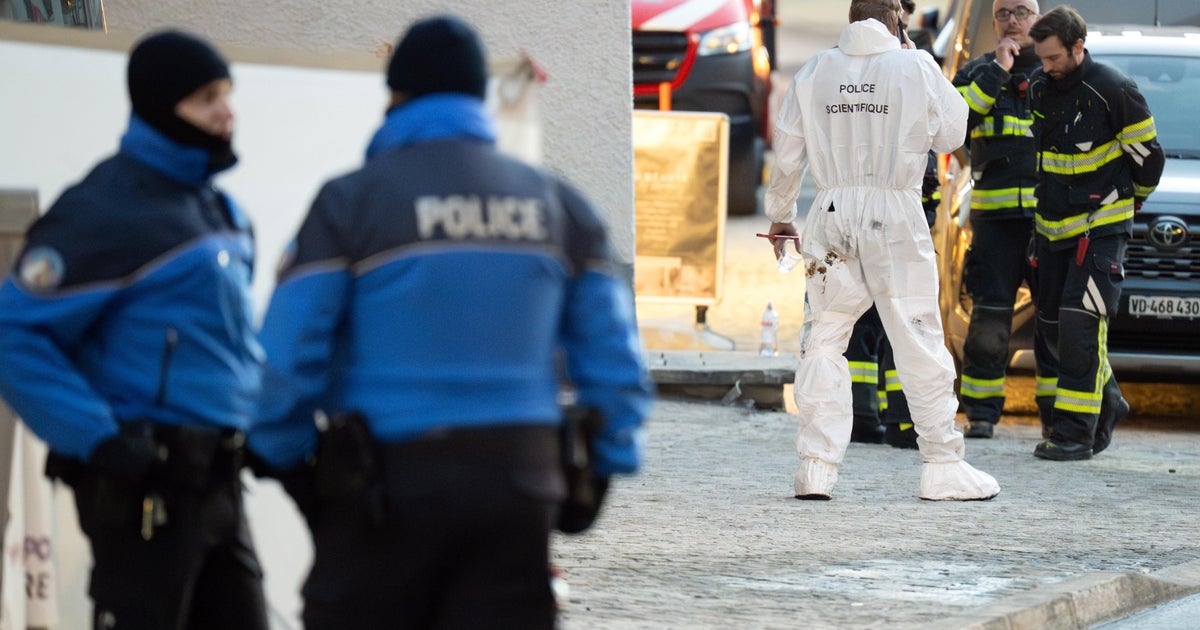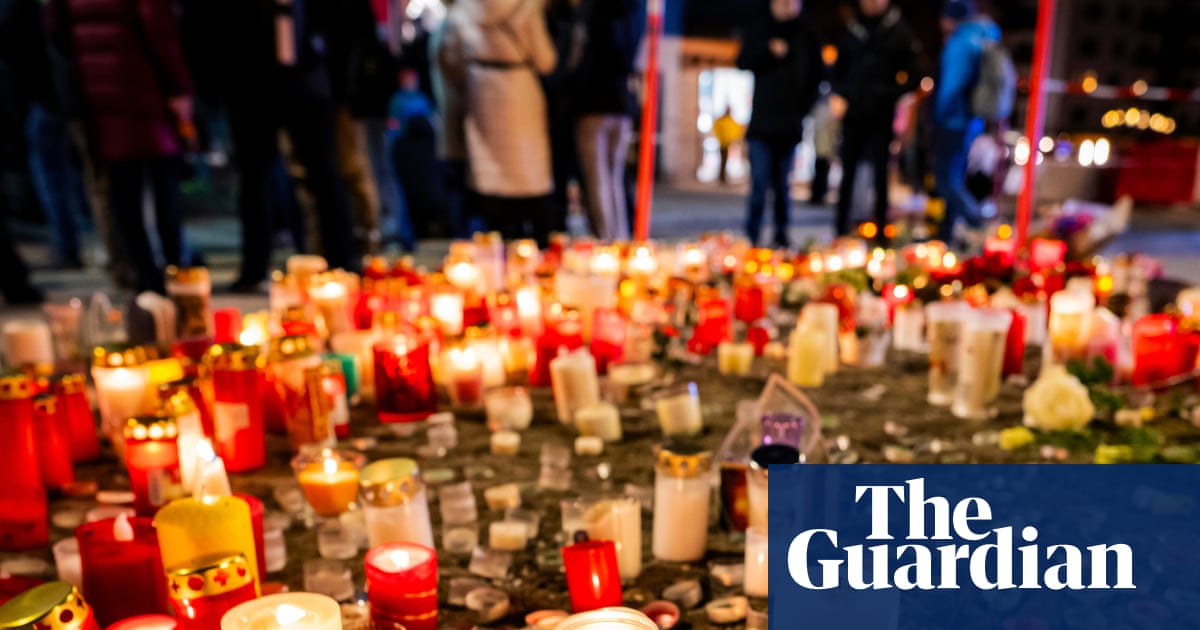







A New Year’s Eve celebration at the Le Constellation bar in the Swiss ski resort of Crans-Montana turned catastrophic shortly after midnight when a fast-moving fire tore through the crowded basement venue. Both liberal and conservative outlets report that around 40 people were killed and roughly 115–119 injured, many of them teenagers and young adults of mixed nationalities, with dozens suffering severe burns that complicate identification. Authorities in Switzerland quickly ruled out terrorism or a deliberate attack and launched a criminal investigation, while emergency services mobilized nationally and abroad; burn victims were transferred to specialized units across Europe due to limited domestic capacity. Coverage on both sides highlights harrowing survivor accounts of chaos, suffocation, and a desperate rush for exits, as well as the slow, agonizing process families face in learning whether their loved ones are among the dead or injured.
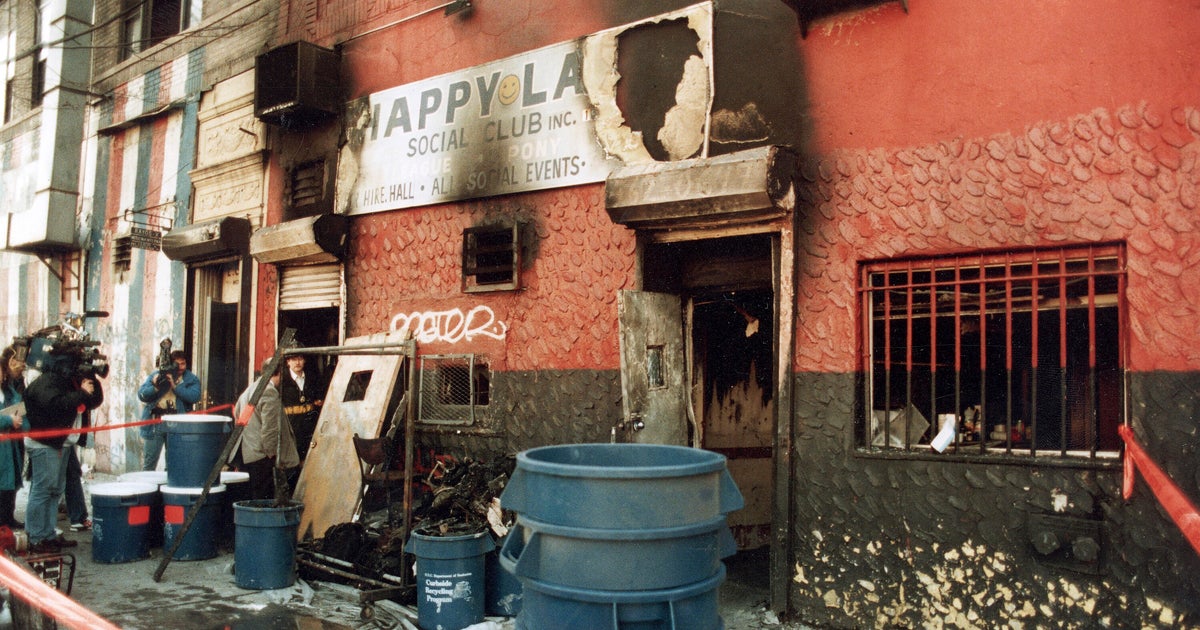
Liberal and conservative reports agree that investigators believe the blaze was almost certainly accidental and likely started when sparklers or sparkling candles attached to champagne bottles came too close to the ceiling, igniting combustible materials such as wooden cladding or foam soundproofing panels and triggering an almost instantaneous flashover. Both emphasize that Swiss prosecutors have opened a case against the bar’s managers, who face allegations of negligent homicide, negligent bodily harm, and negligent arson as officials scrutinize the venue’s safety measures, renovation materials, and inspection history. Outlets across the spectrum also stress that the incident ranks among Switzerland’s worst peacetime tragedies, prompting several days of official mourning, public memorials in Crans-Montana, and statements of solidarity from European institutions. Historical parallels to past nightclub disasters in other countries are widely drawn to underline recurring patterns of flammable interiors, overcrowding, and inadequate emergency egress, and to frame expectations that the investigation will feed into broader debates over fire-safety codes and enforcement.
Areas of disagreement
Cause and mechanics of the fire. Liberal-aligned outlets more frequently foreground the role of sparklers and flammable ceiling materials, sometimes adding alternative possibilities like shisha charcoal while still treating sparklers as the leading hypothesis. Conservative sources also cite sparklers or sparkling flares but give somewhat more space to uncertainty, stressing that the sparkler-ceiling theory, while likely, has not been fully confirmed and mentioning combustible gases in the venue. Both acknowledge that the blaze spread in seconds, but liberal coverage tends to frame this as a systemic failure of venue design, whereas conservative accounts are more inclined to describe it as a tragic chain of accidents still under technical review.
Accountability and systemic failures. Liberal coverage places heavier emphasis on potential regulatory and managerial failures, highlighting the criminal investigation of the bar’s managers and scrutinizing safety oversight, materials used in renovations, and crowding conditions as part of a broader pattern seen in historic nightclub fires. Conservative outlets report the same investigation and charges but more often cast them as part of the standard legal process following a mass-casualty event, with less explicit framing of the tragedy as a symptom of wider regulatory breakdown. Liberal pieces frequently connect this fire to long-standing debates over enforcement of safety codes and corporate responsibility, while conservative reports tend to keep the focus on individual accountability and procedural due process.
Comparative and political framing. Liberal-aligned sources more readily situate the Swiss disaster alongside well-known nightclub fires in the United States and elsewhere, implicitly arguing that similar structural risk factors recur across market-driven entertainment venues and calling attention to reforms and code changes those past incidents prompted. Conservative coverage also notes that the event is among the worst of its kind and sometimes mentions other large fires, but is generally less likely to draw out explicit cross-country comparisons or to link the story to broader critiques of industry practices. Where liberal outlets hint at lessons for future regulation and public safety policy, conservative outlets more often treat the event as an exceptional national tragedy with limited overt political or regulatory commentary.
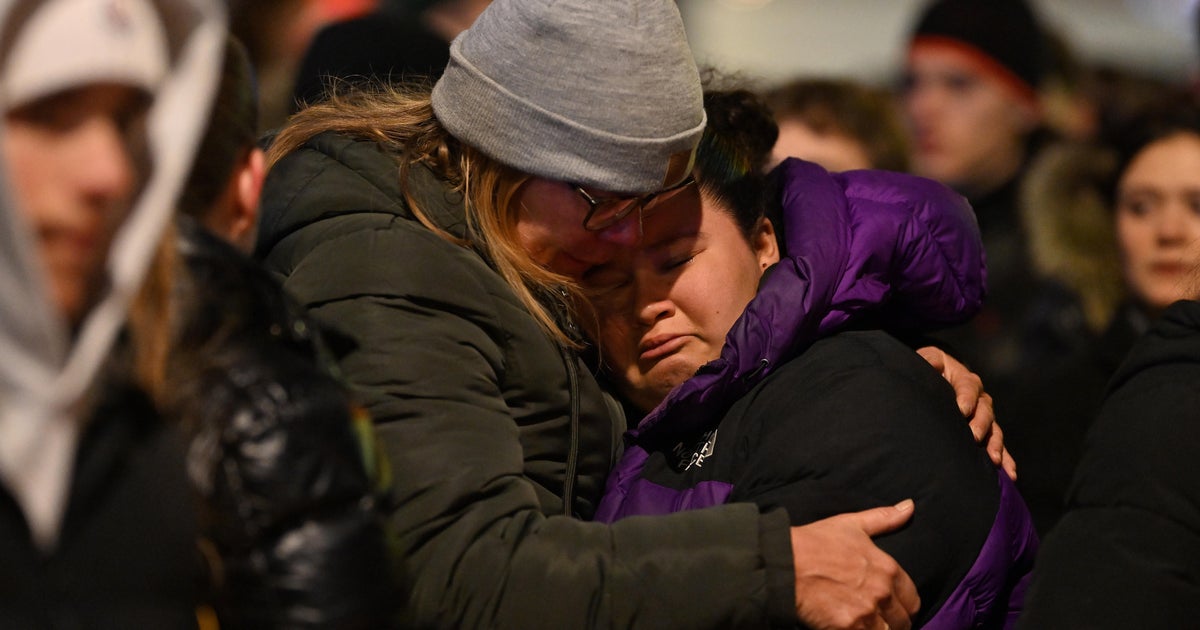
Human impact and narrative focus. Liberal reports devote substantial space to intimate human stories—missing teenagers, grieving families from multiple countries, and survivors describing scenes “like a horror movie”—using these narratives to underscore the urgency of reform and cross-border cooperation in medical care. Conservative outlets also highlight victims and families, but their narrative framing leans more toward Switzerland’s national mourning, official memorials, and logistical challenges of identifying remains and allocating burn beds, emphasizing state response and communal resilience. Liberal coverage thus more often uses personal testimonies as a lens on systemic shortcomings, while conservative coverage leans into themes of shared loss, national shock, and the orderly functioning of investigative and emergency institutions.
In summary, liberal coverage tends to fold the Swiss ski resort bar fire into a broader narrative about recurring safety failures, regulatory oversight, and the need for systemic reform, while conservative coverage tends to stress the tragic but accidental nature of the event, the procedural investigation of individual responsibility, and the collective process of mourning and institutional response.