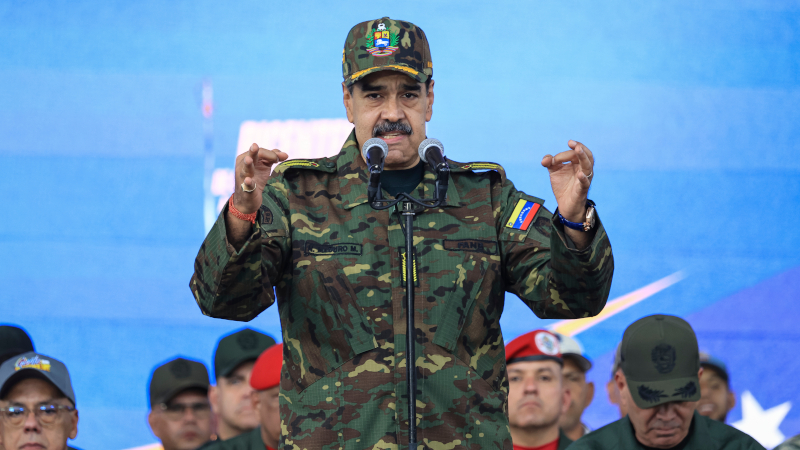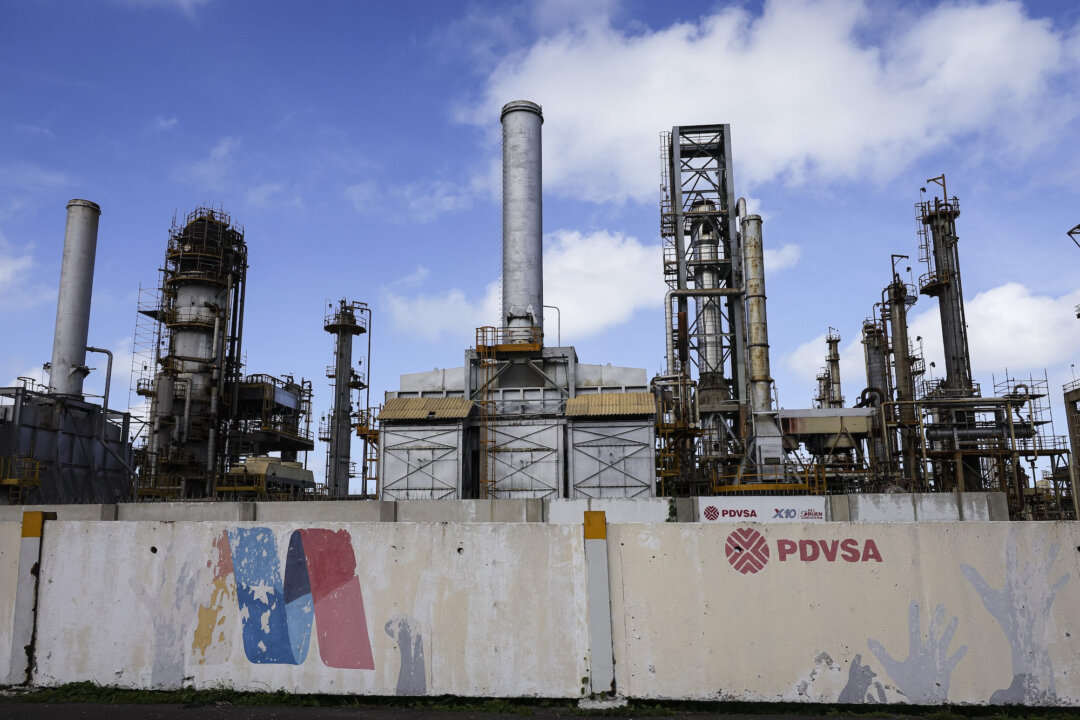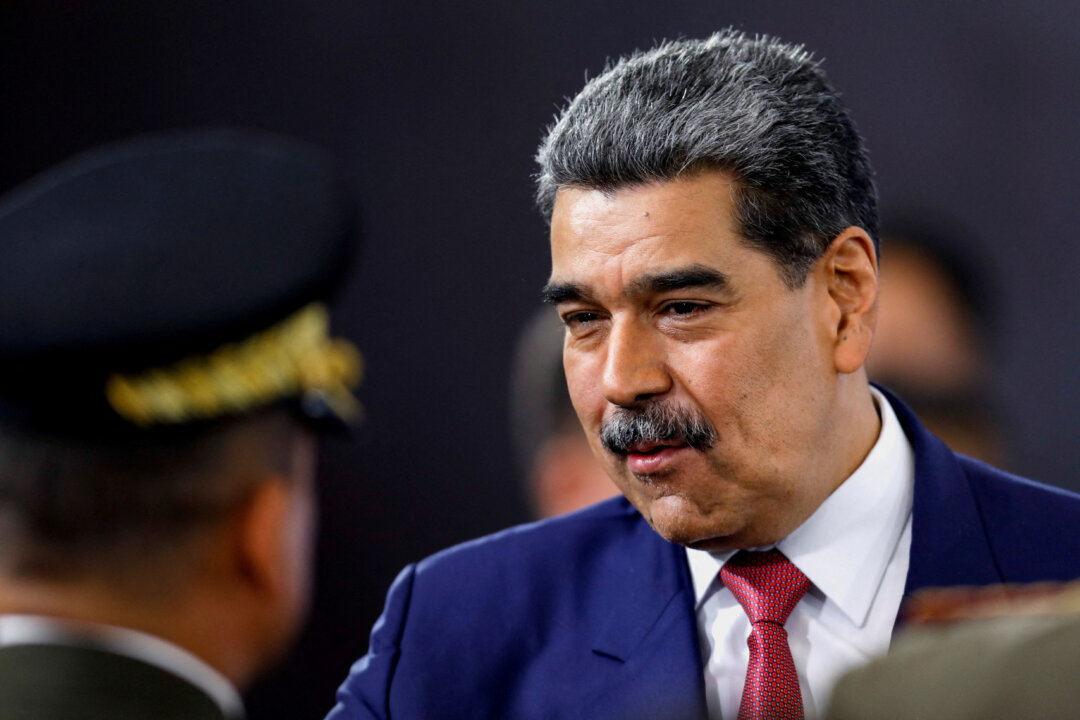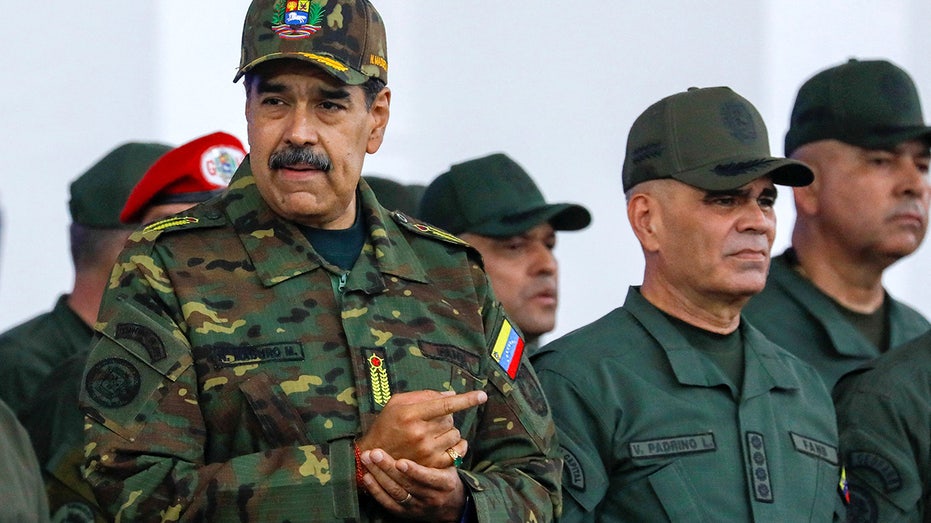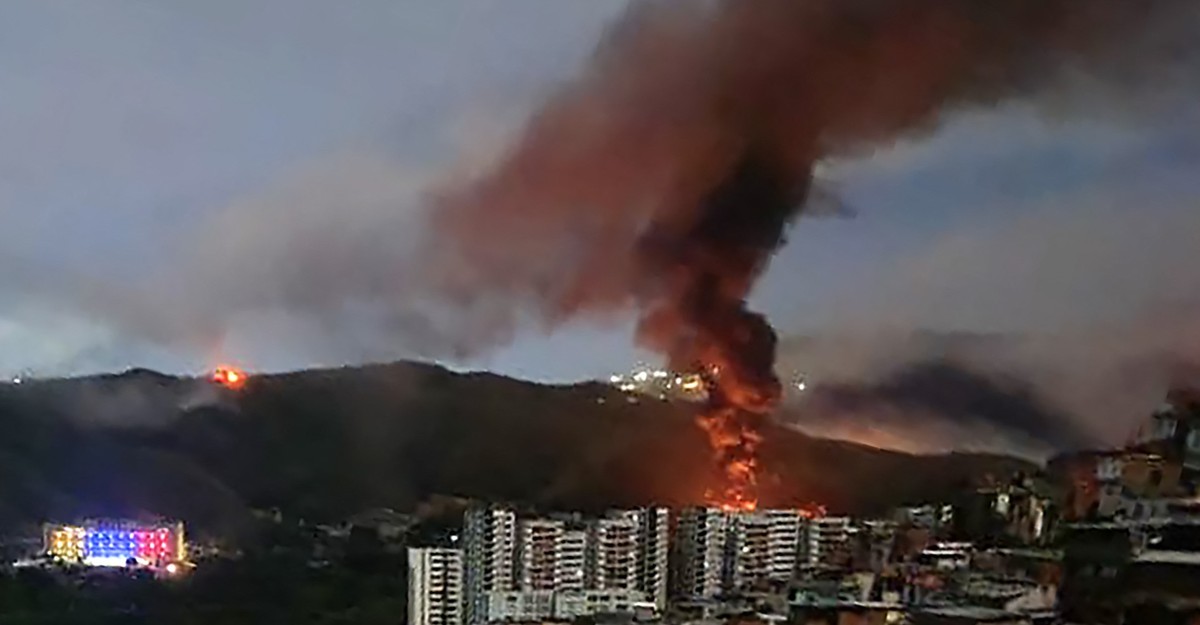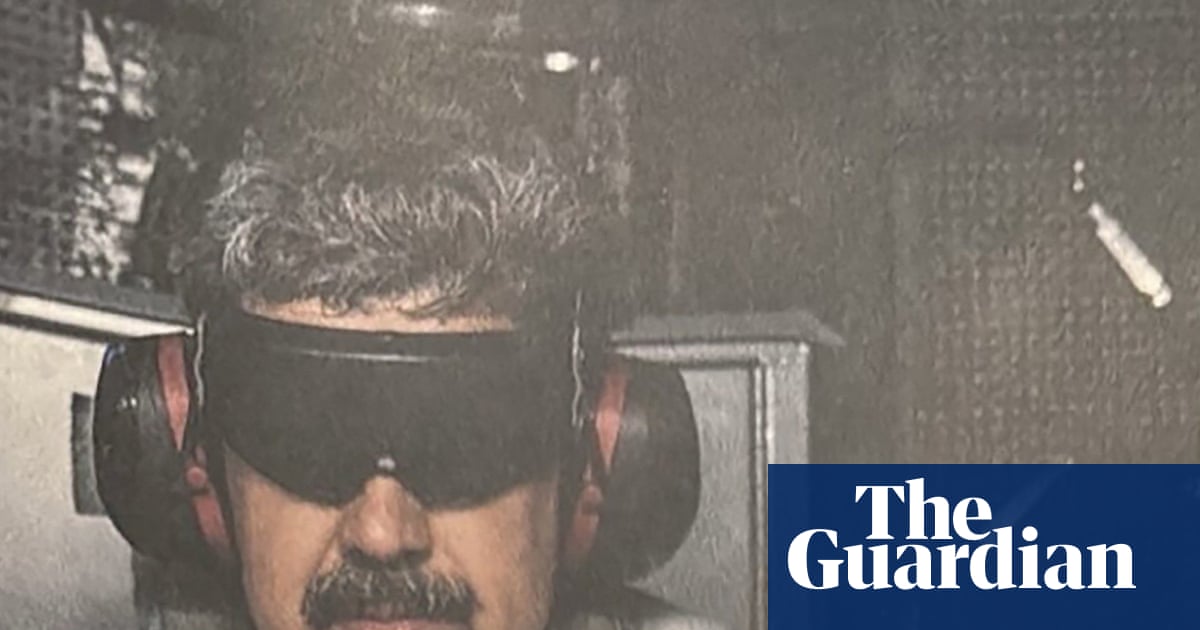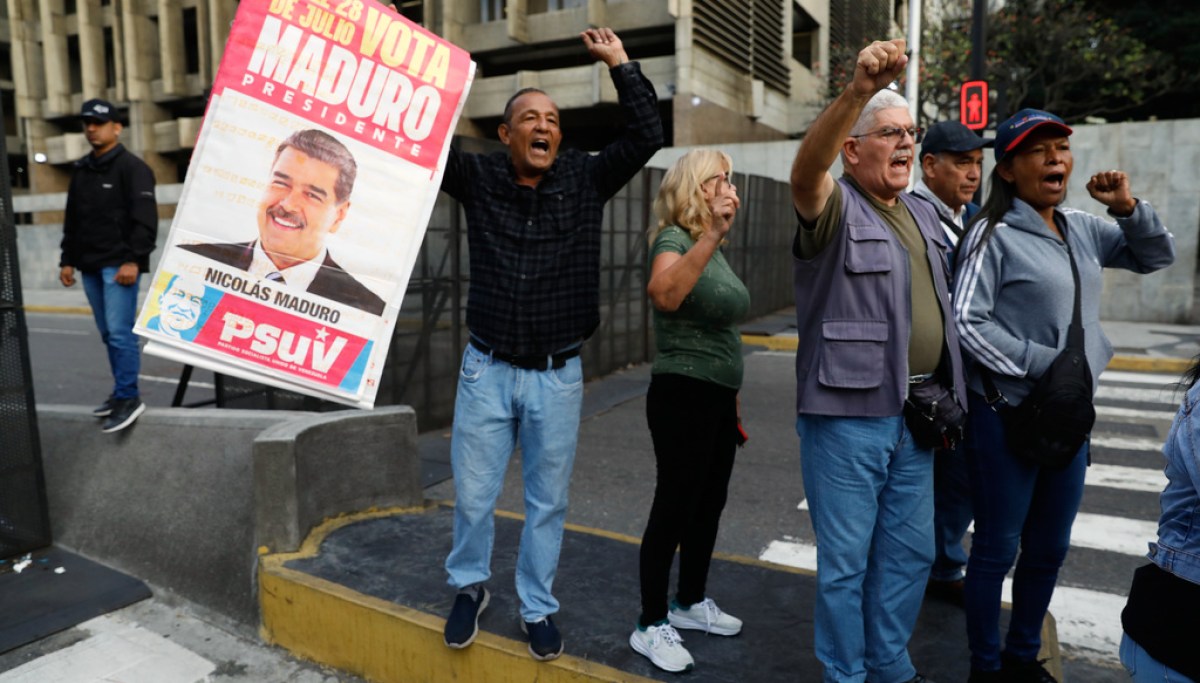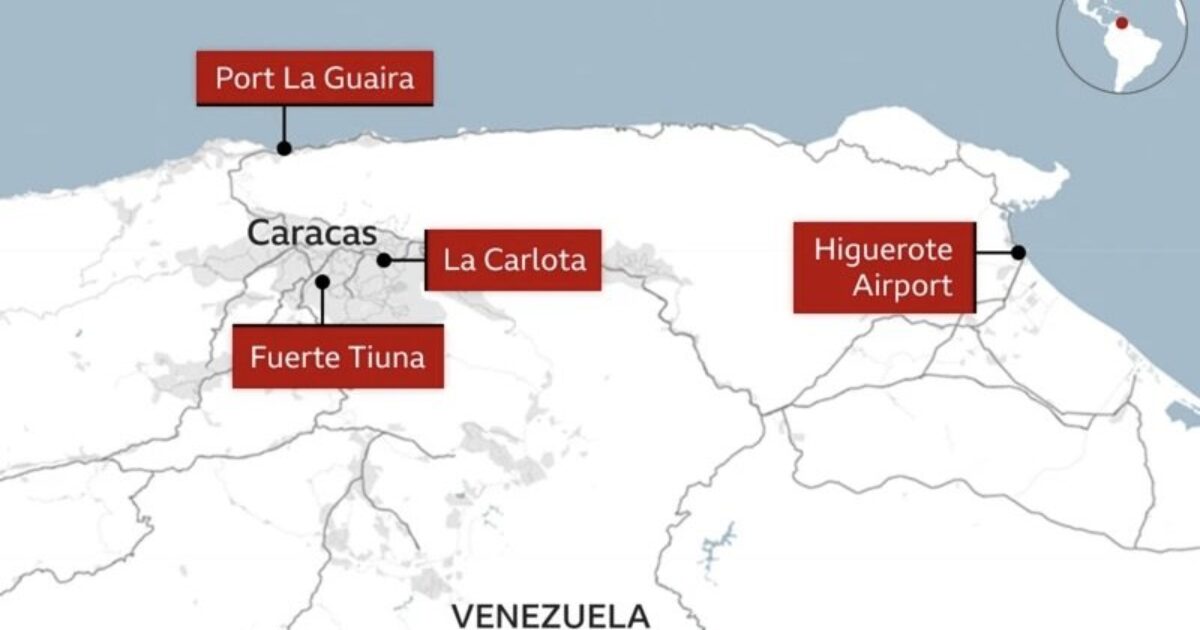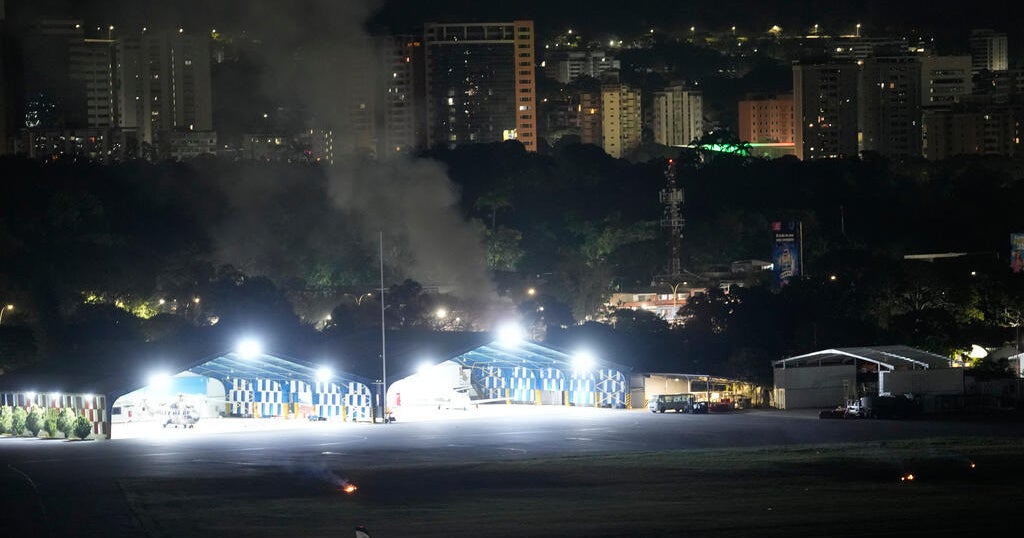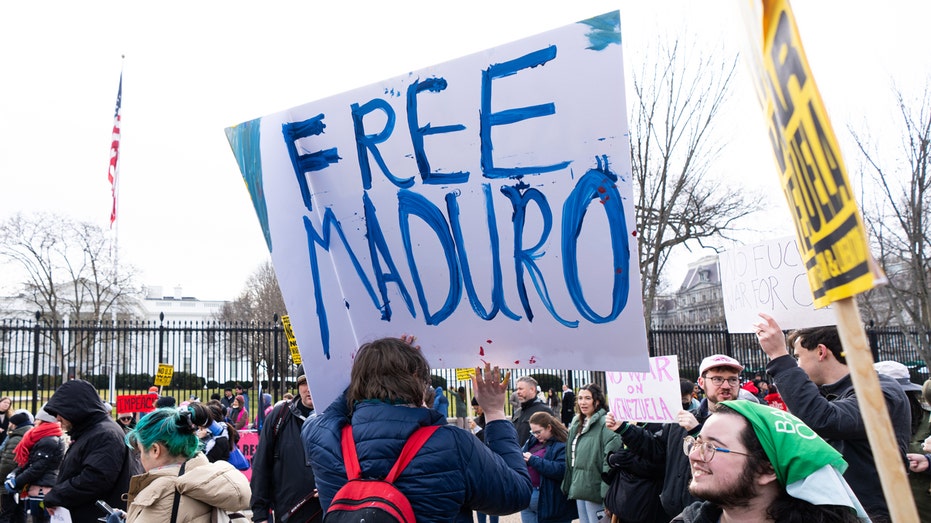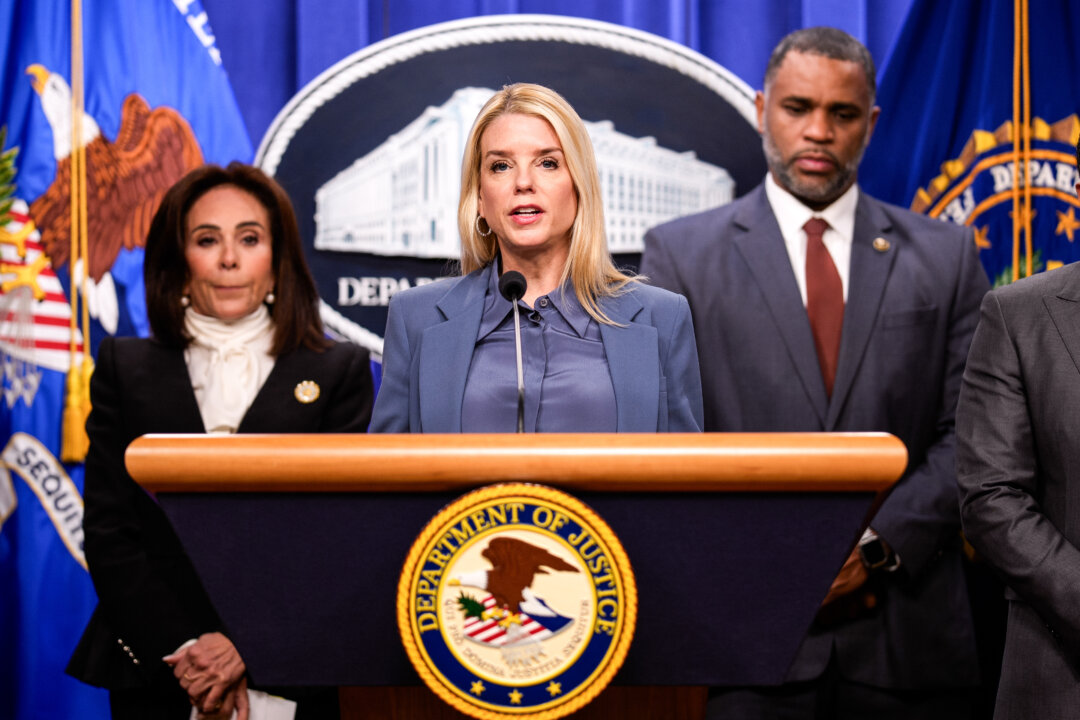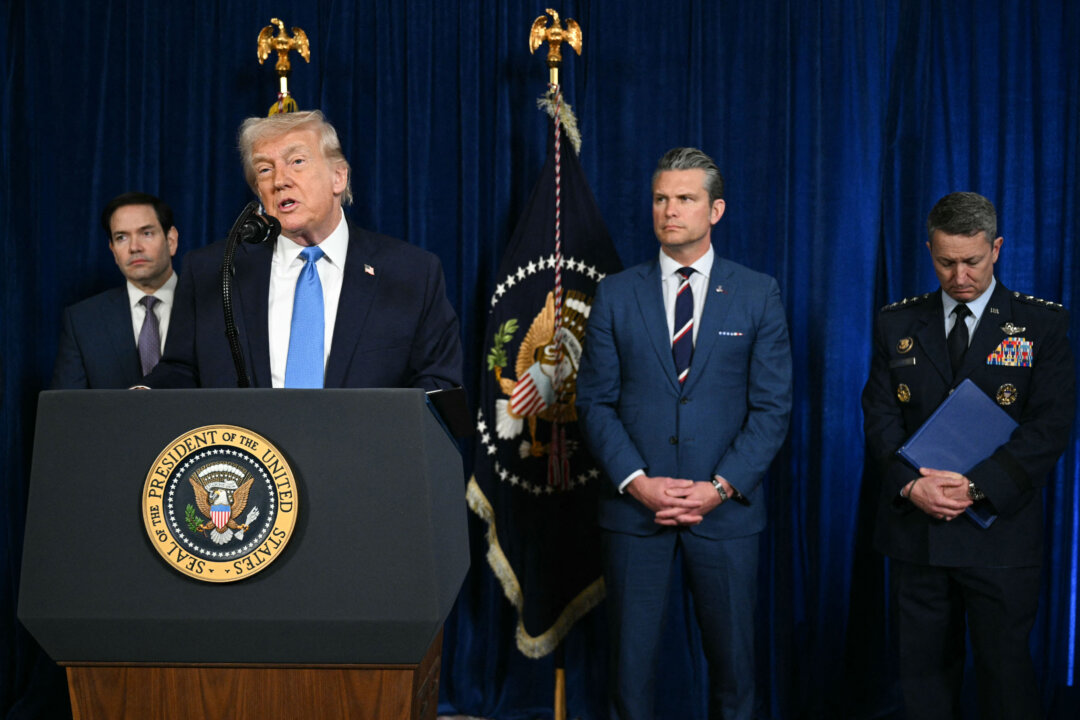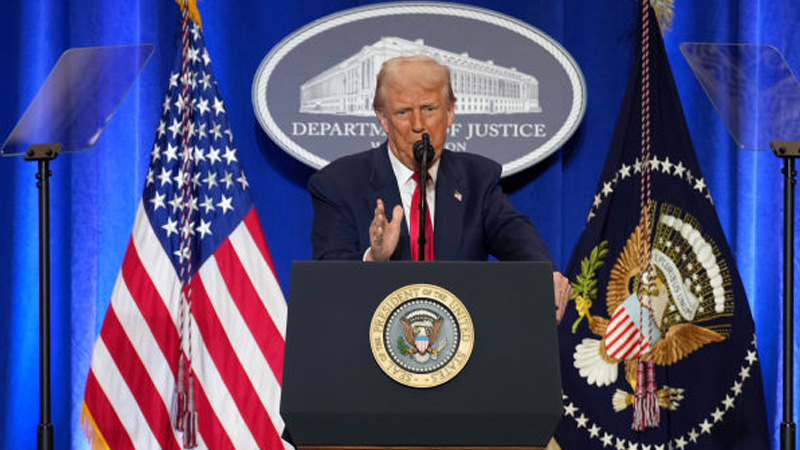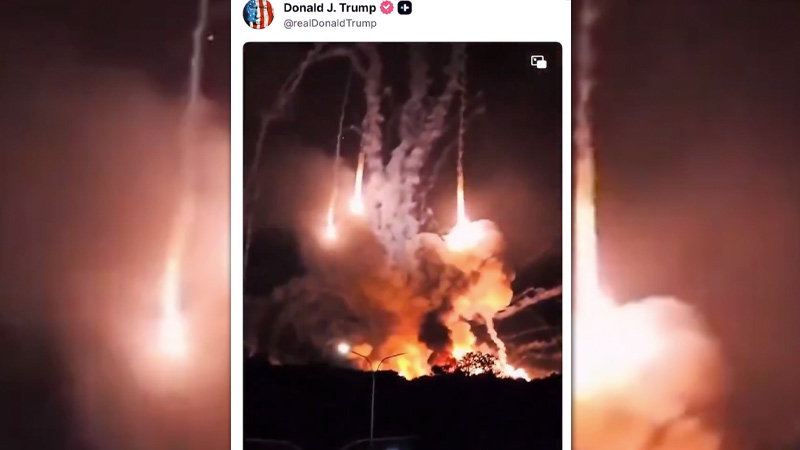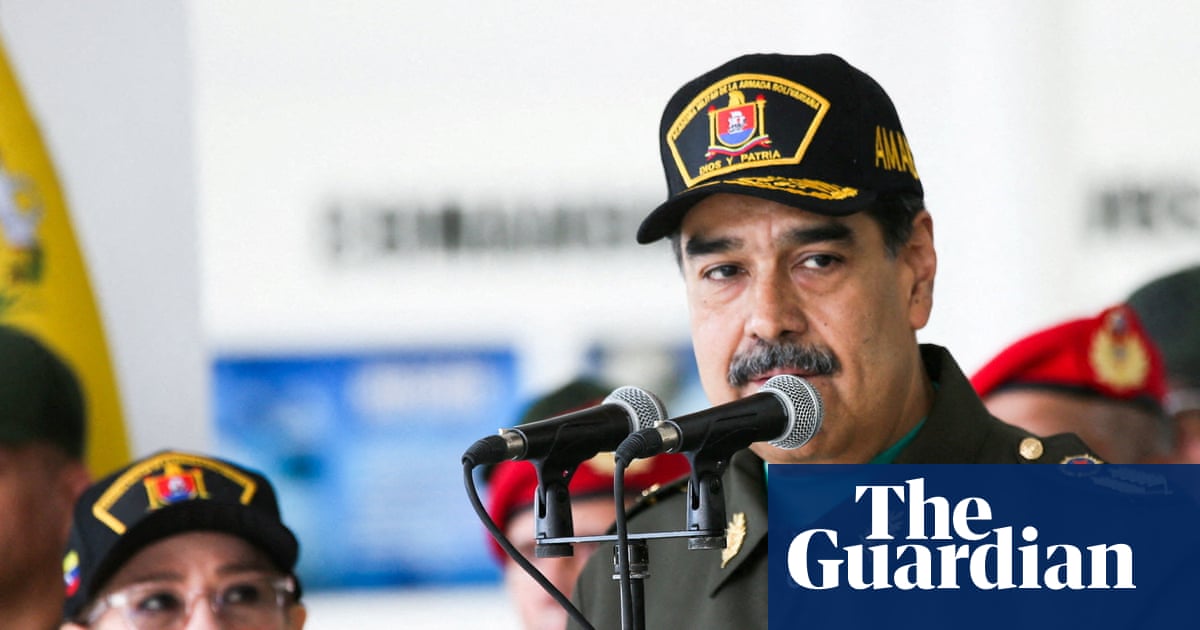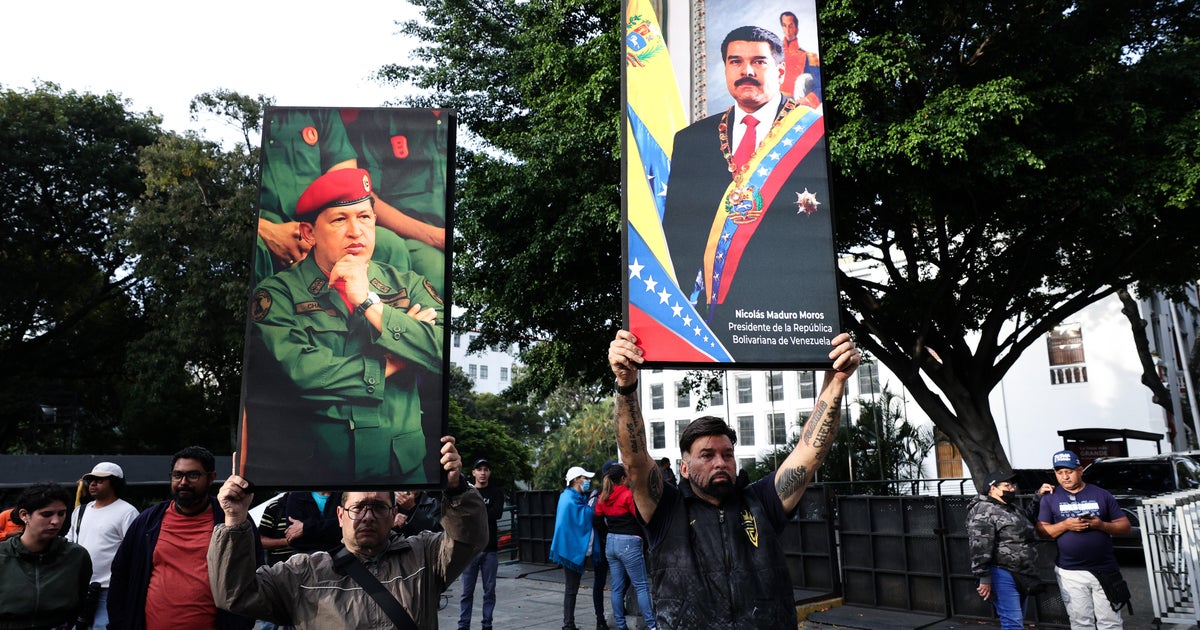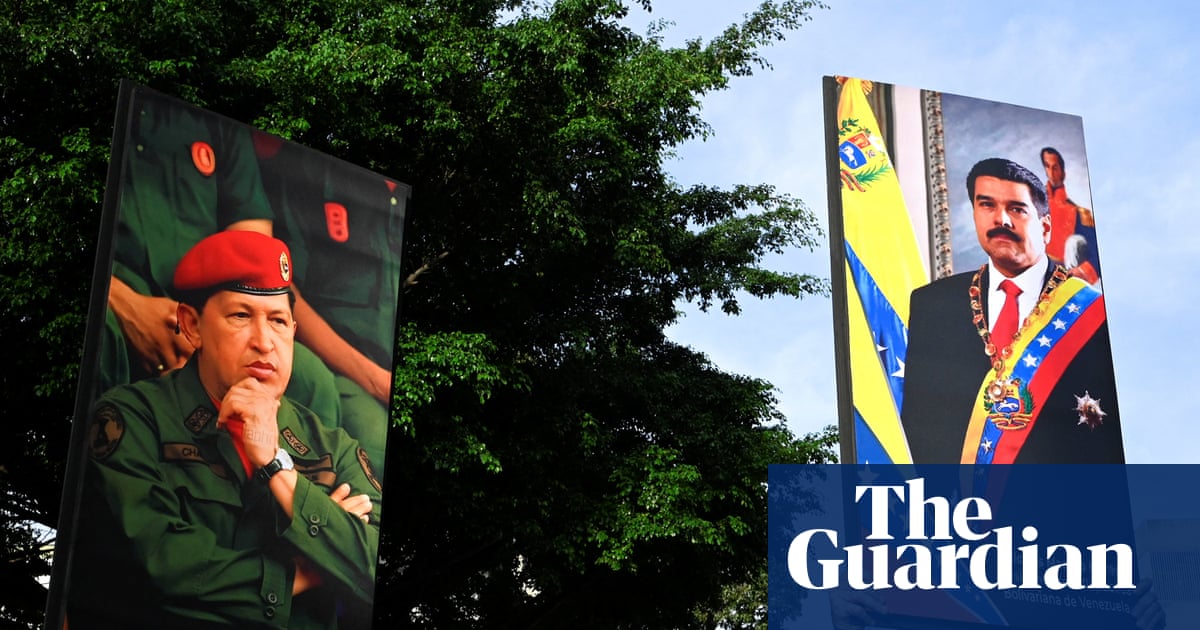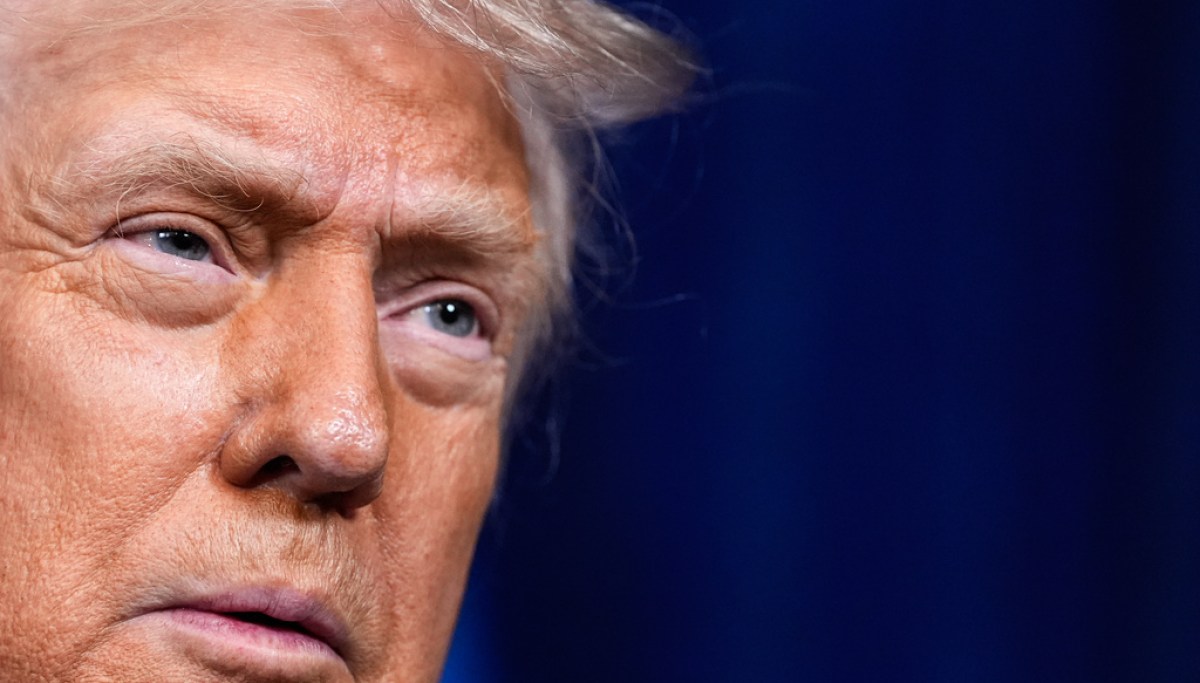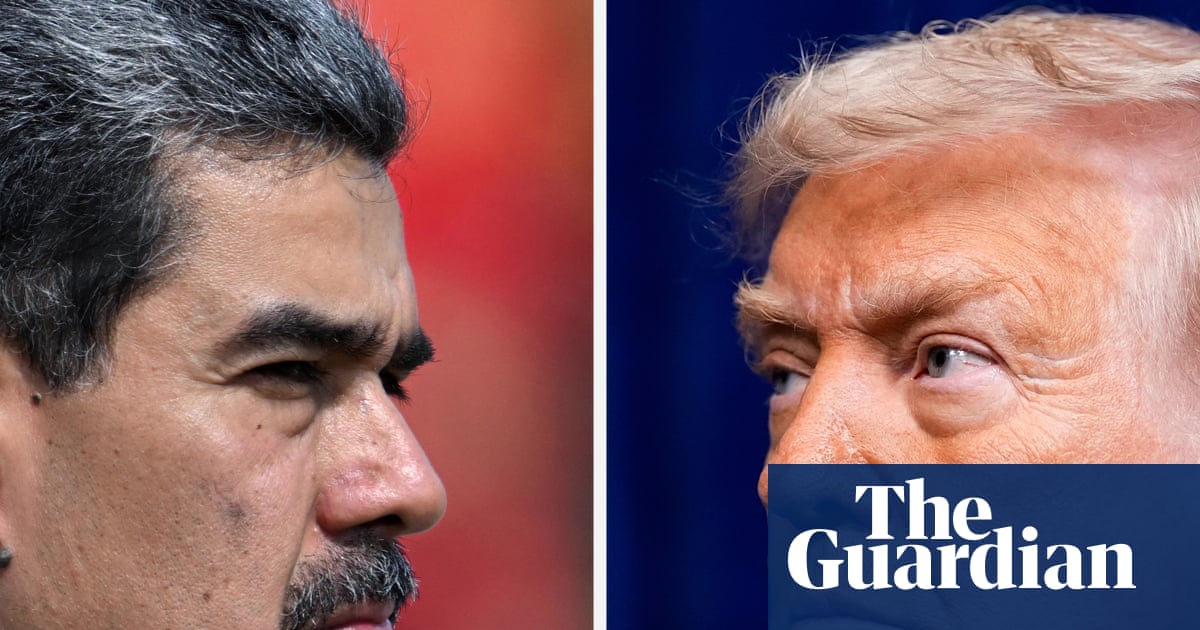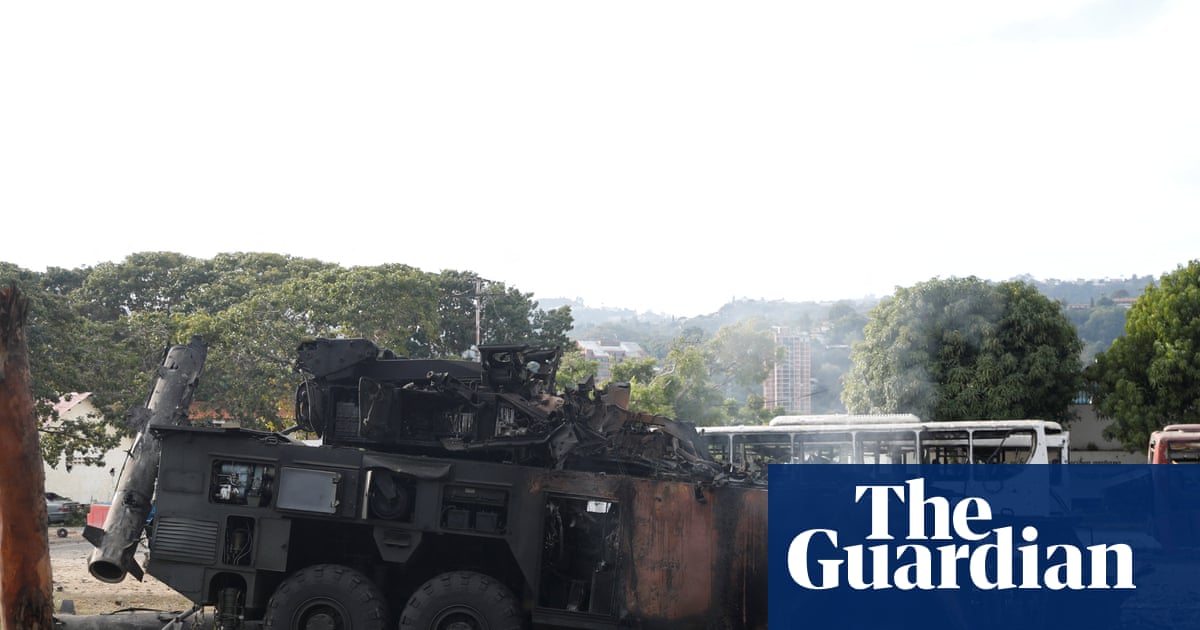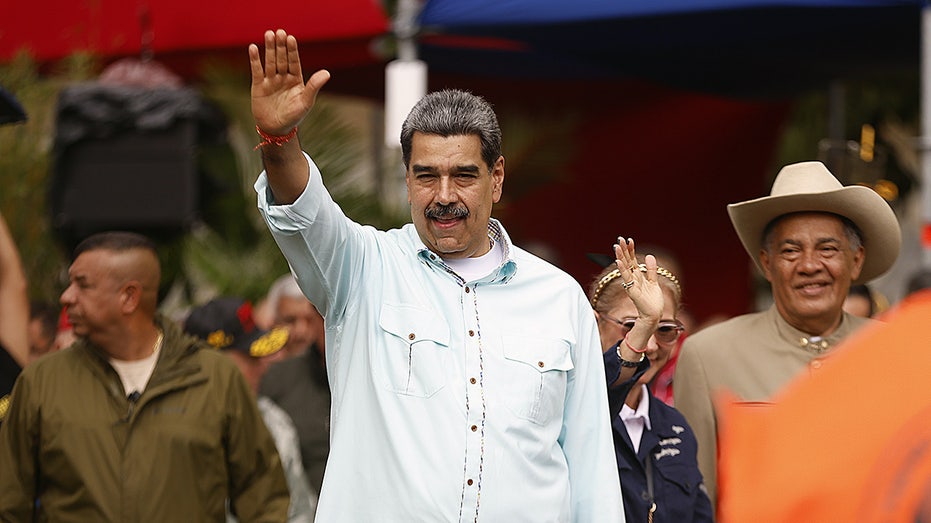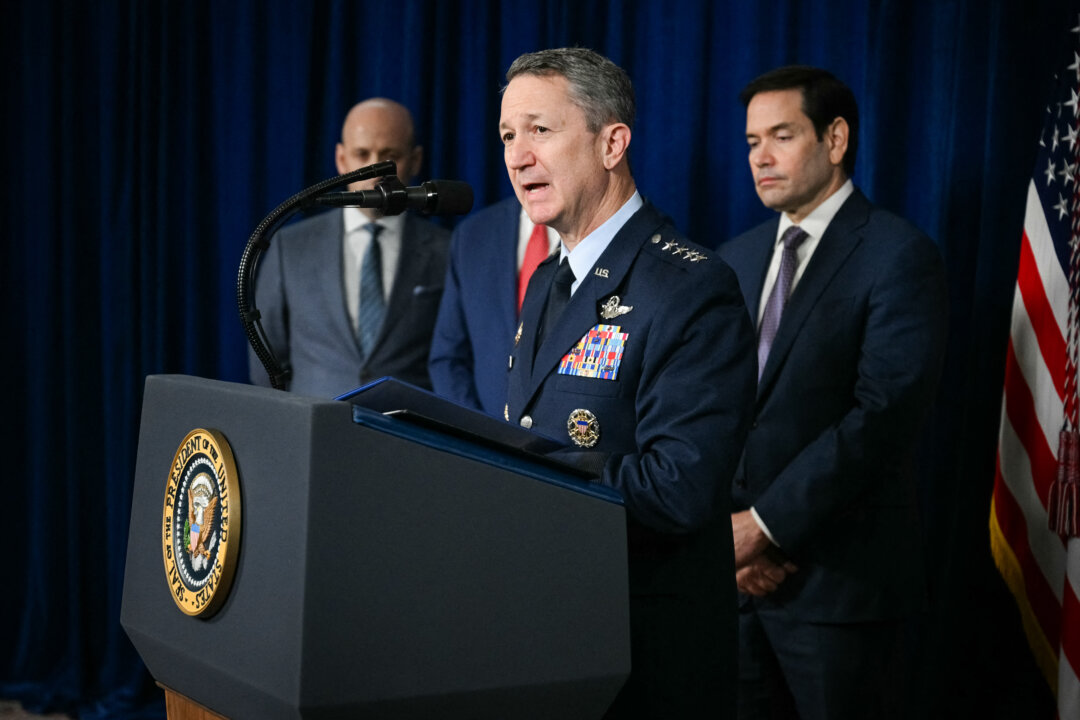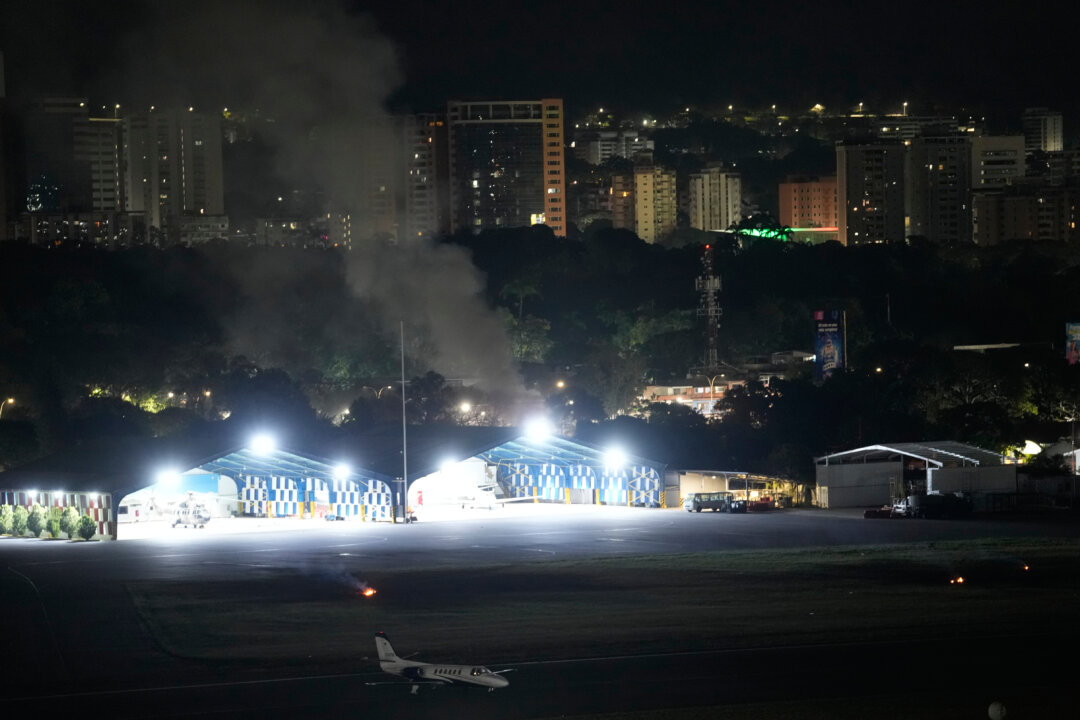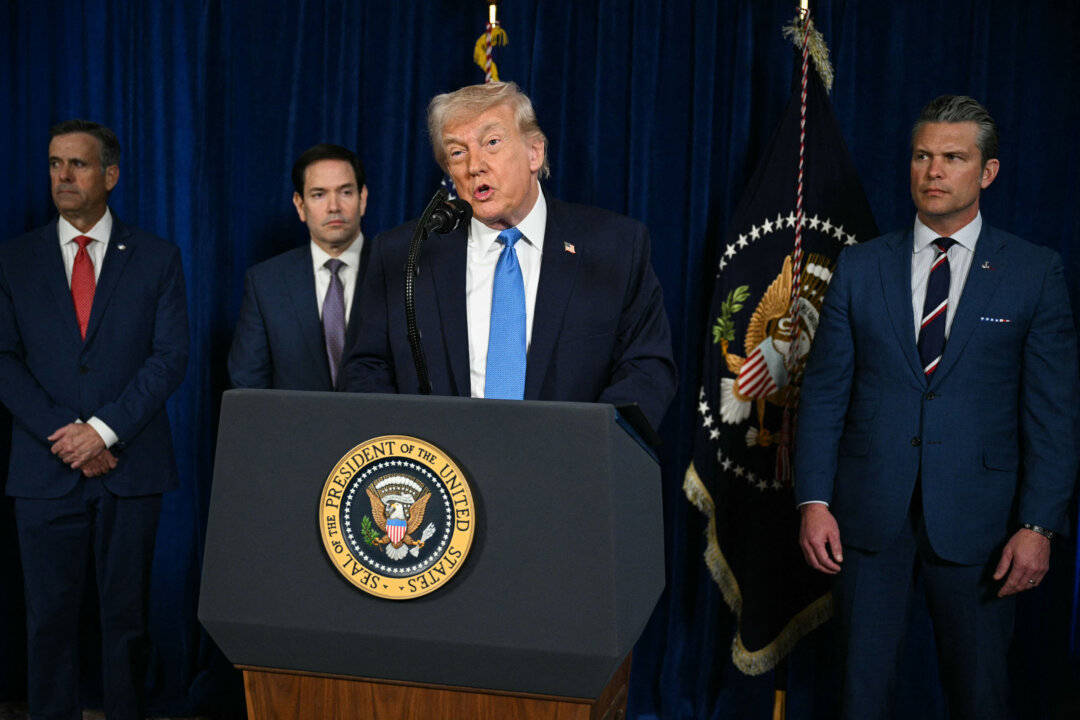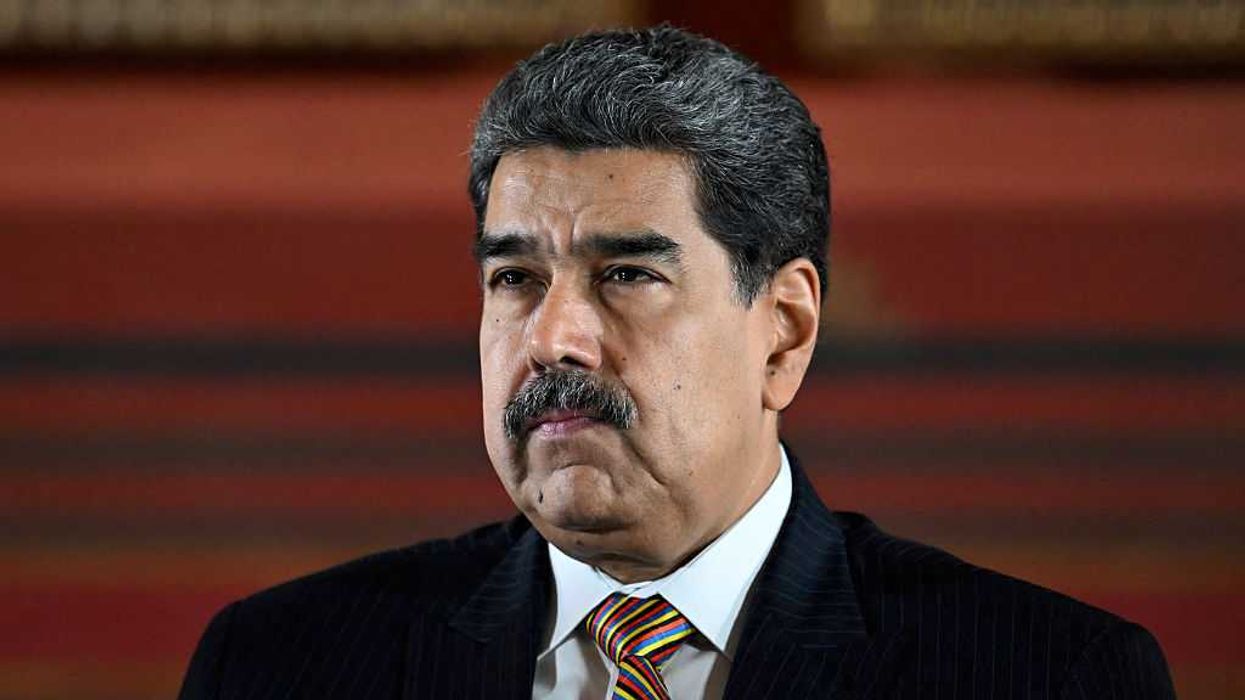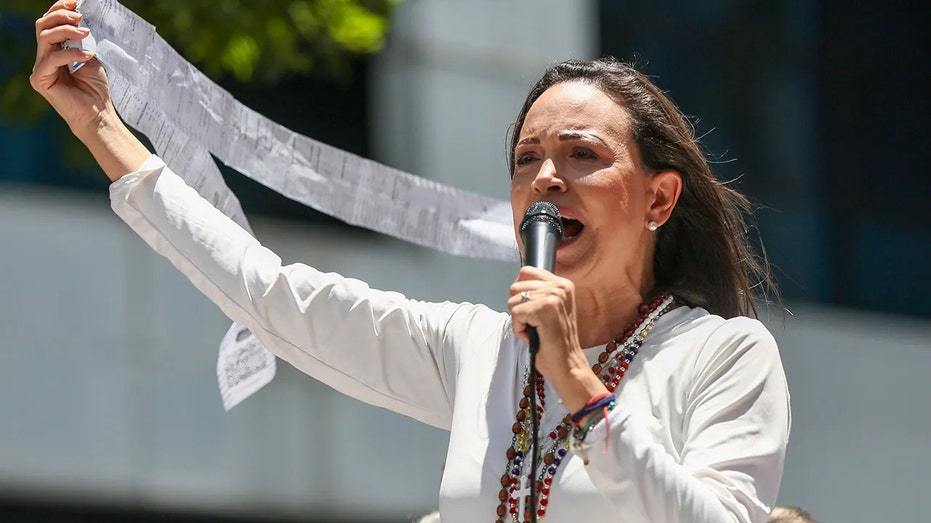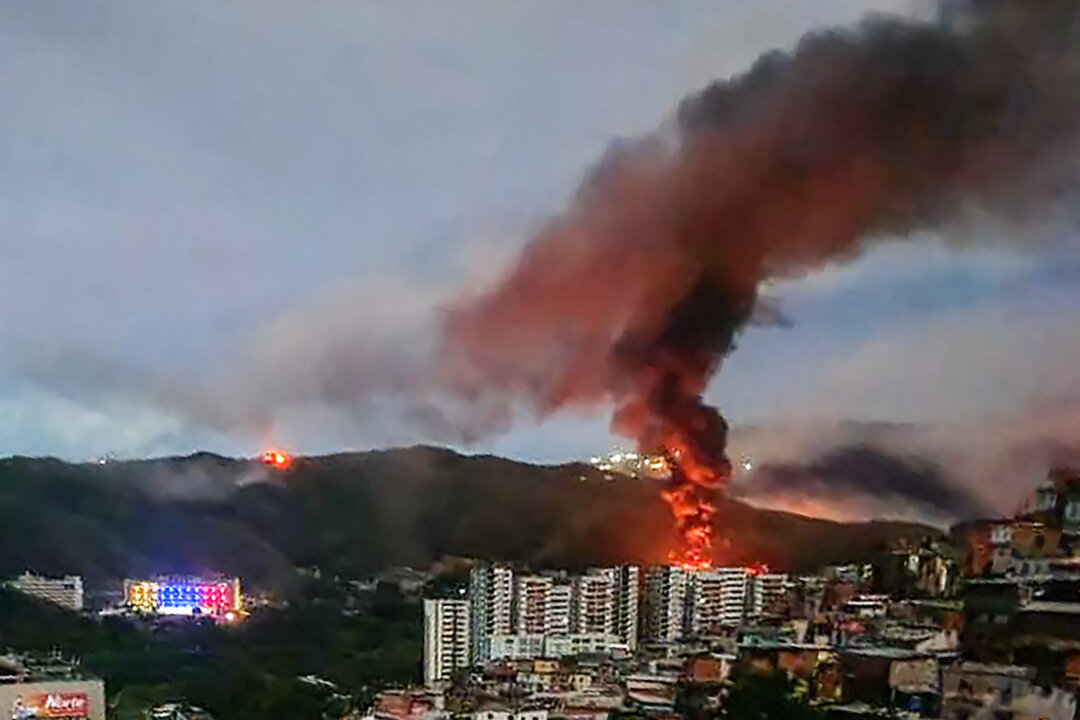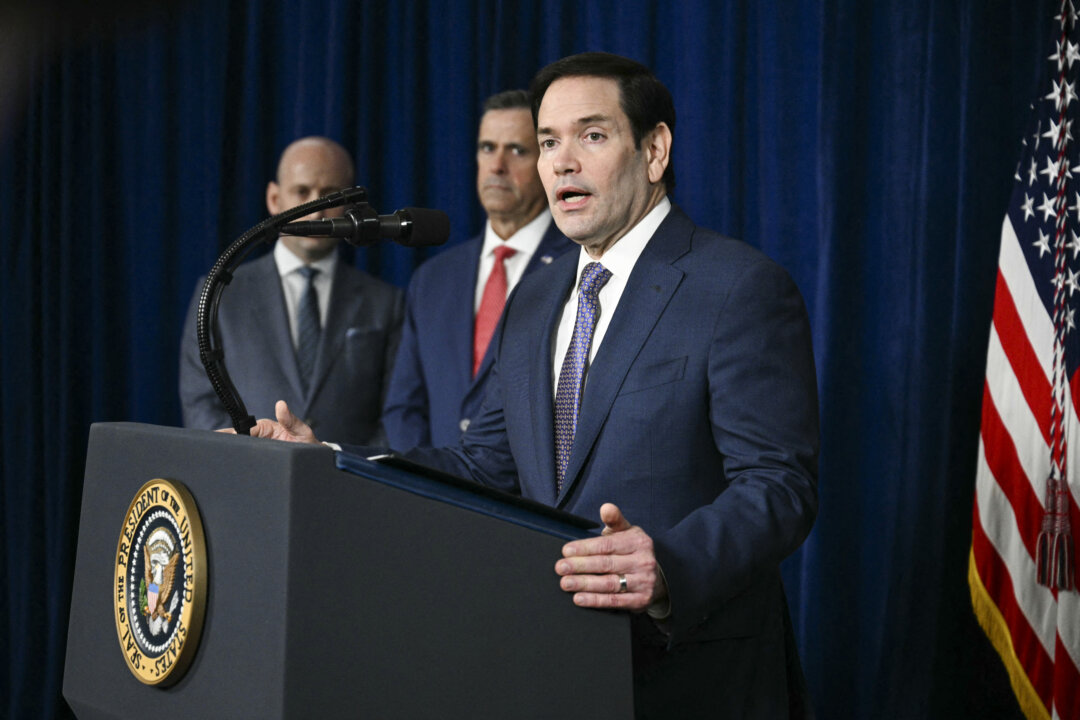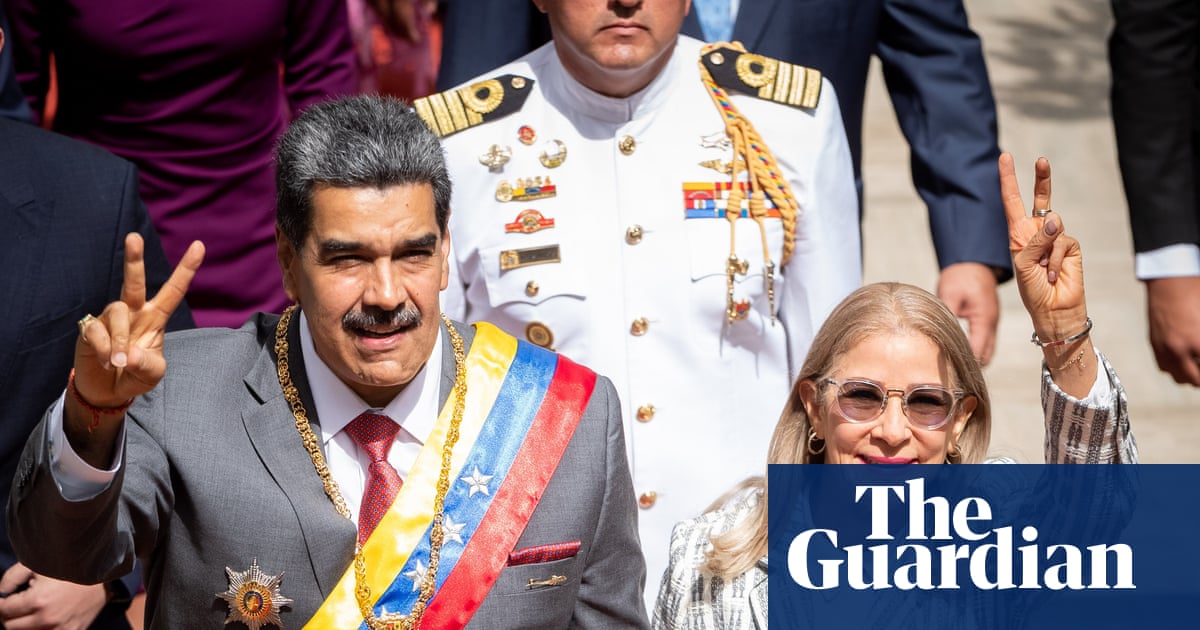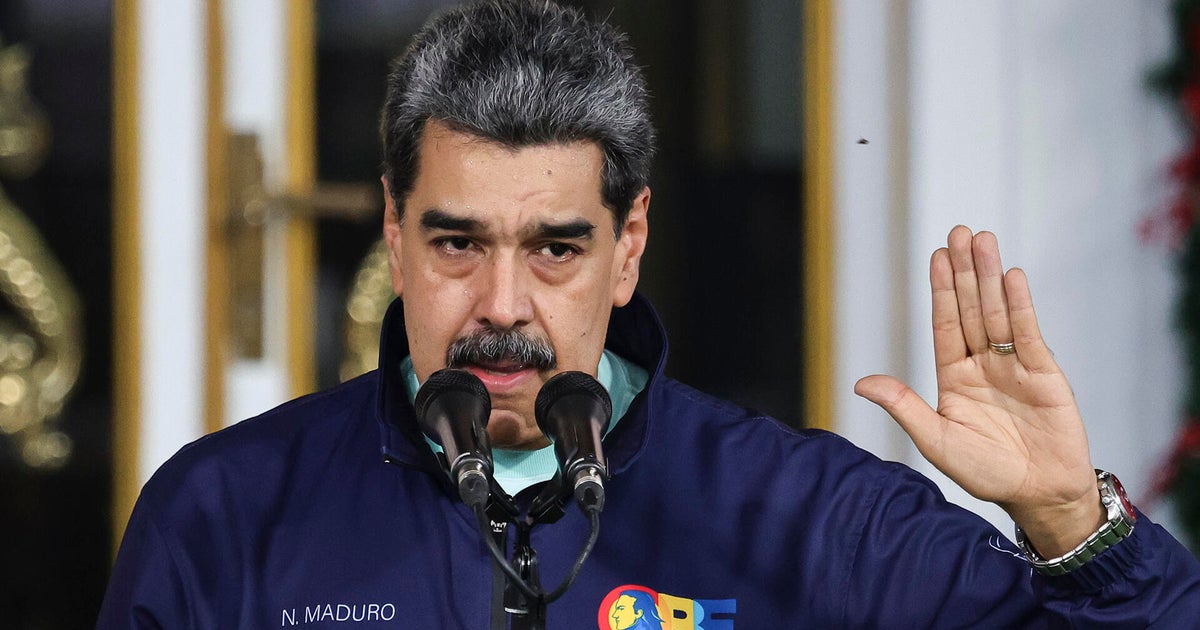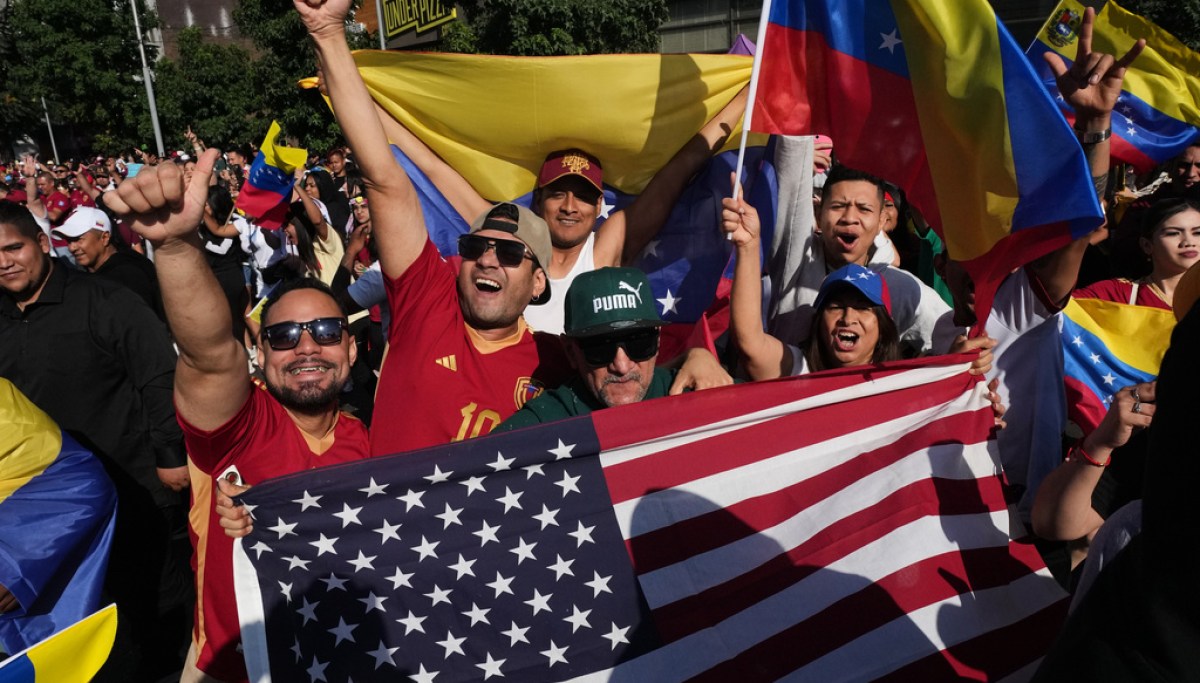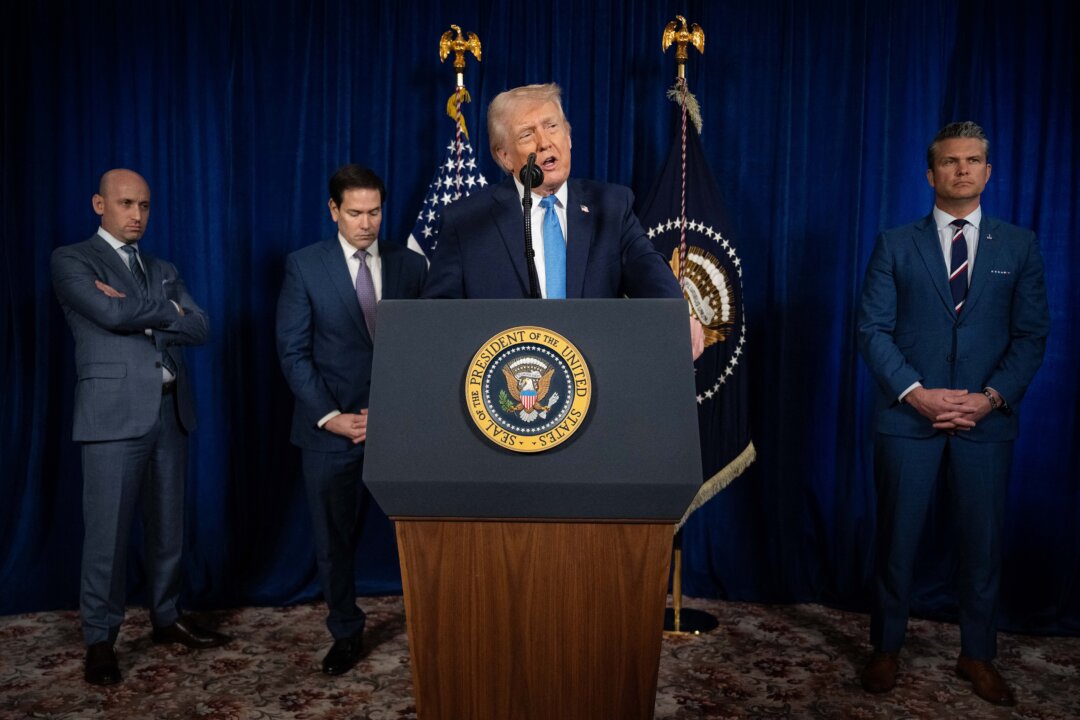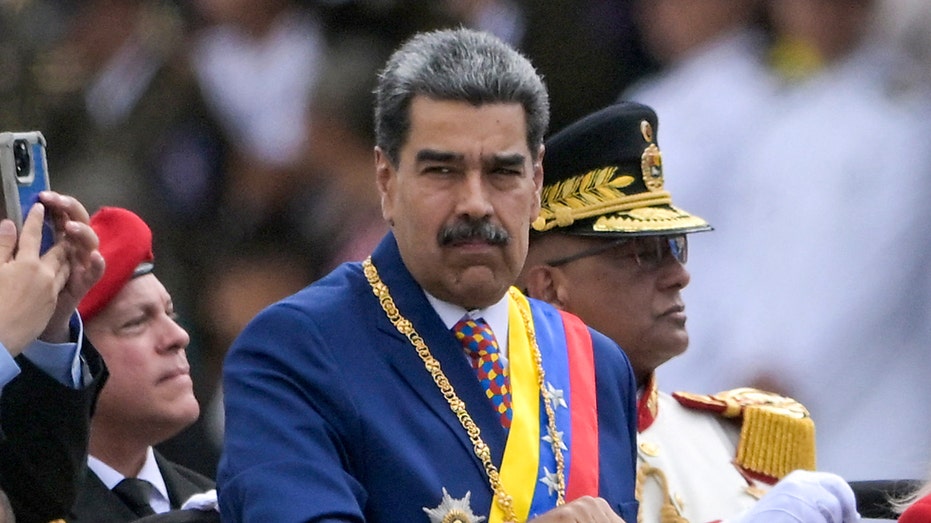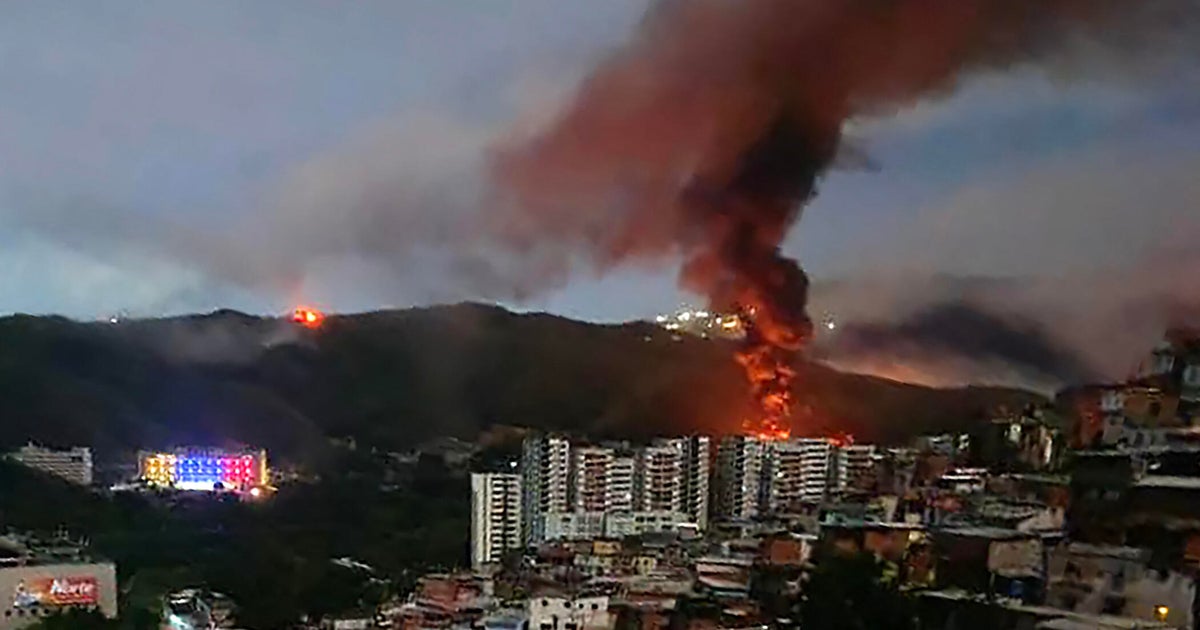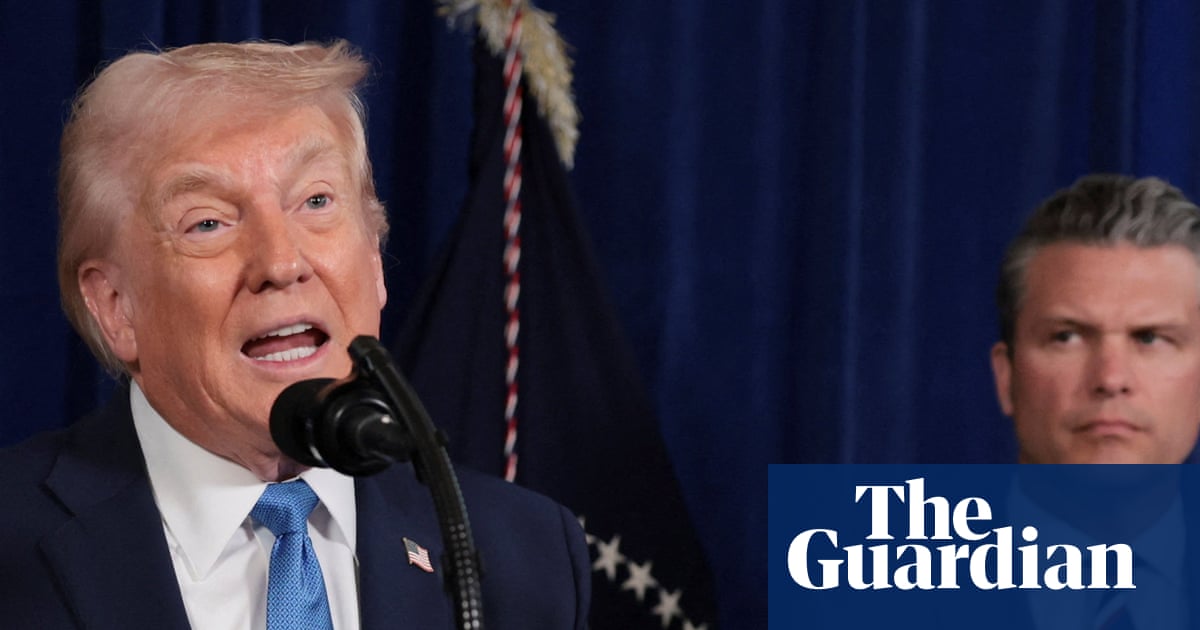








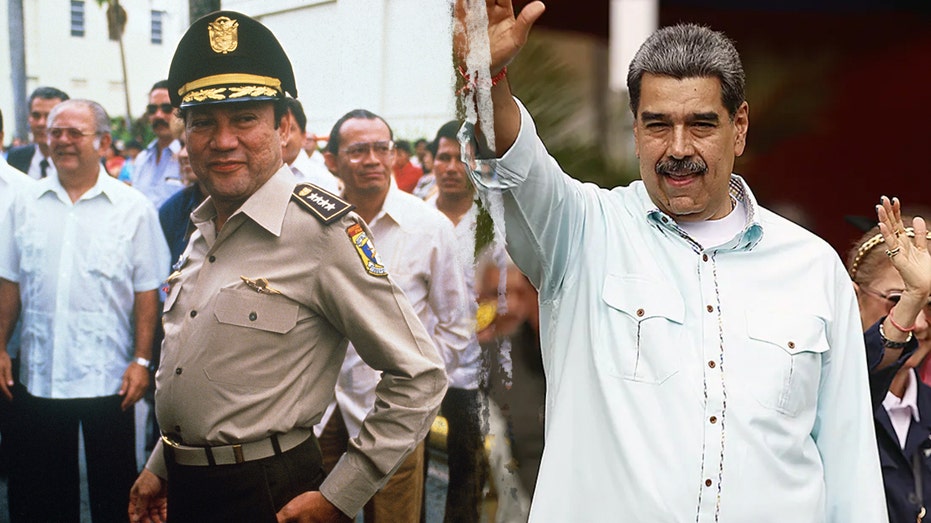
US and international media across the political spectrum agree that U.S. forces carried out a large-scale, pre‑dawn military operation on or around January 3, 2026, striking multiple targets in and around Caracas and other strategic sites in Venezuela and capturing President Nicolás Maduro and his wife, Cilia Flores. Both liberal- and conservative-aligned outlets report that elite U.S. special operations forces, supported by extensive air and naval assets and months of CIA intelligence work, apprehended the couple, flew them out of Venezuela—initially to the USS Iwo Jima and then to New York—and that U.S. officials say there were no American combat fatalities. They concur that a federal indictment in the Southern District of New York was unsealed immediately afterward, charging Maduro and Flores with narco‑terrorism conspiracy, cocaine importation conspiracy, and weapons offenses, and that Trump publicly confirmed their capture in televised addresses and social media posts, promising they would face “American justice on American soil.” Both sides also note that Venezuela declared a state of emergency, that cities such as Caracas awoke to explosions and fear, that pro‑ and anti‑Maduro mobilizations began quickly, and that U.S. allies and adversaries worldwide reacted—some condemning the operation as a violation of sovereignty and others cautiously welcoming the end of Maduro’s rule.
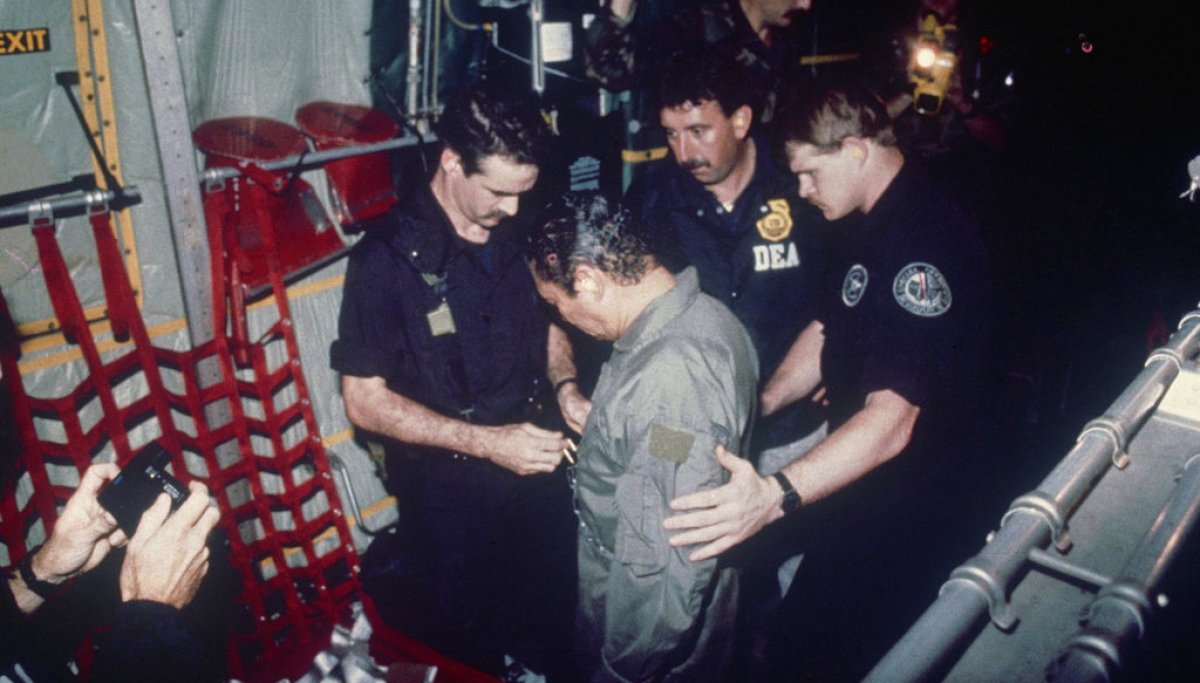
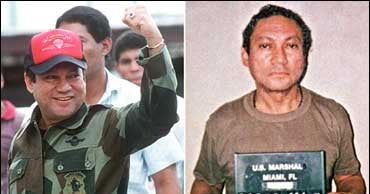
Liberal and conservative coverage also broadly agree on core contextual elements: that Maduro had ruled for more than a decade following Hugo Chávez, presiding over economic collapse, mass emigration, and an increasingly repressive security apparatus, and that his government had long been accused of involvement in large‑scale cocaine trafficking and collusion with criminal and guerrilla networks. Both sets of outlets situate the operation within a longer history of U.S. interventions in Latin America, often invoking the 1989–90 Noriega precedent as the closest analogy and noting that this capture occurred on or near the 36th anniversary of the U.S. seizure of the Panamanian leader. They recognize that Congress was not consulted beforehand and that lawmakers are now debating presidential war powers and the legality of cross‑border raids to arrest foreign heads of state. Finally, both sides report that Trump has signaled an intention for the U.S. to “run” or administer Venezuela on a transitional basis while shepherding the formation of a new government and overseeing a major role for U.S. oil companies in rebuilding Venezuela’s crippled energy sector, though they diverge sharply in how they characterize and evaluate that plan.
Areas of disagreement
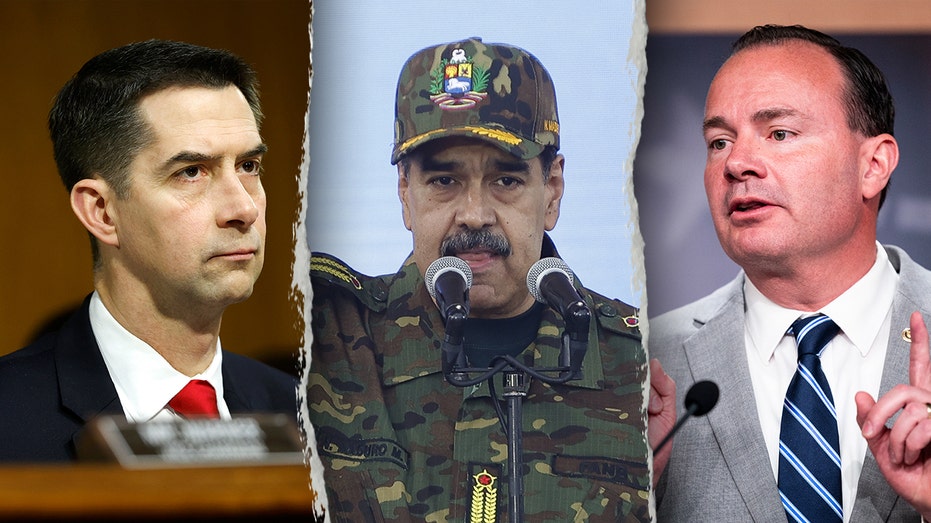
Legality and sovereignty. Liberal-aligned sources overwhelmingly frame the raid as an illegal act of aggression and regime change that violates the UN Charter and Venezuelan sovereignty, emphasizing expert views that U.S. self‑defense claims are flimsy and that bypassing Congress erodes constitutional checks. Conservative outlets, by contrast, lean on sympathetic legal scholars who argue that existing indictments, precedents like Noriega, and the president’s commander‑in‑chief authority justify a limited operation to seize indicted criminals, portraying the mission as a lawful extension of U.S. law enforcement power abroad.
Motives and objectives. Liberal coverage tends to cast the operation as driven by a mix of domestic politics and resource ambitions—describing it as a distraction from Trump scandals, a bid to seize or “take control of” Venezuelan oil, and a revival of sphere‑of‑influence thinking rather than a genuine concern for Venezuelan democracy. Conservative reporting foregrounds narco‑terrorism, regional security, and the fight against socialism, presenting Maduro’s capture as a principled stand against a brutal, illegitimate regime and a strategic message to adversaries such as China, Cuba, Iran, and other authoritarian states that threaten U.S. interests in the hemisphere.
Nation‑building and running Venezuela. Liberal outlets highlight Trump’s vow to “run” Venezuela and invite U.S. oil companies as evidence of open imperialism and potentially open‑ended occupation, warning about a replay of past quagmires and questioning his capacity and intent for credible democratic transition. Conservative coverage generally treats temporary U.S. administration as a necessary stabilizing measure and an opportunity to rebuild institutions and the oil industry, though some right‑leaning analyses express unease that Trump’s rhetoric about long‑term control and repayment for seized property blurs the line between a targeted justice mission and full‑scale regime‑change nation‑building.
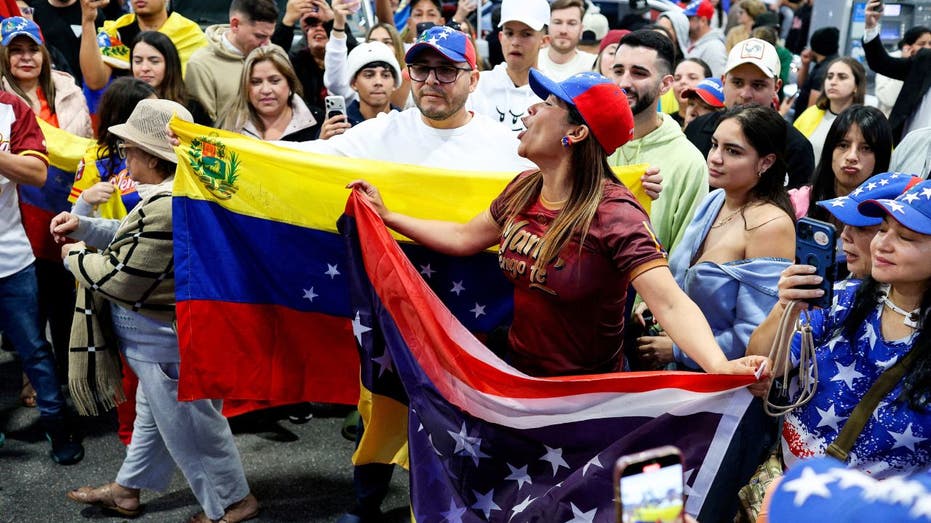
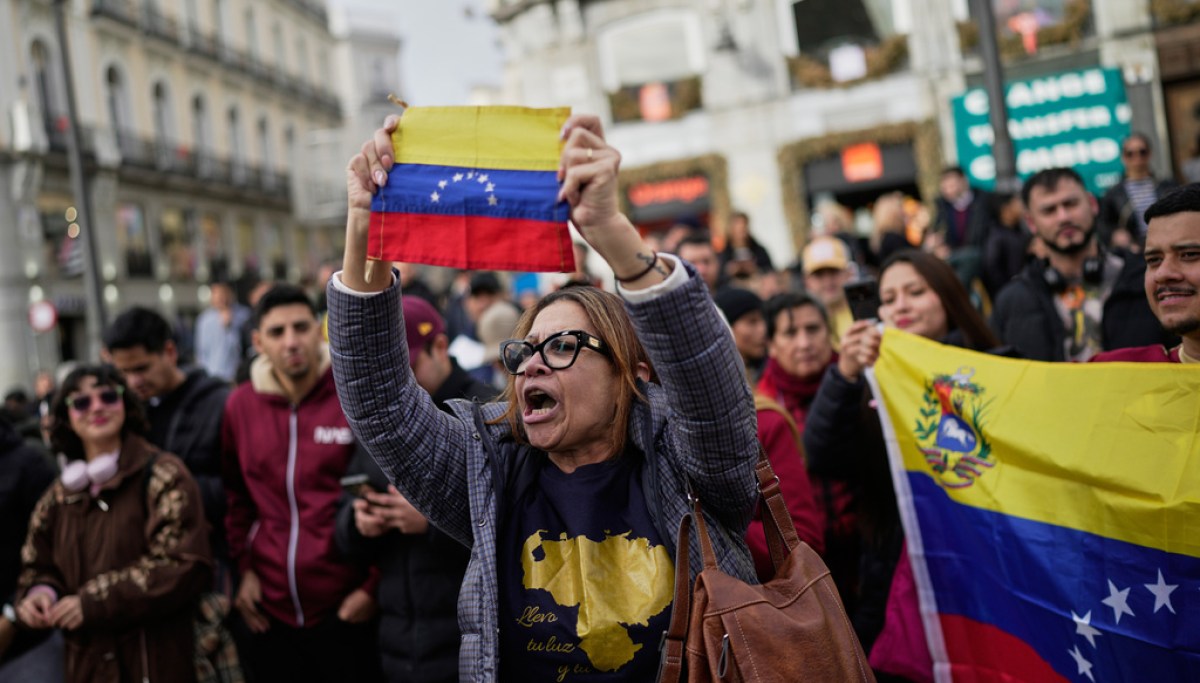
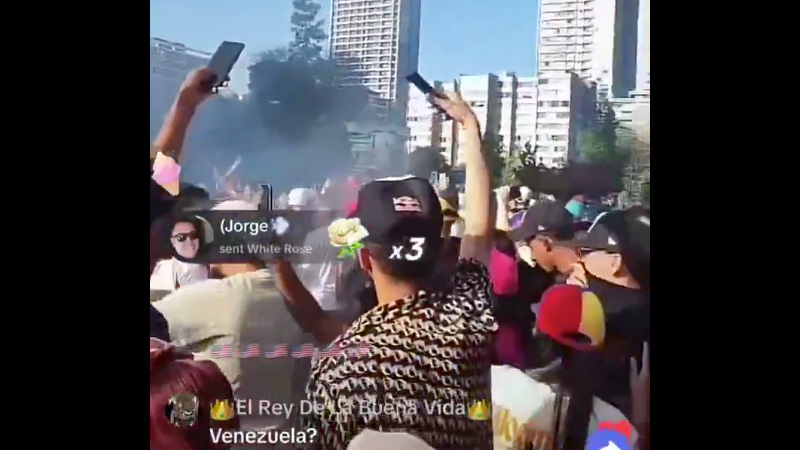
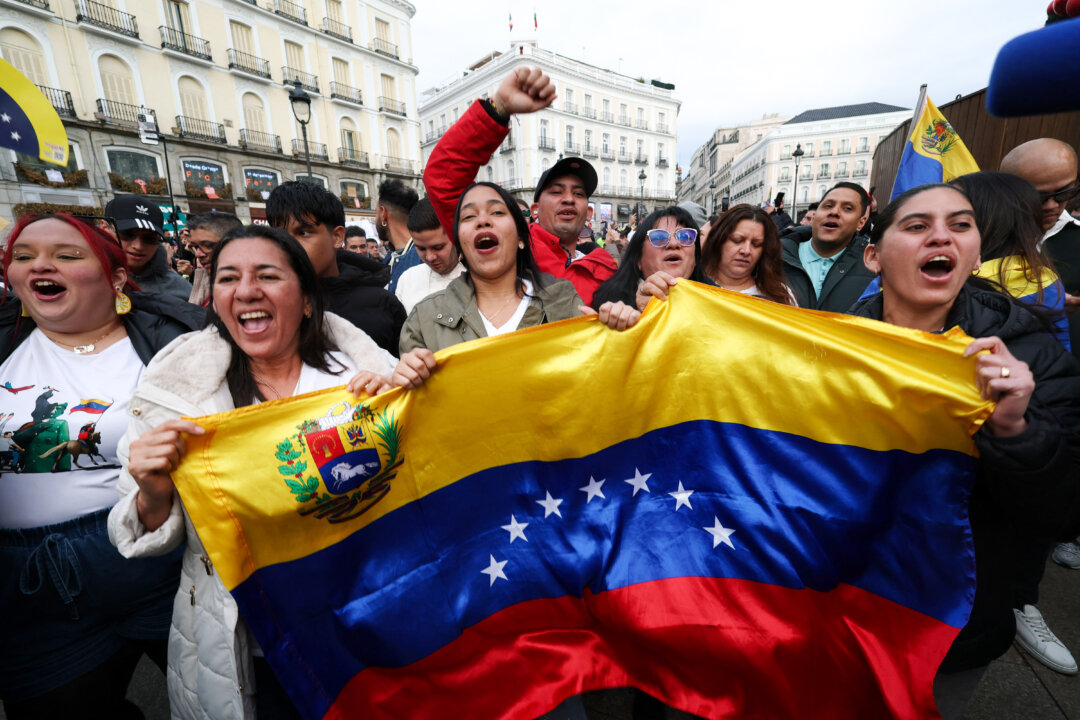
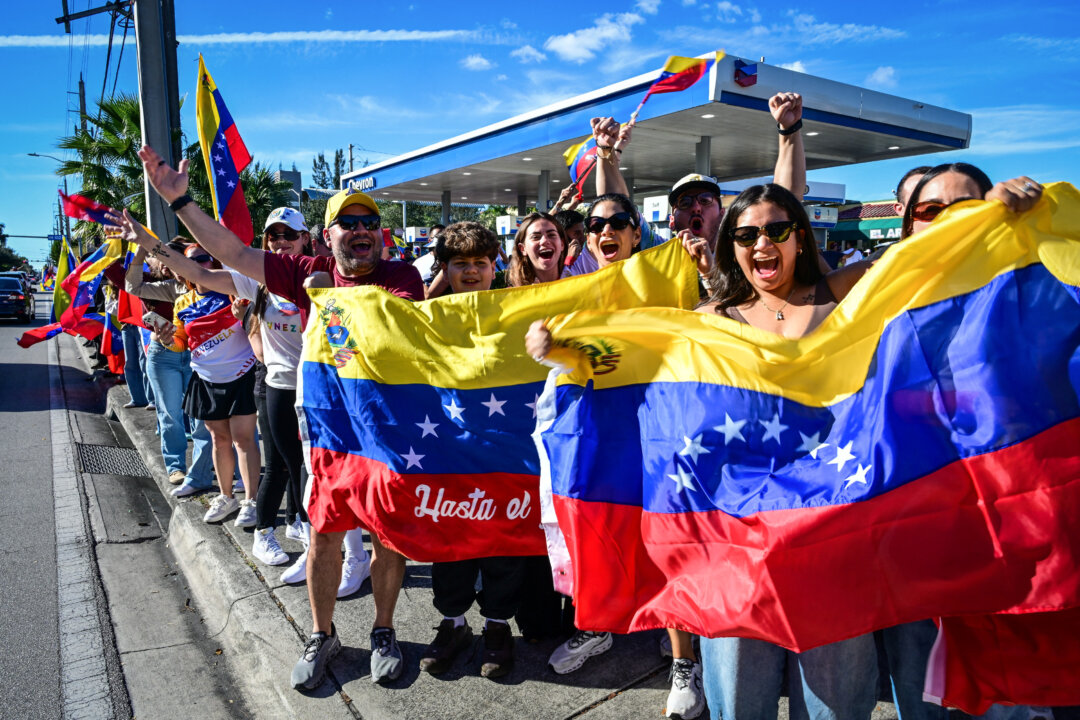
Human costs and regional fallout. Liberal reporting dwells more on civilian fear in Caracas, possible collateral damage—including reports of Cuban personnel killed—international condemnation, and the risk of escalation or copycat interventions by other powers, arguing the strike sets a “dangerous precedent” that undermines global norms. Conservative pieces more often stress that there were no reported U.S. combat deaths, depict the strikes as “surgical,” and highlight scenes of Venezuelans in Caracas, Florida, and Europe celebrating Maduro’s fall, while acknowledging uncertainty about governance, migration, and potential blowback but treating these as manageable challenges compared with the benefits of removing a narco‑dictator.
In summary, liberal coverage tends to depict the Maduro operation as a reckless, likely unlawful act of U.S. imperial overreach driven by oil and domestic politics and fraught with humanitarian and legal risks, while conservative coverage tends to portray it as a bold, largely legal and morally justified mission that liberated Venezuelans from a criminal dictatorship and reasserted American leadership despite some acknowledged complexities.
Story coverage