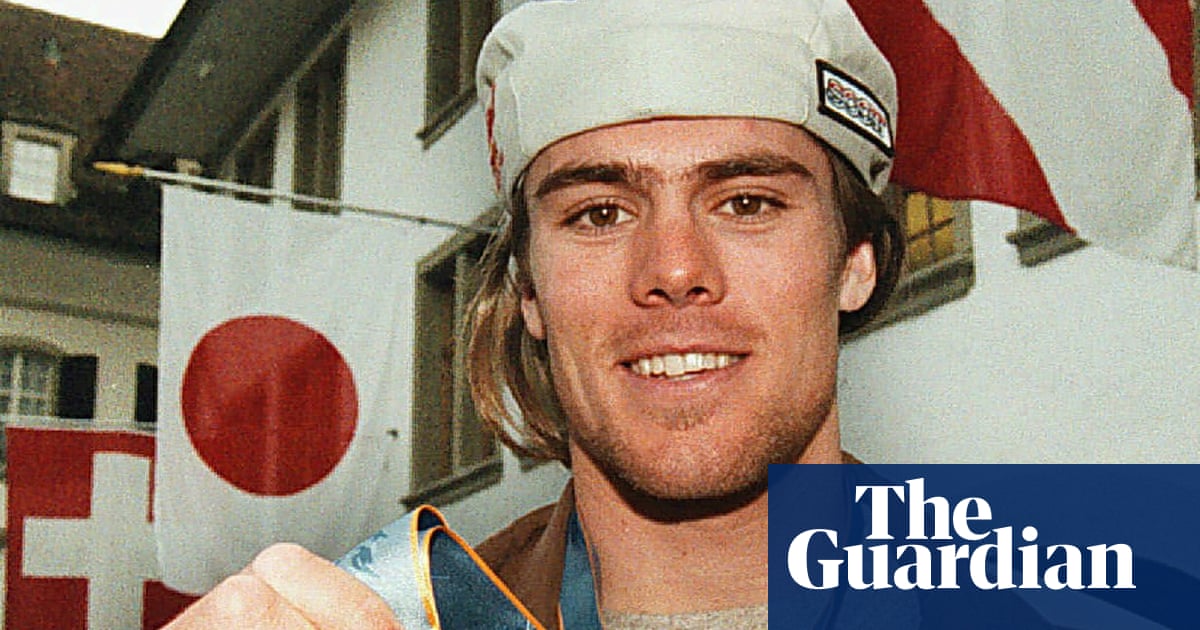
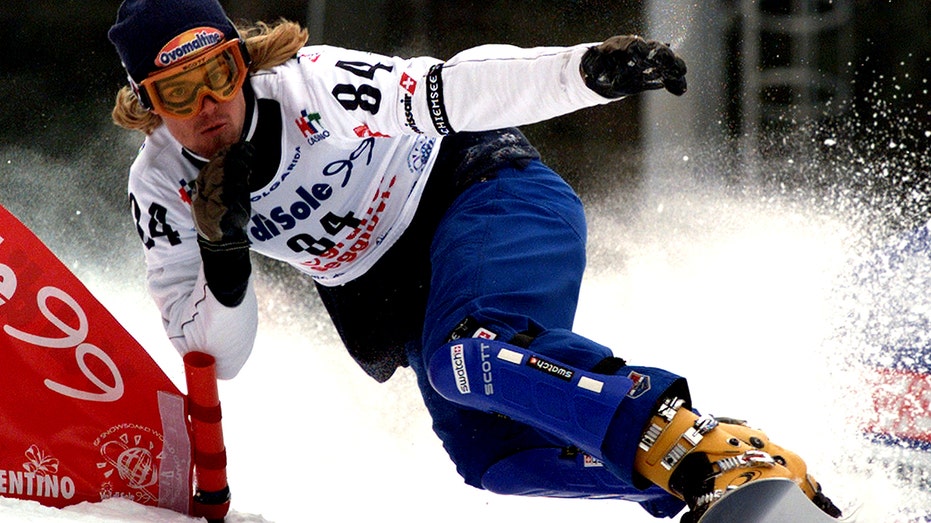
Swiss and international outlets across the spectrum report that Swiss snowboarder Ueli Kestenholz, a pioneering figure in the sport and a bronze medalist at the 1998 Nagano Winter Olympics, has died at age 50 after being caught in an avalanche in Switzerland. Both liberal and conservative-leaning coverage agree that the incident occurred while he was snowboarding with a friend in the Lötschental valley, that he was buried by the slide, rescued by his companion, and airlifted to a hospital, where he later died from his injuries; no major outlet suggests foul play or any cause other than a natural avalanche.
Across ideological lines, coverage highlights that Kestenholz won the first Olympic medal in snowboarding’s debut at the Winter Games, competed in subsequent Olympics, and later carved out a career in extreme and outdoor sports beyond traditional competition. Both sides emphasize his status as a pioneer and influential ambassador for snowboarding and backcountry adventure, note the inherent risks of high-mountain sports, and frame his death as a tragedy for the winter-sports community rather than a politically charged event.
Areas of disagreement
Emphasis of legacy. Liberal-aligned sources tend to foreground Kestenholz’s Olympic career and his role in popularizing snowboarding as a mainstream sport, dwelling on his Nagano performance and subsequent Games. Conservative-leaning outlets more often stress that his 1998 bronze represented the sport’s first Olympic medal and a milestone in Olympic history, giving slightly more weight to the symbolic significance of that achievement. Both recognize his broader contributions, but liberals frame him primarily as an athlete and cultural figure, while conservatives more often situate him in the narrative of Olympic and extreme-sports milestones.
Risk and adventure framing. Liberal coverage generally treats the avalanche as a reminder of the dangers associated with backcountry and extreme sports, sometimes implicitly underscoring safety and environmental unpredictability without moralizing about personal choices. Conservative coverage tends to highlight Kestenholz’s identity as a professional outdoor and extreme-sports athlete, framing the incident within a narrative of personal courage, risk-taking, and the acceptance of inherent dangers. The result is that liberal outlets lean toward a cautionary tone about nature’s hazards, while conservative outlets lean toward celebrating his adventurous spirit despite those hazards.
Context around sport and culture. Liberal-leaning stories are more likely to place Kestenholz within broader cultural shifts that normalized snowboarding, acknowledging how once-countercultural sports gained Olympic legitimacy and mainstream appeal. Conservative-leaning coverage leans more into the institutional side of that shift, emphasizing the significance of snowboarding’s Olympic debut and his place in the official record. Both see him as pivotal to snowboarding’s rise, but liberals highlight cultural integration and identity, while conservatives emphasize formal milestones and competitive achievement.
In summary, liberal coverage tends to center Kestenholz’s role in the cultural mainstreaming of snowboarding and the sobering risks of backcountry sport, while conservative coverage tends to stress his pioneering status in Olympic history and frame his death within a narrative of individual adventure and accepted risk.