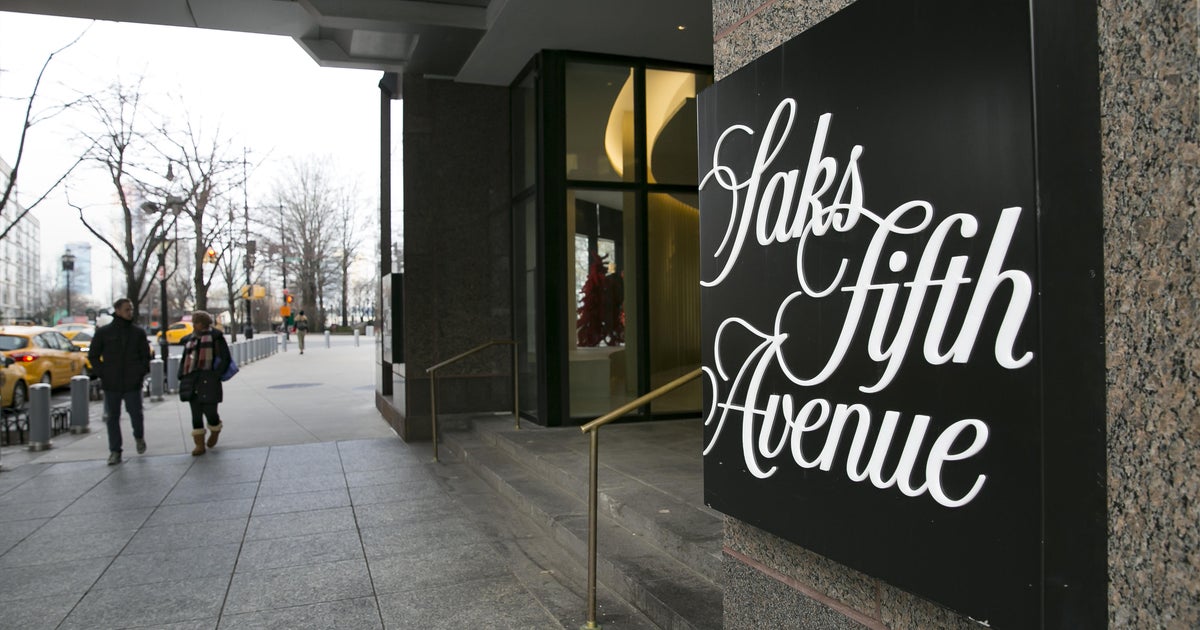


Saks Global, the luxury retail group that owns Saks Fifth Avenue, Neiman Marcus, and Bergdorf Goodman, has filed for Chapter 11 bankruptcy protection in U.S. court after running out of available cash and missing a roughly $100 million interest payment. Both liberal- and conservative-aligned outlets agree that the company had taken on heavy debt connected to its takeover of Neiman Marcus a little over a year earlier, that the filing is intended to allow the business to keep stores open while it restructures, and that a new chief executive, Geoffroy van Raemdonck, has been brought in to oversee the process. Coverage across the spectrum notes that Saks has lined up around $1.75 billion in debtor-in-possession financing to fund operations during the case, that unsecured creditors face potential losses, and that the value of some existing investments and stakes in the company has effectively been wiped out.
Accounts from both sides also converge on the broader context: Saks Global’s collapse is portrayed as the product of a troubled luxury department-store model confronting rising competition, high leverage from private-equity-style deals, and shifting consumer behavior. Liberal and conservative reports describe a century-old, once-dominant high-end retailer struggling to adapt as spending patterns move online and toward niche brands, with the Neiman Marcus acquisition compounding financial stress rather than delivering the expected synergies. They agree the Chapter 11 process is designed to reduce debt, renegotiate obligations to landlords and suppliers, and attempt an operational turnaround without an immediate liquidation of stores, while illustrating how even iconic institutions are vulnerable when aggressive expansion and debt-fueled takeovers collide with changing market conditions.
Areas of disagreement
Responsibility and blame. Liberal-aligned outlets tend to stress mismanagement around the takeover, pointing to the rapid depletion of hundreds of millions of dollars, missed budgets, and an unsustainable capital structure as self-inflicted wounds by Saks’ owners and executives. Conservative-leaning coverage emphasizes the weight of competition and market forces, casting the bankruptcy more as the predictable result of overexpansion in a cutthroat retail environment than as a uniquely managerial failure. Where liberal sources spotlight strategic errors and aggressive deal-making, conservative sources more often present those decisions as rational but unlucky bets in a tough sector.
Role of creditors and big tech. Liberal sources give significant attention to Amazon’s claims that its $475 million stake has become worthless and its effort to block Saks Global’s proposed financing plan as unfair to existing creditors. They frame Amazon as a powerful stakeholder trying to protect itself from being pushed down the repayment line by new debt layered into the restructuring. Conservative coverage, by contrast, either downplays Amazon’s role or treats it as one creditor among many, focusing less on the power dynamics between tech and retail and more on the overall creditor hierarchy typical of Chapter 11 cases.
Interpretation of the financing package. Liberal-oriented reporting highlights concerns that the $1.75 billion financing package could worsen long-term indebtedness and further disadvantage unsecured creditors, presenting it as a contested move that may entrench certain lenders. Conservative outlets tend to portray the same financing as a necessary lifeline to preserve jobs, maintain operations, and give the company a chance to restructure successfully, with less emphasis on distributive fairness. This leads liberals to emphasize potential harms to suppliers and partners, while conservatives stress the stabilizing function of debtor-in-possession funding.
Broader systemic critique. Liberal coverage is more likely to situate Saks Global’s collapse within a broader critique of leveraged buyouts and financialization, arguing that debt-heavy ownership structures hollow out even iconic retailers. Conservative coverage, when it widens the lens, more often frames the event as a case study in the risks of expansion and the need for market discipline, implying that failing firms must restructure or exit so resources can be reallocated. Thus liberals lean toward questioning the system that encourages such leverage, while conservatives lean toward reaffirming market competition and responsibility for overextension.
In summary, liberal coverage tends to foreground managerial missteps, creditor conflicts, and the structural problems of debt-fueled takeovers, while conservative coverage tends to emphasize competitive market pressures, the normalcy of restructuring in capitalism, and the role of financing as a pragmatic tool to keep the business alive.
Story coverage