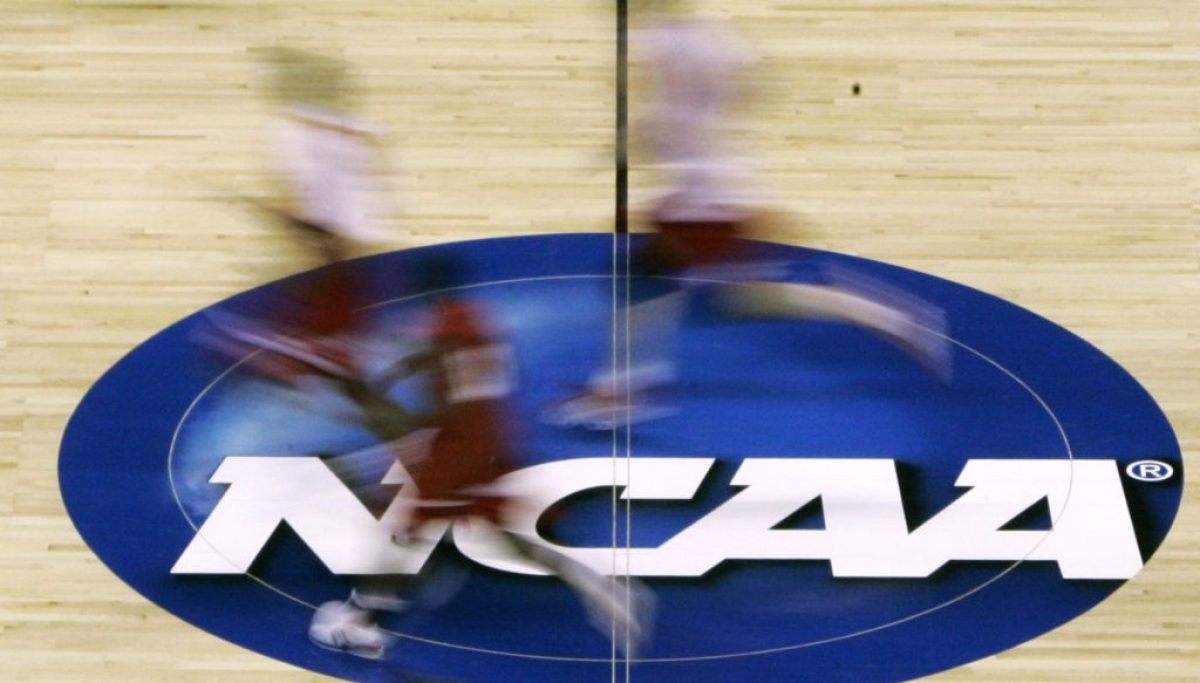

Federal prosecutors have charged 26 people in what officials are calling a massive, international scheme to rig college basketball games, primarily through point-shaving by NCAA Division I men's players. According to court documents and press conferences cited across the spectrum, the alleged conspiracy ran roughly from September 2022 through February 2024, began with bets on Chinese Basketball Association games, and then expanded to U.S. college contests. Players were allegedly bribed to miss shots, commit fouls, or otherwise underperform so that gamblers could profit on wagers, especially on point spreads and player props, with some games in the most recent season under suspicion. Coverage consistently notes that federal investigators used betting records, communications, and surveillance to build the case, that the Justice Department and U.S. attorneys are leading the prosecution, and that the NCAA has acknowledged the case and pledged cooperation.
Across outlets, reports agree that this scandal highlights the growing entanglement of college sports and legal sports betting markets, especially as wagering has expanded rapidly in many states. Both liberal and conservative coverage point to structural vulnerabilities created by relatively low levels of direct compensation for many college athletes, the explosion of online and mobile betting platforms, and the difficulty of monitoring a high volume of wagers and prop bets. There is shared recognition that integrity safeguards—by the NCAA, conferences, individual schools, and betting operators—failed to prevent or quickly detect the alleged manipulation, and that this case will likely spur new calls for tighter oversight. Common threads also include reference to previous point-shaving scandals in college basketball history, the role of offshore or international actors in modern betting schemes, and the likelihood of parallel NCAA disciplinary processes in addition to federal criminal charges.
Areas of disagreement
Framing of the scandal’s meaning. Liberal-leaning coverage tends to cast the scheme as a systemic integrity crisis born from the commercialization of college sports and the rapid normalization of sports betting, emphasizing how institutional changes outpaced regulation. Conservative outlets, by contrast, more often frame it as a criminal abuse of an otherwise legitimate betting market, stressing the role of bad actors rather than inherent flaws in the system. While liberals use the case as an example of why stronger guardrails and cultural caution around gambling are needed, conservatives tend to underscore that the laws and rules were already clear and were deliberately broken.
Causes and structural responsibility. Liberal sources generally highlight how financial pressures on athletes—despite NIL reforms—combined with aggressive marketing by sportsbooks make players especially vulnerable to bribery and coercion, spreading responsibility to the NCAA, universities, and regulators. Conservative coverage more commonly emphasizes individual responsibility of the players and gamblers, arguing that personal greed and a willingness to cheat, not economic hardship, drove the scheme. Where liberals connect the scandal to broader labor and power imbalances in college athletics, conservatives more often argue that such justifications risk excusing clear-cut wrongdoing.
Policy responses and regulation. Liberal-leaning reporting tends to call for tighter federal and state oversight of sports betting, including restrictions on certain bet types like player props in college games, stronger monitoring partnerships, and possibly new federal standards for integrity units. Conservative outlets are more cautious about expanded regulation, often warning against overreaction that could burden legal operators and infringe on states’ rights, while favoring more targeted enforcement and harsher penalties for offenders. Liberal pieces frequently mention the need to revisit the overall relationship between college sports and gambling, whereas conservative ones lean toward improving enforcement within the current legal betting framework.
Portrayal of institutions. Liberal coverage is more inclined to scrutinize the NCAA and universities for failing to adequately protect athletes and ensure game integrity, sometimes questioning whether the rush to monetize college sports has outpaced ethical safeguards. Conservative outlets tend to present the NCAA, schools, and licensed sportsbooks as largely cooperative partners of law enforcement that were themselves victimized by a small group of conspirators. Liberals often stress institutional accountability and reform, while conservatives focus on institutional cooperation and the importance of not undermining public confidence in the broader sports and betting industries.
In summary, liberal coverage tends to treat the scandal as evidence of deeper structural problems in the intertwining of college sports, athlete compensation, and legalized gambling that demand stronger regulation and institutional reform, while conservative coverage tends to emphasize individual criminal culpability, protect the legitimacy of existing betting markets and sports institutions, and favor targeted enforcement over sweeping new rules.