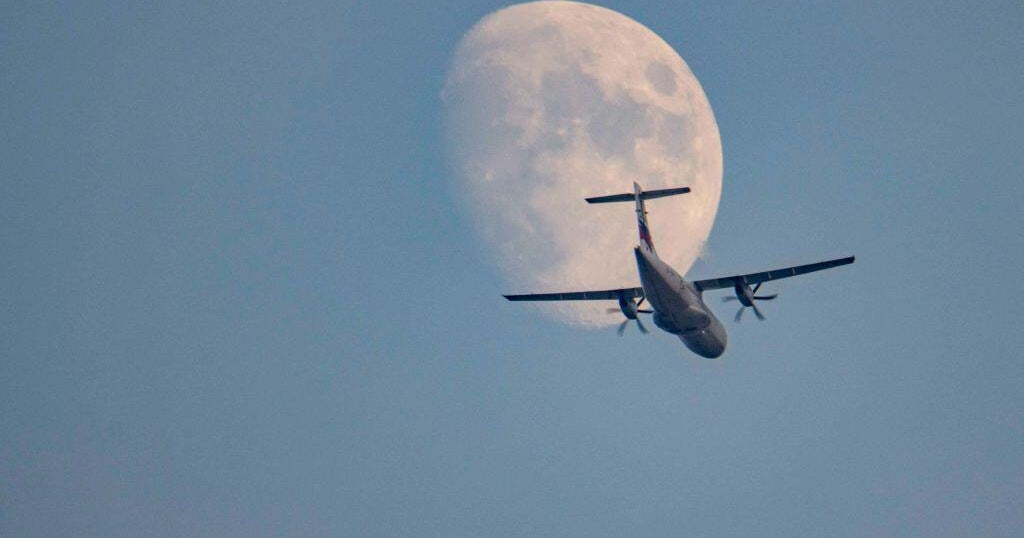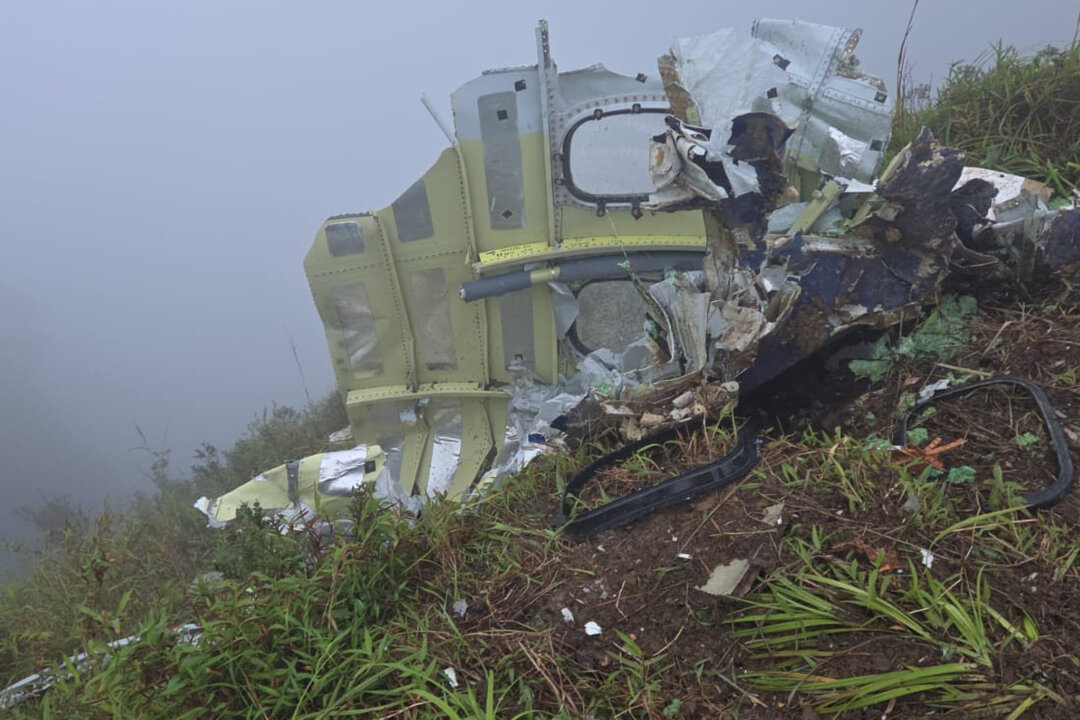


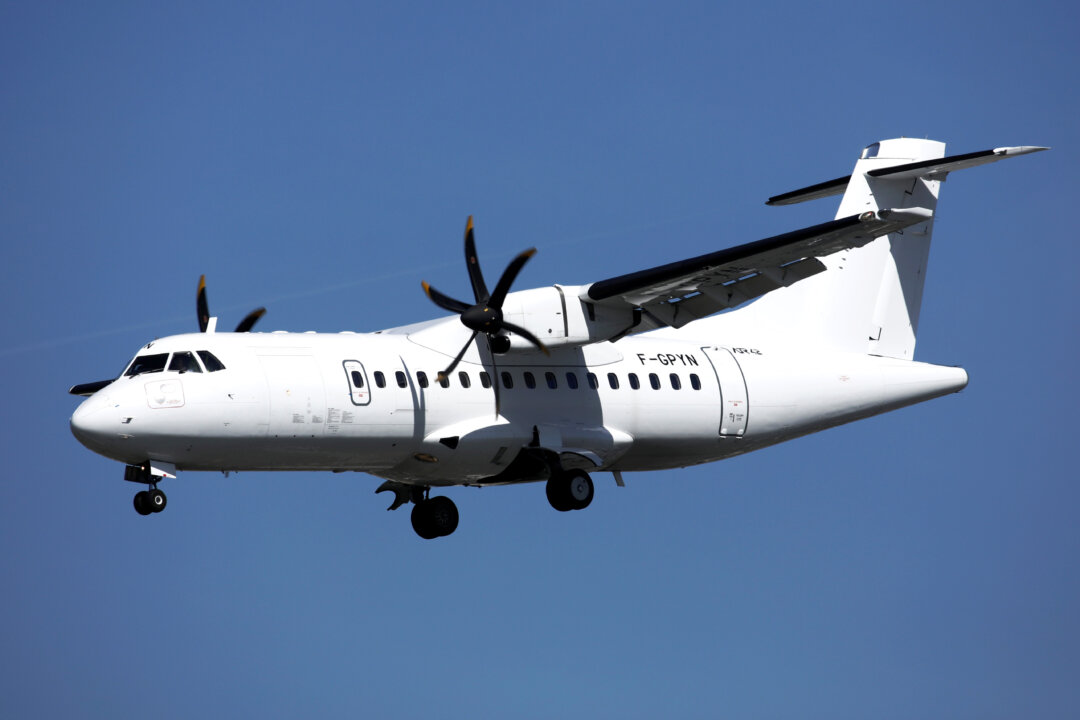
Indonesian and international coverage agree that a twin‑engine ATR 42‑500 aircraft with 11 people on board lost contact with air traffic control while flying over a mountainous region of South Sulawesi, Indonesia, and was later confirmed to have crashed. The plane, operated by Indonesia Air Transport and used as a fisheries surveillance aircraft, disappeared from radar on Saturday afternoon as it approached the Bulusaraung mountain area, prompting a large search‑and‑rescue mobilization involving ground teams, helicopters, and local hikers who reported debris and signs of fire on the slopes.
Across the spectrum, outlets note that the victims included seven crew members and three fisheries ministry staff among the passengers, that at least one body has been recovered near the wreckage on a mountain slope, and that authorities are still searching for the remaining people and investigating the cause. Reporting from both sides highlights the challenging terrain and weather as key factors complicating rescue and recovery, underscores Indonesia’s broader history of aviation and safety concerns in remote regions, and situates the crash within the context of ongoing government maritime surveillance and resource‑protection efforts.
Areas of disagreement
Nature of the mission and framing. Liberal‑aligned coverage tends to initially present the aircraft primarily as a regional passenger plane on a domestic route, emphasizing the civilian flight profile and human‑interest aspects of the missing passengers, while only briefly mentioning its surveillance role if at all. Conservative coverage more explicitly and consistently labels it a fisheries surveillance plane, stressing its government function, technical model, and ties to maritime enforcement as central to understanding the incident.
Emphasis on security versus safety systems. Liberal sources focus more on aviation safety, infrastructure challenges, and Indonesia’s record of crashes in difficult terrain, framing the event within systemic issues of air transport oversight and emergency response capacity. Conservative outlets, while also acknowledging difficult geography and weather, lean more into the plane’s role in fisheries protection and national resource security, implying that operational demands of surveillance flights may expose crews to higher‑risk conditions and that the crash intersects with broader law‑enforcement and state‑security missions.
Depth of institutional scrutiny. Liberal coverage more readily gestures toward questions about regulatory agencies, air traffic control procedures, and whether existing safety protocols for flights in mountainous regions are sufficient, sometimes hinting at the need for reforms or improved coordination. Conservative coverage generally maintains a narrower focus on the factual sequence of disappearance, wreckage discovery, and casualty updates, treating institutional performance as background rather than a focal point and avoiding strong insinuations of official negligence unless confirmed by investigators.
Human impact and narrative tone. Liberal‑leaning outlets place slightly greater emphasis on the passengers’ and crew members’ personal stories, the anxiety of waiting families, and the psychological toll on local communities, using these angles to frame the crash as part of a broader pattern of vulnerabilities in Indonesian aviation. Conservative outlets cover casualties and families as well, but their tone is more matter‑of‑fact and operational, centering on search logistics, technical details of the aircraft, and the functional disruption to fisheries surveillance rather than extended human‑interest storytelling.
In summary, liberal coverage tends to frame the crash through a lens of civilian aviation safety, human impact, and potential systemic shortcomings, while conservative coverage tends to highlight the aircraft’s surveillance role, operational facts, and the incident’s implications for state and resource‑protection missions.