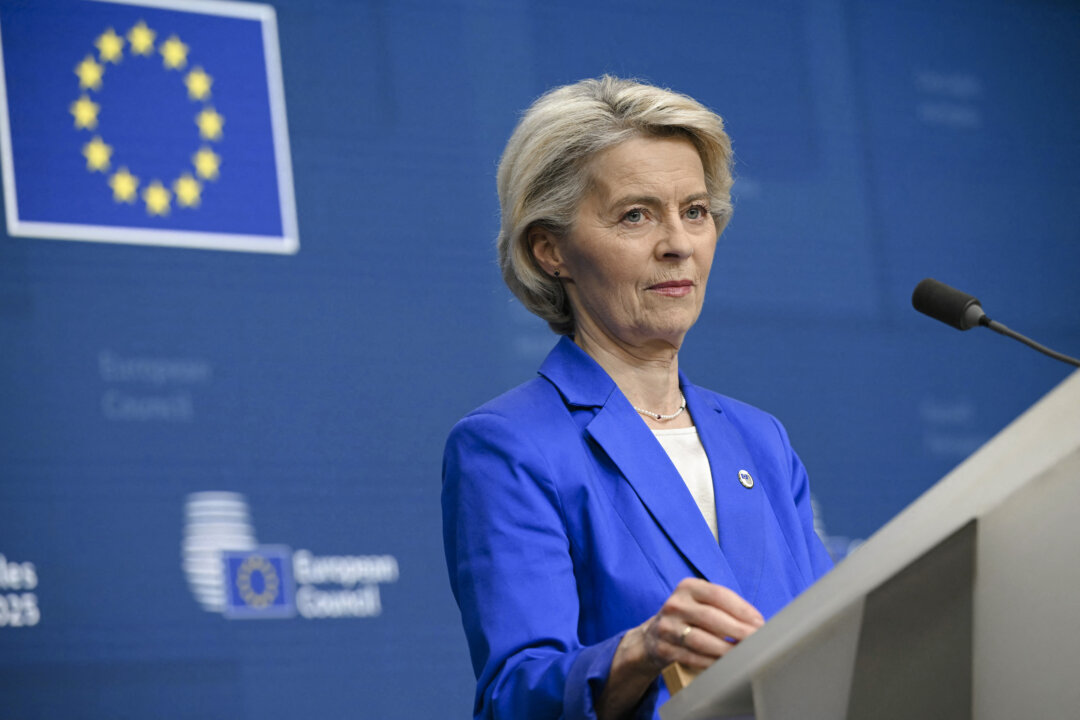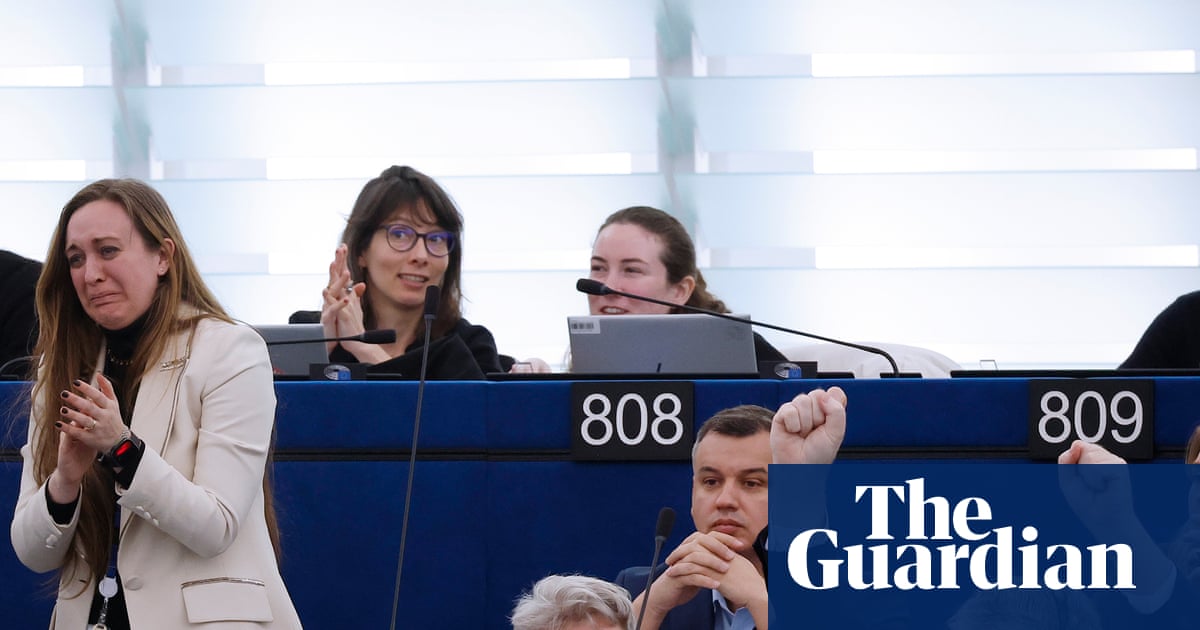

The European Parliament has halted ratification and legislative work on a planned EU-US trade deal in direct response to President Donald Trump’s threat to impose tariffs on EU exports if the bloc does not accept his proposed Greenland takeover. Coverage across liberal- and conservative-aligned outlets agrees that European lawmakers view the tariff threat as unacceptable pressure, that committee leaders in the Parliament have publicly said negotiations cannot continue under such conditions, and that any forward movement on the trade pact is contingent on Washington withdrawing the tariff threats. Both sides also concur that the EU is openly weighing retaliatory steps, including the possible use of an Anti-Coercion Instrument and the imposition of counter-tariffs on US exports, and that this marks the sharpest escalation in EU institutional pushback to Trump’s Greenland-linked trade pressure so far.
Liberal and conservative sources both describe a shared institutional context in which the European Parliament must ratify trade deals and can pause or block them when it believes agreed rules are being undermined, especially by unilateral tariff threats. They also agree that Trump’s Greenland initiative is being treated in Brussels not as a normal commercial negotiation but as a geopolitical and sovereignty-sensitive issue that complicates trade cooperation. Across the spectrum, outlets note that EU trade policy tools such as the Anti-Coercion Instrument are designed specifically to deter or answer perceived economic blackmail, and that their possible activation signals a broader EU effort to defend its autonomy and rules-based trade framework. Both sides further acknowledge that the episode fits into a longer pattern of friction in transatlantic economic relations when US administrations resort to tariffs or tariff threats to advance non-trade objectives.
Areas of disagreement
Responsibility and blame. Liberal-aligned coverage emphasizes Trump’s role as the primary aggressor, framing the tariff threats over Greenland as blatant economic blackmail and portraying the EU Parliament’s suspension of the deal as a necessary defense of European sovereignty and rules-based trade. Conservative-leaning accounts, while acknowledging Trump’s tough posture, more often present the EU’s move as an overreaction or a negotiating tactic that unnecessarily escalates tensions. Liberals generally highlight the Greenland takeover bid as illegitimate leverage that violates the spirit of the trade pact, whereas conservatives tend to fold it into a broader narrative of Trump using hardball trade measures to protect national interests.
Legitimacy of the EU response. Liberal outlets describe the Parliament’s suspension and the possible activation of the Anti-Coercion Instrument as measured, rule-based tools calibrated to counter coercive economic threats and preserve the integrity of the trade agreement. Conservative sources more frequently question whether freezing the trade deal is proportionate, suggesting it risks harming mutually beneficial commerce and may be driven by anti-Trump sentiment within EU institutions. While liberals frame the EU’s threatened counter-tariffs as a justified deterrent, conservatives caution that such steps could deepen a trade rift and undercut broader strategic cooperation between Europe and the United States.
Characterization of the broader stakes. Liberal coverage situates the dispute within a narrative of democratic institutions resisting unilateralism, arguing that the episode underscores Europe’s determination to stand up to extraterritorial pressure and protect smaller territories like Greenland from being treated as bargaining chips. Conservative reporting tends to minimize the sovereignty drama and instead frames the clash as part of Trump’s ongoing effort to rebalance trade and assert US leverage, suggesting that short-term friction may be the price of a better long-term deal. Liberals stress the risk of normalizing coercive trade practices, while conservatives highlight the potential upside of using tariffs as a tool to secure concessions.
Impact on transatlantic relations. Liberal-aligned sources warn that Trump’s Greenland tariff gambit and the EU’s firm response could inflict lasting damage on transatlantic trust, reinforcing European moves toward strategic autonomy and more defensive trade instruments. Conservative outlets, by contrast, often cast the standoff as a temporary negotiating impasse that can be resolved once both sides step back from maximalist positions, and they downplay the likelihood of a permanent rupture. Liberals link the episode to a broader erosion of multilateral norms, whereas conservatives regard it as a tough but ultimately manageable phase in a long-standing alliance.
In summary, liberal coverage tends to frame the EU’s suspension of the trade deal as a principled, rules-based stand against Trump’s coercive Greenland-linked tariff threats, while conservative coverage tends to see it as a heavy-handed or politicized reaction to a hard-nosed US negotiating strategy that need not permanently damage transatlantic ties.
Story coverage