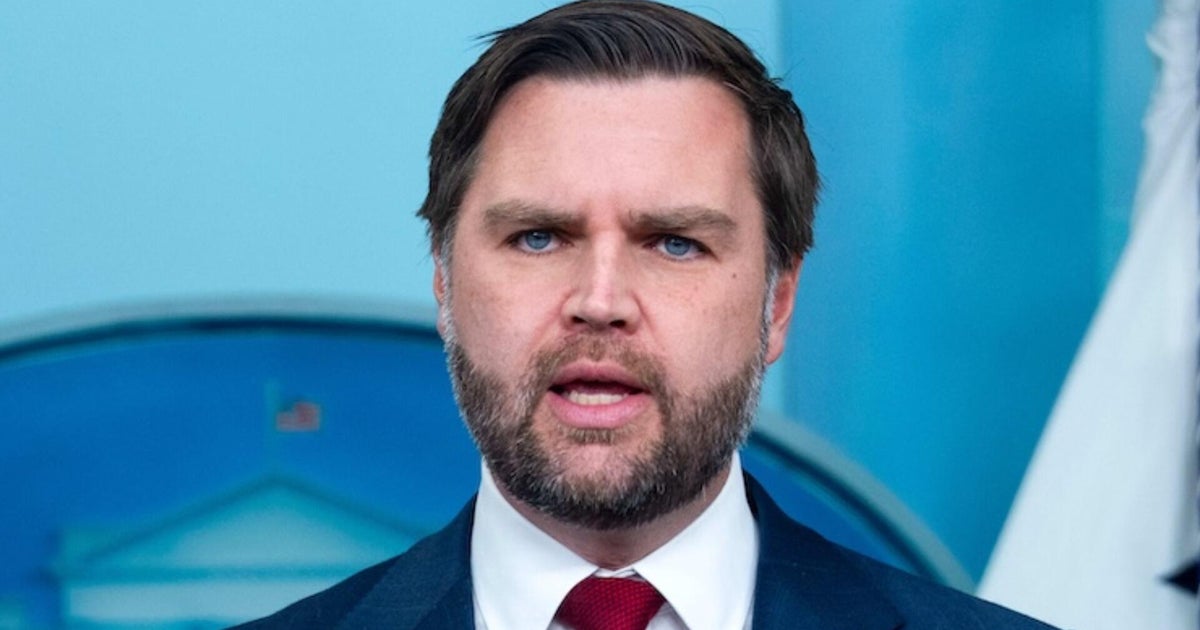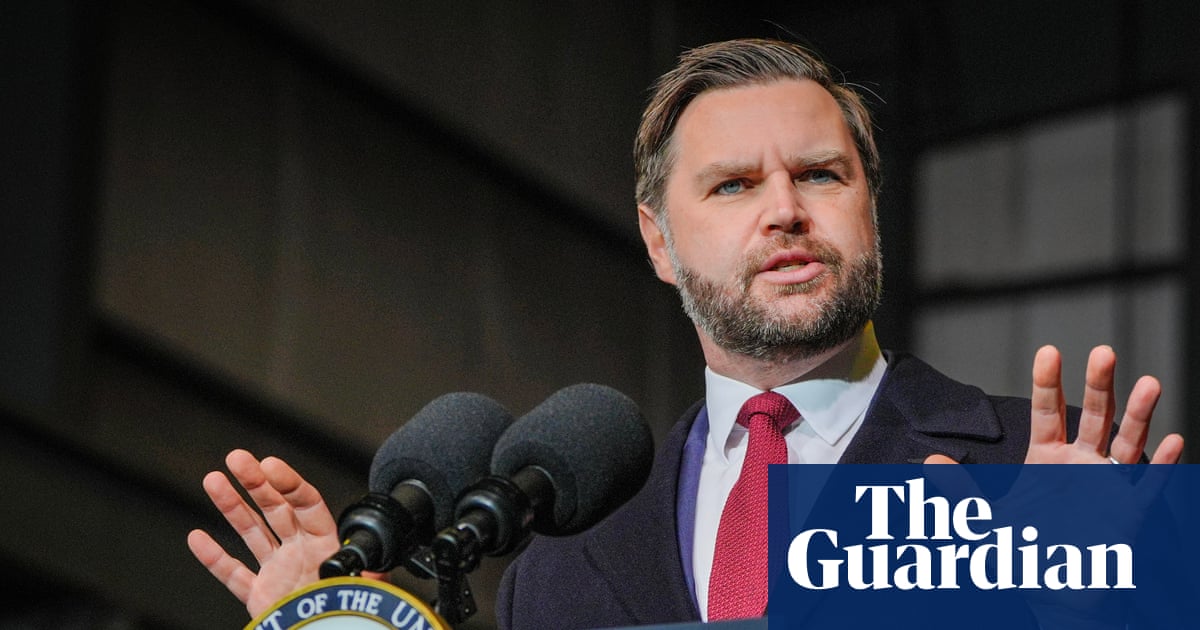


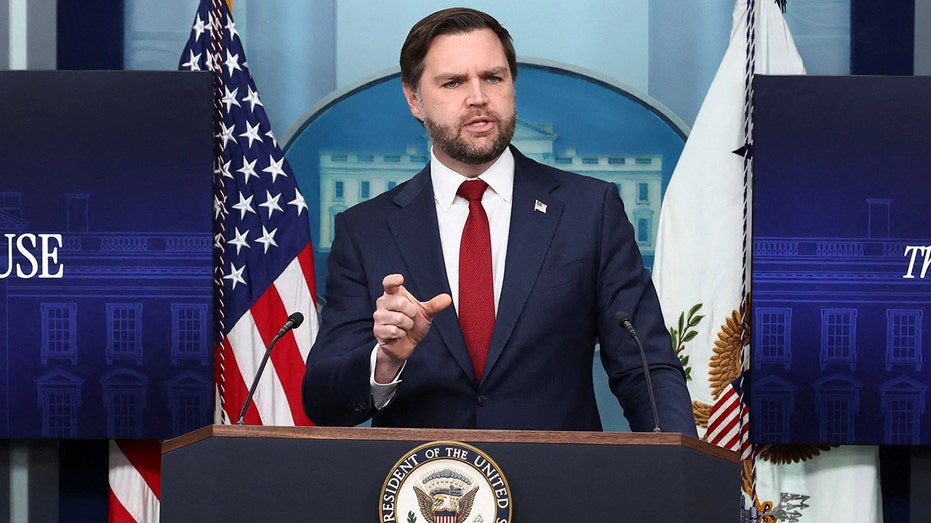
Vice President JD Vance is visiting Minneapolis, Minnesota, for a scheduled Thursday stop focused on federal immigration enforcement and public safety amid heightened tensions over ICE operations. Both liberal and conservative coverage agree that the visit is framed around “restoring law and order” and supporting ICE agents during an aggressive deportation campaign, taking place as federal authorities ramp up arrests and issue subpoenas to Minnesota officials. Reports from both sides note recent flashpoints, including an ICE agent-involved shooting and at least one local death during an ICE raid, as well as visible protests and unrest surrounding the crackdown. Outlets across the spectrum acknowledge that the city’s and state’s Democratic leadership, including Governor Tim Walz, are central interlocutors, and that Minnesota officials have been subpoenaed in connection with the federal government’s enforcement push.
Liberal and conservative sources concur that Minneapolis’ status as a so‑called sanctuary jurisdiction and broader disputes over cooperation with ICE form the backdrop for Vance’s visit, with local and federal institutions clashing over immigration priorities. Both sides describe the White House’s approach as an intensive immigration crackdown involving ICE surges, DOJ investigations, and legal battles over the use of force by agents. Coverage agrees that local officials reject Department of Homeland Security claims that they are routinely releasing serious offenders, and that immigration attorneys report that non‑criminal immigrants have been swept up in operations, further inflaming tensions. Across outlets, Vance’s trip is portrayed as both a symbolic and practical intervention in an ongoing federal‑local standoff over who controls immigration policy implementation on the ground and how those policies intersect with community safety and civil rights.
Areas of disagreement
Responsibility and blame. Liberal coverage emphasizes federal responsibility for the unrest, portraying the White House’s aggressive deportation tactics and ICE’s conduct—especially the shooting and death during a raid—as primary drivers of chaos and fear. It highlights local officials’ and advocates’ claims that indiscriminate enforcement is destabilizing communities and that DHS is mischaracterizing their policies. Conservative coverage, by contrast, heavily foregrounds Vance’s argument that “far‑left” state and local leaders, and their refusal to cooperate with ICE, are to blame for dangerous conditions and operational chaos, framing federal actions as necessary responses to local obstruction.
Characterization of ICE operations. Liberal‑aligned outlets focus on reports that people without criminal records are being detained, underscore concerns about excessive force, and frame ICE actions as part of a politicized crackdown that sweeps broadly and disproportionately harms immigrant communities. They cast the recent death and shooting as emblematic of systemic problems in federal enforcement. Conservative outlets describe the same operations as a legitimate effort to remove dangerous individuals and restore public safety, downplay or contextualize allegations of overreach, and stress that ICE agents are operating in an increasingly hostile environment created by local non‑cooperation.
Portrayal of local and state officials. Liberal coverage presents Minneapolis and Minnesota leaders as trying to balance community safety with civil rights, disputing DHS claims about releasing criminals and questioning the intent behind federal subpoenas as possibly punitive or political. It often highlights their critiques of the administration’s approach and their calls for accountability and clearer rules governing agent conduct. Conservative coverage instead depicts these officials as ideological opponents of immigration enforcement, whose sanctuary‑style policies and public resistance to ICE undercut the rule of law and force the federal government to escalate its tactics in places like Minneapolis.
Framing of Vance’s visit and broader agenda. Liberal outlets tend to frame Vance’s trip as a political move to double down on Trump administration immigration priorities, shore up a “law and order” brand, and shift blame for unrest away from Washington, questioning whether the visit will truly de‑escalate tensions. They emphasize protests and criticism surrounding his appearance and the broader deportation campaign. Conservative outlets frame the visit as a necessary show of support for frontline agents and law‑abiding residents, portraying Vance as stepping in to calm tensions, demand cooperation, and spotlight the alleged failures of progressive governance in Minneapolis.
In summary, liberal coverage tends to frame Vance’s Minneapolis visit as a politicized push to legitimize a heavy‑handed, destabilizing immigration crackdown and deflect responsibility from federal actions, while conservative coverage tends to present it as a principled intervention to support ICE, restore order, and correct the harms caused by sanctuary‑style resistance from local Democratic officials.
Story coverage