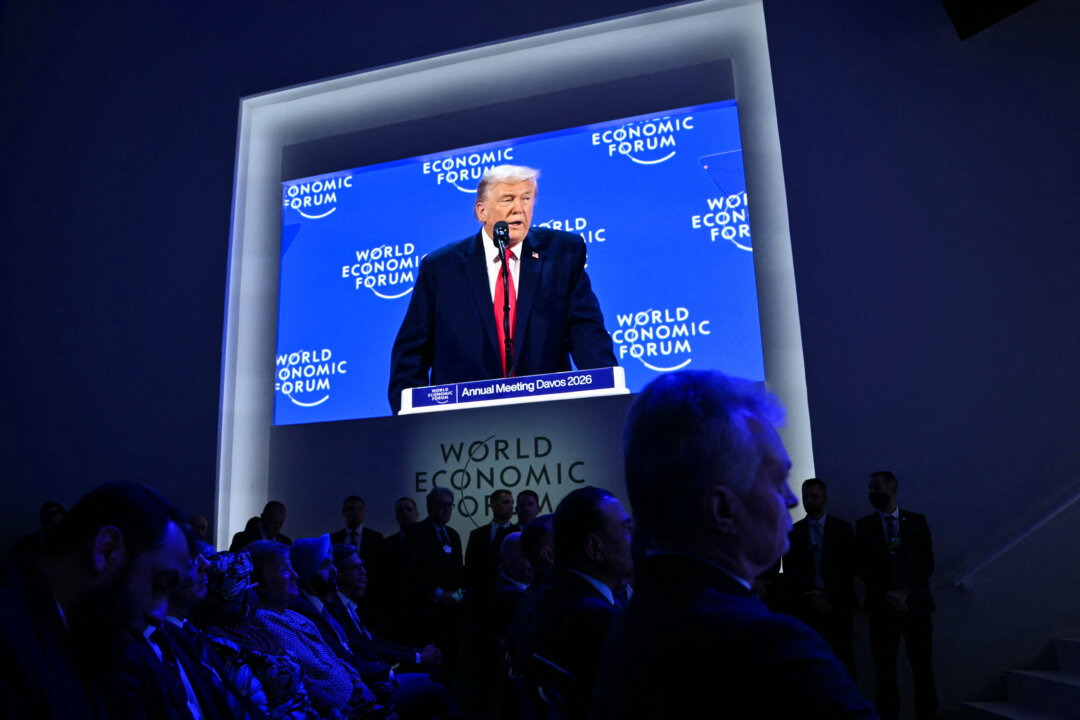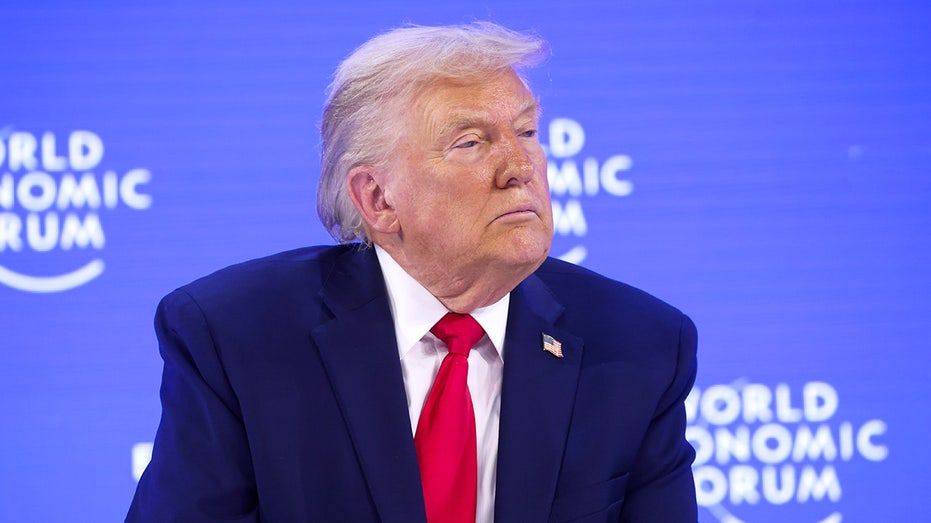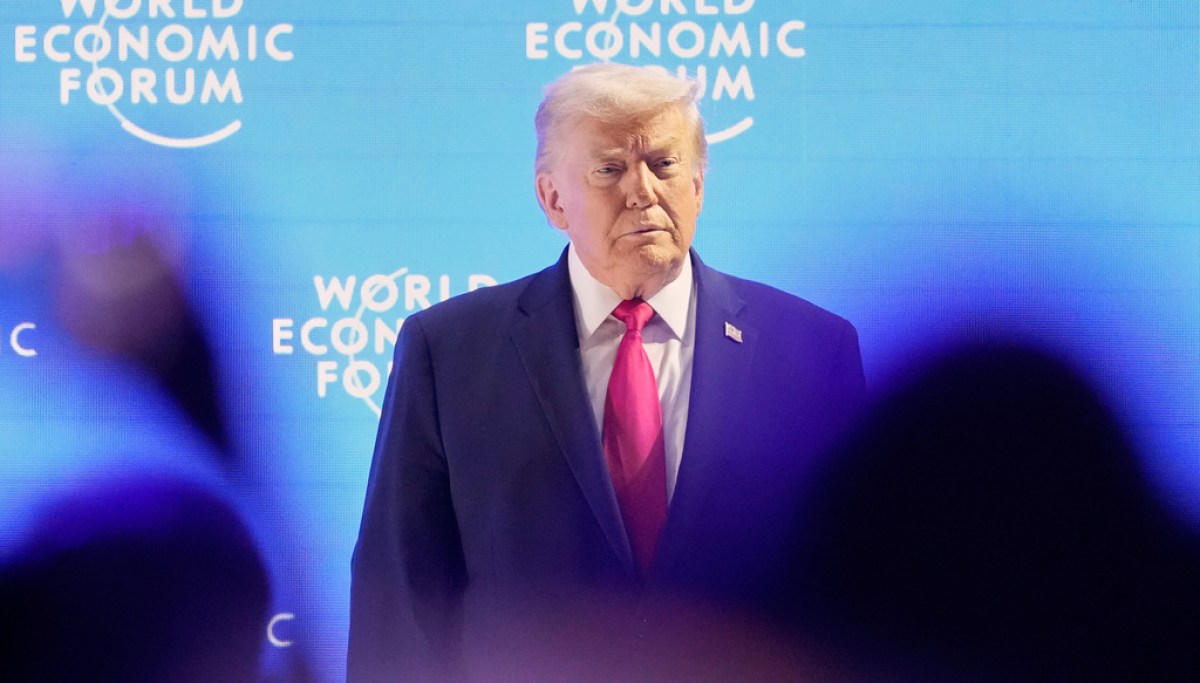



Trump’s Davos comments about Greenland are reported across the spectrum as a declaration that the United States will not use military force to acquire the island, even as he asserts that the U.S. could take it by “excessive strength and force” if it chose to. Coverage agrees that he framed Greenland as strategically vital, situated between major powers and key to national security, and that he coupled his renunciation of force with pressure on Denmark and European allies, including talk of tariffs and hints of consequences if a deal is not reached. Both sides note this occurred at the World Economic Forum in Davos, Switzerland, in a high-profile speech delivered as president, and that he referenced earlier American involvement in Greenland, including a post–World War II trustee relationship.
Liberal and conservative outlets also broadly concur that Greenland is a semi-autonomous Danish territory and that any transfer would have to involve Denmark and Greenland’s own authorities, underlining that Trump’s demands collide with established norms of sovereignty and self-determination. They agree that the remarks come after earlier episodes in which Trump floated the idea of buying Greenland and drew diplomatic pushback from Denmark, and that his Davos speech resurrected the concept with a mix of strategic argument and brinkmanship. Both sides recognize NATO and transatlantic relations as the institutional backdrop, with Trump invoking the alliance and trade leverage as tools, and they present Greenland’s location in the Arctic and its growing geopolitical and climate-related importance as the underlying reason the island features in U.S. strategic thinking.
Areas of disagreement
Serious policy vs. political theater. Liberal-aligned coverage tends to frame Trump’s Davos comments as a largely symbolic or performative gesture, seeing the promise not to use force as undercut by his provocative tone, vague threats, and unrealistic talk of “taking” another country’s territory. Conservative outlets are more inclined to present the statement as a serious policy signal that rules out military escalation while keeping diplomatic and economic leverage on the table, portraying the Greenland idea as an extension of long-standing U.S. strategic interests rather than a stunt.
Use of leverage and threats. Liberal sources often highlight Trump’s references to remembering a Danish refusal and threatening tariffs on European partners as coercive and destabilizing, suggesting this erodes trust within NATO and treats allies more like adversaries. Conservative reporting, by contrast, tends to portray these same remarks as tough but legitimate negotiation tactics for securing a critical asset, arguing that forcefully asserting U.S. interests and pressuring allies is necessary to get results after years of what they describe as European free-riding.
Implications for NATO and alliances. Liberal coverage generally casts Trump’s comments as a strain on NATO unity, arguing that tying an allied territory to ultimatums and trade threats undermines collective security norms and could weaken Western cohesion in the Arctic. Conservative outlets more often stress that Trump’s rhetoric serves as a wake-up call for European allies, depicting his criticism of NATO burden sharing and his Greenland push as part of an effort to recalibrate the alliance so the U.S. is not carrying disproportionate costs while bearing primary responsibility for Arctic security.
Respect for sovereignty and norms. Liberal-aligned reporting tends to emphasize Danish and Greenlandic sovereignty, warning that talking about “securing” or “taking” Greenland—even without force—sounds neo-imperial and disregards the wishes of the people who live there. Conservative coverage generally acknowledges legal and political constraints but downplays the sovereignty alarm, instead foregrounding historical precedents such as past U.S. interest and trusteeship and framing Trump’s stance as assertive but ultimately bounded by his explicit renunciation of military action.
In summary, liberal coverage tends to depict Trump’s Davos remarks on Greenland as a troubling mix of bluster, coercive diplomacy, and disregard for allied sovereignty, while conservative coverage tends to portray them as a firm yet restrained assertion of longstanding U.S. strategic interests that uses pressure, not force, to seek an advantageous deal.
Story coverage