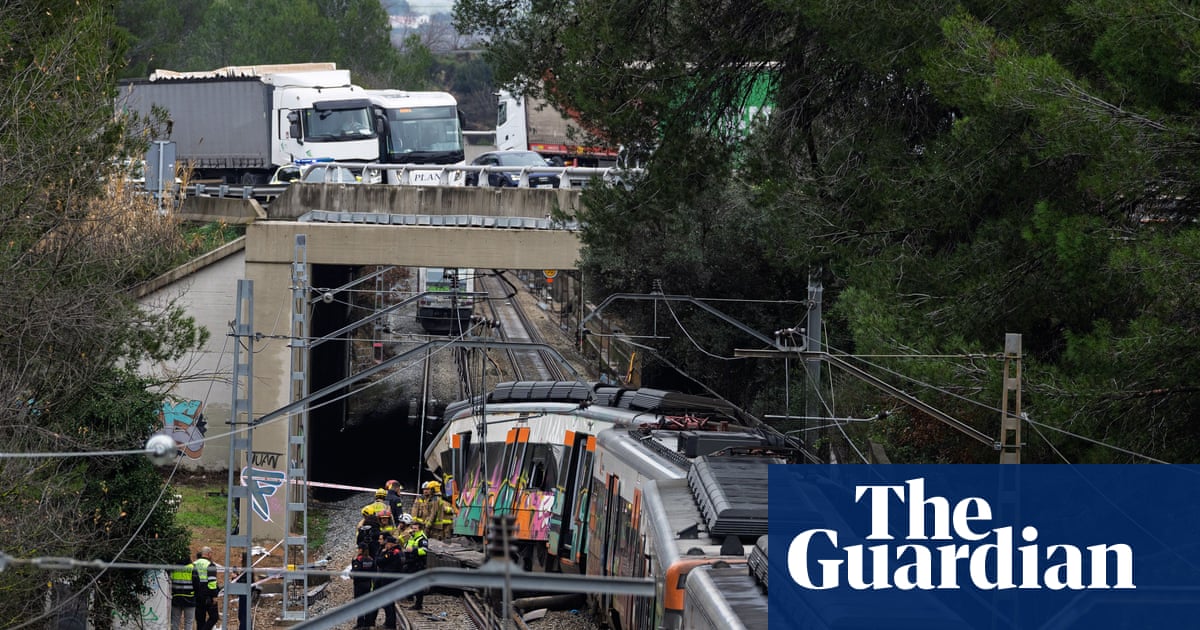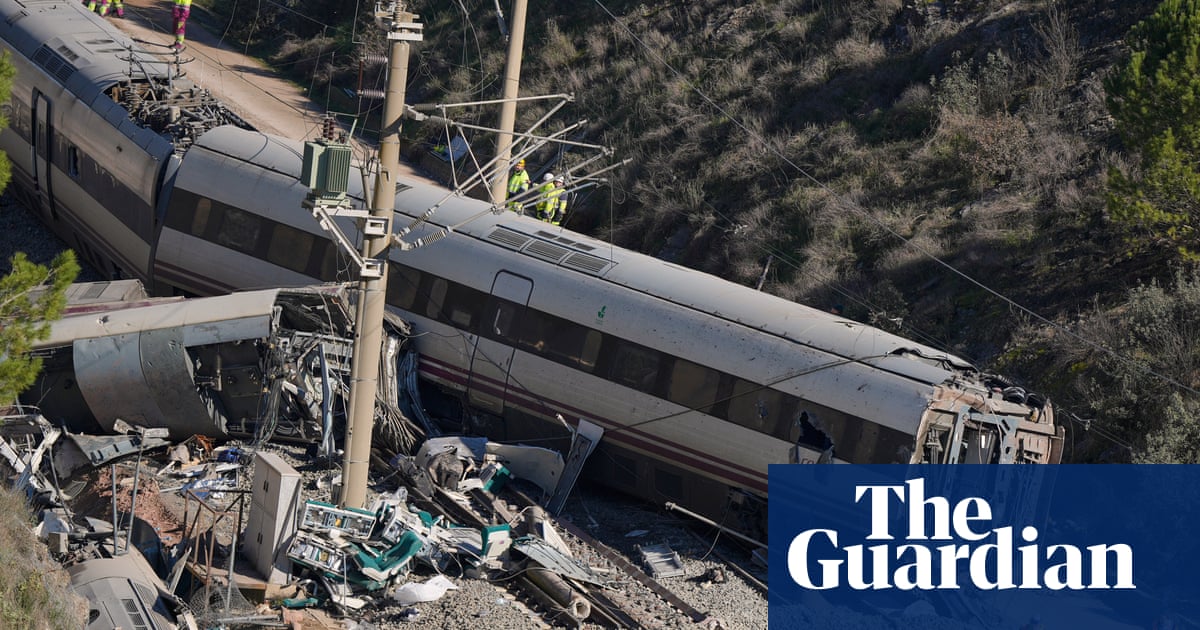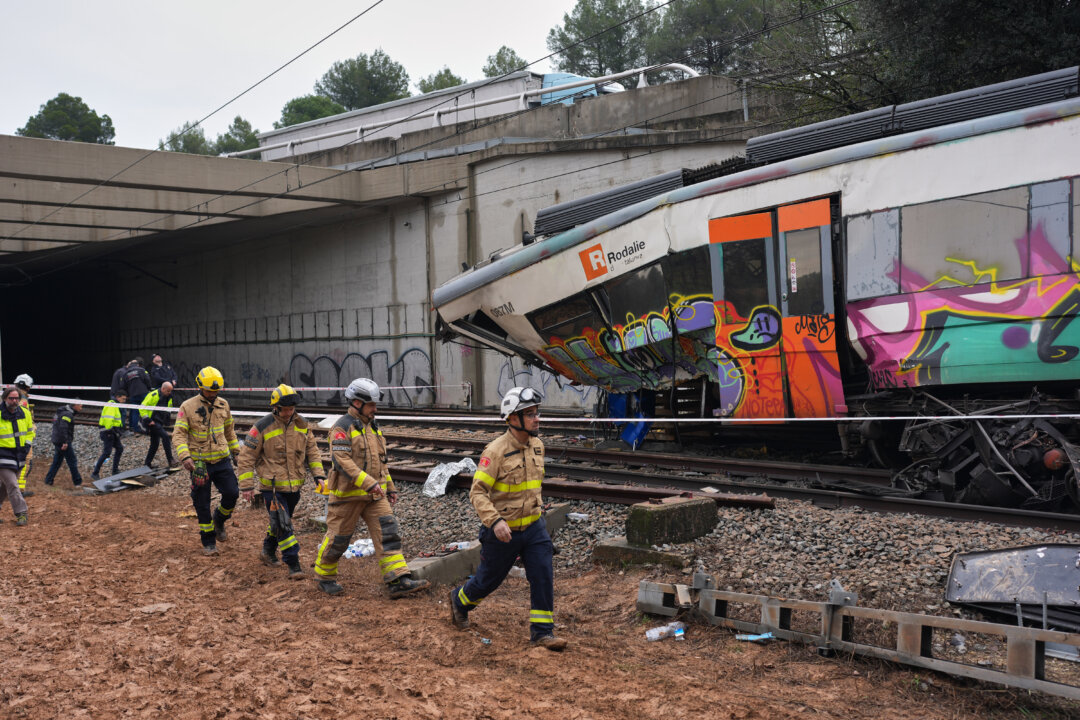



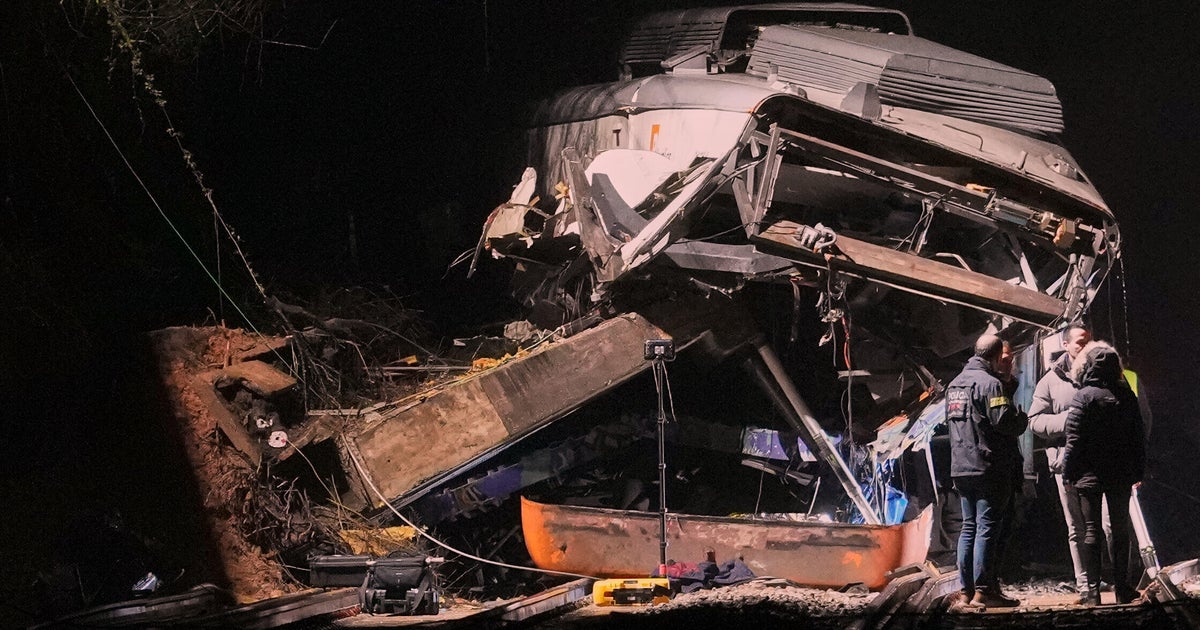
Two deadly train crashes in Spain within three days are consistently reported across liberal- and conservative-leaning outlets as having occurred first near Adamuz in Andalusia (or near Córdoba in southern Spain) and then near Gelida in Catalonia, outside Barcelona. All sources agree that the first crash involved a high‑speed or long‑distance train colliding with another train or obstruction, killing around 42–45 people and injuring well over 100, with the death toll later revised upward to 43 in several reports. The second incident is described as a commuter train that struck or derailed after hitting a collapsed retaining wall on the tracks, killing one person (identified in some liberal coverage as a trainee driver) and injuring roughly 37–41 passengers; rail service on the affected Catalan line was suspended while emergency teams responded. Both sides note the close timing between the crashes (two to three days apart), the disruption to commuter services in Catalonia, and the shock among local communities and the broader Spanish public.
Coverage from both perspectives situates the accidents within a broader scrutiny of Spain’s rail network and safety protocols, highlighting questions about infrastructure resilience, maintenance standards, and oversight. Liberal and conservative outlets alike mention that heavy rainfall is suspected of contributing to the collapse of the retaining wall near Barcelona and that investigators are examining signal systems, track conditions, and possible human error in the southern crash. They report that Spain’s main train drivers’ union, Semaf, has called a strike—framed variously as three days or indefinite—to protest what it describes as inadequate safety measures, and that the transport ministry has publicly acknowledged drivers’ concerns while urging dialogue. There is shared recognition that these accidents have triggered political pressure on the government, intensified public debate over rail investment and modernization, and prompted calls for reforms aimed at preventing future tragedies.
Areas of disagreement
Responsibility and blame. Liberal-aligned sources emphasize systemic factors such as infrastructure underinvestment, maintenance lapses, and the need for stronger safety culture across rail institutions, portraying the crashes as symptoms of structural issues rather than isolated mistakes. Conservative outlets, while not dismissing infrastructure questions, more often frame the events as a test of the current government’s competence, implying that recent policy and management decisions bear direct responsibility. Liberals highlight the complexity of causes, including extreme weather, technical systems, and long‑term planning failures that span multiple administrations, whereas conservatives lean into present‑tense accountability, questioning whether officials reacted quickly enough and whether current oversight is adequate.
Union actions and strikes. Liberal coverage tends to cast the Semaf union’s strike call as a legitimate response to safety fears, foregrounding workers’ testimonies about outdated equipment, staffing levels, and ignored warnings, and portraying the strike as leverage to secure reforms and investment. Conservative coverage is more cautious or skeptical about labor actions, acknowledging safety concerns but stressing the potential disruption to commuters and the economy and hinting that unions may be exploiting the tragedy to advance broader bargaining goals. Liberals often quote union leaders extensively and frame the transport minister’s outreach as a necessary dialogue, while conservatives give more weight to questions about whether a strike so soon after the crashes is responsible.
Political framing and government performance. Liberal-leaning reports generally mention criticism from opposition parties like Vox and the PP but balance it with the transport minister’s statements, efforts to calm the situation, and pledges of investigations and upgrades, casting the response as imperfect but engaged. Conservative outlets spotlight opposition criticism more prominently, suggesting the accidents expose deeper failures in the governing coalition’s management of infrastructure and public safety. Where liberal coverage contextualizes the accidents within a long history of rail issues and prior governments’ roles, conservative coverage more sharply links them to current leaders and hints at a pattern of mismanagement.
Narrative tone and human focus. Liberal-aligned coverage devotes substantial space to the experiences of drivers, victims, and their families, emphasizing trauma, working conditions, and the psychological toll, and using these stories to argue for systemic changes. Conservative sources include human‑interest angles as well—such as the recovery of the missing dog Boro—but tend to treat them as moments of relief or pathos within a broader narrative that centers on order, service resumption, and institutional response. Liberals use personal stories to underline structural rail‑safety critiques, while conservatives more often use them to underscore resilience and the need for clear, decisive authority.
In summary, liberal coverage tends to stress structural safety failures, worker concerns, and multi‑government responsibility with unions framed as key watchdogs, while conservative coverage tends to foreground immediate governmental accountability, caution about union tactics, and a sharper critique of the current administration’s handling of rail infrastructure and crisis response.
Story coverage