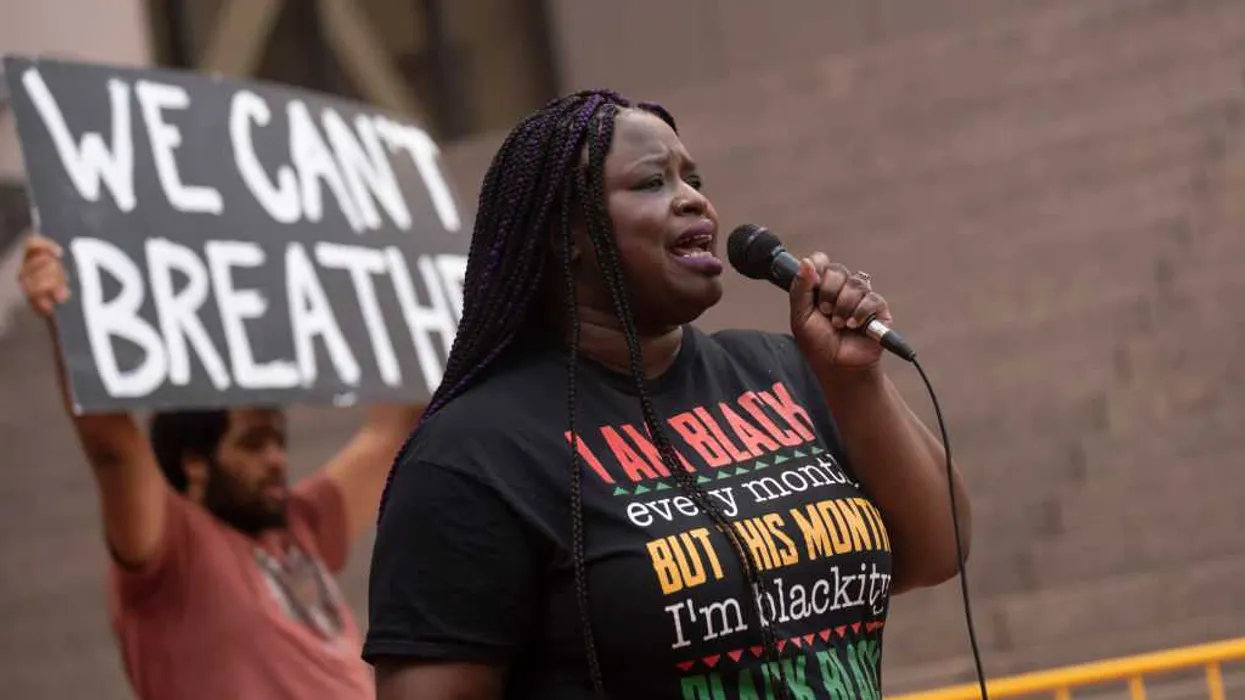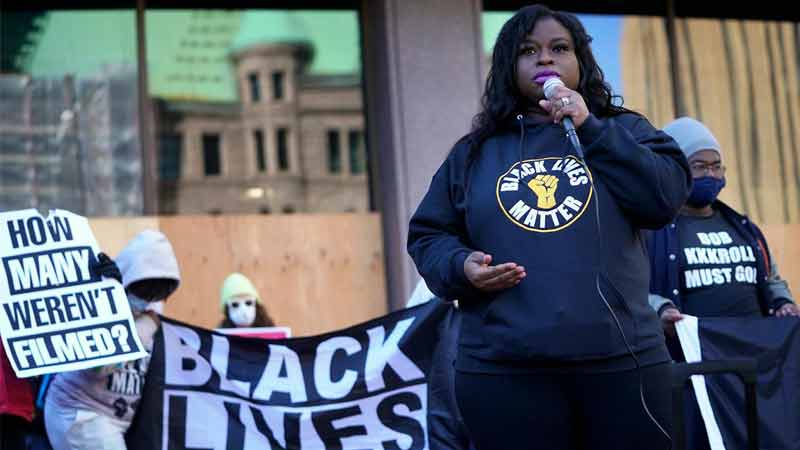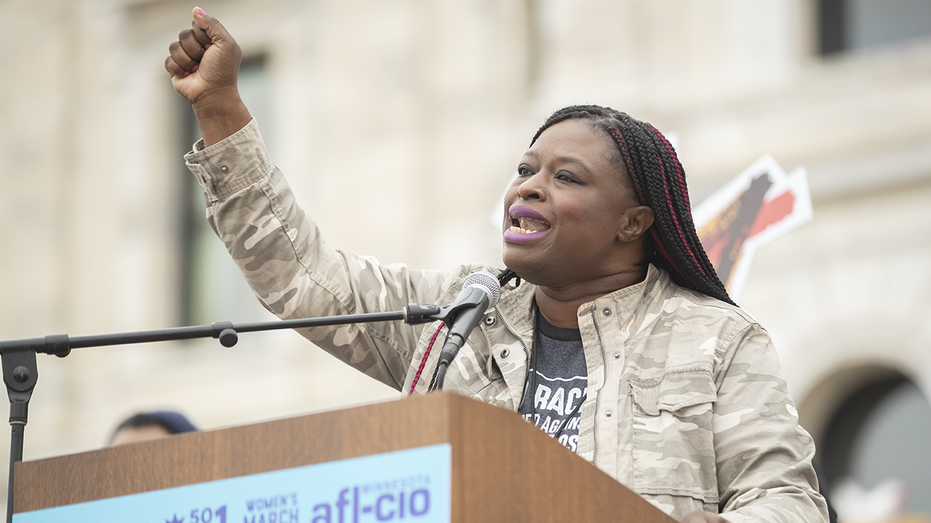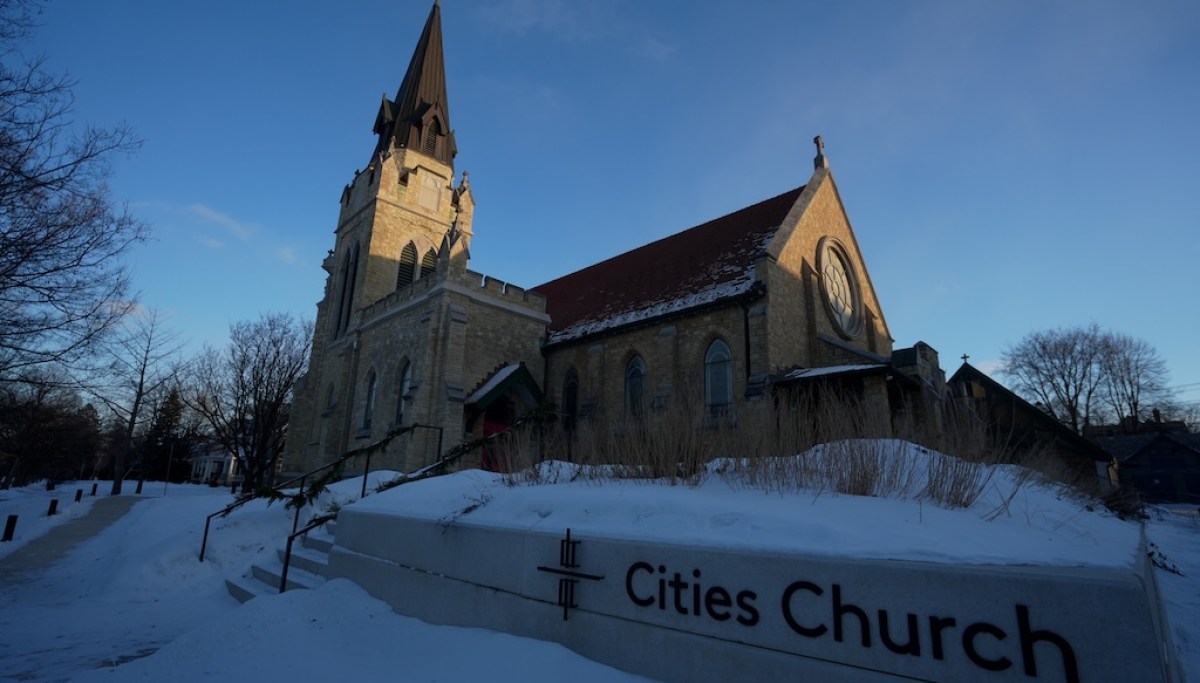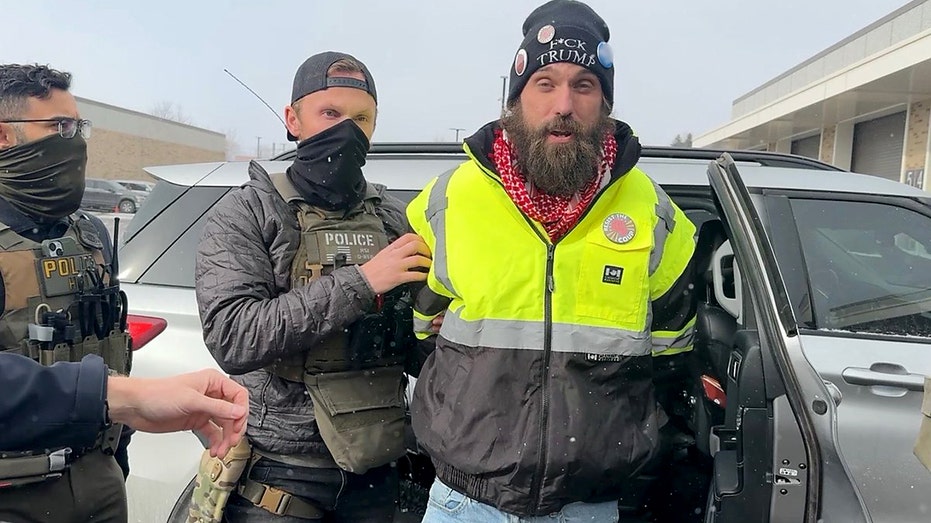




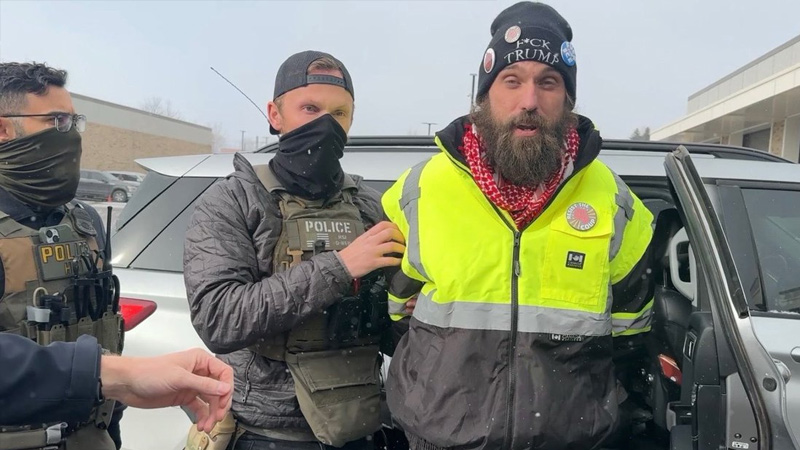
Federal and local reporting broadly agree that anti-ICE activists entered and disrupted a Sunday worship service at Cities Church in St. Paul, Minnesota, in a coordinated protest against U.S. Immigration and Customs Enforcement. The protesters targeted the church because its pastor is closely tied to, or leads, the local ICE field office, and video shows activists moving through the sanctuary, confronting congregants and the pastor, and interrupting the service. Both liberal- and conservative-aligned sources report that federal authorities—primarily the FBI and the Department of Justice—later arrested several activists, including Nekima Levy Armstrong, Chauntyll Louisa Allen, and William Kelly, on charges that include conspiracy against rights, conspiracy to deprive rights, and alleged violations of the FACE Act, which protects access to religious services. Pam Bondi is consistently cited as the official announcing the arrests and outlining the potential penalties, including the possibility of up to 10 years in prison for some of the felony charges, and there is agreement that the protest was explicitly framed as an anti-ICE or pro-immigrant action by those involved.
Coverage on both sides also converges in describing the institutional and legal framework around the case: the FACE Act’s application to religious services, the Justice Department’s role in bringing federal civil-rights charges, and the involvement of federal law-enforcement agencies like the FBI and Homeland Security in pursuing the investigation. Both liberal- and conservative-leaning outlets note that Armstrong and Allen are well-known local organizers—Armstrong as a prominent Black Lives Matter or racial-justice activist, Allen as a Saint Paul school board member—and that the protest was linked to broader campaigns against ICE and in defense of undocumented immigrants. There is shared acknowledgment that religious freedom and the right to worship without obstruction are central to why federal authorities became involved, and that prosecutors are using civil-rights statutes to frame the alleged offenses as deprivations of congregants’ rights rather than routine disorderly conduct. The outlets also agree that Kelly publicly boasted about or otherwise embraced his role in the protest, later taunting authorities before his arrest, and that the case has become a flashpoint in the ongoing national conflict between immigration enforcement and activist movements like Black Lives Matter.
Areas of disagreement
Characterization of the activists. Liberal-aligned coverage tends to frame Nekima Levy Armstrong, Chauntyll Louisa Allen, and William Kelly primarily as racial-justice and immigrant-rights activists connected to Black Lives Matter and local organizing networks, with emphasis on their broader political work and motivations. Conservative sources, by contrast, predominantly describe them as far-left agitators, radicals, or members of a mob, highlighting their confrontational tactics and prior protest activities to suggest a pattern of extremism. Liberal narratives are more likely to mention their community roles and organizing credentials, while conservative accounts emphasize their alleged lawlessness and depict the group as a threat to public order and religious liberty.
Nature and severity of the incident. Liberal coverage generally presents the church disruption as a protest action that crossed legal lines but remains within the continuum of civil disobedience, often focusing on the political message about ICE and tying the incident to broader grievances about immigration enforcement. Conservative coverage portrays the same events as a “mob takeover” or “invasion” of a sacred space, stressing the intimidation of congregants, the harassment inside the sanctuary, and the affront to religious freedom. While liberal outlets acknowledge that worship was disrupted and that charges were filed, they tend to minimize language suggesting physical menace, whereas conservative outlets accentuate fear, chaos, and perceived targeting of worshippers to underscore the gravity of the offense.
Legal framing and civil-rights implications. Liberal-aligned sources tend to highlight the tension between protecting religious freedom and safeguarding the right to protest, sometimes implying that federal authorities might be using heavy-handed civil-rights charges—such as conspiracy against rights and FACE Act violations—to chill dissent against ICE. Conservative media largely welcome the use of these statutes, portraying the DOJ and FBI as appropriately defending churchgoers’ civil rights and setting a precedent that religious services cannot be used as venues for coercive political theater. In liberal narratives, the activists’ conduct is often contextualized as part of a larger struggle against what they see as abusive immigration policies, while conservative narratives underscore that civil-rights laws are being justly applied to protect believers from ideological harassment.
Political stakes and broader messaging. Liberal coverage tends to situate the arrests within a narrative of criminalizing racial-justice and immigrant-rights leaders, warning that prosecuting high-profile figures like Armstrong could further polarize debates over ICE and protest rights. Conservative outlets, in contrast, cast the arrests as a long-overdue checkmate against activists who, in their view, have operated with impunity, and they frequently spotlight Kelly’s profane taunts and comparisons to Jesus overturning tables as emblematic of left-wing hypocrisy or extremism. Liberals are more inclined to stress why activists chose the church—its link to ICE leadership—as a political target, while conservatives emphasize the sanctity of the church setting itself and suggest that the left is willing to trample faith communities to advance its agenda.
In summary, liberal coverage tends to underscore the activists’ political motivations, community roles, and concerns about overbroad federal charges in the context of anti-ICE and racial-justice protest, while conservative coverage tends to stress the invasion of a religious space, depict the organizers as radical agitators, and applaud assertive use of civil-rights law to protect worshippers and deter similar actions.