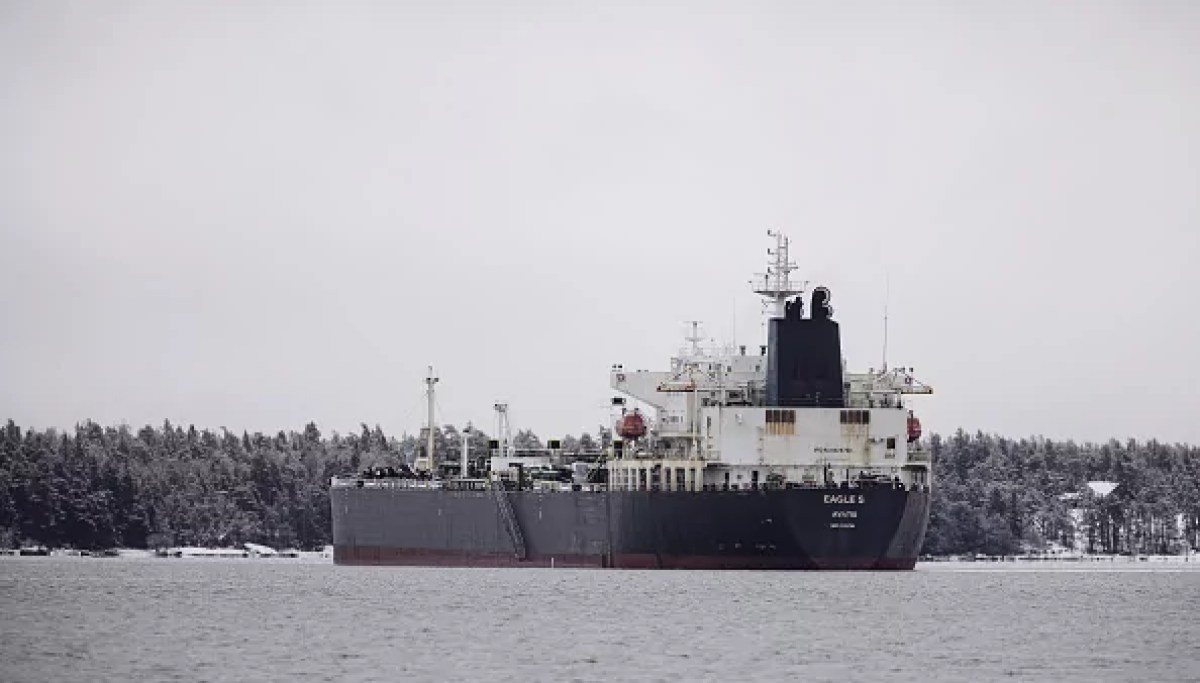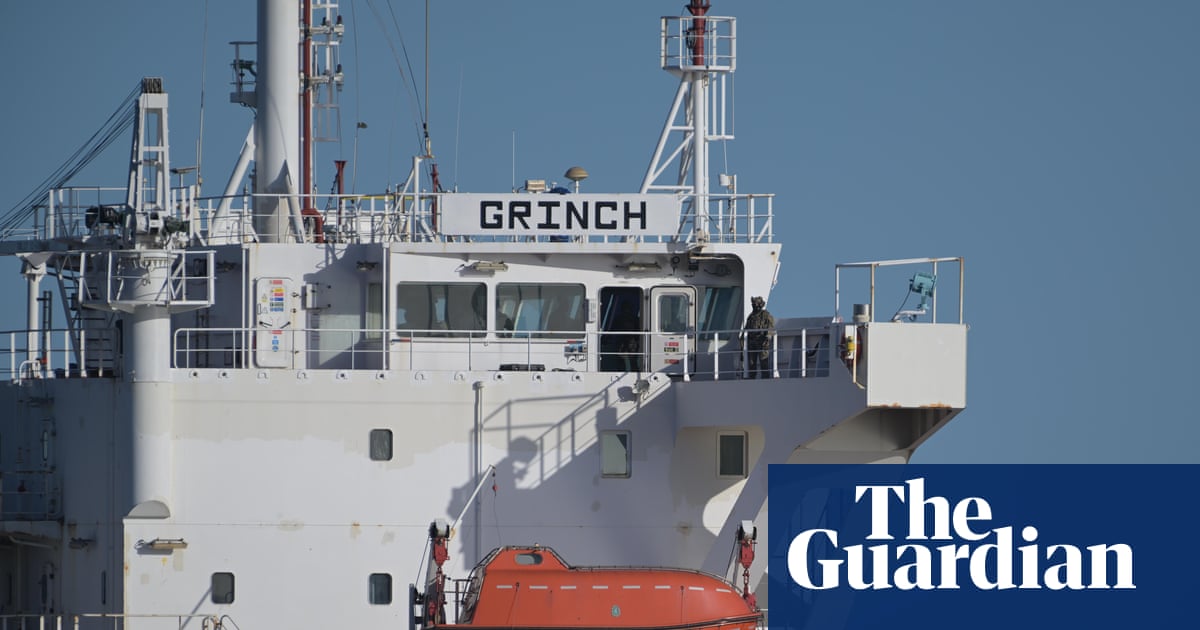

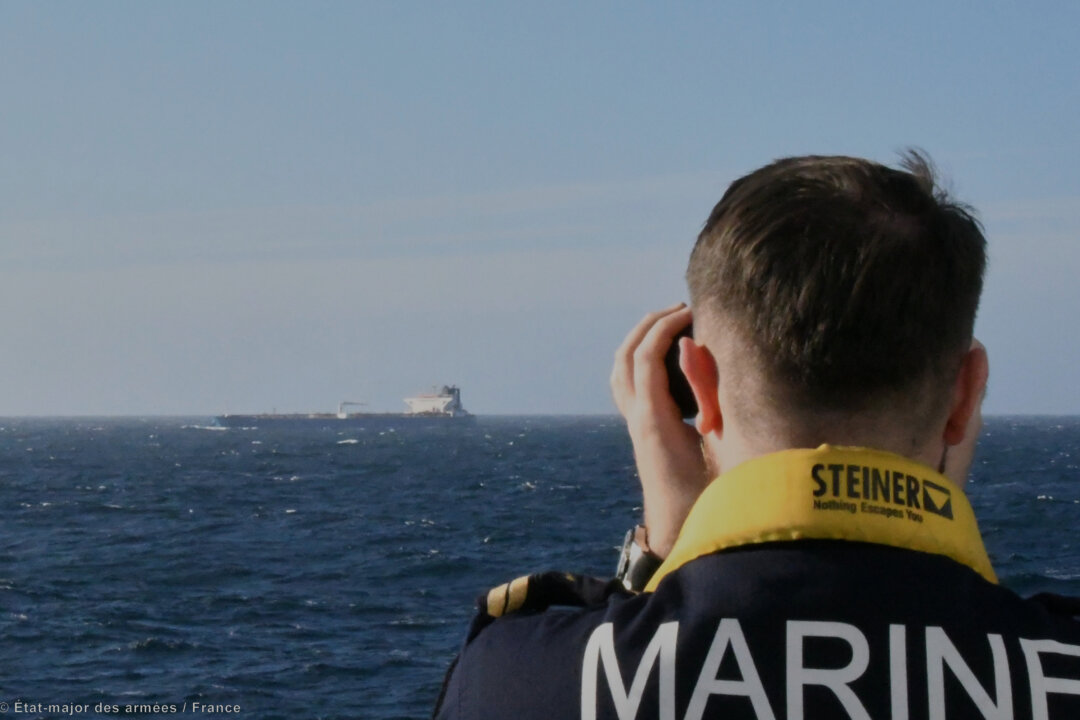
France’s navy intercepted and seized the Russian-linked oil tanker Grinch in the Mediterranean Sea after it departed from a Russian port, boarding the vessel at sea and escorting it to anchorage for further inspection. Both liberal and conservative outlets agree that French forces searched the ship, examined its documents, and found apparent irregularities with its flag, prompting a diversion and the opening of a judicial investigation. They concur that the operation targeted a tanker suspected of being part of Russia’s so‑called “shadow fleet,” which is used to transport Russian oil despite Western sanctions, and that the action was publicly confirmed and politically endorsed by President Emmanuel Macron.
Across the spectrum, coverage situates the seizure within the broader Western effort to enforce sanctions on Russian oil and limit funding for Russia’s war in Ukraine. Outlets on both sides link the interception to coordinated intelligence and diplomatic efforts involving allies such as the United Kingdom and note that it aligns with wider US‑European initiatives against sanction‑evading shipping networks supplying markets like India and China. There is shared framing that the episode reflects the increasing scrutiny of opaque maritime practices, such as false flags and irregular registrations, and that it occurred against a backdrop of intensified international discussions on tightening sanctions, including parallel conversations by Ukrainian leadership at high‑profile forums.
Areas of disagreement
Legitimacy and motivation. Liberal‑aligned coverage tends to frame the seizure as a necessary enforcement of sanctions and maritime rules, emphasizing regulatory due process and the technical issue of a potentially false flag. Conservative outlets more often highlight Macron’s personal role and present the operation as a bolder geopolitical statement about confronting Russian aggression. While liberals stress rule‑of‑law enforcement and systemwide oversight of the shadow fleet, conservatives lean into the symbolism of a high‑profile move that visibly backs Ukraine.
Framing of Russia and the ‘shadow fleet.’ Liberal sources emphasize the structural problem of Russia’s shadow fleet and opaque shipping practices, describing the Grinch as one example in a broader pattern of sanction‑evasion that threatens global norms and energy market transparency. Conservative coverage more explicitly connects the tanker’s activities to directly funding Russia’s war effort, framing the ship less as an abstract compliance problem and more as a tangible instrument of wartime financing. This leads liberals to focus on institutional sanctions architecture, while conservatives foreground Russia’s culpability and strategic intent.
International coordination and political context. Liberal outlets tend to highlight multilateral enforcement and technocratic coordination, situating France’s move within ongoing US‑EU efforts and global regulatory discussions. Conservative outlets give greater prominence to bilateral political theater, such as the timing alongside Volodymyr Zelensky’s engagements at the World Economic Forum and France’s reliance on UK intelligence, to underscore Western unity against Moscow. As a result, liberal coverage sounds more like a case study in sanctions implementation, whereas conservative coverage reads as part of a larger narrative of Western resolve in wartime.
Implications and risks. Liberal reporting is more likely to dwell on long‑term regulatory implications, such as stricter monitoring of tanker registries and potential reforms in maritime oversight to curb similar evasive tactics. Conservative outlets focus more on immediate strategic and diplomatic stakes, including how such seizures signal escalation in the economic pressure campaign on Russia and could provoke responses from Moscow. Consequently, liberals couch the incident in terms of compliance and precedent, while conservatives treat it as a consequential move in the broader confrontation over Ukraine.
In summary, liberal coverage tends to treat the Grinch seizure primarily as a sanctions‑enforcement and maritime‑regulation story embedded in institutional processes, while conservative coverage tends to cast it as a high‑stakes geopolitical maneuver that dramatizes Western resolve and directly targets Russia’s war financing.
Story coverage