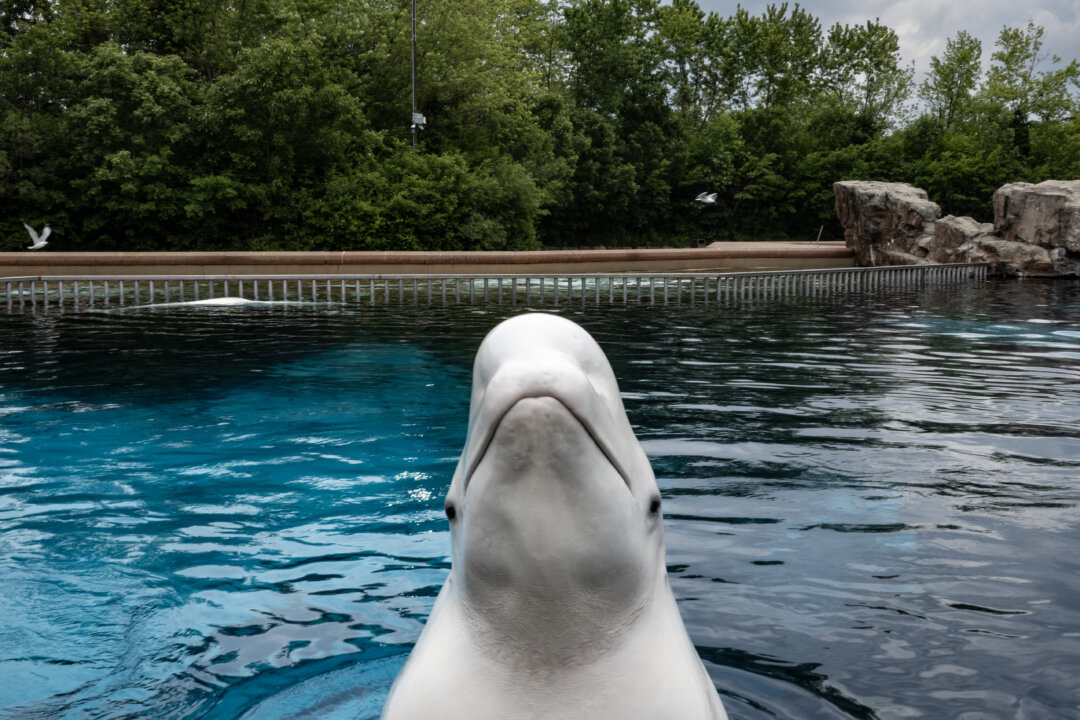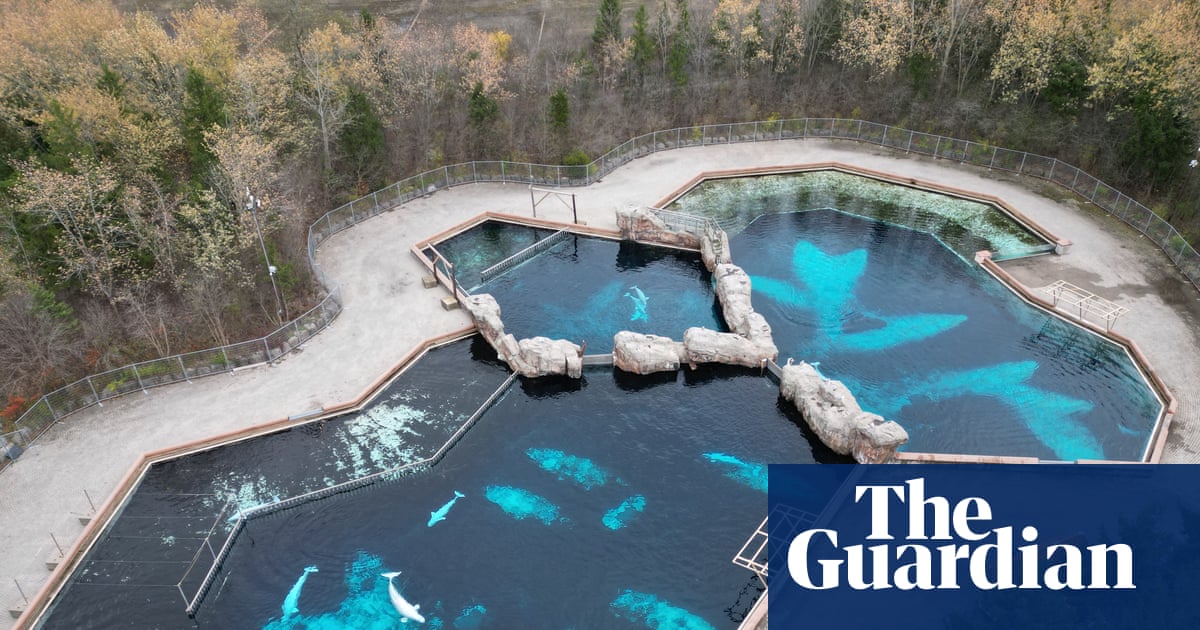

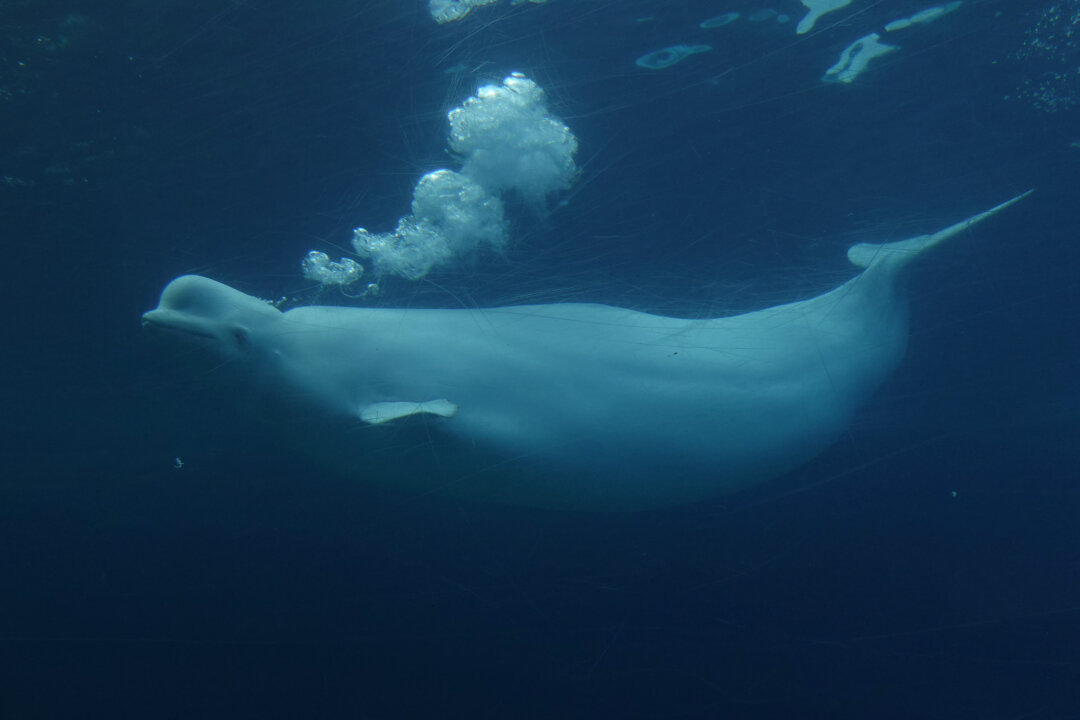
Marineland, a longtime marine park in Niagara Falls, Ontario, is seeking federal permits to export its remaining captive cetaceans — roughly 30 beluga whales and four dolphins — to aquariums and marine facilities in the United States. Both liberal- and conservative-leaning outlets agree that this request follows years of controversy over animal welfare at the park, that an earlier bid to send belugas to China was rejected by Ottawa, and that Canada’s federal Fisheries Minister is now reviewing (and has moved to conditionally approve) export applications that would allow the animals to be relocated instead of remaining at the park. Coverage aligns in noting that Marineland has tied the permit timeline to the fate of the whales and dolphins by saying it cannot continue to care for them indefinitely, and that the federal government is imposing conditions and information requirements before final export permits are issued.
Reporting from both sides also emphasizes that the situation is unfolding against the backdrop of Canada’s broader shift away from keeping whales and dolphins in captivity, including a federal law that largely bans new cetacean captivity and performances. Liberal and conservative sources alike describe Marineland’s troubled history — including past animal deaths, legal and regulatory scrutiny, and financial strain — as central context for why the park says it must divest its remaining whales. They concur that US institutions are being framed as potential “rescue” or sanctuary-like destinations offering more sustainable long-term care, and that Ottawa is attempting to balance animal welfare, international permitting rules, and public pressure as it decides whether and how these exports can proceed.
Areas of disagreement
Framing of Marineland’s actions. Liberal-aligned outlets tend to depict Marineland as a chronically mismanaged, controversial park leveraging the whales’ lives after past threats to euthanize them, highlighting its history of animal deaths and regulatory trouble. Conservative-leaning coverage typically casts Marineland more as a struggling operator facing financial and legal constraints, emphasizing the logistical urgency of rehoming the animals rather than dwelling on a long record of alleged mistreatment. Where liberal sources stress the park’s culpability for letting conditions deteriorate, conservative sources more often treat the export plan as a belated but pragmatic solution to a difficult situation.
Characterization of the euthanasia threat. Liberal coverage tends to present the euthanasia plan as coercive, underscoring that Marineland previously threatened to kill its whales if it did not get its way on exports and framing this as an ethical outrage meant to pressure Ottawa. Conservative outlets, while acknowledging the existence of a euthanasia contingency plan, more often describe it as a grim last resort tied to resource limits and regulatory delays, sometimes portraying it as part of an “urgent rescue” timeline. As a result, liberals emphasize moral condemnation and blame, whereas conservatives more frequently highlight the time pressure and systemic obstacles surrounding the permits.
Portrayal of the Canadian government’s role. Liberal-aligned sources generally frame Ottawa as cautiously responding to a long-festering problem, with the minister scrutinizing Marineland after years of activism and public concern about captivity and animal welfare. Conservative reporting tends to underscore that the federal government has now given conditional approval and is actively working with Marineland, stressing the idea that federal authorities are providing a path to save the whales from euthanasia. Liberals focus on government oversight and the need for strict conditions to prevent further harm, while conservatives emphasize responsiveness and the government’s role in enabling a timely transfer.
Narrative around US destinations. Liberal coverage often raises implicit questions about whether US aquariums can truly provide sanctuary-like conditions, situating the transfers within a broader critique of marine mammal captivity even outside Canada. Conservative sources more frequently present the US facilities as clear improvements and “a chance at a different future” for the animals, without substantially interrogating the ethics of continued captivity. Thus, liberal outlets treat the exports as a partial, imperfect remedy within a larger reform debate, whereas conservative outlets frame them more straightforwardly as a rescue and reprieve from death.
In summary, liberal coverage tends to foreground Marineland’s past abuses, the ethical problems with using euthanasia as leverage, and the broader critique of cetacean captivity, while conservative coverage tends to stress the urgency of saving the animals now, portray the export plan as an emergency rescue facilitated by Ottawa, and cast US facilities as a practical and largely positive solution.
Story coverage