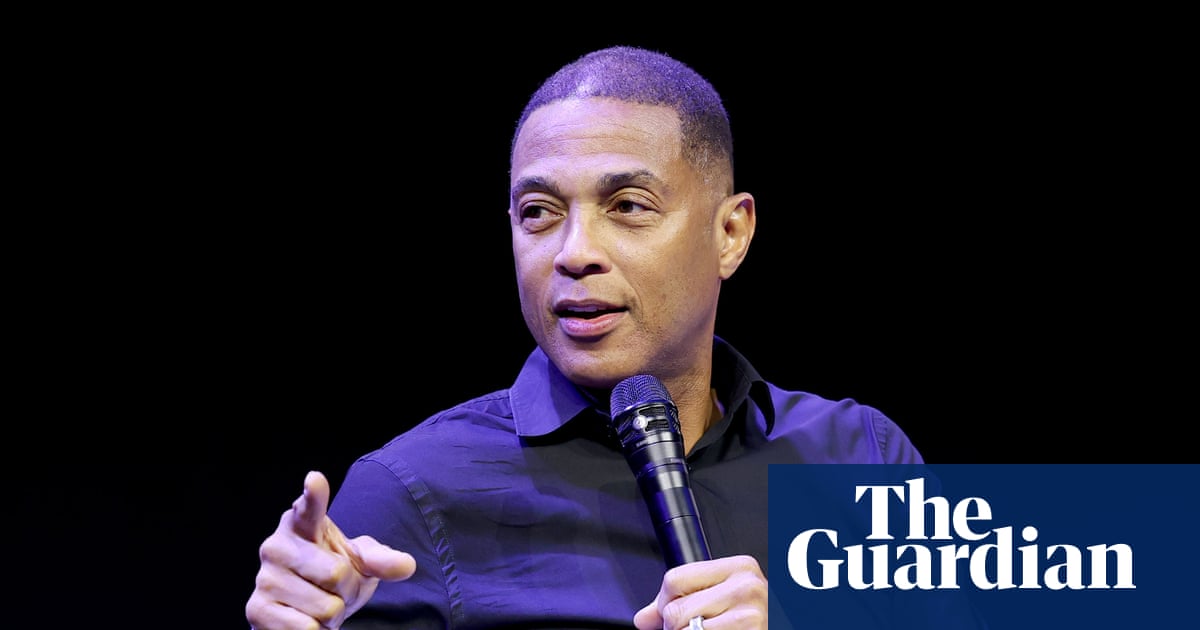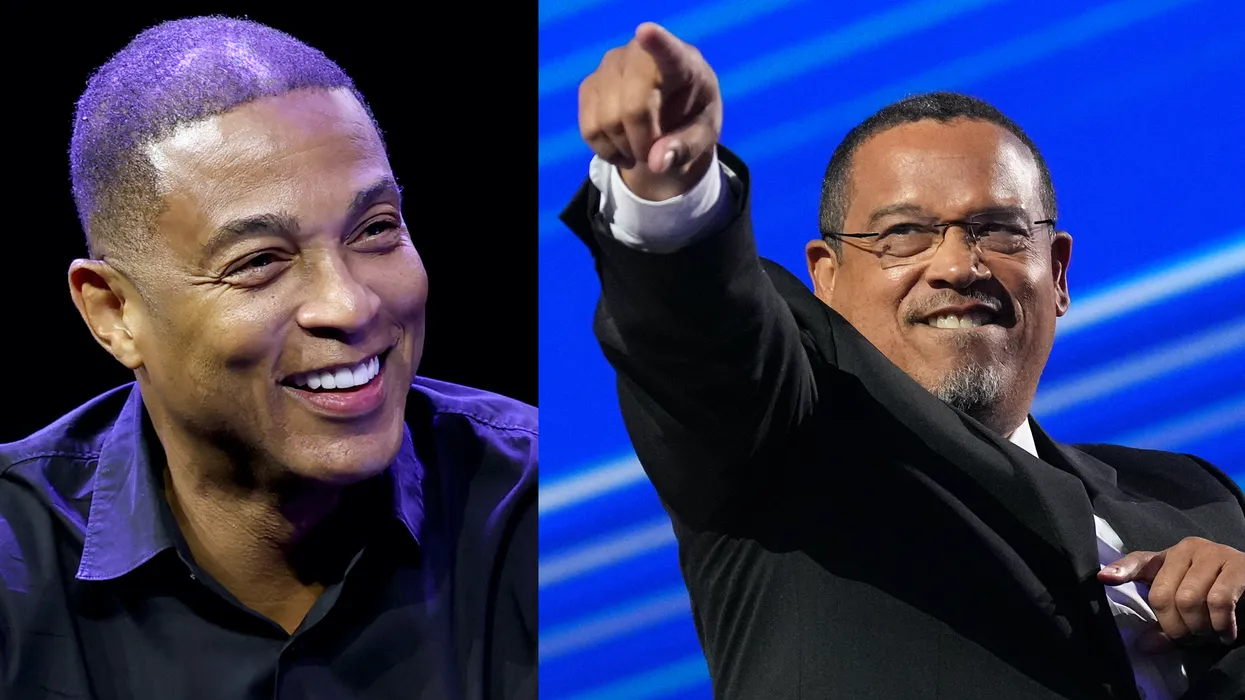


A federal magistrate judge in Minnesota declined to sign a complaint and arrest warrant sought by the Justice Department against former CNN anchor Don Lemon over his role in a protest at a St. Paul church, where demonstrators disrupted a sermon in opposition to ICE. Coverage from both liberal- and conservative-aligned outlets agrees that Magistrate Judge Douglas Micko (identified in some reports simply as a federal magistrate) refused to approve the charges tied to Lemon’s presence and livestreaming of the protest, and that this decision angered Attorney General Pam Bondi and other senior Justice Department officials who had pushed for his arrest. Both sides note that Lemon had advance knowledge of the protest and was embedded with demonstrators, that two activists (Chauntyll Louisa Allen and Nekima Levy Armstrong) faced federal charges from the same incident, and that the judge also crossed out at least one FACE Act–related charge on the activists’ warrants. They further converge on the fact that Lemon’s legal team argued his conduct was protected journalistic activity, even as some in the DOJ explore other avenues to hold him and protesters accountable.
Reporting also overlaps on several points of legal and institutional context: both sides describe the DOJ’s efforts to obtain Lemon’s arrest as unusually aggressive, including an emergency request and attempts to get a district judge to override the magistrate’s denial. Outlets agree that a higher-level judge or panel characterized the DOJ’s maneuvering as extraordinary or "unheard of," even while acknowledging that probable cause indicators existed but did not meet the necessary legal threshold for the requested remedy. They also concur that the case sits at the intersection of federal protest enforcement (including the FACE Act and related statutes), press freedom claims, and political pressure from national figures such as Donald Trump and his allies who publicly called for Lemon’s arrest. Finally, both liberal and conservative coverage recognize that the judge’s refusal does not entirely foreclose future legal action, as federal authorities may still pursue alternative charging theories or forums.
Areas of disagreement
Nature of the judge’s decision. Liberal-aligned coverage tends to frame the magistrate’s refusal as a principled legal call grounded in a lack of probable cause and concern for constitutional protections, emphasizing that a judge found the DOJ failed to meet the legal standard. Conservative outlets more often characterize the decision as a suspect or lenient move that blocked accountability for Lemon, highlighting frustration inside the DOJ and portraying the rejection as shielding a media figure from consequences. While liberals stress the normalcy of judicial gatekeeping over weak cases, conservatives emphasize the gravity of disrupting a church service and suggest the judge downplayed that seriousness.
Judicial integrity and conflicts. Liberal sources generally either downplay or omit extensive focus on the personal background of Magistrate Judge Douglas Micko, treating him as a routine judicial actor applying the law and occasionally noting a broader institutional check on DOJ overreach. Conservative coverage foregrounds that his wife works as an assistant attorney general under Minnesota AG Keith Ellison, presenting this as a potential conflict that may color the judge’s judgment and connecting it to a broader narrative of progressive legal networks protecting ideological allies. Where liberal reports focus on legal reasoning and procedure, conservative reports raise questions about impartiality and hint at systemic bias within the judiciary and state legal apparatus.
Role and characterization of Don Lemon. Liberal-aligned reporting is more likely to present Lemon primarily as a journalist or independent media figure whose advance knowledge, embedding with protesters, and livestreaming fall within the bounds of newsgathering, echoing his attorney’s argument that his activities are constitutionally protected. Conservative outlets focus on his admitted coordination and physical presence during the disruption, casting him as an active participant or instigator in a church storming rather than a neutral observer, and sometimes referencing his former CNN role as evidence of elite media privilege. The liberal framing stresses press freedom and watchdog journalism, while the conservative framing underscores alleged complicity and portrays Lemon as part of a broader activist media ecosystem.
Assessment of DOJ conduct and political context. Liberal sources emphasize the DOJ’s behavior as unusually aggressive and possibly politicized, describing emergency arrest requests and attempts to circumvent the magistrate as overreach rightly rebuked by a district judge. Conservative coverage, while acknowledging the unusual procedural moves, is more inclined to interpret DOJ efforts as a necessary response to serious violations and public demands for accountability, often referencing anger from Attorney General Pam Bondi and pressure from Trump-aligned figures. Liberals thus highlight institutional safeguards against prosecutorial excess and the risks to civil liberties, whereas conservatives stress that the system may be too reluctant to enforce laws when prominent media figures and left-leaning activists are involved.
In summary, liberal coverage tends to depict the case as an example of courts properly restraining an overzealous Justice Department and protecting journalistic and protest rights, while conservative coverage tends to portray it as a politically tinged failure to hold a well-connected media figure and allied activists accountable, amid concerns about judicial bias and unequal enforcement of the law.
Story coverage