


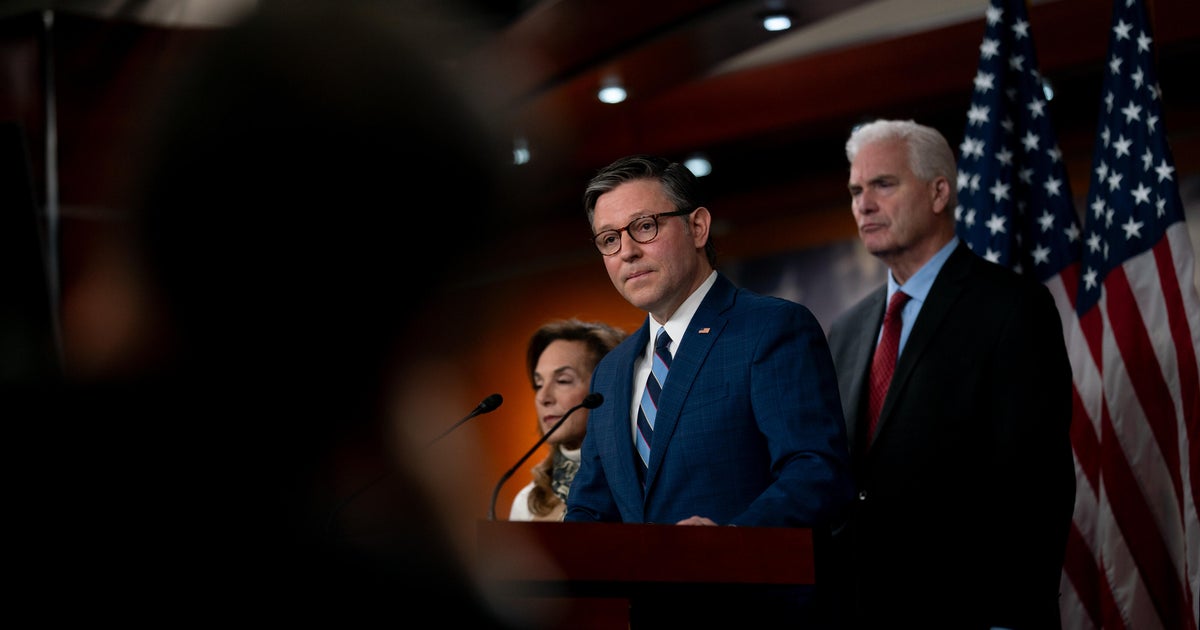
The House has advanced the final set of annual spending bills intended to avert a partial federal government shutdown ahead of a looming January 30 deadline. Coverage across the spectrum agrees that four remaining appropriations bills, together funding roughly $1.2 trillion for major departments including Homeland Security, are at issue, and that the House action shifts pressure to the Senate to act before funding lapses. Both liberal and conservative reports note that the fiscal year has already seen unusual disruptions and temporary stopgap measures, that a shutdown is broadly seen as undesirable by leaders of both parties, and that the tight calendar makes swift Senate consideration crucial.
Liberal and conservative outlets likewise agree that the most contentious of the remaining bills is the Homeland Security measure, which includes provisions affecting Immigration and Customs Enforcement operations and border security policy. They also concur that intra-Republican divisions on spending and policy are a key obstacle, even as the overall package reflects bipartisan negotiations between House and Senate leaders and the White House. Both sides describe how policy riders—such as changes related to ICE and fuel regulations like year-round E15 sales—became flashpoints in the talks, and they frame the current votes as the culmination of months of stopgap extensions and leadership struggles within the House.
Areas of disagreement
Responsibility and blame. Liberal-aligned outlets emphasize Republican internal dysfunction and hard-right demands as the primary reason the fiscal year experienced a record funding lapse and brinkmanship so close to the deadline, framing the final bills as a pragmatic compromise forced by the risk of shutdown. Conservative sources, while acknowledging GOP divisions, more often stress that Democratic resistance to stronger border and immigration measures—especially within the Homeland Security bill—has prolonged negotiations and contributed to earlier lapses. Liberal coverage tends to present Democratic leaders as consistently supporting clean funding to keep the government open, whereas conservative coverage highlights what it portrays as Democrats’ refusal to accept meaningful enforcement reforms.
Characterization of the deal. Liberal coverage portrays the package as a centrist, bipartisan outcome that protects key domestic priorities while keeping spending roughly in line with earlier agreements, even if it frustrates progressives on immigration and climate. Conservative outlets are more likely to describe the bills as a mixed or disappointing result for fiscal conservatives, suggesting that leadership failed to secure deeper cuts or robust policy wins on border security and energy, despite holding a House majority. While liberal reports focus on stability and continuity of government services, conservative reports foreground missed opportunities to leverage the deadline for structural reforms.
Immigration and security provisions. Liberal sources highlight Democratic opposition to parts of the Homeland Security bill—such as ICE-related provisions and responses to recent high-profile incidents—as grounded in civil liberties and humanitarian concerns, warning against overreach in enforcement. Conservative coverage instead argues that the package, even with contested provisions, still does not go far enough to address what they depict as a border crisis, criticizing Democrats for resisting stronger detention, deportation, and asylum restrictions. Liberals frame these elements as necessary guardrails against abuse and as separate from the core task of funding the government, while conservatives frame them as indispensable conditions that should be tied to any long-term funding.
Energy and regulatory riders. Liberal-aligned outlets tend to treat issues like E15 fuel sales and related regulatory riders as secondary bargaining chips in a broader funding negotiation, often downplaying them relative to social spending and immigration policy. Conservative outlets give more attention to these provisions, presenting them as examples of how Republicans tried to ease regulatory burdens and promote energy affordability but faced Democratic pushback or dilution in the final compromise. Where liberals emphasize preserving environmental and consumer protections, conservatives stress loosening what they see as costly, ideologically driven regulations.
In summary, liberal coverage tends to cast the final spending bills as a necessary, bipartisan step to preserve government stability in the face of Republican infighting, while conservative coverage tends to portray them as an imperfect outcome where Democratic resistance and weak GOP leverage limited meaningful gains on spending cuts, border security, and regulatory reform.
Story coverage

