

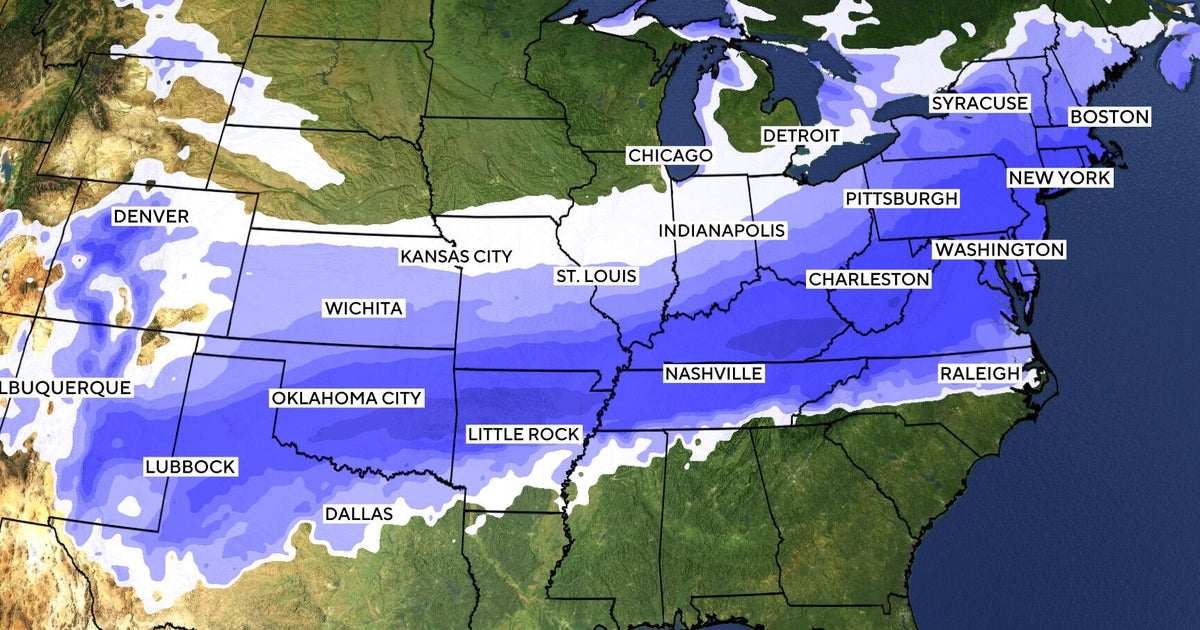
A major winter storm is forecast to sweep across a broad swath of the eastern United States, with both liberal and conservative outlets agreeing that Washington, D.C., and other major East Coast cities such as Philadelphia, New York City, and Boston are likely to see substantial snowfall. Forecasters concur that the system will bring a mix of heavy snow, sleet, and freezing rain, threatening dangerous travel conditions, downed trees and power lines, and extended power outages for millions of Americans. Coverage from both sides highlights that the storm is expected to deliver Washington’s heaviest snowfall in years, accompanied by brutal, sub-freezing temperatures that could linger for days and complicate cleanup and recovery efforts. Meteorologists in all reports stress updated modeling, snow and ice accumulation maps, and timing through the weekend into the following week, urging residents to prepare by limiting travel, monitoring forecasts, and stocking essential supplies.
Both liberal and conservative reporting situates the storm within the broader workings of national and local institutions, emphasizing the roles of the National Weather Service, local emergency management agencies, and utility companies in forecasting impacts and coordinating response. They agree that pre-storm preparations—such as road crews pre-treating highways with salt and brine, hardware stores rapidly selling out of ice-melt and emergency supplies, and local governments issuing advisories—are crucial to reduce risk. Background context in both sets of outlets notes that recent winters have seen notable but uneven snow events in the Mid-Atlantic and Northeast, making this storm especially significant for D.C. given its potential to rival or exceed recent years’ totals. Both perspectives underscore that the combination of heavy precipitation and prolonged cold elevates the risk of persistent ice, infrastructure strain, and extended disruptions even after the snow stops.
Areas of disagreement
Severity framing and language. Liberal-aligned coverage tends to frame the event as a serious but largely routine winter storm for the region, emphasizing forecast ranges, uncertainty bands, and practical guidance such as maps that show likely snow and temperature outcomes. Conservative coverage is more likely to deploy terms like “catastrophic,” “historic,” and “lasting grip,” underscoring worst-case scenarios and record-challenging snowfall. While liberal outlets focus on measured descriptions of heavy snow and brutal cold, conservative outlets lean into dramatic characterizations of widespread damage and prolonged paralysis, shaping audience expectations differently about how extreme the storm may be.
Human impact and preparedness emphasis. Liberal coverage generally centers on public-service information—where and when the heaviest snow and cold may hit, how to stay safe, and what official forecasters recommend—treating preparation as a standard response to a major storm. Conservative sources highlight vivid anecdotes, such as hardware stores selling out of salt in a single morning and people rushing to buy batteries, to illustrate anxiety and urgency among residents. Both mention road crews and utility readiness, but conservative outlets more prominently stress the potential for extended outages and long-lasting recovery challenges, whereas liberal outlets foreground forecast tools and official advisories over emotive scenes of last-minute scrambling.
Institutional performance and vulnerability. Liberal outlets tend to portray government and forecasting institutions as competent central actors, emphasizing their role in issuing timely warnings, deploying road treatment crews, and coordinating emergency responses. Conservative coverage more often underscores systemic vulnerability, suggesting that infrastructure and local governments may struggle with what is described as Washington’s heaviest snow in years and an ice storm capable of inflicting widespread damage. Where liberal sources stress collaboration between agencies and communities, conservative sources focus on how fragile power grids, transportation networks, and urban services could buckle under a protracted period of snow, ice, and sub-freezing temperatures.
Broader narrative framing. Liberal-aligned reporting, where it touches broader context, tends to situate the storm within patterns of recent winter weather and long-term climate variability without heavy ideological framing, focusing instead on practical implications for daily life and public safety. Conservative coverage slots the storm into a narrative of repeated infrastructure tests and societal unpreparedness, using language that suggests this event could expose and exacerbate existing weaknesses in how cities like D.C. handle extreme weather. As a result, liberal narratives are more technocratic and forecast-driven, while conservative narratives are more crisis-oriented and focused on stress-testing institutions and communities.
In summary, liberal coverage tends to present the storm as a serious but manageable weather event emphasizing data, official forecasts, and practical safety guidance, while conservative coverage tends to cast it as a potentially historic and deeply disruptive crisis highlighting dramatic impacts, infrastructure strain, and human vulnerability.
Story coverage


