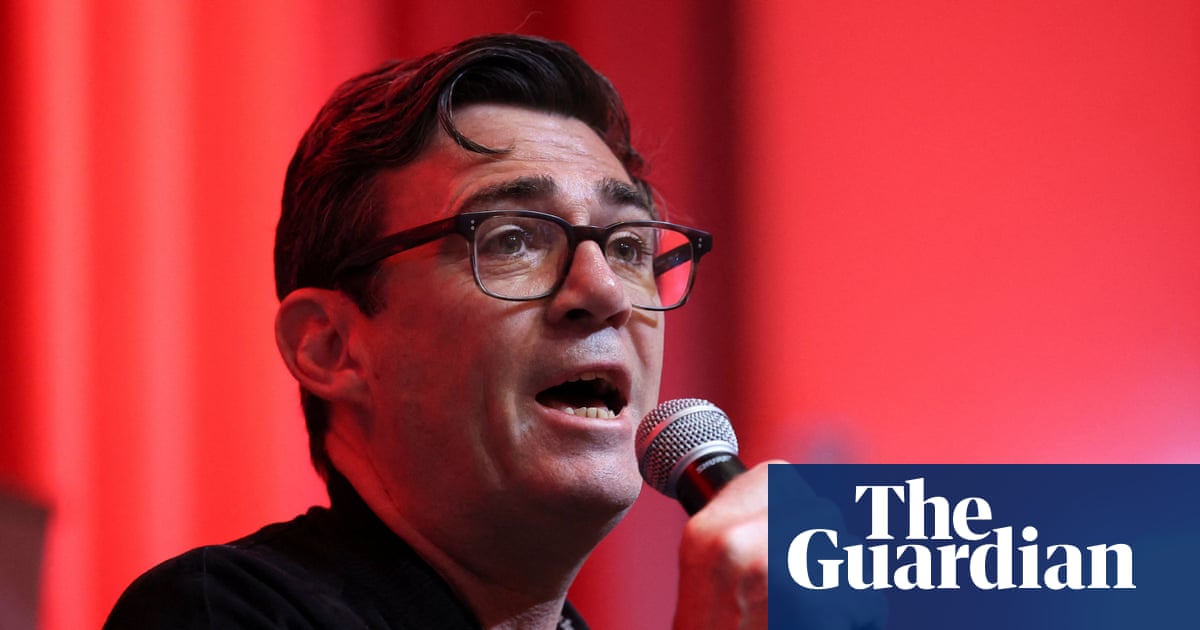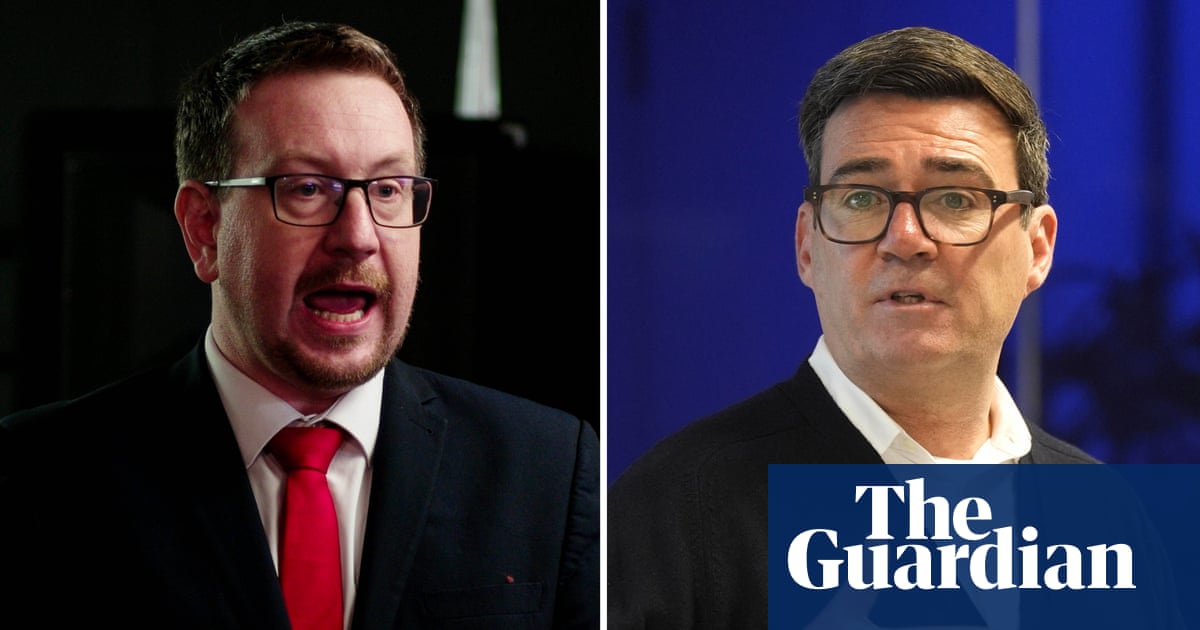
Andrew Gwynne, the Labour MP for Denton and Reddish (often reported in connection with the Gorton area due to historical boundary links), has announced he will stand down on health grounds, triggering a by-election in his Greater Manchester seat. Across outlets, coverage agrees that his resignation has immediately prompted speculation that Greater Manchester Mayor Andy Burnham might use the vacancy as a route back into the House of Commons, although Burnham has not formally declared and would first need to be selected as the Labour candidate. Reports concur that any such move would require Burnham to give up his mayoralty, that Labour’s National Executive Committee would have to approve the selection, and that the seat is considered safely Labour, making it an attractive potential vehicle for a high-profile return.
Liberal-leaning reporting broadly agrees on the institutional backdrop: Labour’s candidate selection for by-elections is now tightly managed by the party leadership and the NEC, where Keir Starmer’s allies are said to hold a majority. It is also commonly noted that Burnham has a long record as a Labour MP and former cabinet minister, that he has twice run for the party leadership in the past, and that his current mayoral role gives him a strong regional power base but no direct influence in Westminster. Shared context includes that a Burnham return could theoretically position him as a future leadership contender, that a mayoral by-election would be costly and politically risky, and that the unions and some grassroots elements would likely resist any overtly top-down attempt to block a popular figure from standing.
Areas of disagreement
Motives and significance of Gwynne’s resignation. Liberal-aligned coverage treats Gwynne’s resignation primarily as a genuine response to serious and long-term ill health, mentioning speculation about Burnham as a secondary political consequence rather than the main driver. In the absence of substantial conservative reporting, liberal pieces pre-emptively push back against any suggestion that the move was orchestrated as a factional ploy, insisting the health explanation is credible and well documented. Conservative-leaning commentary, where it appears in broader political analysis rather than dedicated articles, is more inclined to frame the vacancy as politically convenient for Labour’s internal machinations, hinting that timing and opportunity for reshaping the parliamentary party may be at least as important as personal circumstances.
Burnham’s intentions and threat level to Starmer. Liberal sources portray Burnham as an ambitious but currently constrained figure whose path back to Westminster would be difficult, stressing procedural obstacles, local sensitivities, and the personal cost of giving up the mayoralty. They simultaneously acknowledge his potential as a future leadership challenger while emphasizing that there is no imminent, organized coup against Starmer. Conservative-aligned voices are more likely to highlight Burnham as a looming rival and symbol of Labour’s unresolved ideological tensions, suggesting his possible return underscores Starmer’s vulnerability and the existence of a substantial alternative power base within Labour’s ranks.
Characterization of Labour’s selection process and NEC role. Liberal coverage criticizes the NEC and Starmer’s inner circle for centralizing control over selections, warning that a perceived ‘Stop Andy Burnham’ push could look anti-democratic and alienate party members and unions. At the same time, these outlets frame internal resistance as a matter of fairness, party unity, and due process rather than a fundamental repudiation of Starmer’s leadership. Conservative commentary tends to cast the same dynamic as proof that Labour is heavily stage-managed from the centre, arguing that Starmer’s team will use procedural power to crush alternative power centres and that talk of a ‘Stop Burnham’ campaign exposes a brittle, authoritarian streak in the party’s management.
Implications for Labour’s broader direction. Liberal-leaning reports discuss the episode mainly as an internal governance test for Labour, asking whether the party can balance a professionalized, tightly run operation with openness to pluralism and popular regional figures like Burnham. They tend to assume Labour will remain electorally dominant in such seats and focus on intra-party democracy, relations with unions, and the strategic handling of high-profile talent. Conservative-aligned discussion, in contrast, uses the speculation to question Labour’s stability and coherence, suggesting that visible tension between Starmer’s camp and Burnham’s supporters could foreshadow damaging internal battles that might distract from governing or expose unresolved ideological divides.
In summary, liberal coverage tends to foreground the health-based legitimacy of Gwynne’s resignation, the procedural hurdles facing Burnham, and the risk that overcentralized control could look undemocratic, while conservative coverage tends to emphasize the episode as evidence of Labour’s internal fragility, Starmer’s insecurity about rival power bases, and the party’s reliance on tight central management to contain its factions.
Story coverage