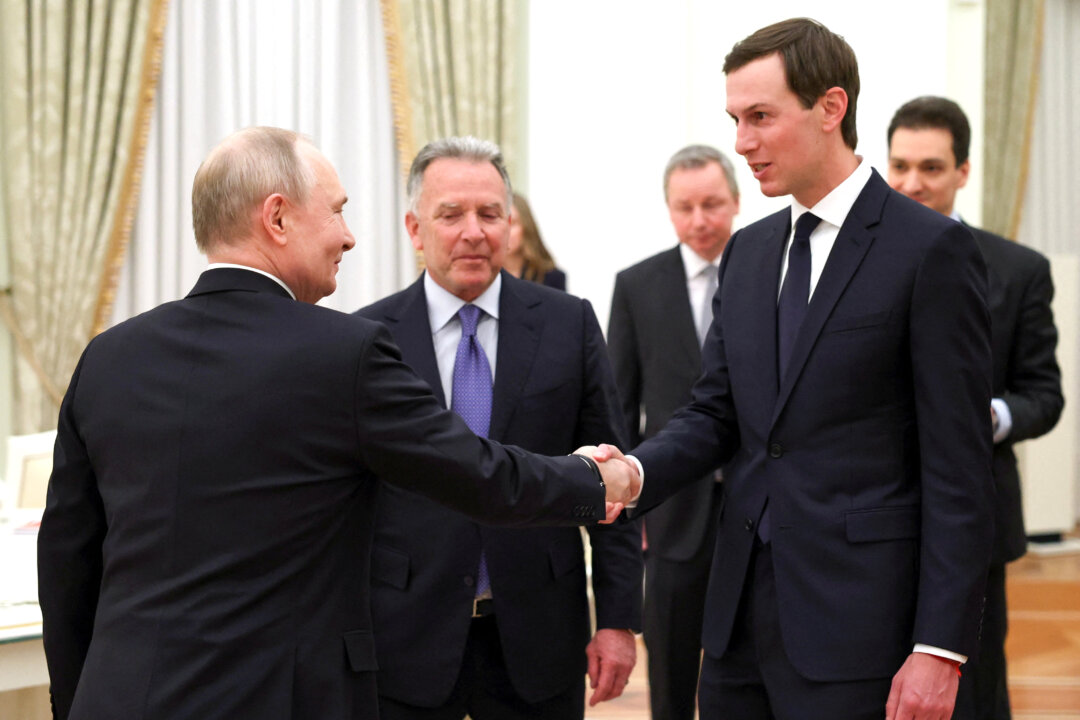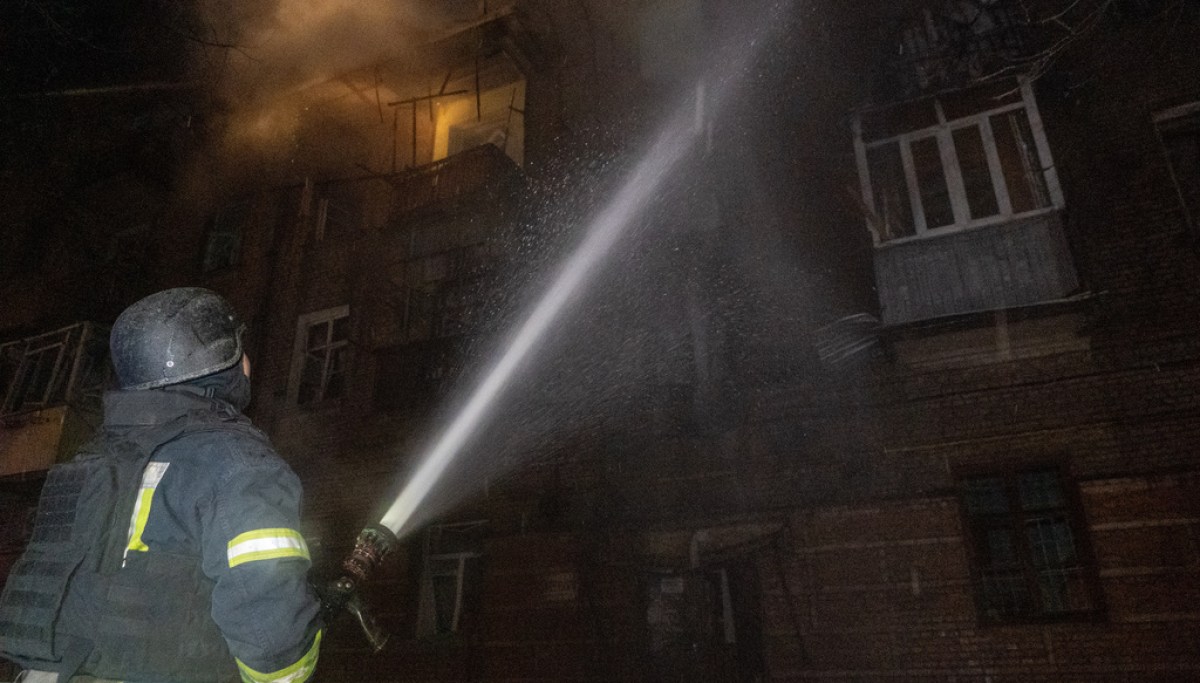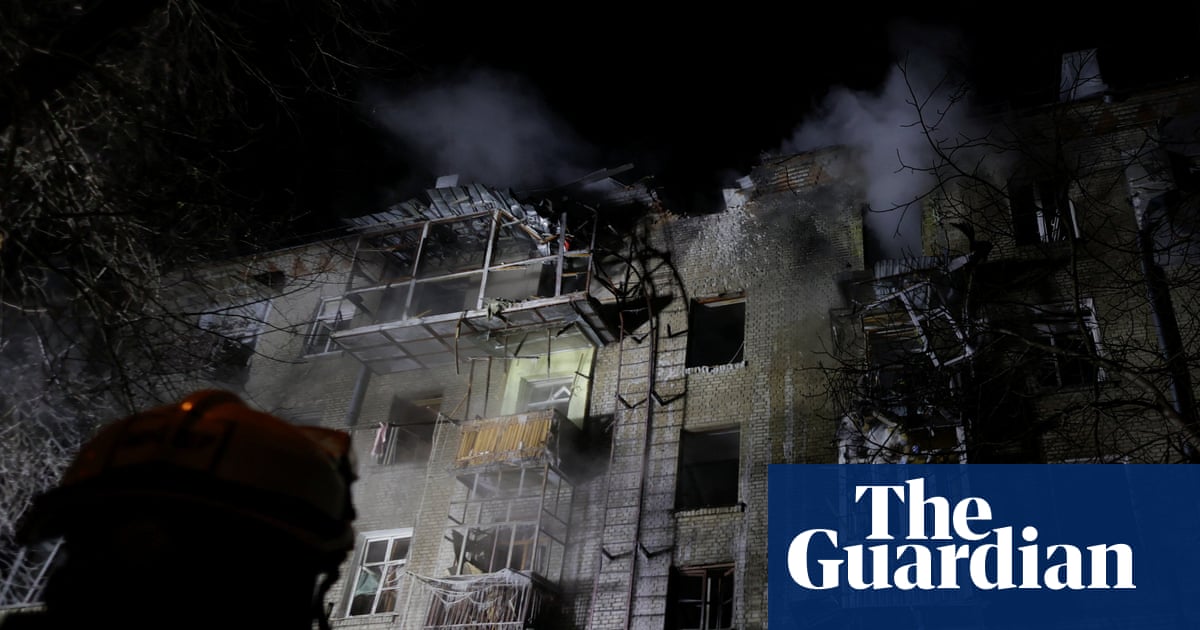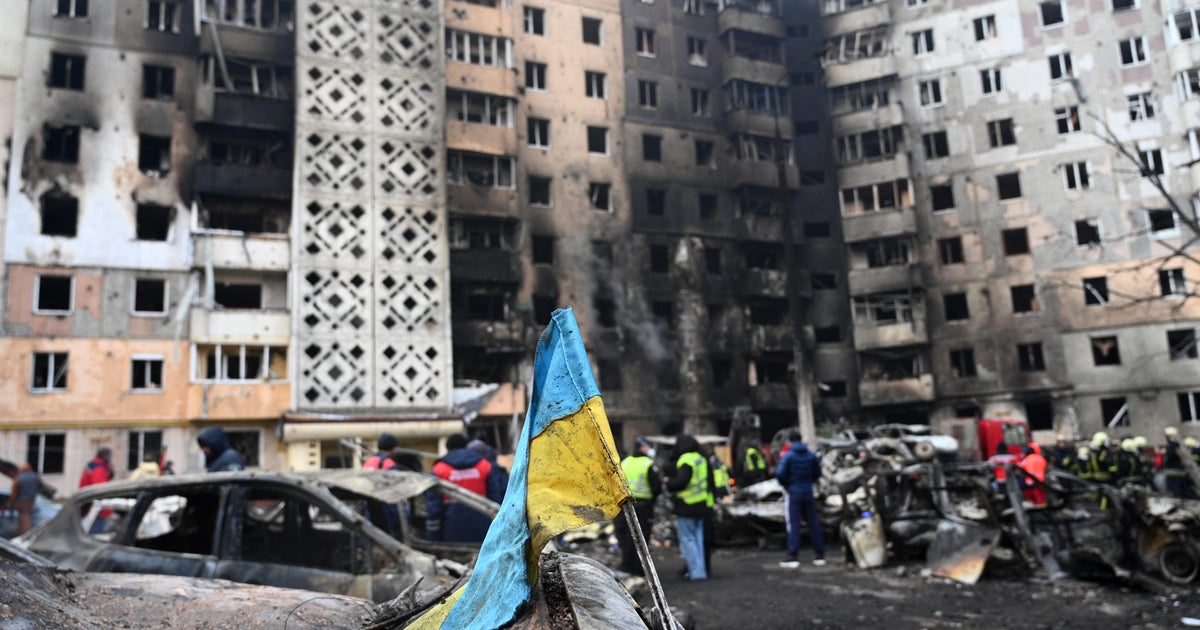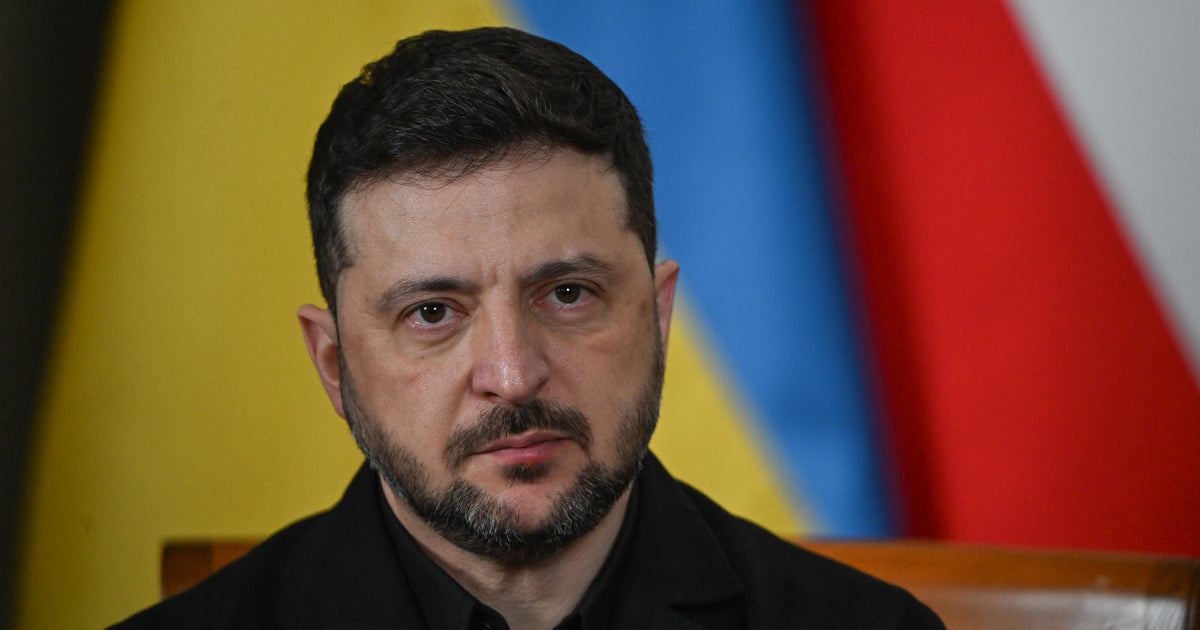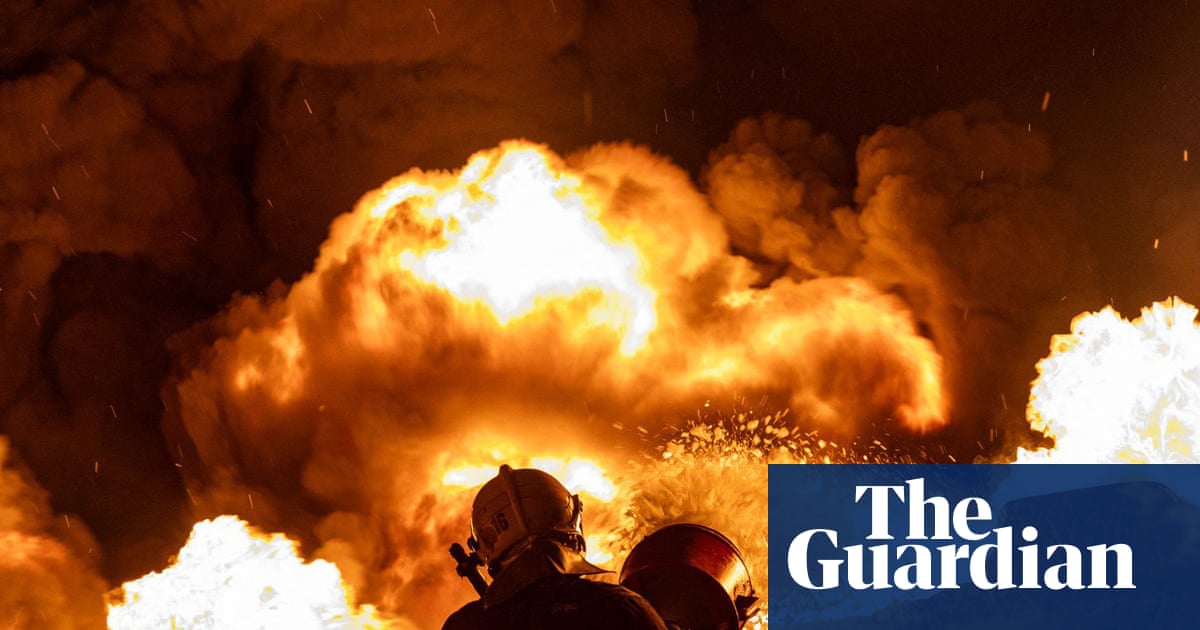




Trilateral talks involving officials from the United States, Russia, and Ukraine have been held over two days in Abu Dhabi, hosted by the United Arab Emirates’ foreign ministry, marking the first high-level three-way summit of this kind since Russia’s full-scale invasion began nearly four years ago. Both liberal- and conservative-leaning outlets agree that the discussions are framed as security or peace talks intended to explore political parameters for ending the war, with U.S. envoys playing a mediating role and the UAE presenting the format as constructive. Coverage from both sides notes that Russia is represented by senior security figures, that the talks focus heavily on territorial control in eastern Ukraine’s Donbas region, and that the meetings have been described by participants as “constructive,” with the possibility of follow-on sessions as early as next week. They also concur that the talks unfolded alongside intense Russian drone and missile attacks—including large-scale strikes on Kyiv, Kharkiv, and energy infrastructure—that left millions without power, caused casualties, and drew condemnations from Ukrainian officials.
Across the spectrum, outlets situate the talks within the broader context of Russia’s long-running attempts to consolidate its control over occupied Ukrainian territory and Ukraine’s resistance to any formal cession of land, particularly in Donbas and other annexed areas. Liberal and conservative reports alike highlight that Russia is pressing for Ukrainian military withdrawal from contested regions as a core condition, while Ukraine insists on maintaining its territorial integrity and seeks strong Western or U.S.-backed security guarantees in any settlement. Both sides’ coverage references years of grinding conflict, repeated Russian strikes on civilian and energy targets that have triggered a deepening winter energy crisis and humanitarian hardship, and parallel international efforts to supply Ukraine with aid, generators, and air defenses. The outlets broadly agree that the Abu Dhabi talks are an exploratory step rather than a final deal, with key issues like borders, security guarantees, and ongoing attacks still unresolved but now being addressed in a rare three-party format.
Areas of disagreement
Framing of the talks’ significance. Liberal-aligned outlets tend to portray the Abu Dhabi meetings as tense but cautiously constructive, stressing how Russia’s ongoing military pressure and maximalist demands severely limit the potential for a real breakthrough. They often highlight Ukrainian statements that progress is partial and confined to parameters, not substantive concessions, underscoring that the war’s core disputes remain untouched. Conservative outlets more frequently emphasize the symbolism and diplomatic importance of simply getting all three parties to the table, describing the UAE-hosted talks as a potentially pivotal step toward ending the nearly four-year crisis and as evidence that Washington is actively pursuing a negotiated outcome.
Territorial demands and responsibility. Liberal coverage foregrounds Russia’s insistence that Ukraine abandon or withdraw from the Donbas region and potentially other occupied areas, portraying these conditions as unilateral and incompatible with international law and Ukraine’s sovereignty. They frame this stance as the principal obstacle to a ceasefire and stress that President Zelenskyy categorically rejects giving up any defended land. Conservative outlets acknowledge Moscow’s territorial demands but tend to relay them in more neutral terms, focusing on the fact that the U.S.-Ukraine plan under discussion centers on territorial control in Donbas and sometimes treating this as one negotiating variable among several rather than the overriding moral red line.
Characterization of Russian attacks during talks. Liberal-aligned sources describe Russia’s simultaneous missile and drone barrages as “brutal” and “cynical,” overtly linking the strikes to an effort to intimidate Ukraine and undermine diplomacy while worsening an already dire energy and humanitarian crisis. They stress the deliberate targeting of energy infrastructure and urban centers and present the attacks as evidence that Moscow is negotiating in bad faith. Conservative reports also acknowledge the scale of the strikes, casualties, and power outages, but more often present them as battlefield developments occurring in parallel to diplomacy, with less explicit framing that the attacks prove the talks are being sabotaged or that Russia’s participation is purely performative.
U.S. role and motivations. Liberal outlets generally cast the U.S. role—under the current administration context referenced in their pieces—as an attempt to secure a just settlement that preserves Ukraine’s sovereignty and bolsters Western security guarantees, while warning that pressure on Kyiv to trade land for peace would be dangerous. They often highlight Ukraine’s agency and its refusal to yield territory despite U.S. mediation. Conservative sources, by contrast, stress Washington’s drive to “promote dialogue” and secure an off-ramp to a costly and prolonged war, treating the trilateral format as a pragmatic security dialogue and emphasizing prior “constructive and very frank” U.S. talks with Russia, sometimes with less focus on the risk that any deal might undercut Ukrainian red lines.
In summary, liberal coverage tends to stress Russia’s maximalist territorial demands, the moral and legal stakes for Ukrainian sovereignty, and the apparent contradiction between Moscow’s heavy strikes and its participation in talks, while conservative coverage tends to highlight the diplomatic opportunity, the UAE-hosted format, and the U.S. effort to broker a pragmatic security arrangement with fewer explicit judgments about specific concessions.