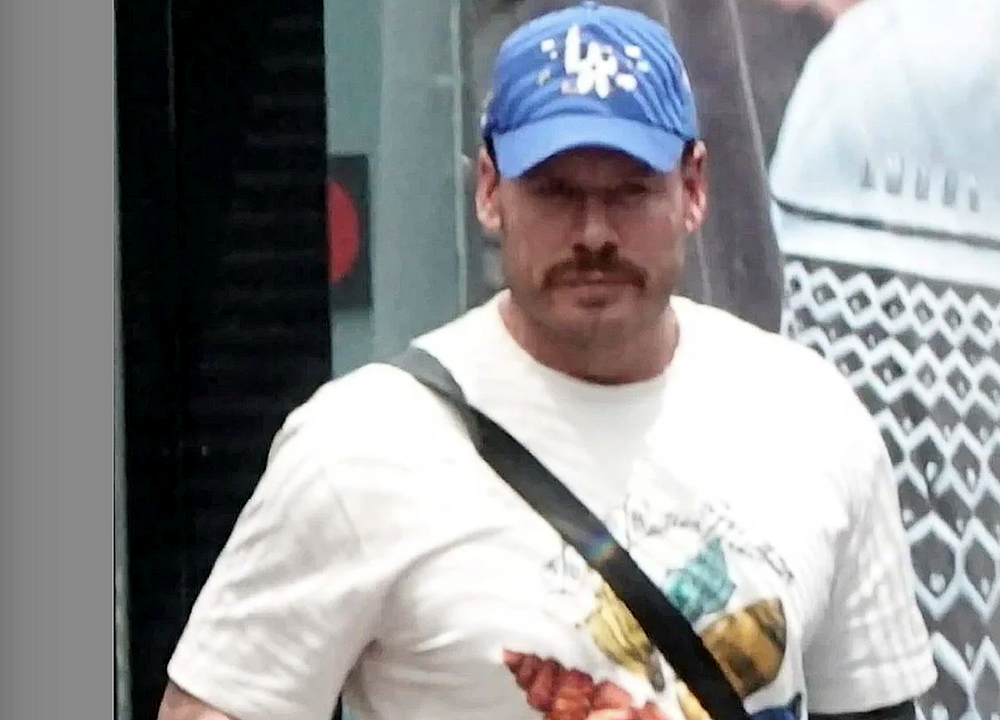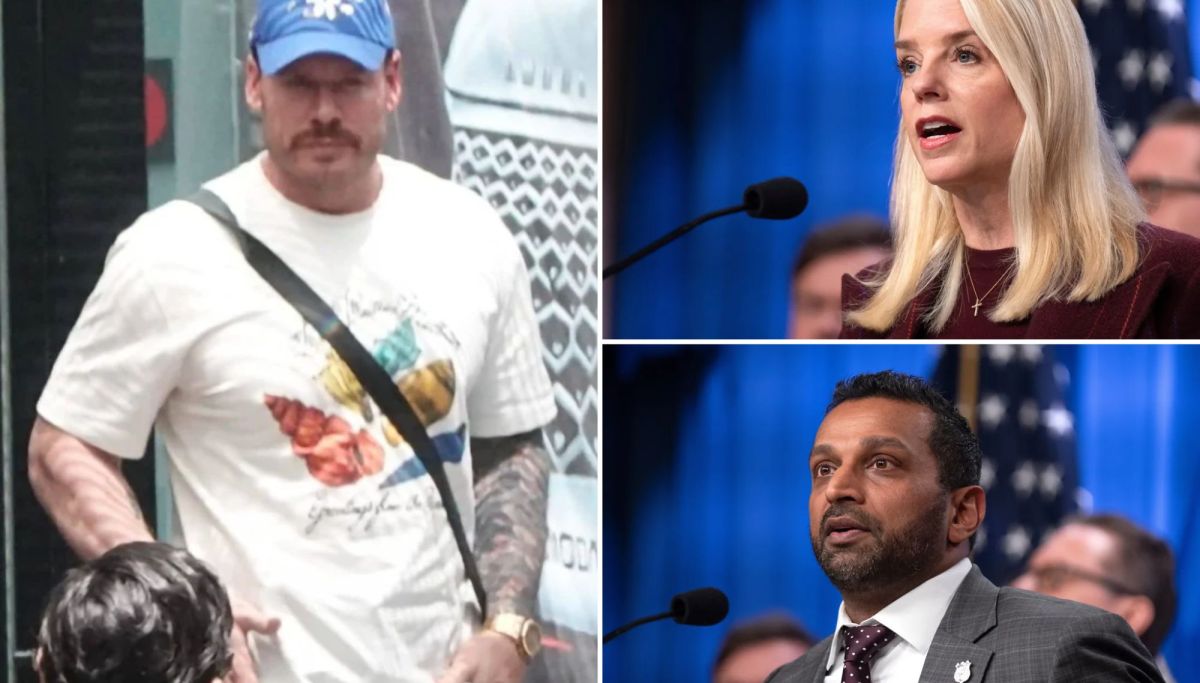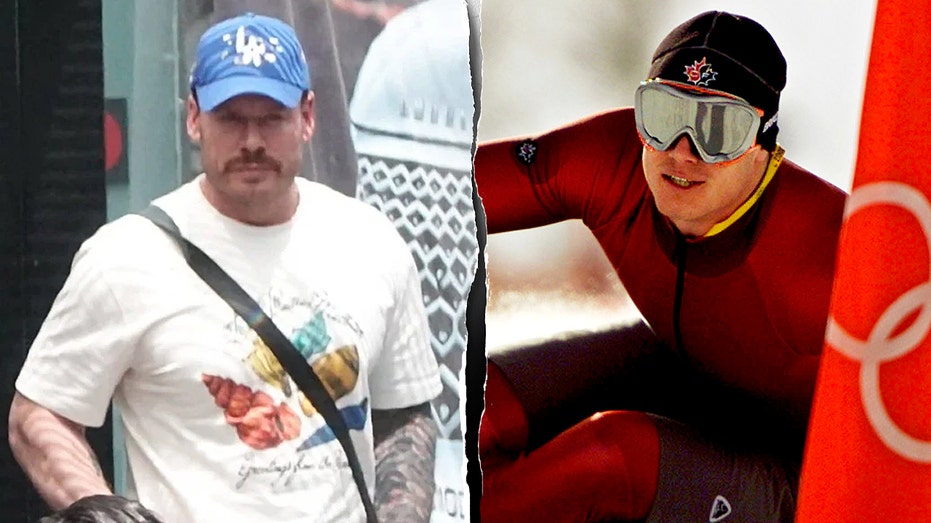






Ryan Wedding, a former Canadian Olympic snowboarder and one of the FBI’s Ten Most Wanted fugitives, has been arrested in Mexico after a prolonged manhunt involving both U.S. and Canadian authorities. Both liberal and conservative outlets agree that he is accused of leading a large, violent, transnational cocaine trafficking organization tied to Mexican cartels, generating revenue that U.S. officials have publicly described as reaching into the billions of dollars. Coverage on both sides notes allegations that Wedding ordered or orchestrated multiple murders, including the killing of or placing a bounty on at least one federal witness and retaliatory violence over drug debts and stolen shipments. Reports concur that he was taken into U.S. custody by the FBI, transported back to the United States, and is scheduled to appear in federal court, facing serious charges related to drug trafficking, murder, and witness tampering.
Across the spectrum, outlets situate Wedding’s case within the broader problem of cross-border narcotics trafficking and organized crime linking North and South America. They emphasize his dramatic trajectory from elite athlete and Olympic-level competitor to an alleged drug cartel collaborator and kingpin, highlighting institutional cooperation among the FBI, RCMP, and Mexican authorities under an operation sometimes identified as Operation Giant Slalom. Liberal and conservative coverage alike stress that he remains an accused individual awaiting trial, that the case underscores longstanding challenges in combating multinational cocaine routes, and that U.S. federal agencies view his capture as a significant milestone in ongoing efforts to dismantle large-scale trafficking and associated violence.
Areas of disagreement
Scale and framing of the criminal enterprise. Liberal-aligned outlets tend to mention that some experts question whether U.S. authorities may be exaggerating the size and revenue of Wedding’s organization for political or promotional purposes, and they more frequently use words like "alleged" and "accused" when referring to him as a kingpin. Conservative outlets more readily accept and amplify official claims that the operation was a billion-dollar enterprise, stressing his purported status as a major international drug lord and emphasizing the scope of the threat he posed. While liberals sometimes frame the billion-dollar figure as a prosecutorial narrative that remains to be tested in court, conservatives treat it as a central, largely uncontested fact that justifies the resources deployed in the manhunt.
Tone toward law enforcement and institutions. Liberal coverage often highlights the joint FBI–RCMP investigation but pairs this with mild skepticism, noting the possibility of institutional overstatement and raising questions about how such a large network flourished before being disrupted. Conservative coverage tends to be more celebratory of the FBI and other agencies, focusing on the success of the manhunt, the effectiveness of cross-border cooperation, and the personal involvement of senior figures in bringing Wedding back to the United States. Where liberal sources may hint at systemic failures or political incentives behind high-profile cases, conservative sources largely frame the story as a straightforward law-and-order victory.
Political and policy implications. Liberal outlets are more likely to connect the case to structural issues in drug policy, including demand in North America and the dynamics of cartel violence, sometimes implying that focusing on a single dramatic figure risks obscuring deeper causes. Conservative coverage more often uses the story to underscore the dangers of transnational crime and the need for robust border security and aggressive prosecution, sometimes alluding to broader concerns about cartel influence and weak enforcement. As a result, liberals tend to place Wedding’s alleged crimes within a critique of the overall drug war framework, whereas conservatives use his capture to validate tough-on-crime and security-oriented approaches.
Characterization of Wedding himself. Liberal-leaning reporting frequently underscores Wedding’s status as a "hopeful" or former athlete whose life took a dark turn, exploring the narrative arc from sports celebrity to alleged criminal and occasionally hinting at social or psychological factors. Conservative outlets depict him more consistently as a hardened, extremely violent figure responsible for numerous deaths, concentrating less on his personal fall and more on his role as a dangerous target finally brought to justice. This leads liberal coverage to carry a somewhat more nuanced, if still critical, portrait of the man, while conservative pieces largely present him as emblematic of ruthless cartel-linked kingpins.
In summary, liberal coverage tends to stress the allegations and potential overstatement of Wedding’s criminal empire while probing systemic and institutional angles, while conservative coverage tends to foreground the scale of his purported crimes, celebrate law enforcement’s success, and fold the story into a broader crime-and-security narrative.