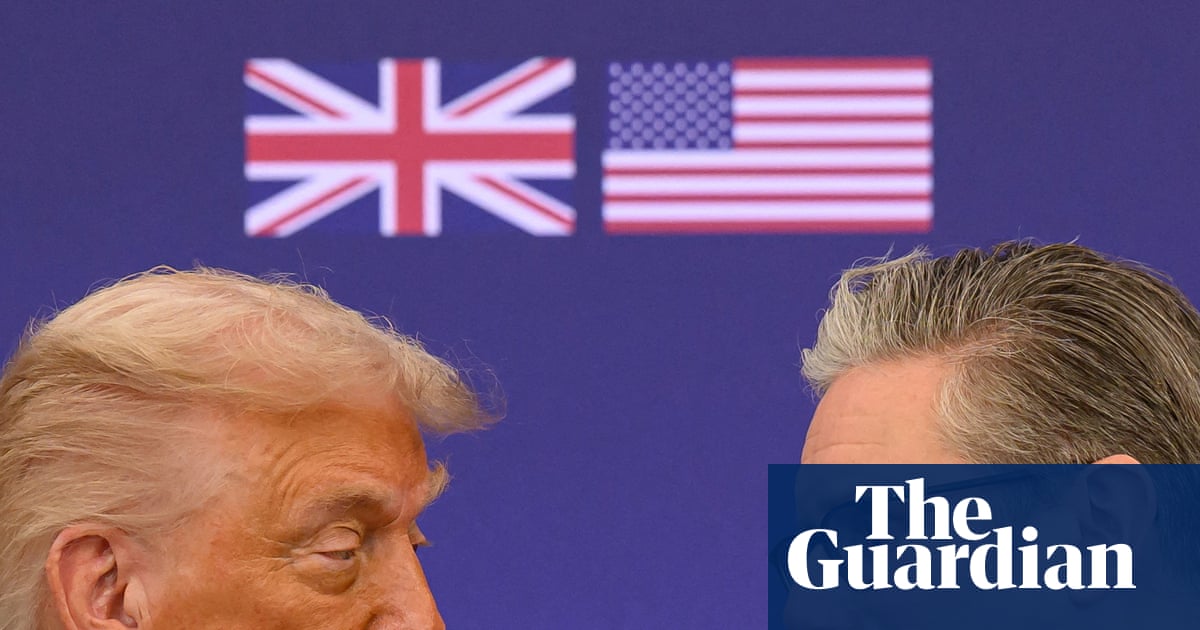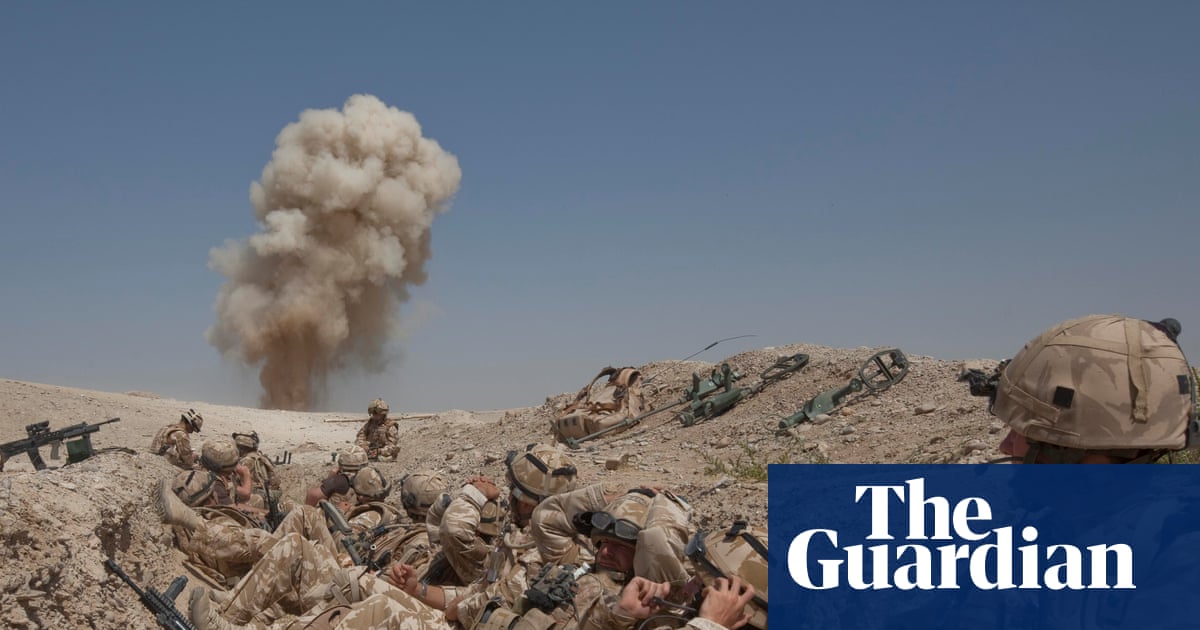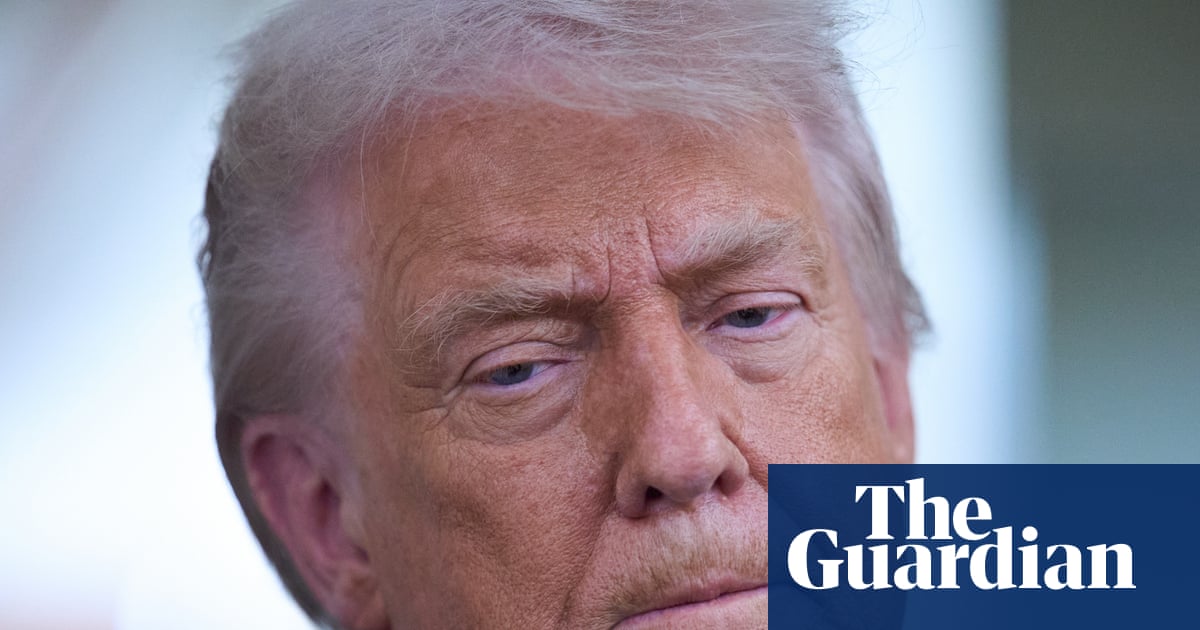
UK Prime Minister Keir Starmer publicly condemned Donald Trump’s recent remarks suggesting that some NATO troops, including British forces, stayed “a little off the front lines” in Afghanistan, calling the comments insulting, appalling, and diminishing to those who fought and died. Across the spectrum, outlets agree that Starmer urged Trump to apologize, that UK veterans and families of the fallen expressed anger, and that political leaders in other allied countries, such as Italy, also criticized Trump’s characterization of NATO contributions. Coverage notes that Trump later attempted to walk back his comments via social media, praising UK soldiers as among the greatest warriors, and that a subsequent call between Trump and UK leadership included references to shared sacrifices in Afghanistan and discussion of ongoing security issues such as Ukraine and Arctic defense.
Liberal and conservative sources both situate the controversy within the broader framework of the US‑UK relationship, NATO solidarity, and the enduring political sensitivity around the Afghanistan war and the losses sustained by British and other allied troops. They agree that criticism of Trump’s remarks taps into longstanding concerns about respect for servicemen and women, the symbolic importance of honoring allied sacrifices, and the potential diplomatic strain when a US president appears to belittle partners’ roles in coalition conflicts. Both sides also acknowledge that the episode comes against a backdrop of already tense transatlantic relations and ongoing debates over NATO burden‑sharing, European security, and the political use of foreign policy disputes in domestic arenas.
Areas of disagreement
Motives and political framing. Liberal-aligned coverage portrays Starmer’s rebuke as a principled defense of British and NATO troops and a long-overdue willingness to stand up to Trump, emphasizing moral outrage and alliance solidarity. Conservative-aligned coverage is more likely to frame Starmer’s intervention as opportunistic, casting it as a calculated attempt to shore up his position at home or distract from domestic controversies such as cancelled local elections and disputes over veterans’ policy. While liberals highlight the dignity of the response and distance from Trump’s rhetoric, conservatives underline timing and political self-interest.
Characterization of Trump’s remarks. Liberal sources describe Trump’s comments as appalling, insulting, and a direct slight to the memory of fallen soldiers, often stressing the emotional reaction of veterans and bereaved families and treating the walk-back as incomplete damage control. Conservative sources tend to present Trump’s original statement more neutrally or as a disputable assessment of frontline deployments, and they give greater weight to his subsequent praise of British troops as evidence that he respects allied forces. Liberals frame the controversy as emblematic of Trump’s disregard for allies, whereas conservatives more often interpret it as a communications misstep that was quickly corrected.
Impact on US‑UK and NATO relations. Liberal reporting stresses that the episode risks deepening a low point in US‑UK relations and undermining NATO unity, tying it to other Trump-era disputes over issues like territorial claims and broader skepticism toward multilateral institutions. Conservative coverage generally downplays the lasting diplomatic damage, framing the spat as a short-term war of words that does not fundamentally alter strategic cooperation or shared interests within NATO. Where liberals warn of frayed trust and a chance for Starmer to realign Britain more clearly with European partners, conservatives suggest the relationship is resilient and caution against overinterpreting the row.
Assessment of Starmer’s leadership. Liberal-aligned outlets tend to present Starmer’s stance as evidence of firm leadership on the international stage, arguing that calling out Trump could strengthen his domestic standing and unify his party around support for the armed forces and European-style multilateralism. Conservative-leaning narratives are far more skeptical, portraying him as a “failing” prime minister whose rhetorical defense of soldiers conflicts with past decisions affecting veterans and local democracy, and suggesting the episode reveals weakness or inconsistency rather than strength. Thus, liberals cast the moment as a positive inflection point for his premiership, while conservatives depict it as political theatre masking underlying governance problems.
In summary, liberal coverage tends to frame Starmer’s condemnation of Trump as a necessary, values-based defense of troops and alliances that exposes Trump’s disrespectful rhetoric and growing strain on transatlantic ties, while conservative coverage tends to portray the clash as an overblown, politically motivated spat in which Starmer exploits a minor misstatement for domestic advantage and Trump’s subsequent clarification restores basic respect for allied forces.
Story coverage