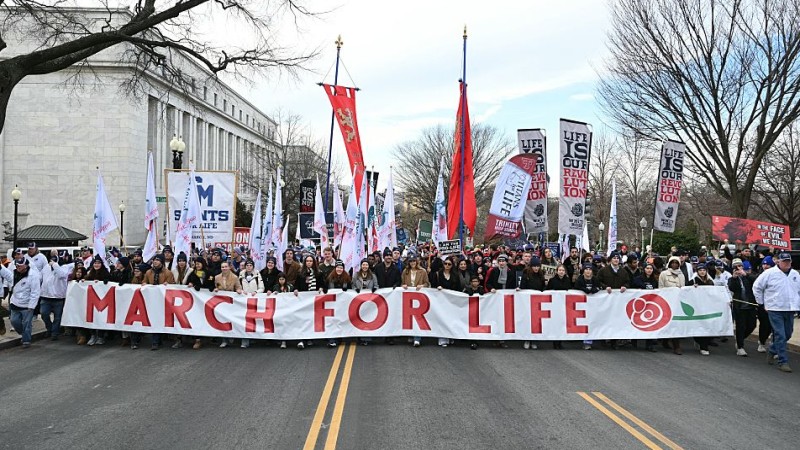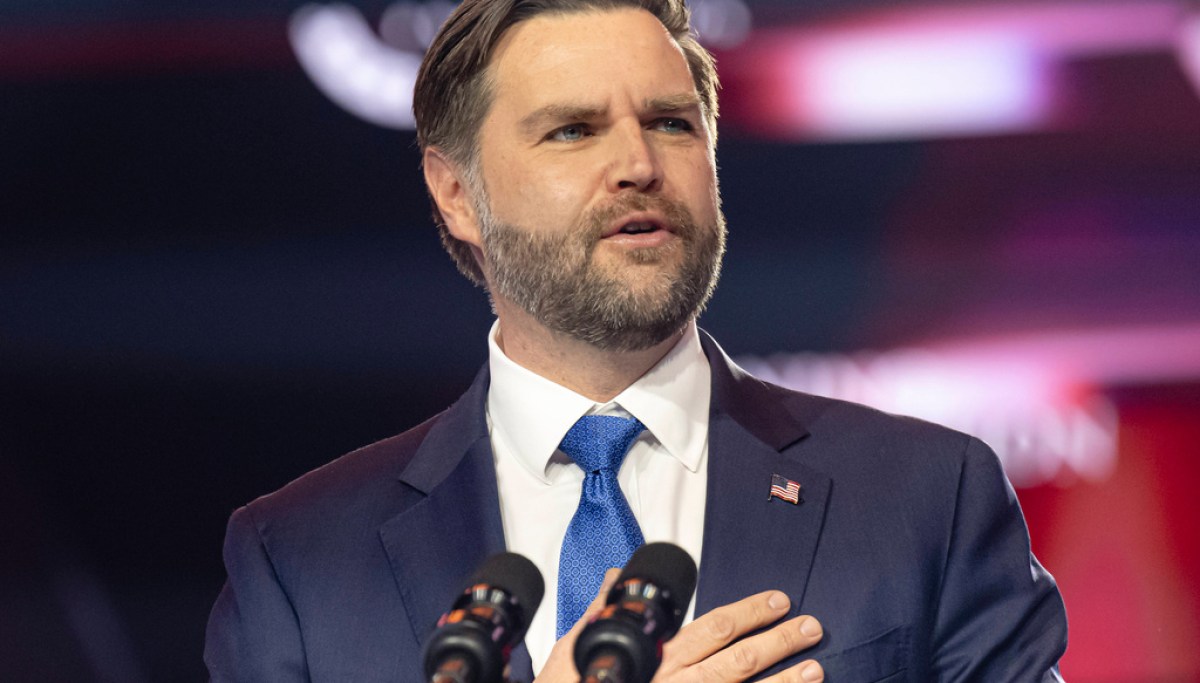



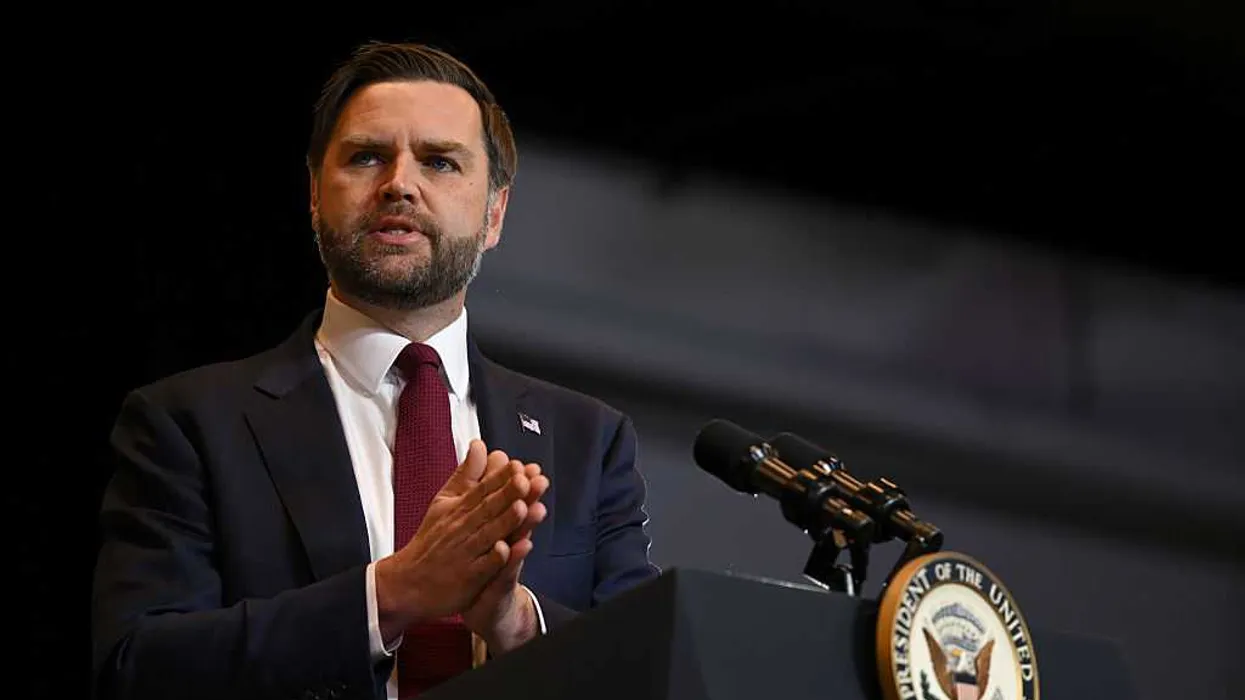
Coverage from both liberal- and conservative-aligned outlets agrees that Vice President JD Vance spoke in person at the annual March for Life rally in Washington, D.C., where President Donald Trump delivered a pre-recorded address. They concur that Vance announced a federal fraud investigation into Planned Parenthood affiliates over approximately $88 million in Paycheck Protection Program loans that may have been unlawfully received and forgiven. Both sides report that Vance praised the Trump administration’s anti-abortion record, including the appointment of Supreme Court justices who overturned Roe v. Wade, restrictions on the use of fetal tissue in federally funded research, and limits on foreign aid to groups involved in providing abortion services. The outlets also agree that Vance described the event as part of a broader struggle over abortion policy and urged activists to remain engaged.
Both liberal and conservative sources place the speech within the broader institutional and political context of the Trump administration’s alliance with the anti-abortion movement and the ongoing debate over federal funding for abortion-related organizations. They agree that Planned Parenthood is a central institutional target in this conflict, and that policies such as PPP loan eligibility, the Hyde Amendment, the Mexico City policy, and restrictions on abortion drugs and fetal tissue research are key battlegrounds. There is shared acknowledgment that anti-abortion groups are pressing for more aggressive enforcement of existing laws and tighter regulation of abortion methods, while Vance is urging a realistic strategy that emphasizes state-level action due to limited national support for sweeping bans. Both sides also note that activists within the movement are debating the pace and extent of federal reforms, including questions about how far the administration will go on issues like abortion pills and broader funding limits.
Areas of disagreement
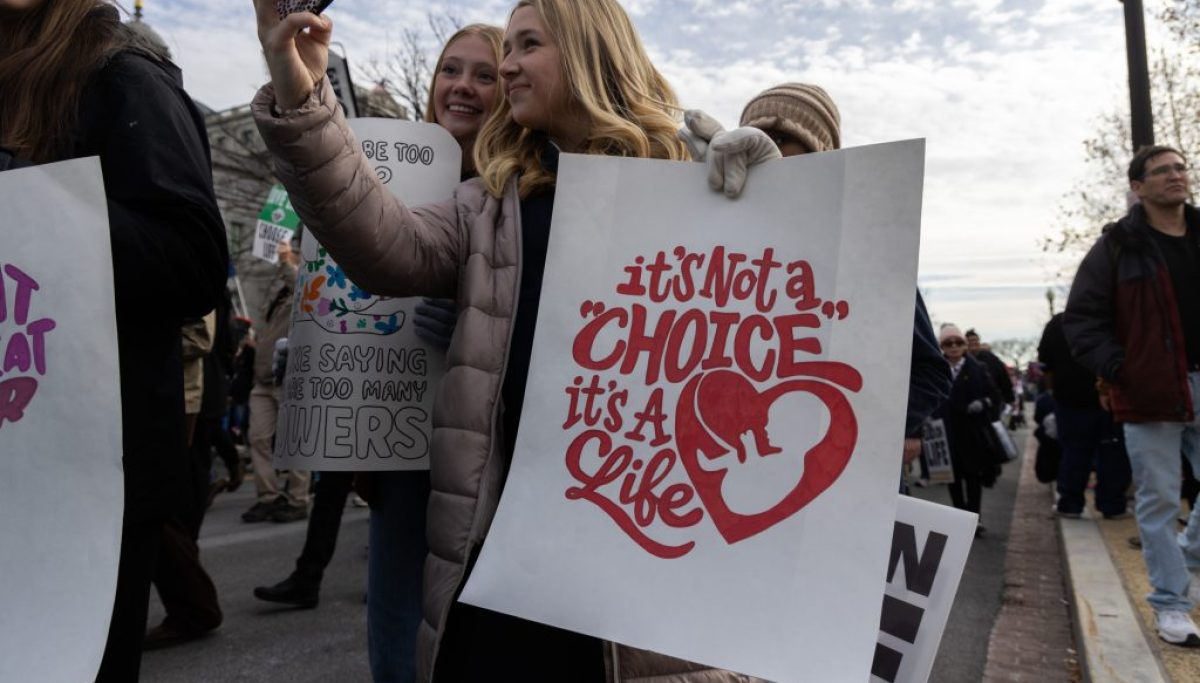
Characterization of the event and crowd. Conservative outlets portray the March for Life as a historic, triumphant gathering of pro-life activists defending civilization and religious liberty, emphasizing large, enthusiastic crowds and spiritual language about a battle that must be won. Liberal-aligned coverage, even when acknowledging the crowd’s excitement, tends to frame the rally more narrowly as a highly mobilized segment of the right rather than a broad national consensus. Conservatives stress the emotional resonance and moral unity of attendees, while liberals see it as a partisan, movement-specific demonstration whose scale does not necessarily reflect wider public opinion.
Framing of Planned Parenthood and the fraud probe. Conservative sources describe the investigation into Planned Parenthood’s PPP loans as a necessary exposure of potential misuse of taxpayer money and frame the issue as “fraud for abortion,” underscoring Planned Parenthood as an improper recipient of pandemic relief. Liberal-aligned coverage is more skeptical of the underlying narrative, highlighting that these are still alleged irregularities and suggesting the probe fits a long-running political effort to weaken Planned Parenthood’s broader operations. While conservatives stress accountability and imply systemic wrongdoing, liberals emphasize the politicized nature of singling out Planned Parenthood and note the absence so far of adjudicated findings.
Portrayal of the Trump–Vance record on abortion. Conservative outlets cast Trump and Vance as having delivered unprecedented victories for the pro-life cause, spotlighting the end of Roe v. Wade, expanded foreign-aid restrictions, and new limits on fetal tissue research as proof that they are the most effective pro-life leaders in modern history. Liberal-leaning coverage tends to present these same actions as a rollback of reproductive rights and scientific freedom, describing them as ideological moves that undermine healthcare access and research rather than policy achievements. Conservatives frame the record as a foundation for building a “culture of life,” whereas liberals frame it as part of a broader erosion of reproductive and civil liberties.
Strategic direction and political realism. Conservative sources largely echo Vance’s argument that pro-life activists must focus on achievable, state-level gains while still pressing for stricter federal actions, including on abortion drugs and funding restrictions, and they treat internal movement criticisms as a healthy tactical debate. Liberal-aligned reporting highlights those activist frustrations to argue that the movement is divided between maximalist demands and the political limits imposed by public opinion, especially after recent ballot-box setbacks for abortion bans. Conservatives present the strategic recalibration as prudent realism in a hostile media and political environment, while liberals depict it as an acknowledgment that broad national abortion restrictions are currently unpopular and difficult to enact.
In summary, liberal coverage tends to emphasize the probe and rally as manifestations of a politicized campaign against abortion providers and reproductive rights, while conservative coverage tends to celebrate them as principled steps in a moral struggle to defend life, ensure fiscal accountability, and recalibrate pro-life strategy to current political realities.