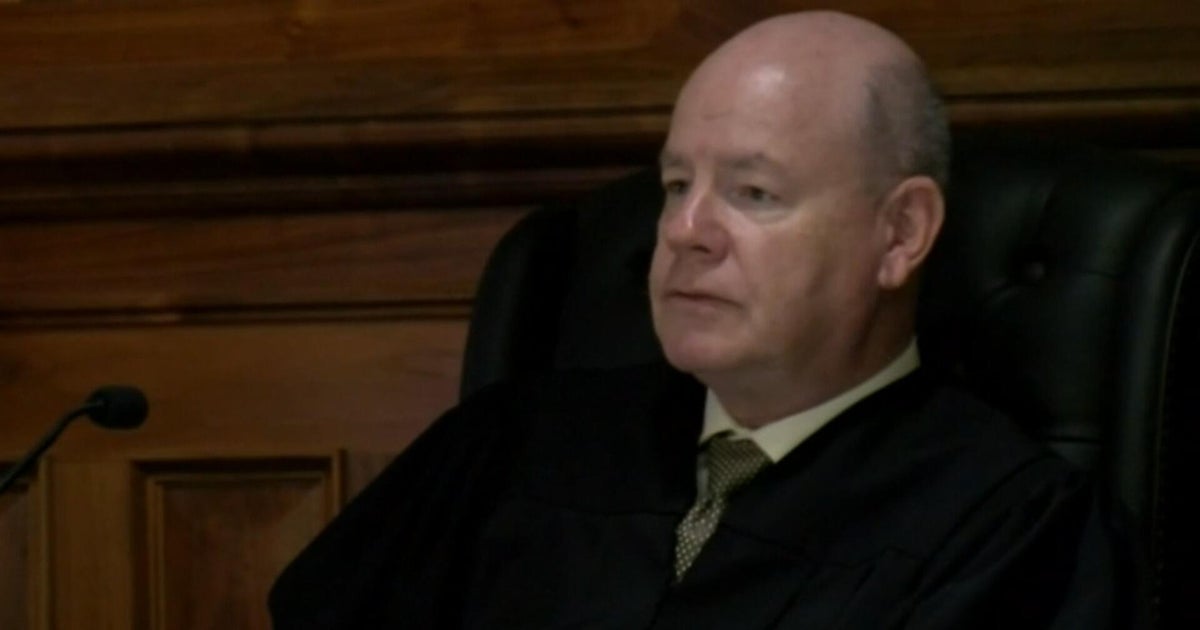




Five individuals from Indiana and Kentucky have been arrested in connection with the shooting of Tippecanoe County Judge Steven Meyer and his wife, Kimberly, outside their Indiana home. Across liberal- and conservative-leaning outlets, reports agree that three of the suspects are charged with attempted murder and conspiracy, while the remaining two face related counts including obstruction of justice, assisting a criminal, and bribery. Both sides note that Judge Meyer was shot in the arm and Kimberly Meyer in the hip, that both survived and are in stable condition, and that the alleged plot is tied to at least one suspect who had an active domestic violence or related case before Judge Meyer. Coverage from both perspectives emphasizes the swift action of law enforcement, the coordination of Indiana authorities with Kentucky counterparts, and that all five suspects are now in custody.
Liberal and conservative sources also concur on key institutional and procedural context: the Meyers are recovering as the case moves into the charging and pretrial phase, with prosecutors signaling a serious, multi-defendant conspiracy case rooted in a defendant’s anger over court proceedings. Both sides highlight that the case underscores broader concerns about threats to public officials and the functioning of the justice system, particularly when judges preside over emotionally charged cases such as domestic violence. Outlets from each perspective mention that the incident has prompted public statements from local officials defending judicial independence and calling for calm, and they frame the arrests as a test of the system’s ability to protect its own officers while still affording due process to the accused.
Areas of disagreement
Motives and framing. Liberal-aligned coverage tends to foreground the alleged connection between the shooting and a defendant’s unresolved domestic violence or related case, stressing patterns of intimidation against judges in sensitive criminal matters, while conservative outlets keep the motive description briefer and more case-specific. Liberal sources more often place the episode in a broader narrative of rising threats to public officials and erosion of respect for the rule of law, while conservative reports mostly treat it as a serious but discrete criminal plot. Where liberals hint at systemic issues—such as hostility toward courts handling interpersonal violence—conservative stories usually stop at describing the suspects’ personal grievances and charges.
Judicial safety and systemic implications. Liberal coverage more explicitly uses the incident to highlight national concerns about judicial security, referencing calls for enhanced protections, better threat assessment, and possible reforms to safeguard judges handling volatile dockets. Conservative outlets acknowledge the gravity of targeting a judge but generally refrain from extensive discussion of structural reforms, instead emphasizing that existing law-enforcement mechanisms worked effectively here. Liberals are likelier to describe the case as emblematic of escalating risks to democratic institutions, whereas conservatives tend to underscore that the system responded decisively and that this reinforces, rather than undermines, confidence in current protective frameworks.
Tone toward the justice system. Liberal sources often adopt a tone that mixes alarm with reassurance, stressing both the vulnerability of judges and the need to strengthen institutional safeguards to prevent copycat attacks. Conservative outlets, by contrast, highlight the competence and speed of police and prosecutors, underscoring that the suspects were apprehended and charged under existing statutes without delving deeply into perceived gaps. While liberal coverage may portray the incident as part of a troubling trend of intimidation against public servants, conservative coverage more commonly frames it as an isolated criminal assault that is being effectively handled through normal judicial processes.
Political and cultural resonance. Liberal-leaning reports, even when not overtly partisan, more readily situate the case within a climate of heightened aggression toward legal authorities and public institutions, implying that vitriol around courts can embolden extreme acts. Conservative accounts generally avoid broader political or cultural extrapolation, focusing on factual updates such as charges, custody status, and victims’ conditions rather than cultural commentary. As a result, liberal coverage subtly ties the shooting to debates over civic norms and respect for institutions, whereas conservative coverage largely brackets out those debates and keeps the focus on crime, accountability, and public order.
In summary, liberal coverage tends to use the shooting to highlight systemic threats to judicial safety, the broader climate of hostility toward public officials, and potential reforms, while conservative coverage tends to emphasize the concrete criminal charges, law-enforcement responsiveness, and the case as a serious but contained incident being addressed within existing legal frameworks.
Story coverage