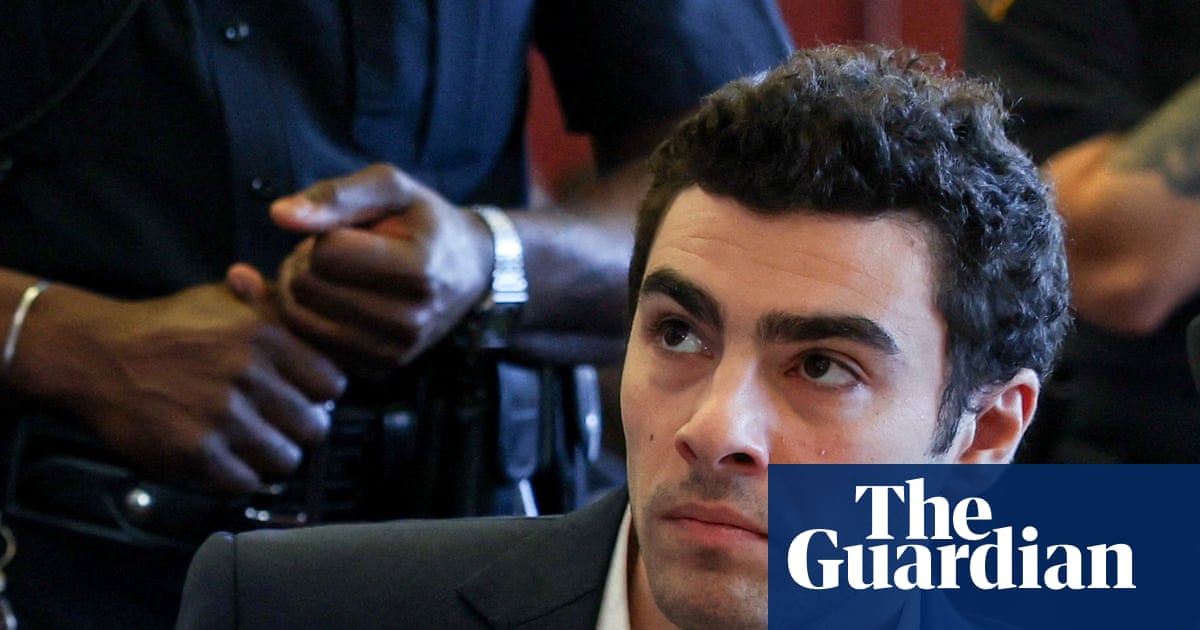
Jury selection for the federal murder trial of Luigi Mangione, accused of killing UnitedHealthCare CEO Brian Thompson, is scheduled to begin on September 8, with both liberal and conservative outlets agreeing on the core timeline and procedural posture. Coverage on both sides notes that Judge Margaret Garnett confirmed the start date and that the trial will determine Mangione’s legal fate, including whether the case proceeds as a capital trial with potential death penalty implications.
Across the spectrum, reporting situates the case within the federal criminal justice system, emphasizing the role of the judge in ruling on evidentiary issues and the capital status of the prosecution. Both liberal and conservative sources agree that the trial’s direction depends on pending legal decisions, including how evidence gathered during Mangione’s arrest is treated and whether the government continues to pursue the case as one eligible for the death penalty.
Areas of disagreement
Legal process and rights. Liberal-aligned coverage highlights the defense challenge to the search of Mangione’s backpack, stressing concerns over warrantless searches and the protection of constitutional rights even in high-profile murder cases. Conservative coverage either downplays or omits the evidentiary dispute, focusing instead on the fact that a judge has set the date and that the system is moving toward trial and possible punishment.
Emphasis on capital punishment. Liberal sources tend to frame the death penalty question as a major uncertainty, noting that the judge’s decisions will shape whether this remains a capital case and implicitly raising concerns about the severity of such a penalty. Conservative outlets more straightforwardly present the potential for a death sentence as an expected part of a federal murder prosecution, emphasizing that the trial will determine Mangione’s fate after the killing of a prominent CEO.
Characterization of the case. Liberal-aligned reporting presents the case with procedural nuance, balancing the gravity of the alleged killing with detailed attention to legal motions and judicial oversight. Conservative coverage concentrates on the seriousness of the crime and the prominence of the victim, describing the proceeding primarily as the trial that will decide accountability for the CEO’s death.
In summary, liberal coverage tends to stress procedural safeguards, evidentiary disputes, and the implications of capital punishment, while conservative coverage tends to highlight the confirmed trial date, the gravity of the alleged crime, and the prospect of firm punishment for the killing of a high-profile business leader.