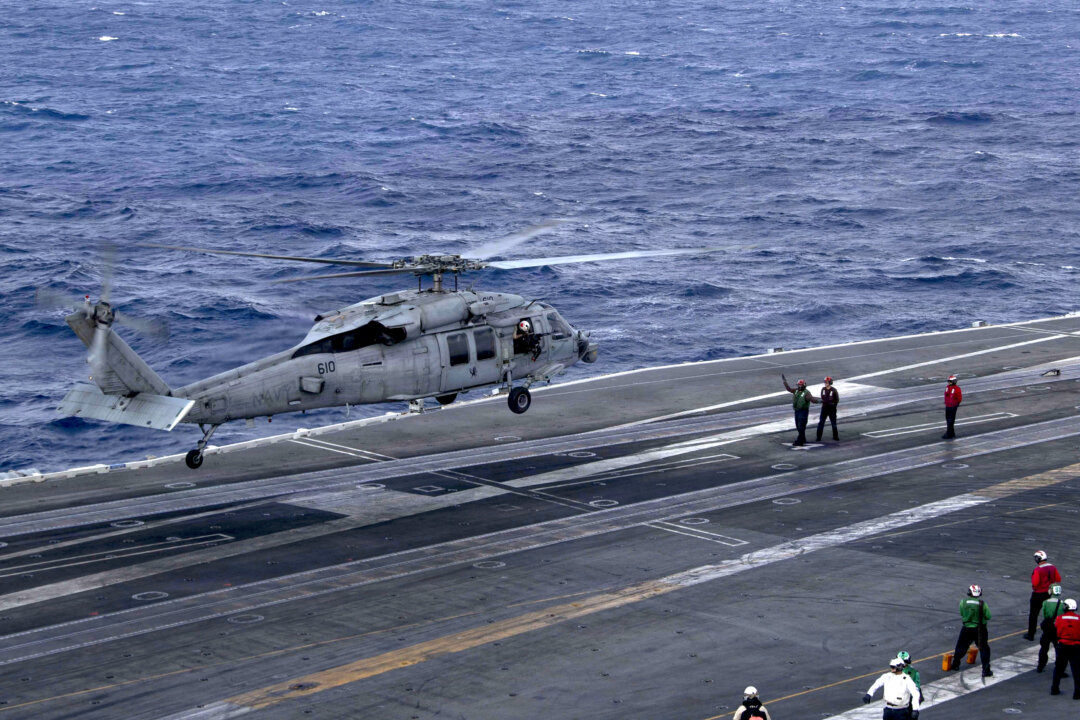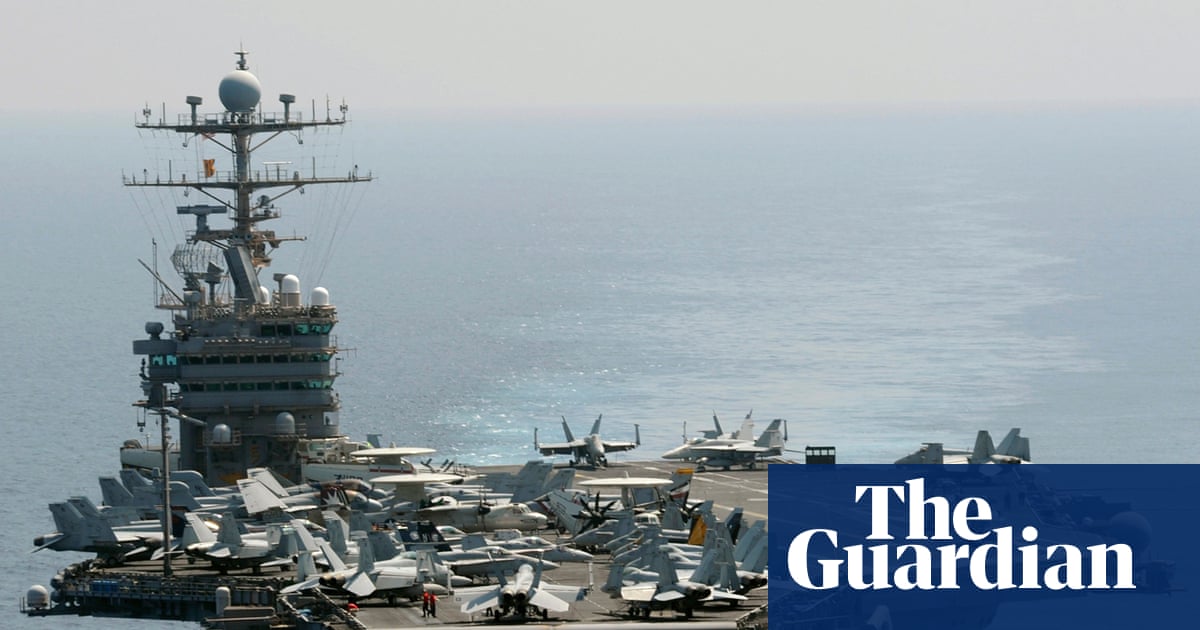

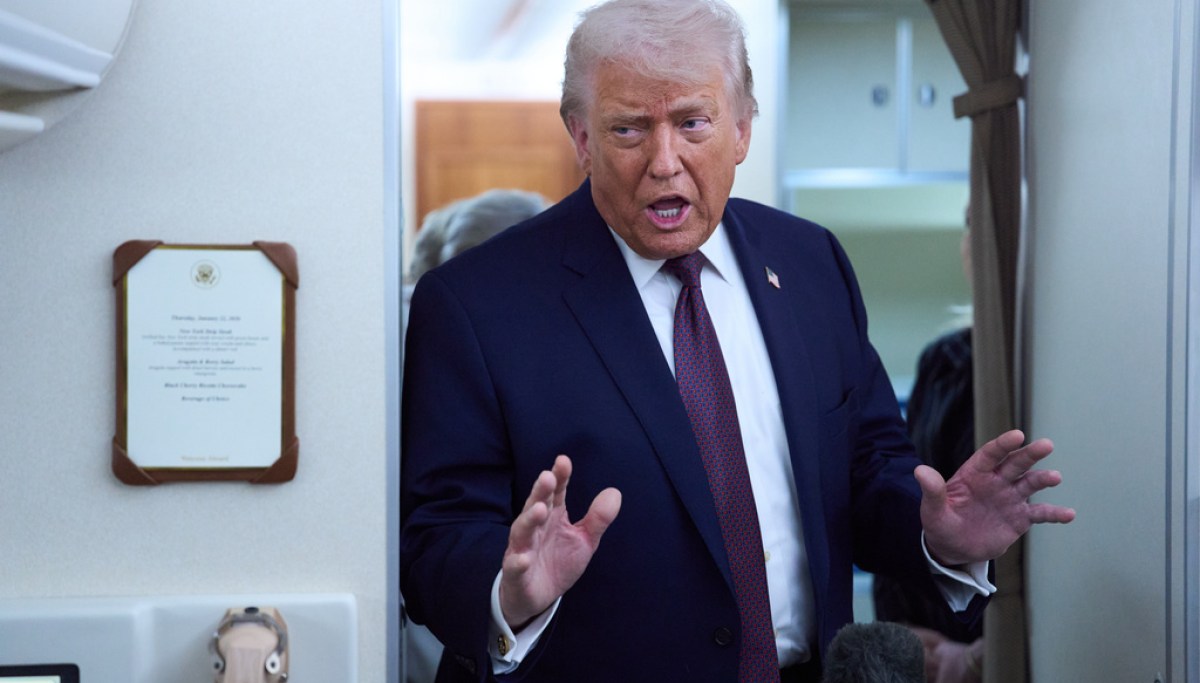
News coverage from both liberal and conservative outlets agrees that former President Donald Trump publicly announced that a large U.S. naval force or “armada” is heading toward Iran or the broader Middle East region amid widespread anti-regime protests in Iran. They concur that Trump framed the deployment as a response to Iran’s violent crackdown on demonstrators and to threats of mass executions, claiming he personally intervened to stop or delay the hanging of hundreds of protesters and warning of severe consequences if Iran proceeded. Both sides report that senior Iranian officials, including the foreign minister and president, issued defiant statements promising a strong response to any U.S. attack and portraying the unrest as the product of foreign conspiracy. Coverage also notes that the move has immediate geopolitical and economic reverberations, such as sharp increases in oil prices, even as some analysts downplay the likelihood of immediate impacts on consumer gas prices.
Across outlets, reports situate Trump’s announcement within the context of Iran’s largest wave of protests since the 1979 revolution, marked by a high and disputed death toll—often cited as more than 5,000 killed in the crackdown—and widespread detentions. They highlight long-running U.S.-Iran tensions, including the history of sanctions, previous military confrontations in the Gulf, and the role of international institutions such as the United Nations, whose human rights commissioner has condemned Iran’s “brutal repression” and called for transparency about detainees’ fates. Both liberal and conservative sources mention that U.S. pressure—especially sanctions—is linked to Iran’s internal instability, and that Washington is using a mix of economic, diplomatic, and military tools to influence Tehran’s behavior. There is shared recognition that any escalation could reshape regional security, global energy markets, and the strategic calculations of both Iran’s leadership and its protest movement.
Areas of disagreement
Motives and framing of Trump’s move. Liberal-aligned coverage tends to present Trump’s armada announcement as a highly theatrical, escalatory gesture that risks inflaming an already volatile situation under the banner of protecting protesters. These outlets stress the spectacle of the announcement and question whether the deployment is calibrated for genuine protection or for political posturing and domestic consumption. Conservative outlets, by contrast, frame the move as a prudent precaution and a show of strength meant to deter mass executions and signal that the U.S. will back up its rhetoric with force if necessary.
Role of U.S. sanctions and responsibility for unrest. Liberal sources more often emphasize that years of crippling U.S. sanctions—especially under Trump—have deepened Iran’s economic misery, arguably contributing to the conditions that produced the protests while also weakening civil society. They highlight the UN’s concern about repression and suggest that external pressure must be balanced against humanitarian and diplomatic considerations. Conservative coverage foregrounds statements from U.S. officials crediting sanctions with fueling public dissatisfaction and undermining the regime’s capacity, portraying economic pressure as a core, successful tool of strategy rather than a driver of suffering.
Risk of war and regional destabilization. Liberal coverage tends to underscore the dangers of miscalculation, warning that deploying a large naval force near Iran increases the chances of direct conflict, jeopardizes regional stability, and could mirror past U.S. escalations in the Middle East. These outlets often couple the armada narrative with concern about oil shocks and broader global economic fallout should tensions spiral. Conservative outlets, while acknowledging higher oil prices, are more likely to stress deterrence, arguing that a visible military presence actually reduces the likelihood of Iranian adventurism and that limited economic ripples are acceptable in exchange for restraining Tehran.
Characterization of Iranian regime and protesters. Liberal-aligned outlets focus heavily on human rights, depicting the Iranian government as brutally repressing largely peaceful protesters and amplifying UN and activist voices stressing accountability and reform. They tend to portray protesters primarily as victims in need of international solidarity and legal pressure rather than military threats. Conservative sources also describe Iran as a repressive regime but emphasize its role as a hostile regional adversary, connecting domestic crackdowns to broader malign behavior and casting Trump’s threats as moral clarity and strategic necessity in confronting a dangerous government.
In summary, liberal coverage tends to emphasize the human-rights crisis, risks of militarization, and the potentially counterproductive role of U.S. escalation and sanctions, while conservative coverage tends to present Trump’s armada deployment and economic pressure as justified, effective tools of deterrence and moral leadership against an oppressive Iranian regime.
Story coverage