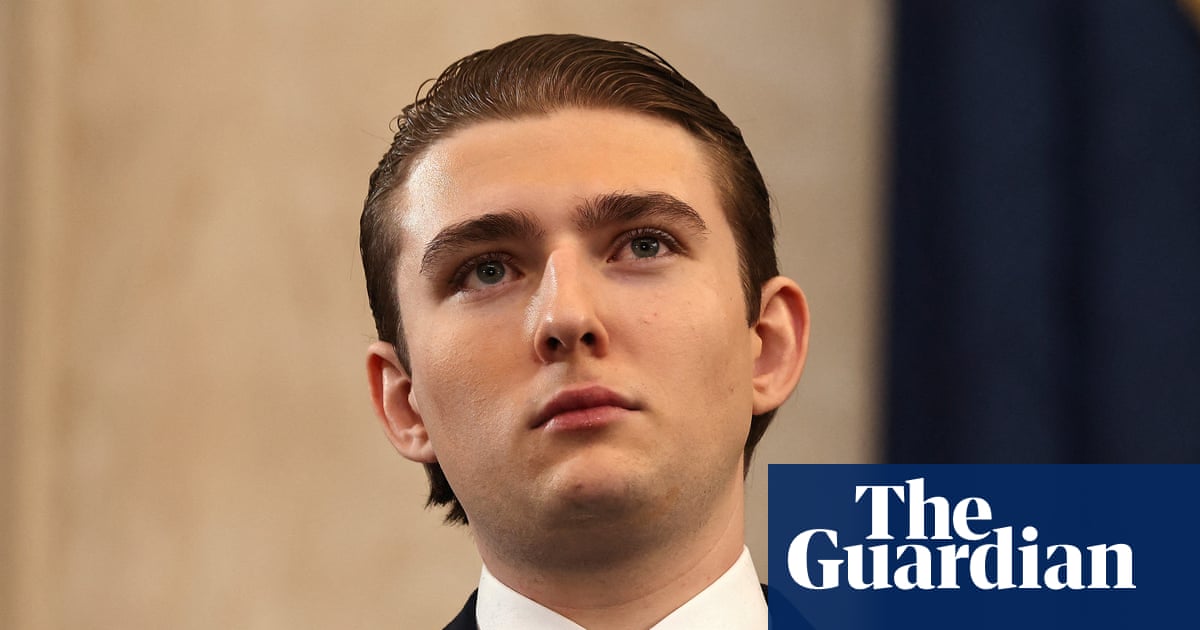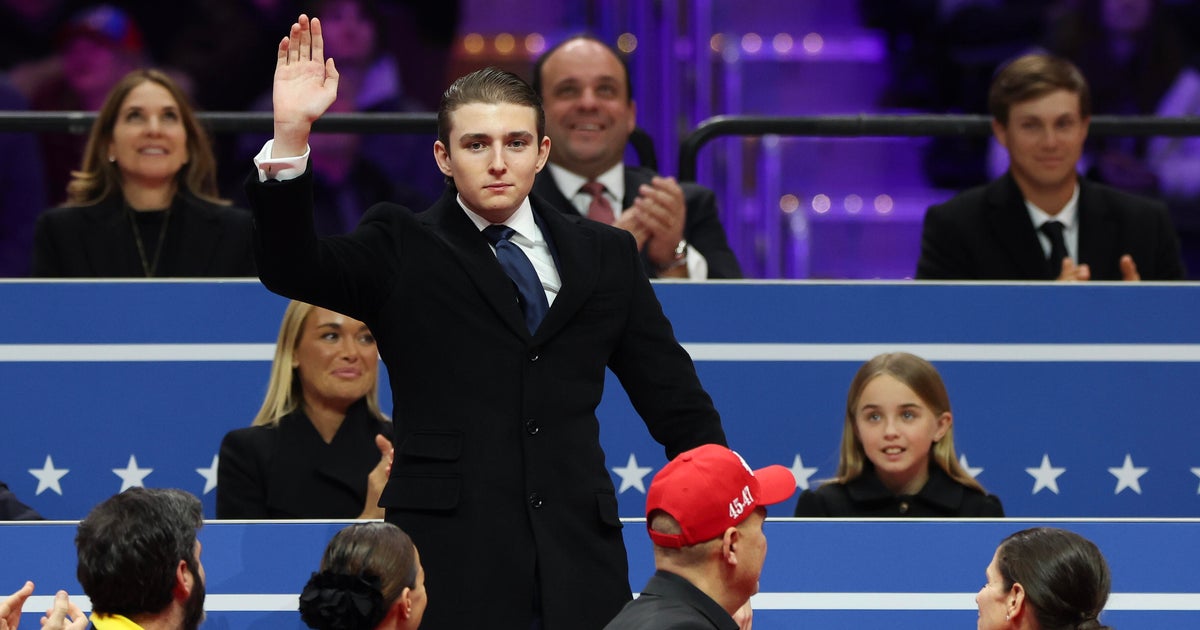


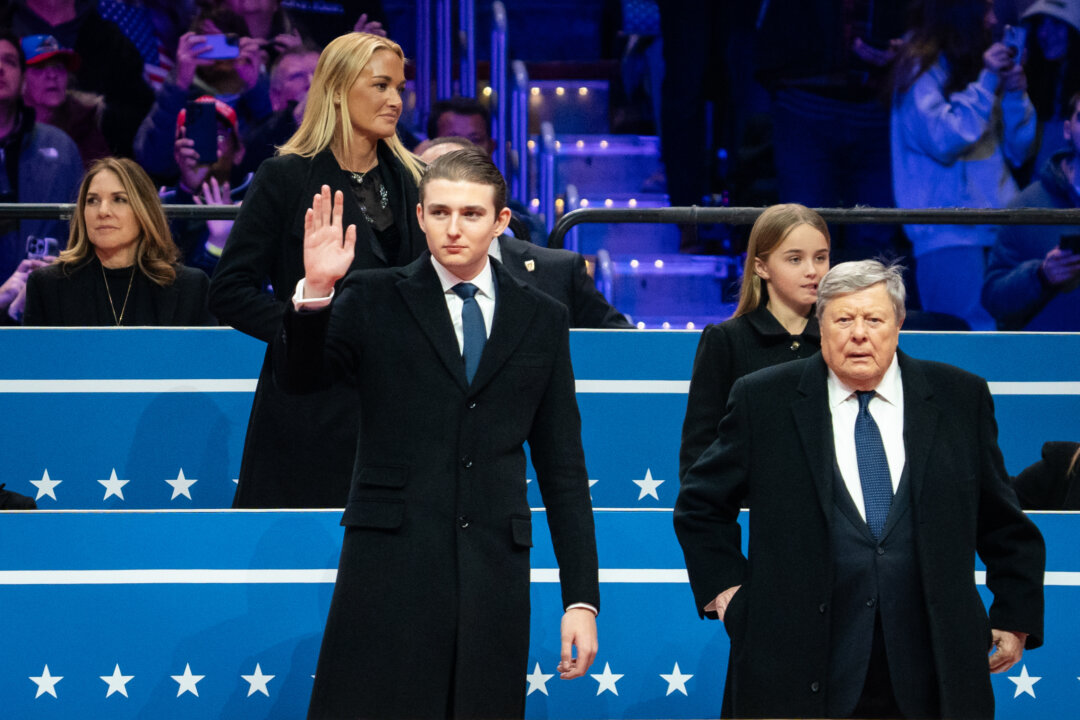
Barron Trump has been cited in U.K. court proceedings as a remote witness in a rape and assault case involving 22-year-old defendant Matvei Rumiantsev, after Trump contacted British police during a FaceTime call on January 18, 2025. Both liberal- and conservative-leaning outlets agree that Trump, speaking from the United States, saw what he believed was an assault on a woman during that call, reported it to authorities despite not knowing her identity, and that this evidence is being used in Rumiantsev’s trial, where he is accused of rape, assault, and later strangling the same woman that evening.
Coverage across the spectrum notes that the case is proceeding through the U.K. criminal justice system, with the video-call details emerging in court as part of witness testimony and cross-examination. Both sides describe Rumiantsev’s account that there was a prior altercation and alcohol use, that he insists the sex was consensual and portrays the woman as being in an emotional breakdown, and that he downplays anger or malice connected to the call from Trump while still acknowledging jealousy and his attempt to confront the woman about what he viewed as her wrongful actions.
Areas of disagreement
Framing of Barron Trump’s role. Liberal-aligned coverage tends to highlight Barron as a concerned bystander who acted responsibly by calling police, emphasizing that he insisted the situation was serious despite limited information about the victim. Conservative outlets more often depict him as an incidental participant who happened to be on a call answered during an altercation, stressing that his involvement was remote and that he did not directly witness the events leading to the rape charges. Liberal reports frame his conduct as an example of prompt reporting of suspected violence, whereas conservative pieces treat his testimony as one element in a broader, contested narrative.
Characterization of the alleged assault. Liberal sources generally foreground the prosecution’s account that Trump witnessed an assault in real time and that this aligns with the state’s broader theory of escalating violence that culminated in the later strangling allegation. Conservative coverage gives more space to Rumiantsev’s claim that any sexual activity was consensual and that the woman’s distress stemmed from alcohol and emotional issues rather than criminal conduct. While liberals underscore the gravity of Trump’s perception that he was seeing an assault, conservatives stress that what he saw was a brief, context-limited snapshot that must be weighed against the defendant’s version of events.
Portrayal of the defendant’s motives and emotions. Liberal-leaning outlets emphasize testimony that Rumiantsev was jealous and seeking to make the woman understand her supposed wrongdoing, suggesting a controlling or punitive mindset consistent with abusive behavior. Conservative reports tend to stress his denial of anger over Trump’s involvement and adopt more of his language about trying to manage a chaotic situation with a partner in breakdown. Liberals present jealousy as a red flag that bolsters the prosecution’s narrative, while conservatives treat his emotional state as complex but not necessarily indicative of criminal intent.
Broader contextual emphasis. Liberal coverage situates the incident in the context of violence against women and the importance of third-party reporting, framing the case as illustrative of how digital communication can expose abuse. Conservative outlets pay relatively more attention to issues of consent, credibility, and the risk of misinterpreting fragmentary video-call evidence, implicitly warning against rushing to judgment in high-profile cases involving politically prominent figures. Liberals lean into institutional themes of victim protection and witness responsibility, whereas conservatives lean into due process concerns and the limitations of remote observation.
In summary, liberal coverage tends to spotlight Barron Trump’s quick report to police as corroborating a narrative of escalating abuse and emphasize victim protection and patterns of controlling behavior, while conservative coverage tends to minimize his centrality, foreground the defendant’s consensual-sex account and emotional context, and stress due process and the interpretive limits of a brief video call.
Story coverage