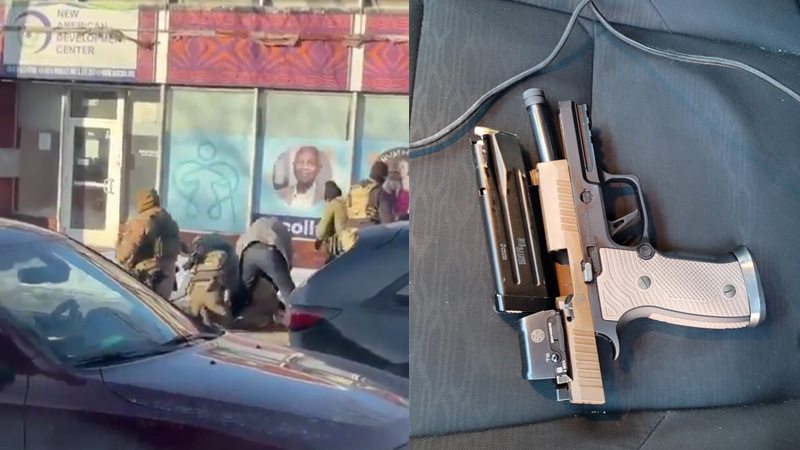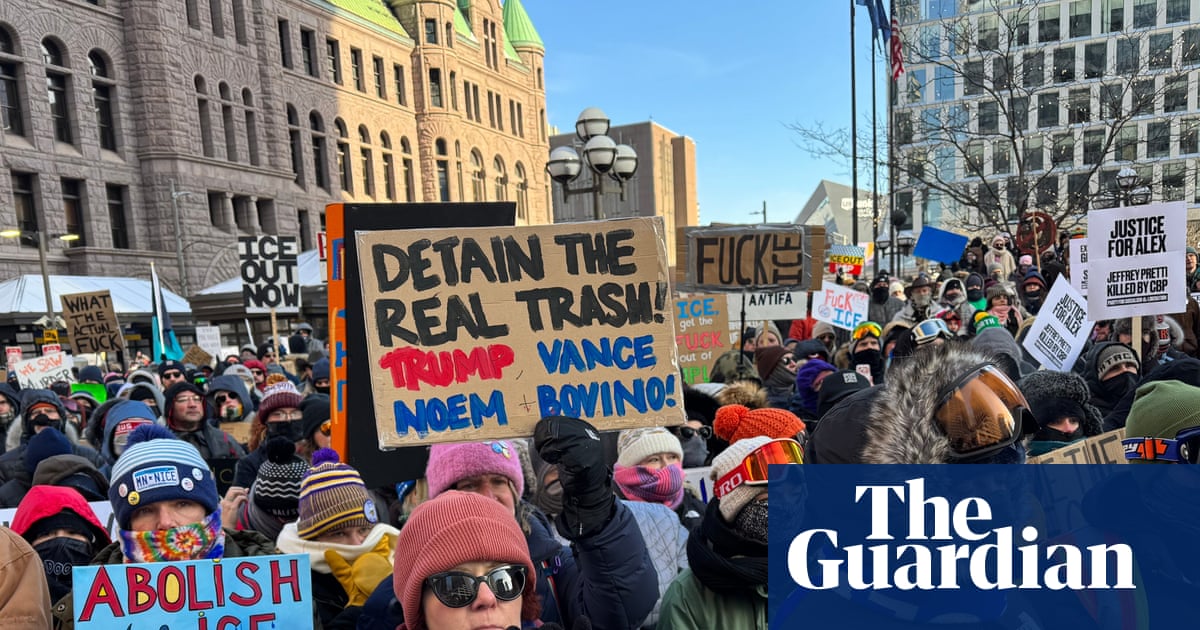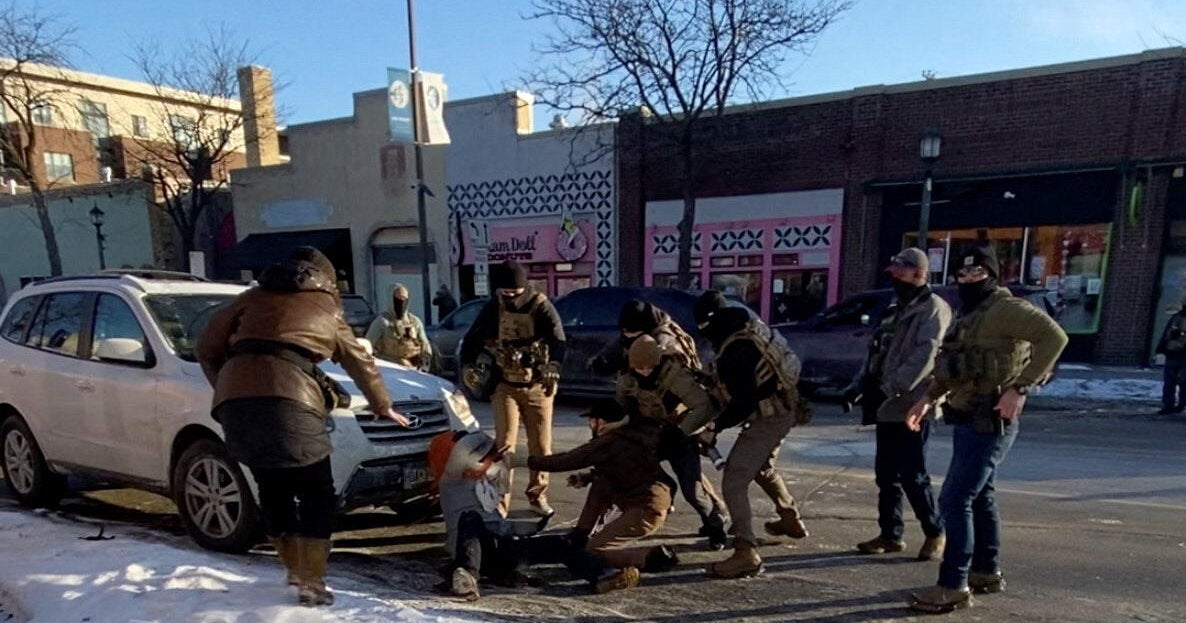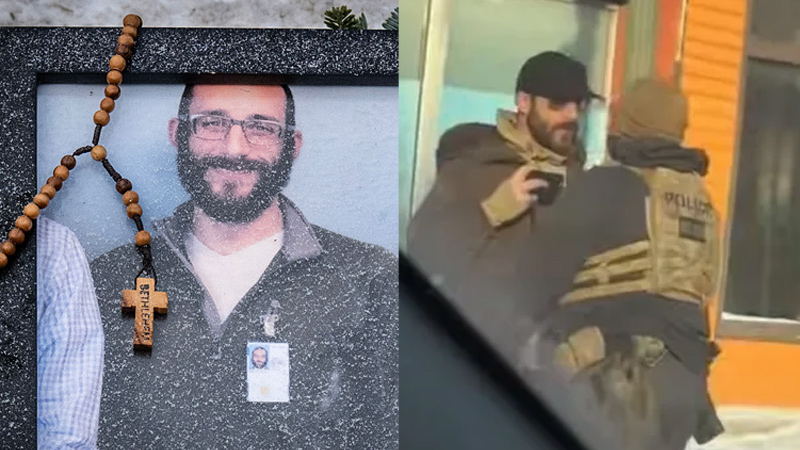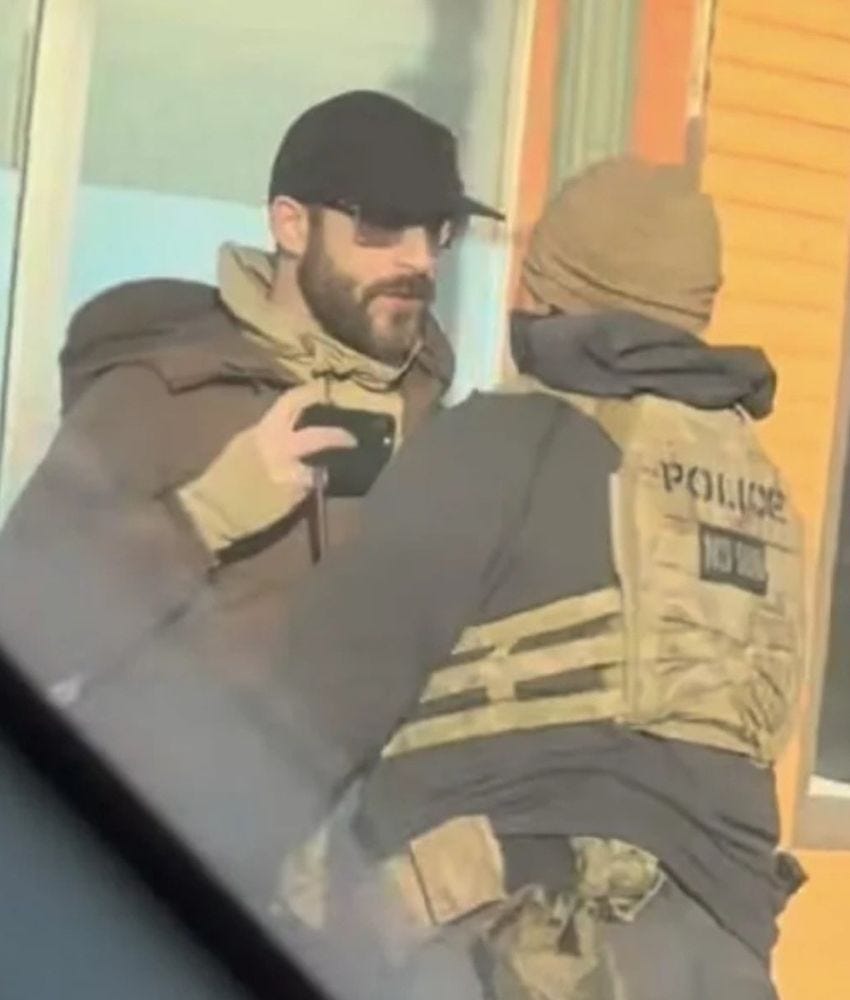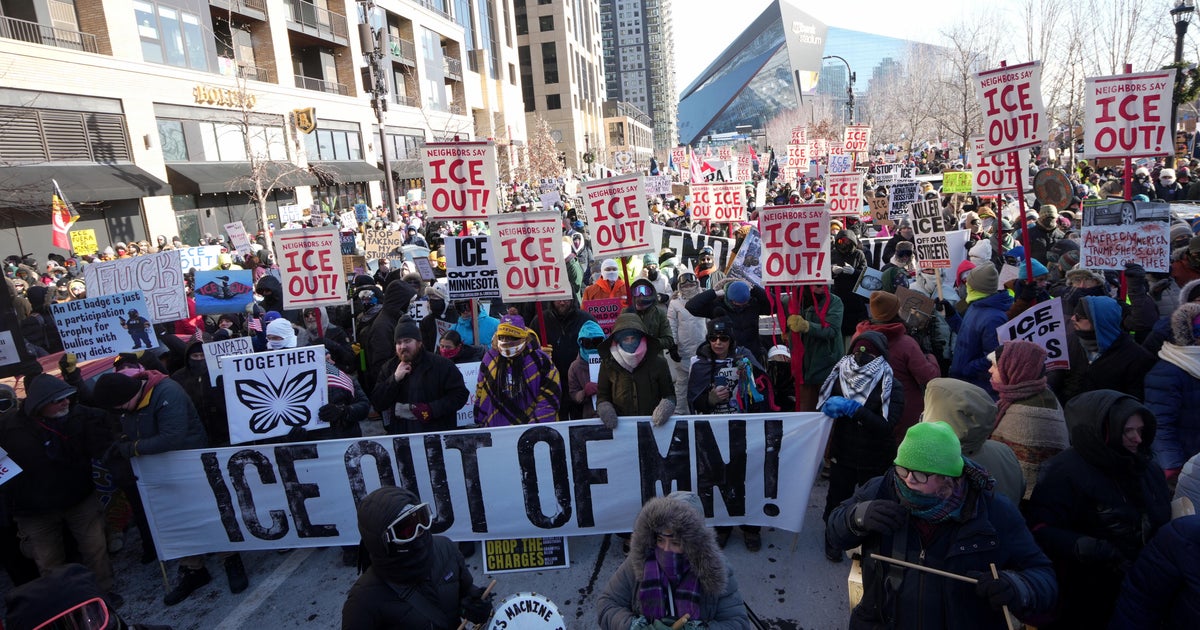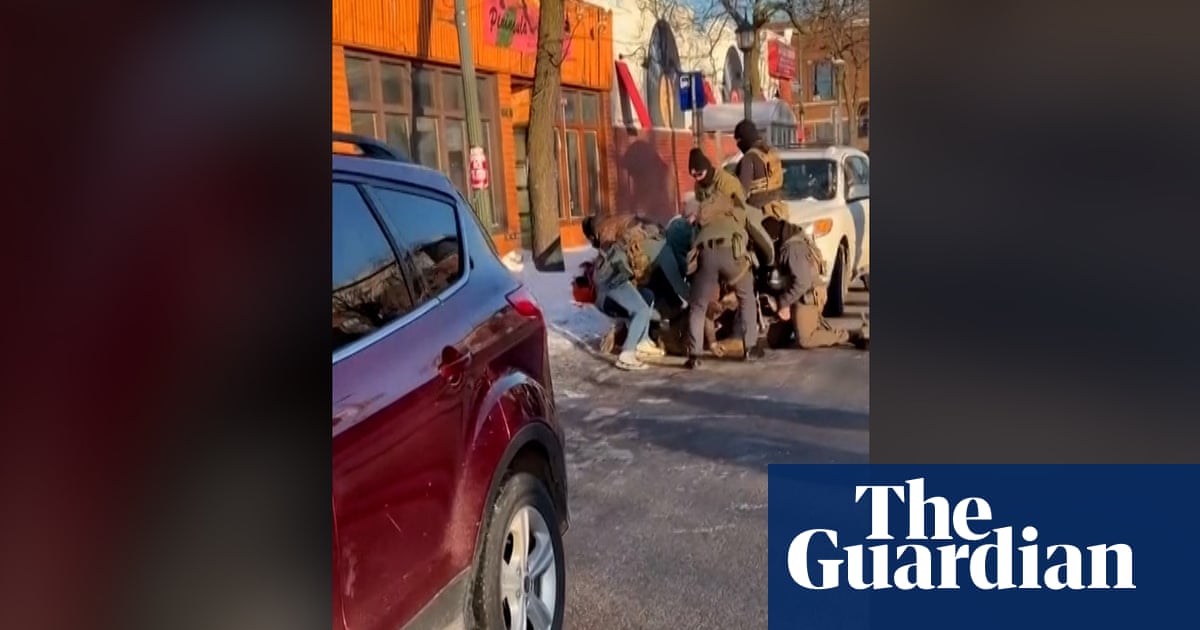







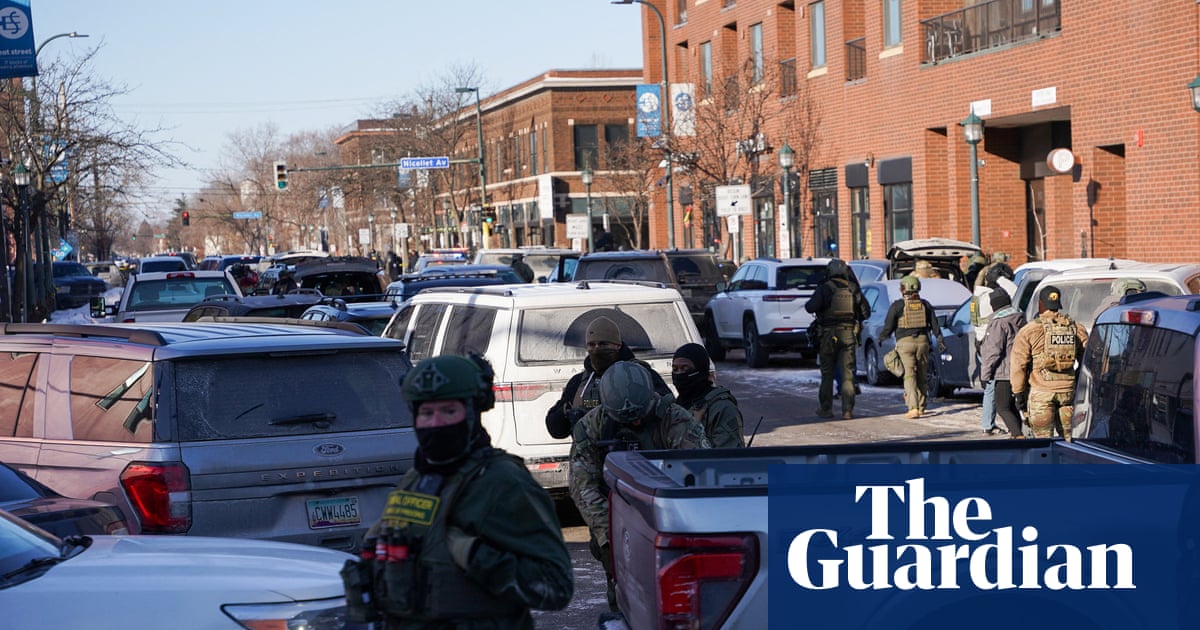
Federal and mainstream outlets across the spectrum agree that Alex Pretti, a 37‑year‑old ICU/VA nurse and Minneapolis resident with no prior criminal record, was shot and killed by federal immigration agents (primarily Border Patrol/ICE) during a targeted immigration enforcement operation in south Minneapolis. The operation was aimed at apprehending an undocumented person wanted for violent assault when Pretti, who had come to or was near an anti‑ICE protest and was legally permitted to carry a handgun, approached the scene and came into contact with agents. All sides acknowledge that at least one agent fired multiple shots at close range, that bystander videos captured much of the encounter, that body‑worn cameras were recording, and that Pretti died at the scene despite medical aid. There is consensus that the killing triggered large protests, political outrage, and multiple investigations, and that officials in Washington and Minnesota rapidly issued highly charged statements before all the facts were established.
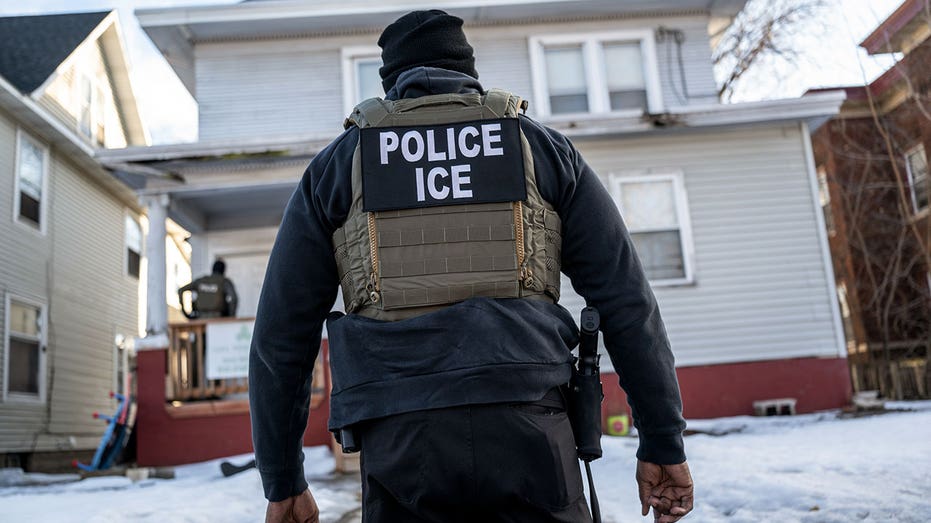
Coverage from both liberal‑aligned and conservative‑aligned outlets situates the shooting within the broader context of the Trump administration’s intensified immigration crackdown and the surge of several thousand federal agents into Minneapolis. Both acknowledge mounting political and institutional strain: repeated deadly encounters involving immigration officers in the city, fraying cooperation between federal agencies and local police, and growing calls for independent inquiries, including scrutiny of ICE’s Homeland Security Investigations unit unusually leading the probe. Reporting on both sides notes that the deaths of Pretti and another Minneapolis resident, Renee Good, are feeding congressional fights over DHS funding, sanctuary policies, and the legitimacy of current enforcement tactics. Across the spectrum there is agreement that the case has become a flashpoint in national debates over federal power, immigration enforcement, protest policing, and public trust in law enforcement.
Areas of disagreement
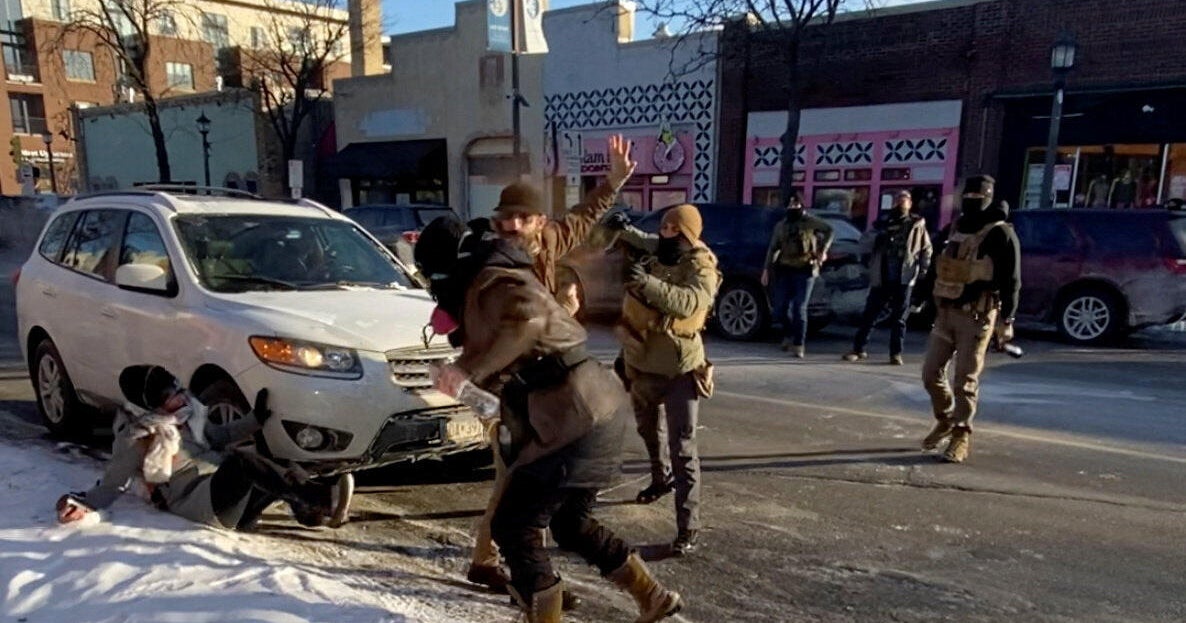
Events and threat level in the shooting itself. Liberal outlets generally describe video and eyewitness accounts suggesting Pretti was trying to help or shield another person, filming agents, and possibly already disarmed or pinned when he was shot, emphasizing clips that do not clearly show him threatening officers. They highlight his legal carry status, insist there is no visible moment of him drawing or reaching for a gun before the shots, and stress claims from his family that he held only a phone. Conservative outlets instead foreground DHS statements and select footage that, in their telling, show Pretti lunging at officers, physically interfering with an arrest, armed with a 9mm handgun and extra magazines, and resisting efforts to disarm him. They frame the gun and his movement as creating an imminent lethal threat that made the shooting a defensive, if tragic, necessity.
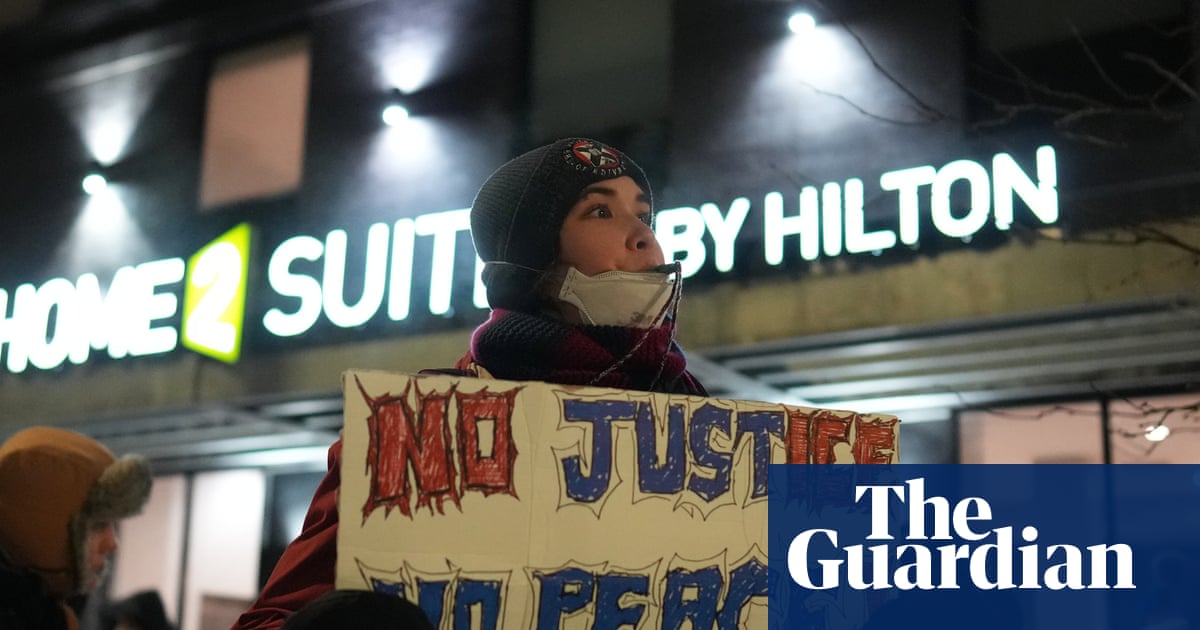
Characterization of Pretti and the protesters. Liberal coverage portrays Pretti as a community‑minded VA or ICU nurse and caring neighbor, often quoting colleagues and family to counter the administration’s “domestic terrorist” or “far‑left agitator” labels and stressing that he had no criminal record. Protesters are largely described as outraged but mostly peaceful, with attention to crowd‑control tactics, arrests of witnesses, and fears of chilling dissent and legal open carry. Conservative coverage more often describes Pretti as an “armed leftist agitator” or anti‑ICE activist who chose to bring a weapon into a volatile protest environment and, in some pieces, as seeking to “do maximum damage” or to provoke officers. Protests are depicted as riots or an “insurrection,” with emphasis on assaults on agents, fires, and a breakdown of order that, in this framing, vindicates a hard‑line response.
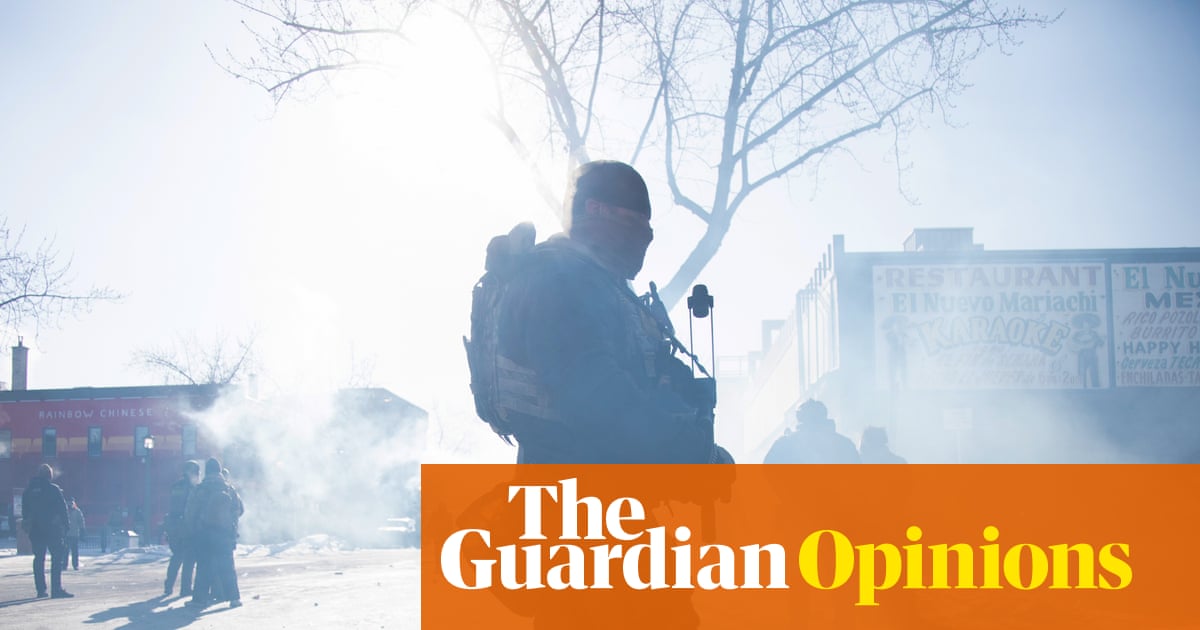
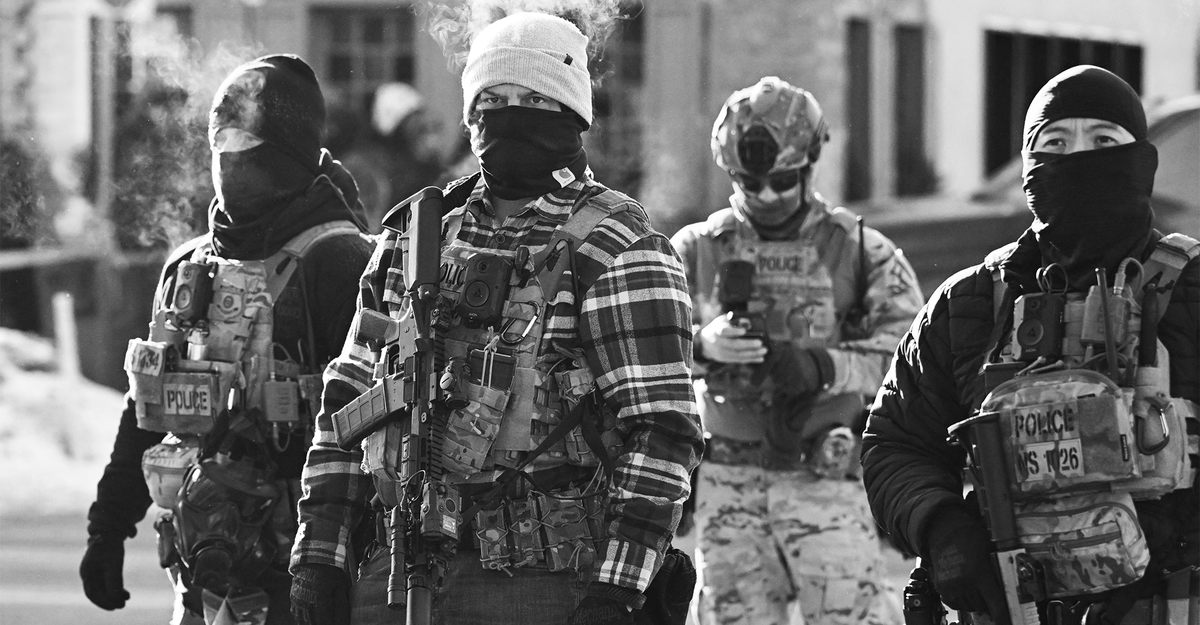
Responsibility, blame, and political framing. Liberal‑aligned sources largely blame the Trump administration’s militarized immigration surge and federal command decisions for creating the conditions that led to Pretti’s death, arguing that unaccountable, poorly trained agents operating with minimal local oversight made excessive force increasingly likely. They stress that top DHS and White House officials rushed out unsubstantiated narratives later contradicted by video, and frame Minnesota leaders’ anger as a moral response to needless killings of citizens. Conservative outlets, by contrast, echo Trump officials in assigning primary blame to Pretti for approaching an ongoing enforcement action with a gun and to Democratic leaders for “sanctuary” policies, non‑cooperation with ICE, and rhetoric they say encouraged confrontations. In their framing, criticism from figures like Gov. Walz and Mayor Frey is opportunistic grandstanding that undermines agents and emboldens violent activists.
Accountability, investigations, and institutional legitimacy. Liberal coverage presses hardest for independent, arm’s‑length investigations, portraying ICE’s Homeland Security Investigations unit leading the probe as a conflict of interest and linking the case to a pattern of opaque internal reviews after prior Minneapolis shootings. These outlets argue that the rapid, politicized messaging from Trump allies has already damaged DHS credibility and that without transparency and discipline, ICE and CBP are failing a “legitimacy test.” Conservative coverage acknowledges the need for investigations but tends to emphasize due process for the agent, warn against rushing to judgment based on partial videos, and highlight past cases where early criticism of officers proved unfounded. They fold the incident into a broader argument that undermining federal law enforcement, rather than systemic flaws in ICE or CBP, is what ultimately endangers both officers and the public.
In summary, liberal coverage tends to treat the shooting as an avoidable product of an over‑militarized immigration crackdown, spotlighting video contradictions, Pretti’s sympathetic biography, and demands for independent accountability, while conservative coverage tends to foreground DHS accounts of an armed provocateur, stress the dangers agents faced amid confrontational protests, and place responsibility on Pretti and Democratic leaders’ policies rather than on federal enforcement tactics.
Story coverage