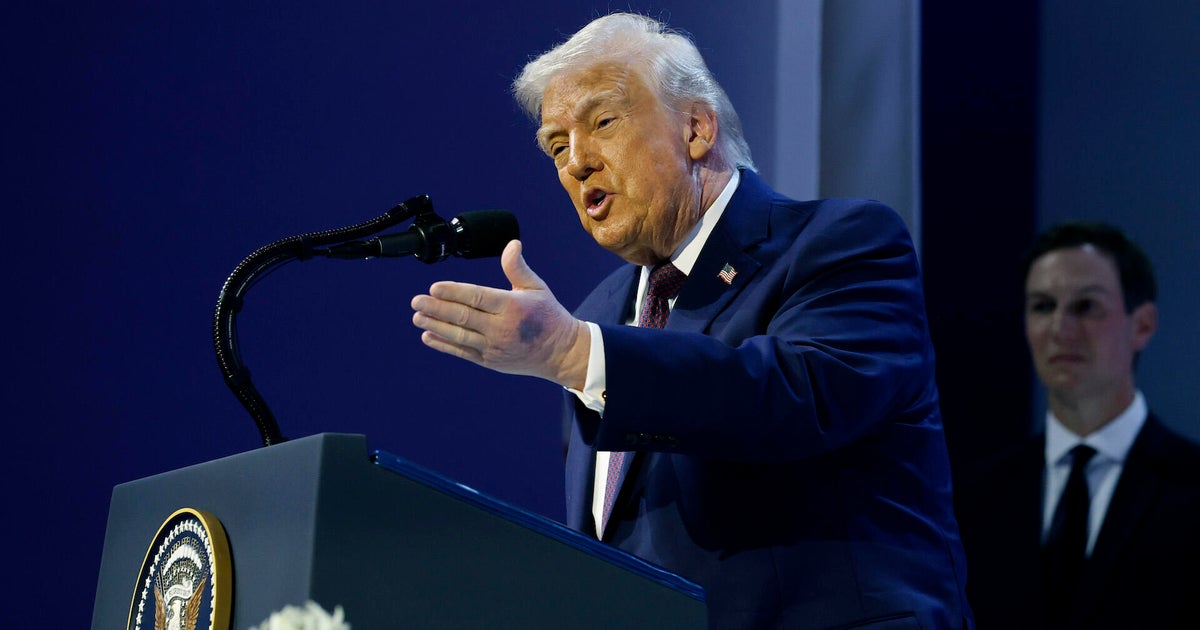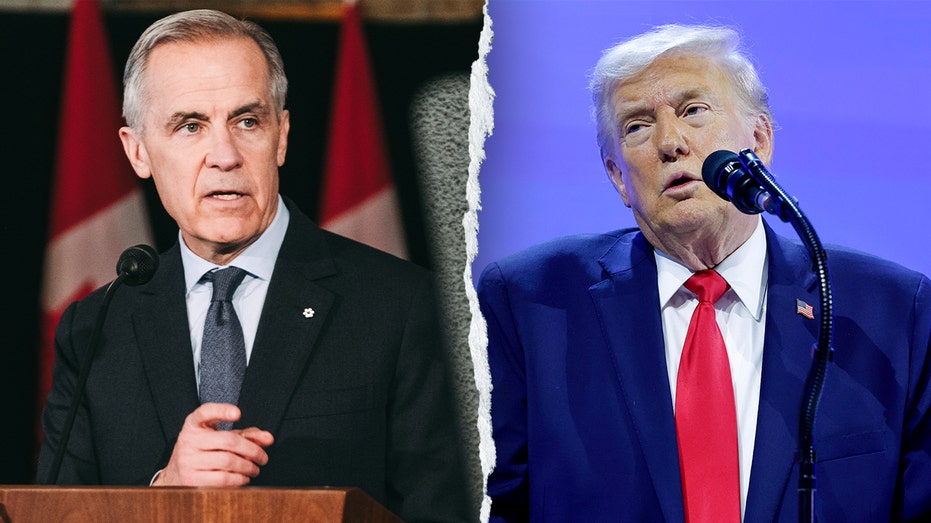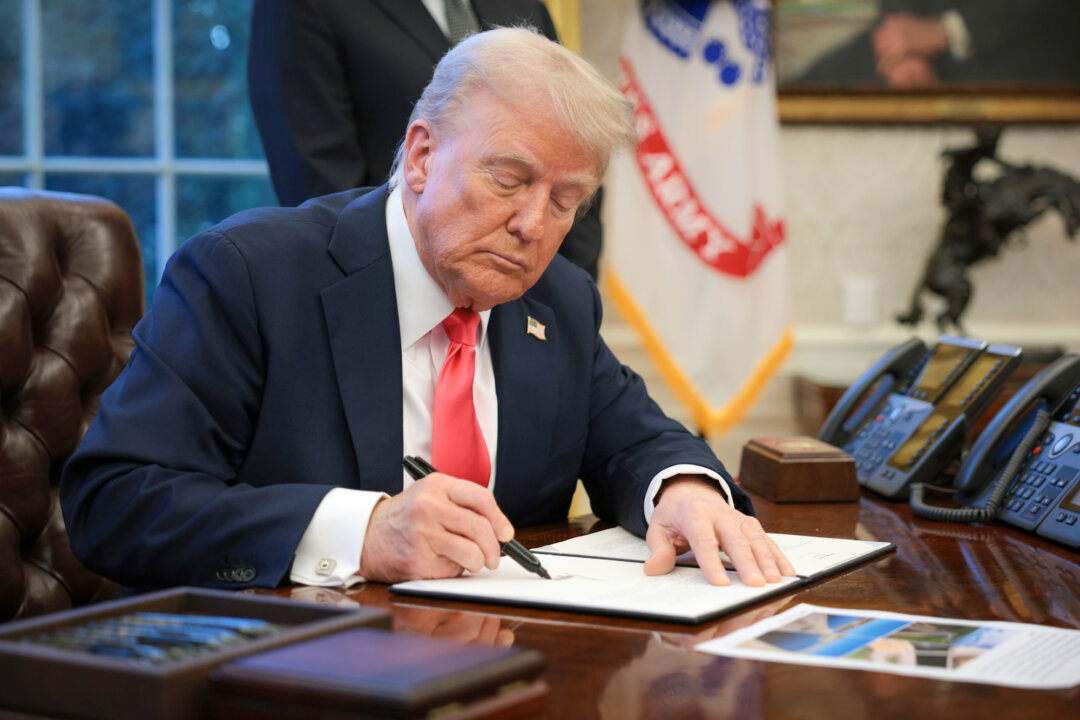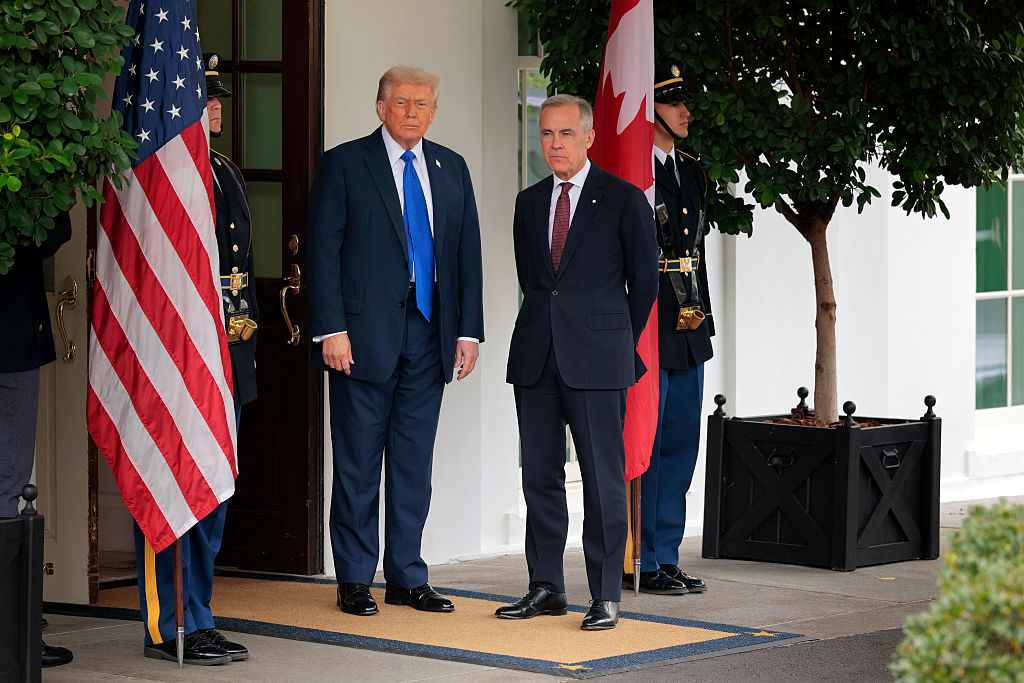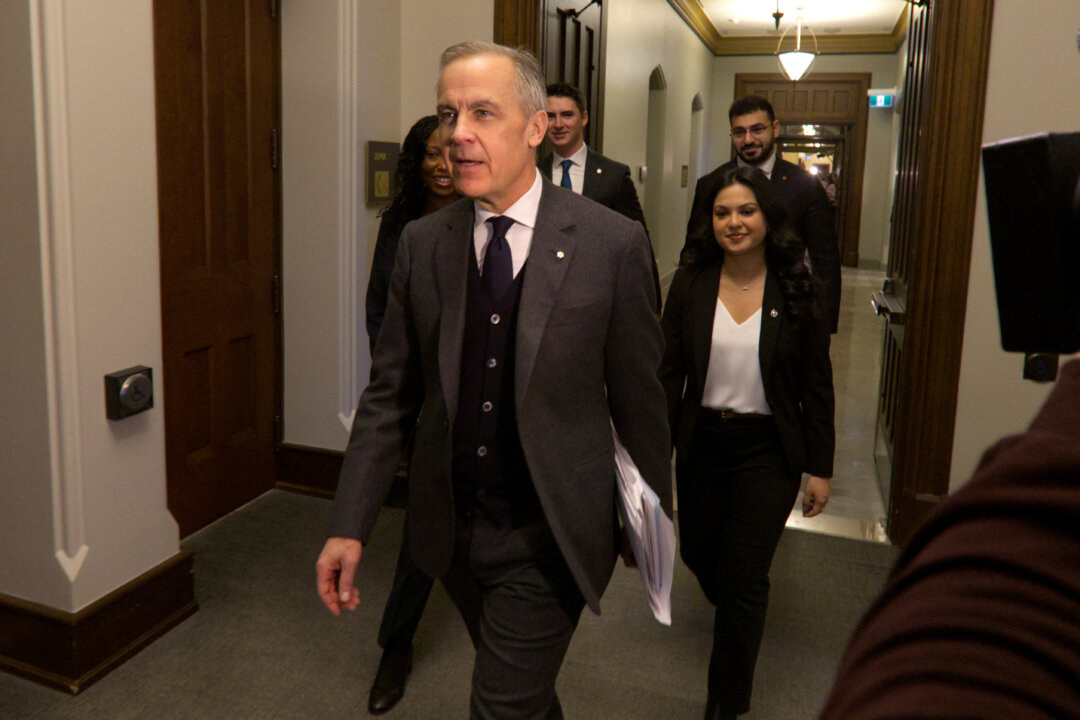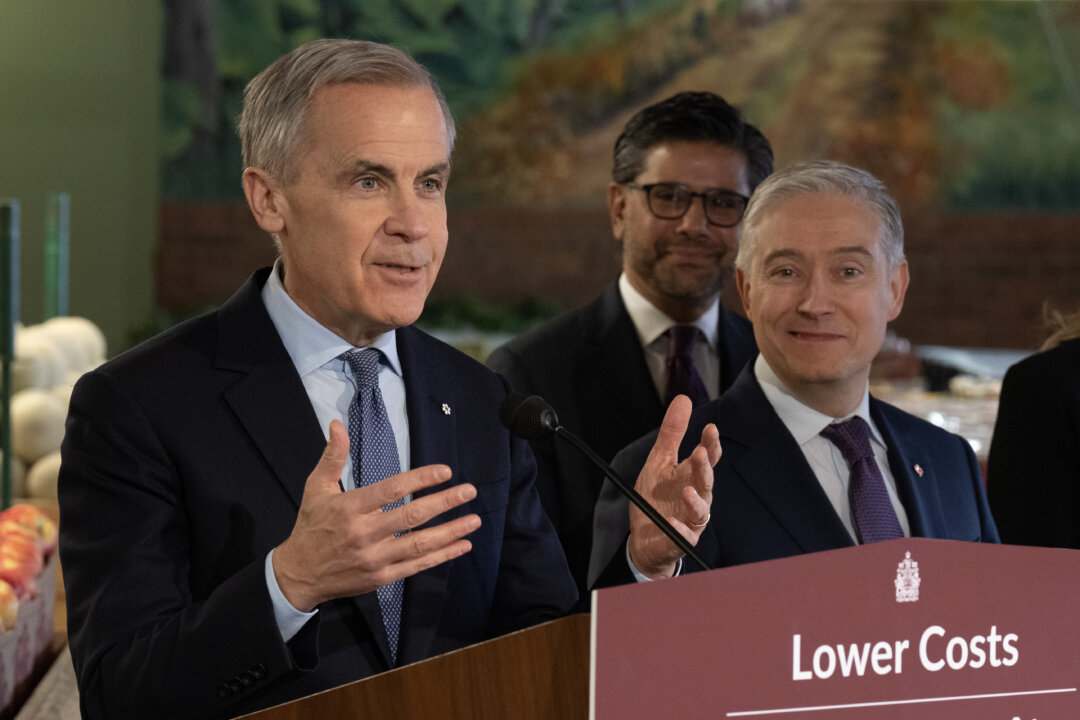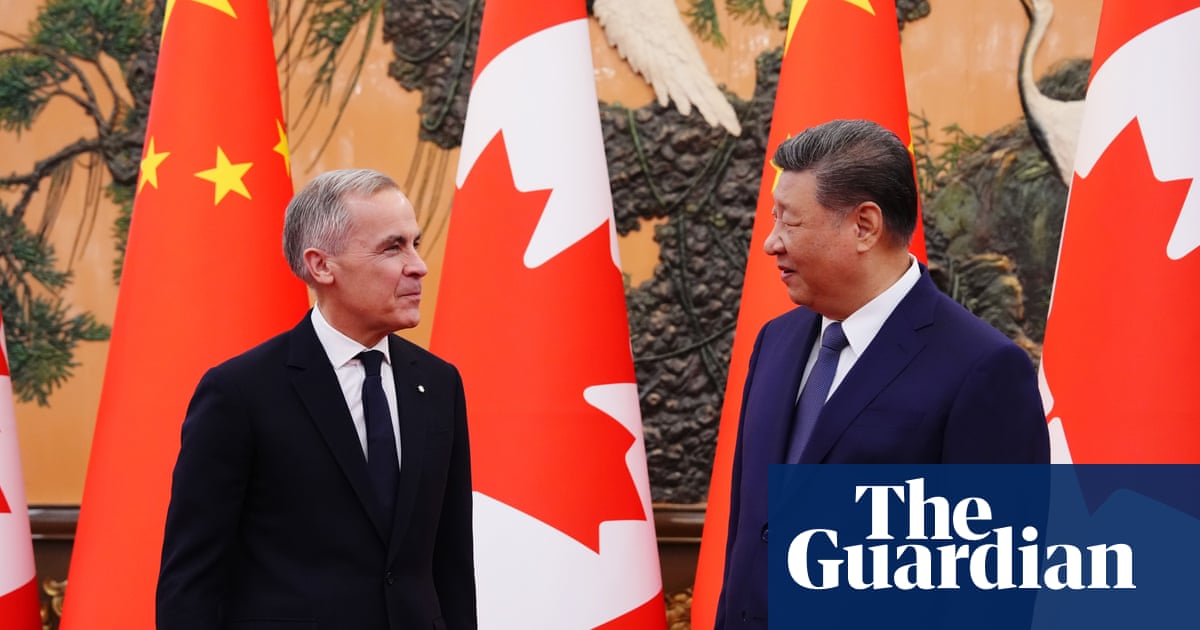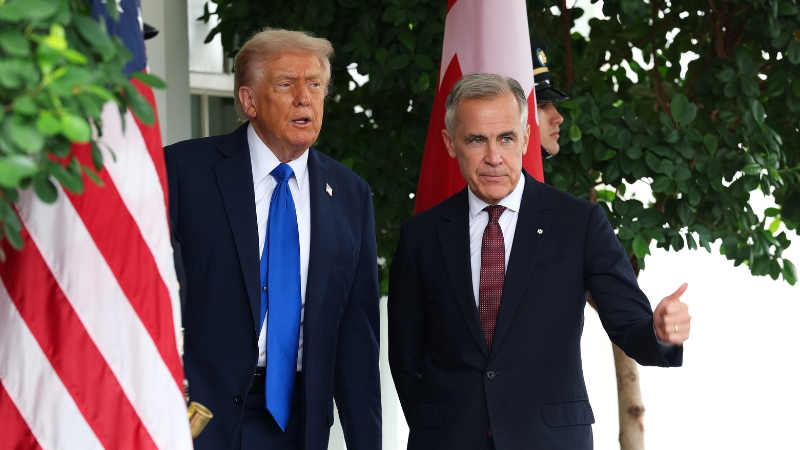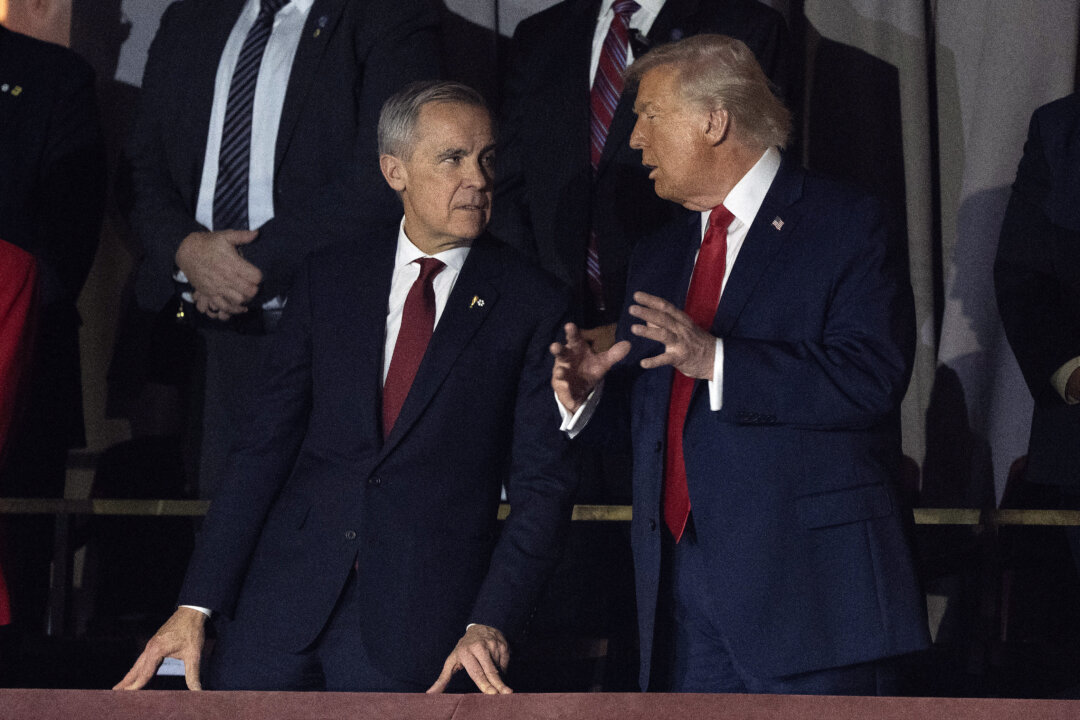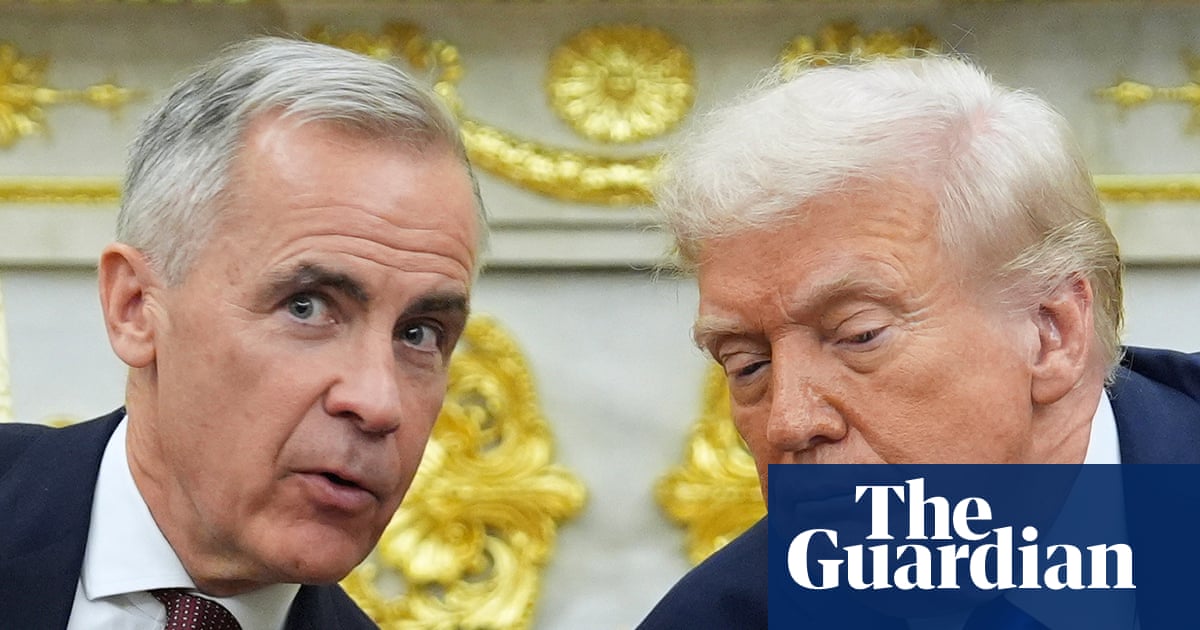





U.S. President Donald Trump has publicly threatened to impose a 100% tariff on all Canadian goods entering the United States if Canada proceeds with what he characterizes as a trade or strategic economic deal with China. Both liberal- and conservative-aligned outlets agree that Trump repeatedly framed Canada as potentially becoming a "drop off port" for Chinese products to evade U.S. tariffs and warned that "China will eat Canada alive" economically and socially if Ottawa deepens ties with Beijing. Coverage on both sides notes that the trigger for the clash was Canadian Prime Minister Mark Carney’s outreach to China, including tariff reductions in sectors such as electric vehicles and canola, and his high-profile speech at the World Economic Forum in Davos, which criticized U.S. dominance and signaled an interest in recalibrating Canada’s global alignments. Both sides also report that, following Trump’s threat, Carney and his government insisted Canada is not pursuing a full free trade agreement with China and emphasized that existing Canadian commitments under the United States–Mexico–Canada Agreement (CUSMA/USMCA) require consultation with Washington before any comprehensive deal with a non‑market economy like China.
Across the coverage, there is shared recognition that this dispute sits at the intersection of three institutional and geopolitical frameworks: the USMCA/CUSMA trade pact, U.S.–China strategic rivalry, and Canada’s search for diversified markets. Liberal and conservative outlets acknowledge that USMCA contains clauses restricting members from entering free trade deals with non‑market economies without prior notice, and they agree that Carney publicly pledged to respect those obligations. Both sides situate the confrontation within broader U.S. efforts to contain China’s economic reach through tariffs and secondary pressure on allies, and they note that Trump’s rhetoric is part of a long-running pattern of using tariff threats as leverage in negotiations. There is also cross-ideological agreement that the episode has further strained U.S.–Canada relations, already fragile after previous Trump-era disputes, and that Canada is attempting to balance domestic economic interests, its reliance on the U.S. market, and the risks of deepening trade ties with China.
Areas of disagreement
Motives and framing of Trump’s threat. Liberal-aligned outlets tend to frame Trump’s 100% tariff threat as reckless economic brinkmanship and a politically driven escalation that risks harming both countries’ economies without a clear strategic plan. Conservative sources, by contrast, often present the move as a necessary show of strength to defend the U.S. industrial base and to prevent China from back‑dooring goods through Canada. Liberal coverage emphasizes the shock value and extremity of threatening all Canadian imports, while conservative coverage stresses the deterrent message to both Beijing and Ottawa rather than the economic downside.
Characterization of Canada and Carney. Liberal outlets generally portray Prime Minister Mark Carney as trying to navigate a complex environment, clarifying that Canada is not pursuing a full free trade agreement with China and is honoring USMCA commitments, and they highlight his focus on limited sectoral tariff adjustments. Conservative outlets more often depict Carney as naïve, ideological, or even complicit in a dangerous realignment with Beijing, sometimes casting his Davos remarks and China outreach as part of a "New World Order" project that sidelines U.S. leadership. While liberal reports stress Carney’s reassurances and institutional constraints, conservative pieces amplify Trump’s claims that Canada is "systematically destroying itself" and risking its sovereignty.
Risk assessment of China’s role. Liberal-aligned coverage acknowledges concerns about China but tends to treat Trump’s warnings that China will "destroy" Canada’s economy and social fabric as hyperbolic and politically motivated, focusing more on legal safeguards in USMCA and the modest scope of the current China-related measures. Conservative outlets foreground China as an existential strategic and economic threat, echoing or amplifying Trump’s language that China will "eat" Canada alive and turn it into a conduit for undermining U.S. tariffs and security. Liberals thus frame the episode primarily as a Trump–Carney dispute within existing rules, while conservatives frame it as a pivotal front in a larger struggle against Chinese influence.
Broader geopolitical narrative. Liberal sources usually situate the episode within the ongoing turbulence of Trump’s foreign and trade policy, tying it to his confrontations with allies and previous controversial ideas like buying Greenland, and they often suggest this is another self‑inflicted strain on Western alliances. Conservative coverage more frequently embeds the story in a grander narrative of reasserting American sovereignty and enforcing a doctrine against Western states drifting toward Beijing, sometimes invoking concepts like a Canadian‑Chinese "New World Order" and even speculative military planning. While liberal reports stress alliance stability and rule‑based processes, conservative narratives emphasize ideological struggle and the need to punish or deter allied governments that, in their view, cozy up to China.
In summary, liberal coverage tends to cast Trump’s tariff threat as disproportionate, destabilizing, and symptomatic of his confrontational approach to allies, while emphasizing Canada’s stated compliance with USMCA and limited engagement with China, while conservative coverage tends to validate the threat as justified leverage against both Ottawa and Beijing, emphasizing China’s danger, Carney’s alleged strategic drift, and the need for a hard line to preserve U.S. economic and geopolitical primacy.