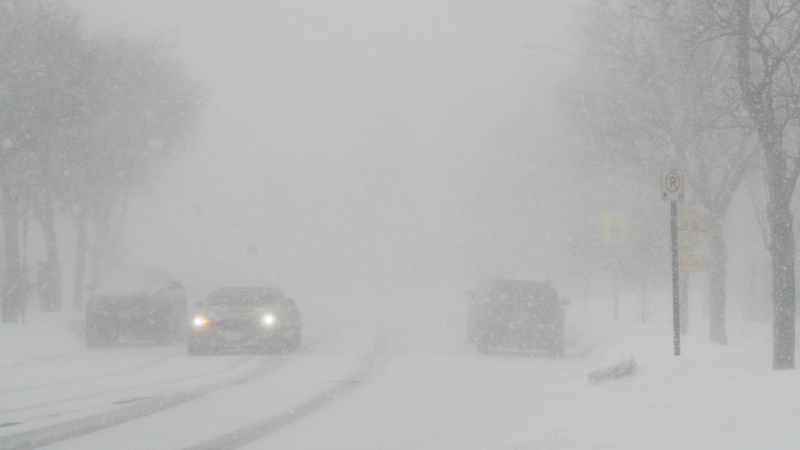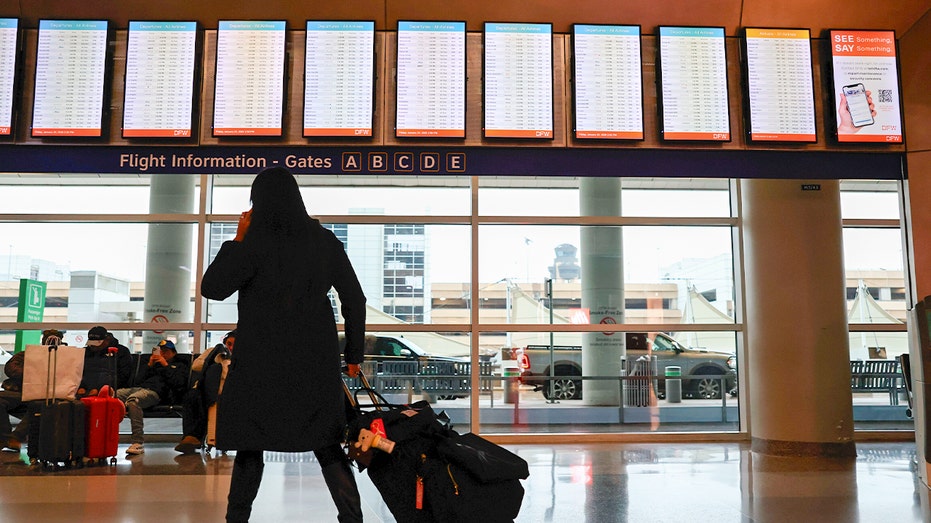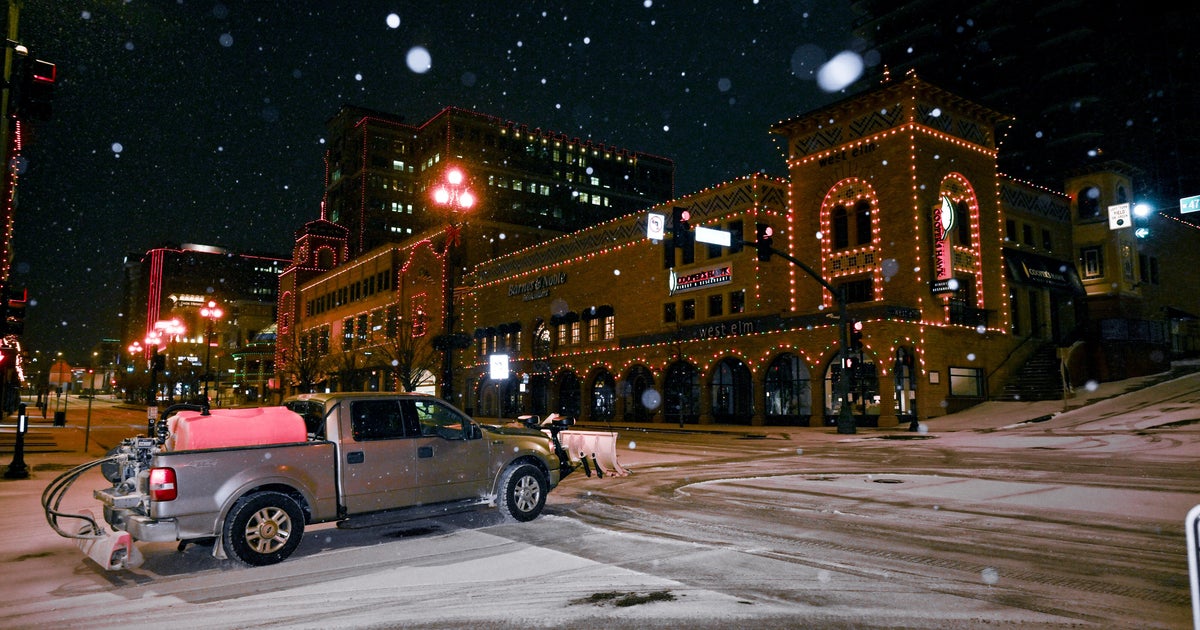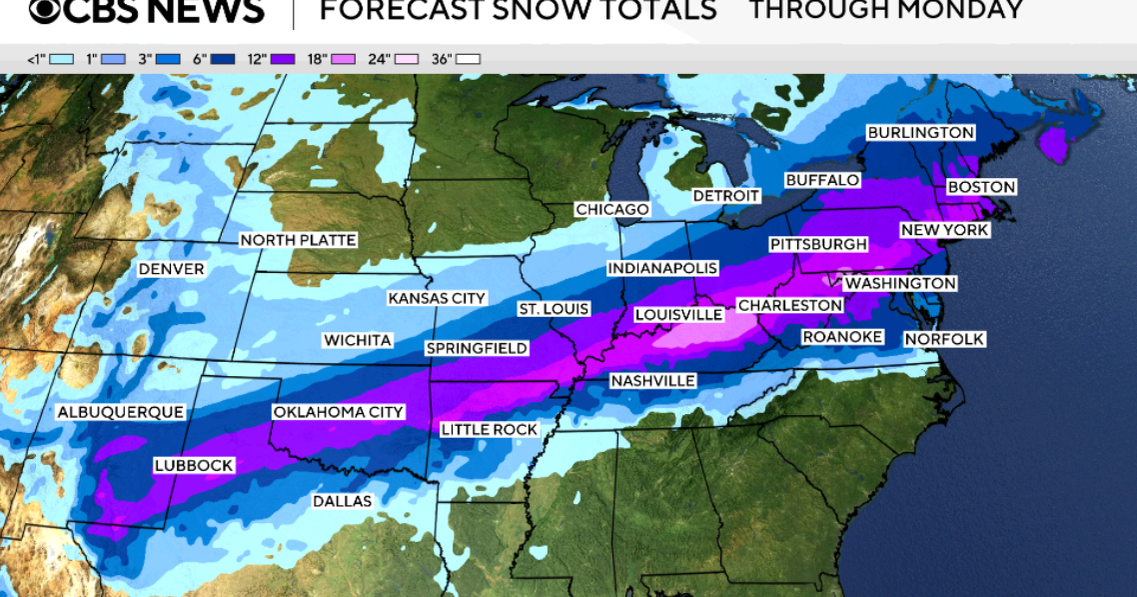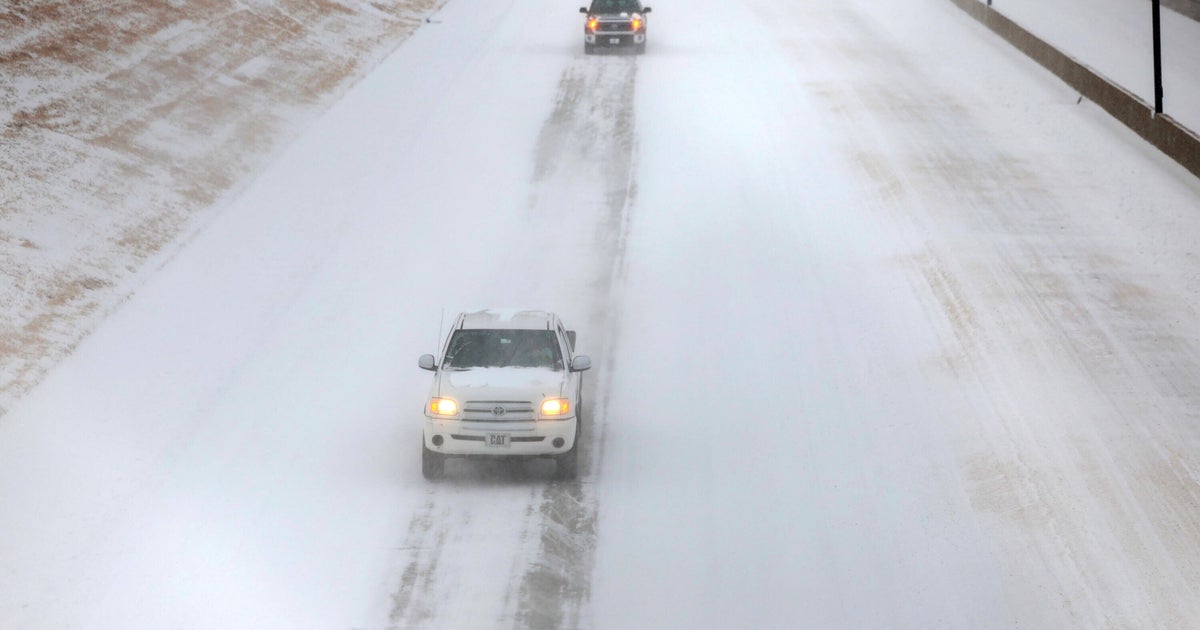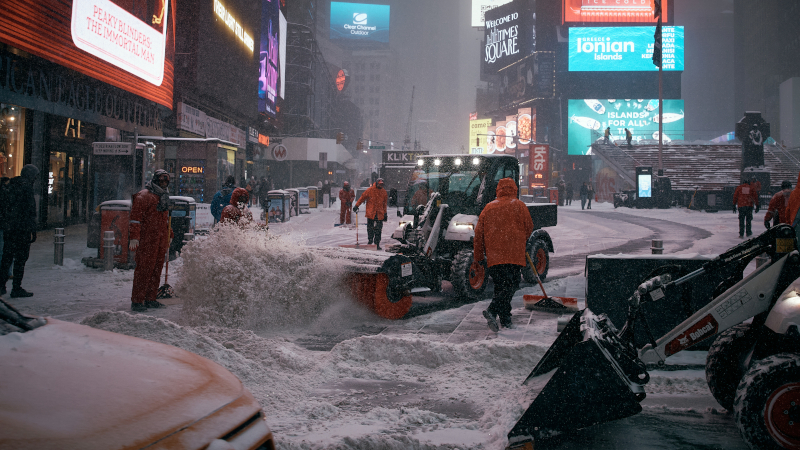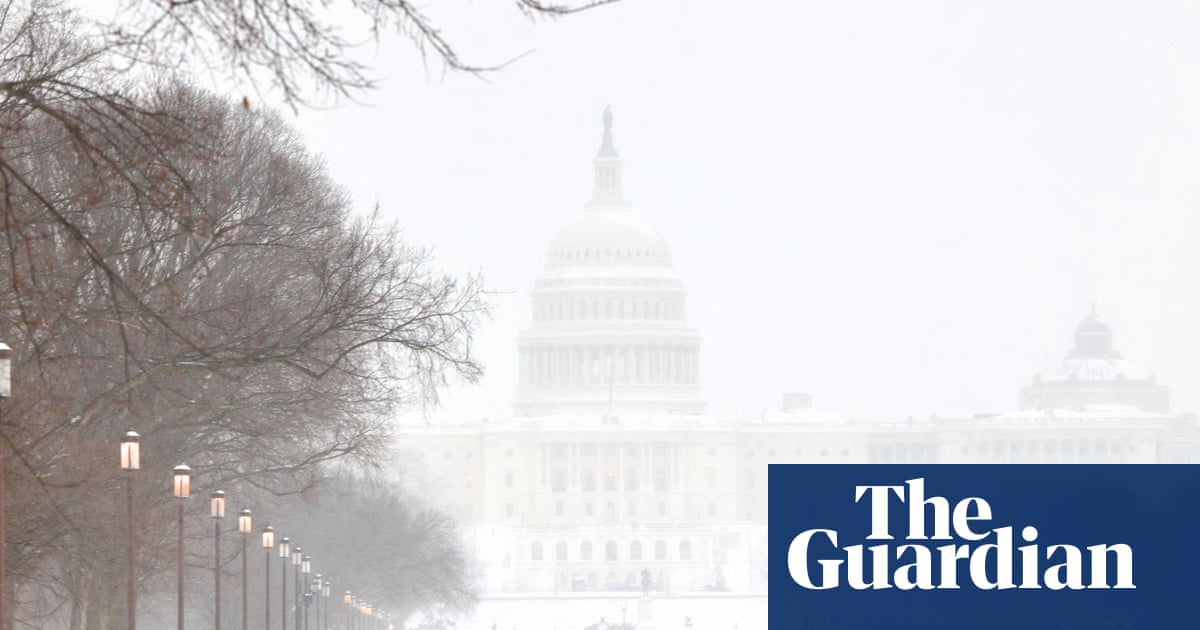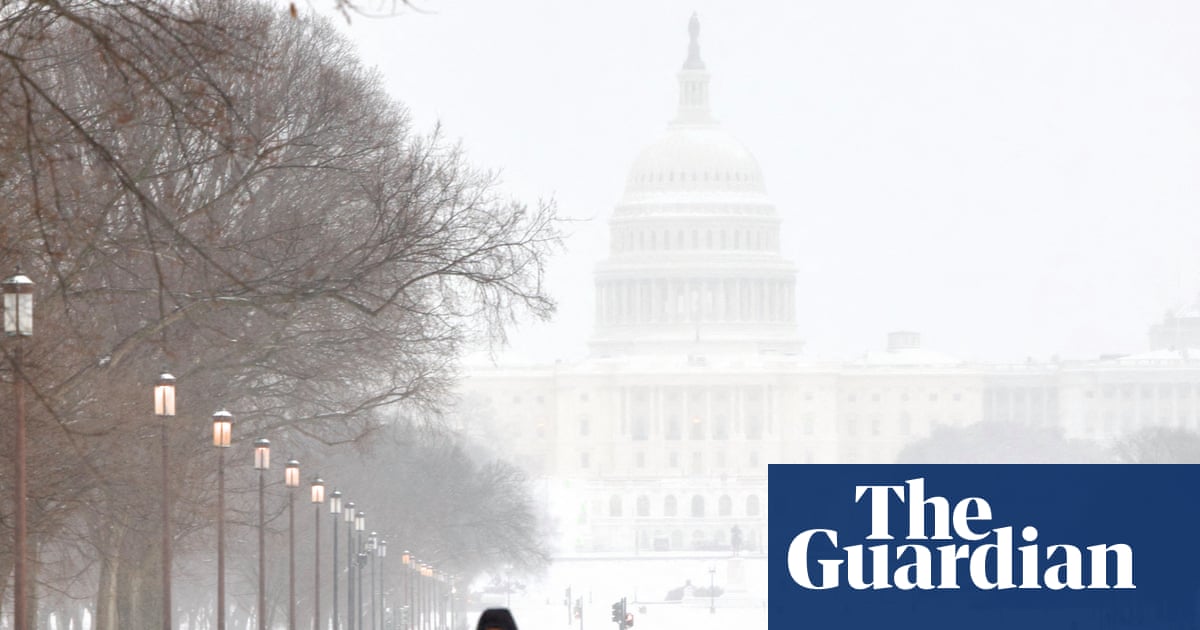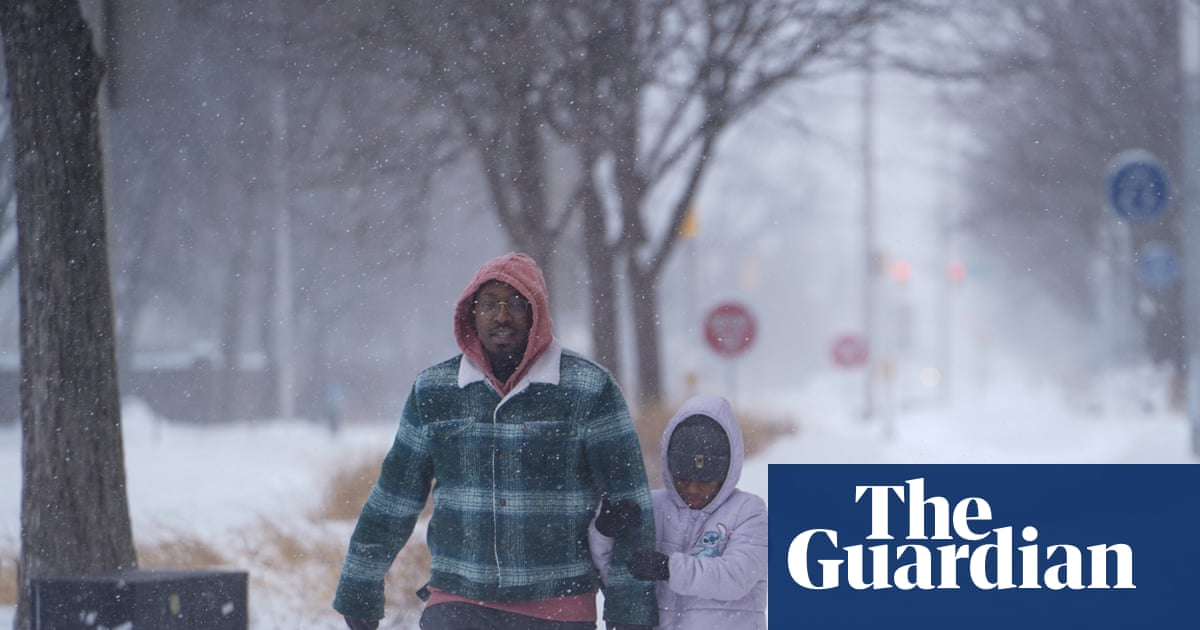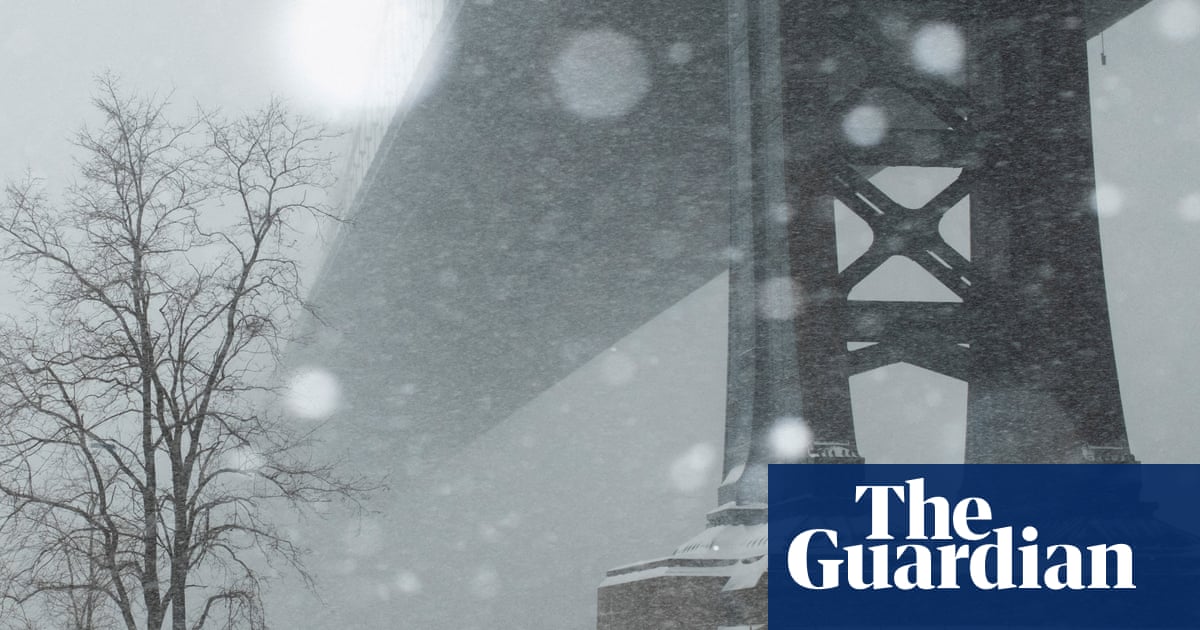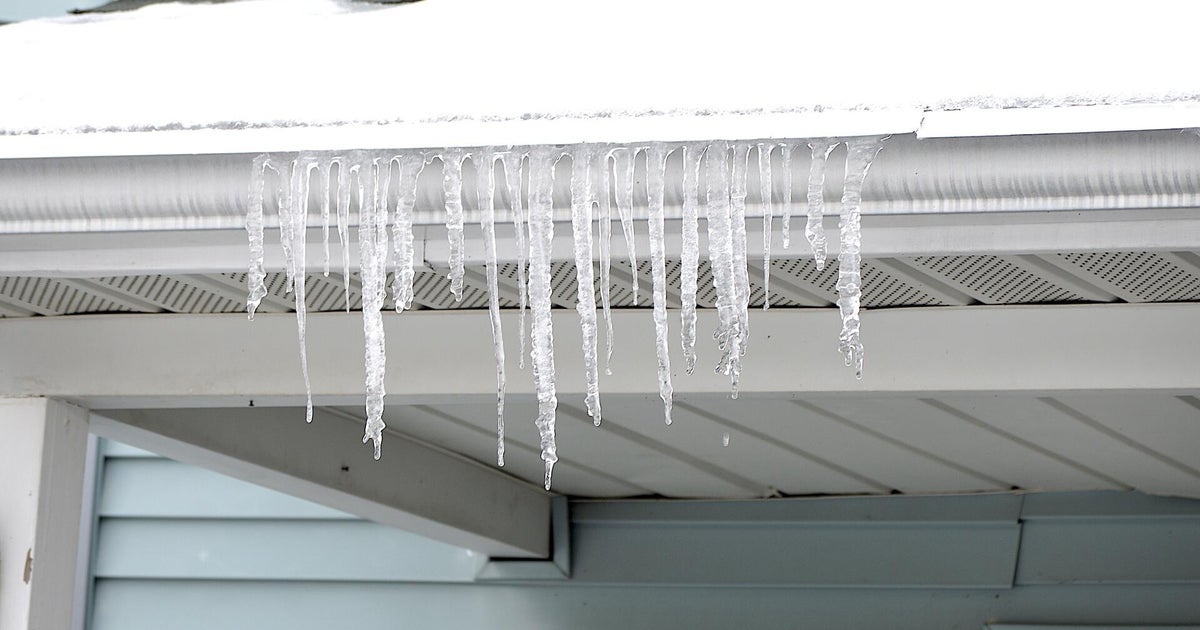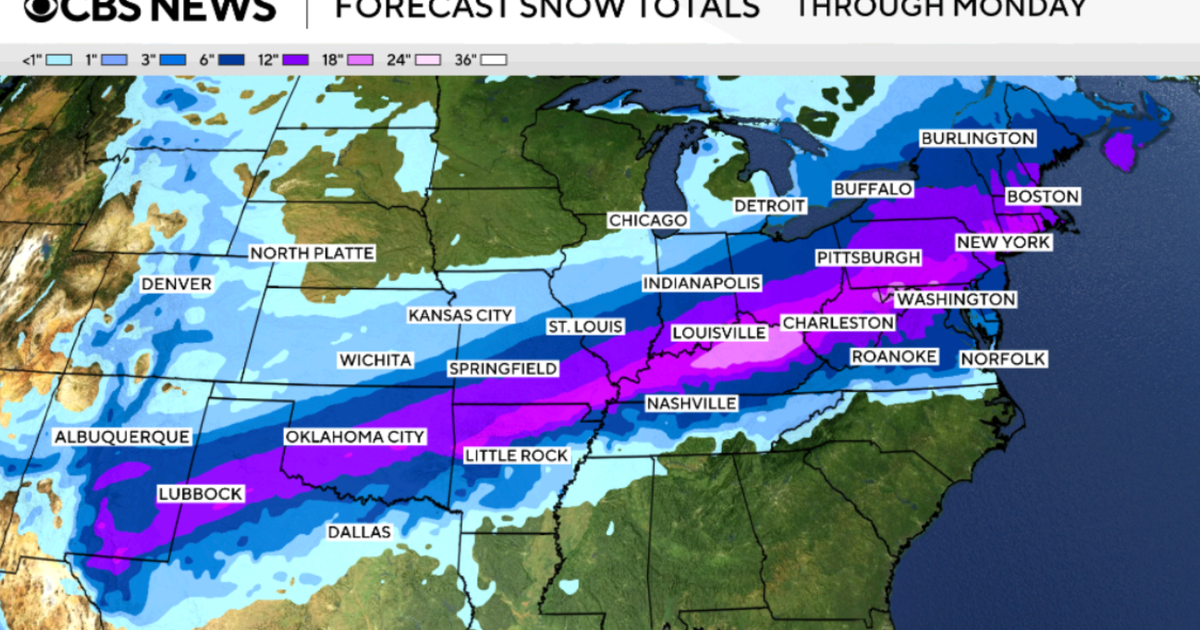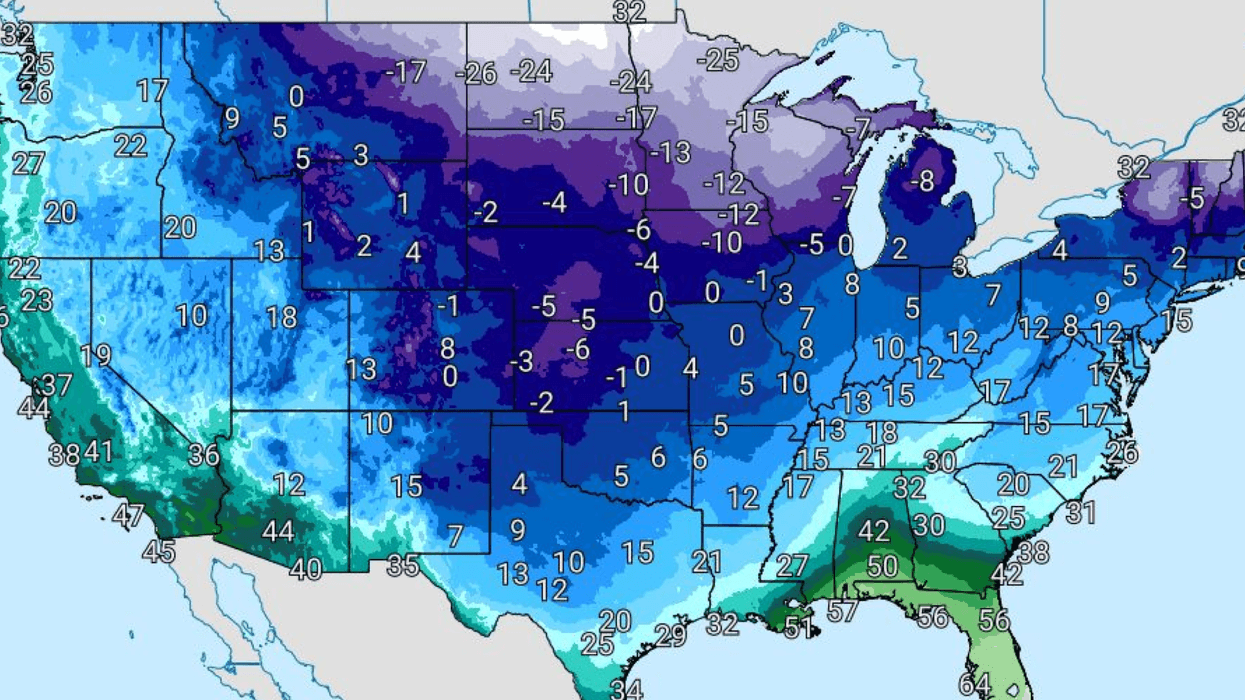






A massive winter storm system, widely identified as Winter Storm Fern, has swept across much of the United States, bringing heavy snow, sleet, freezing rain, and dangerous cold from the Southern Plains and Gulf Coast through the Midwest and Mid-Atlantic into New England. Liberal and conservative outlets agree that more than 180–200 million people have come under some form of winter weather or cold alert, with 16–17 states plus Washington, D.C., declaring states of emergency and several states activating the National Guard. Both sides report extensive travel chaos, including roughly 9,000–10,500 flight cancellations over key weekend and Sunday travel windows and more than 15,000 total disruptions as the storm persisted, with major hubs and regional airports alike affected. Power outages have affected hundreds of thousands to more than a million customers at various points, especially in Southern states such as Texas, Louisiana, Mississippi, Tennessee, and Kentucky, as ice accumulation brought down trees and power lines and subzero wind chills complicated restoration. Coverage from both camps highlights at least 18 weather-related deaths tied to hypothermia, crashes, sledding accidents, and other causes, as well as school closures, treacherous roads, and official pleas for people to stay off highways and prepare for potentially multi-day outages.
Liberal and conservative sources also converge on broader contextual points: they note that the storm’s footprint has stretched more than 2,000 miles, that the combination of deep Arctic air and Gulf moisture is driving the severity, and that the National Weather Service and federal emergency agencies have issued advance warnings and coordinated with state and local authorities. Both sets of outlets describe federal energy regulators and the Department of Energy stepping in with emergency orders to shore up stressed power grids in New England and Texas, amid soaring natural gas prices and concerns about production freeze-offs. They emphasize the vulnerability of electric-reliant heating systems, particularly in the South, and the risk of prolonged recovery when extreme cold follows heavy ice. Economic implications are acknowledged on both sides: travel and business disruptions are expected to dent first-quarter activity, while some sectors—such as big-box retailers, auto parts suppliers, and snow and ice removal companies—experience a short-term boost from storm preparation and cleanup spending. Across the spectrum, the storm is framed as a major test of infrastructure resilience, emergency planning, and household preparedness during an era of increasingly disruptive weather.
Areas of disagreement
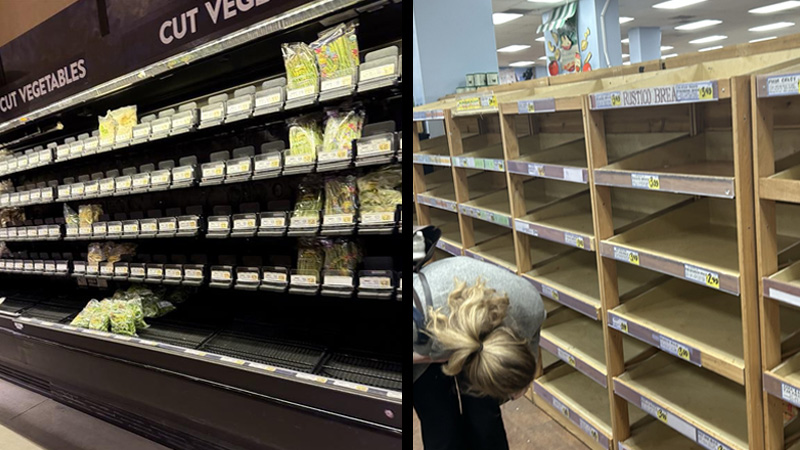
Scale and tone of alarm. Liberal outlets characterize Fern as a “monster” or “colossal” storm but generally emphasize measured official warnings, scientific briefings, and practical preparation steps, often folding it into routine severe-weather coverage. Conservative outlets are more likely to use highly charged language like “winter apocalypse,” “snow apocalypse,” and “ludicrous mode,” stressing the storm’s similarity to once-in-decades events and spotlighting striking images of empty store shelves and panic buying. While both sides note widespread alerts and substantial impacts, liberal reporting tends to keep the narrative anchored in institutional responses and public safety guidance, whereas conservative reporting leans into vivid depictions of chaos and personal hardship to underscore the storm’s exceptional nature.
Energy systems and power grid. Liberal coverage frequently presents the storm as evidence of existing strains in the U.S. electric grid, pointing to surging demand from data centers, regional vulnerabilities, and the need for broader modernization and resilience planning, sometimes invoking lessons from prior failures in Texas and the South. Conservative coverage focuses more on immediate operational stress, highlighting how extreme cold threatens natural gas production and emphasizing the pivotal role of traditional fuels in keeping lights and heat on, occasionally contrasting this with perceived limits of renewables. Both acknowledge federal emergency orders to support grids, but liberal stories frame them within a narrative of long-term infrastructure reform, whereas conservative stories use them to reinforce arguments about the indispensability of conventional energy and concerns about overreliance on intermittent sources.
Economic and behavioral framing. Liberal-leaning outlets tend to frame the storm’s economic impact through macroeconomic metrics—such as potential hits to first-quarter GDP, sector-specific losses in airlines and restaurants, and countervailing gains for retailers, auto parts chains, and snow-removal firms—treating Fern as a case study in how climate-driven extremes ripple through the economy. Conservative outlets more often center micro-level disruption and consumer psychology, running prominent stories on panic buying, perceived shortages, and the strain on everyday households, while also highlighting airline chaos as a symbol of broader systemic fragility. Where liberal coverage stresses economic resilience and sectoral winners and losers, conservative coverage stresses household coping, marketplace anxiety, and the fragility of just-in-time supply and travel networks.
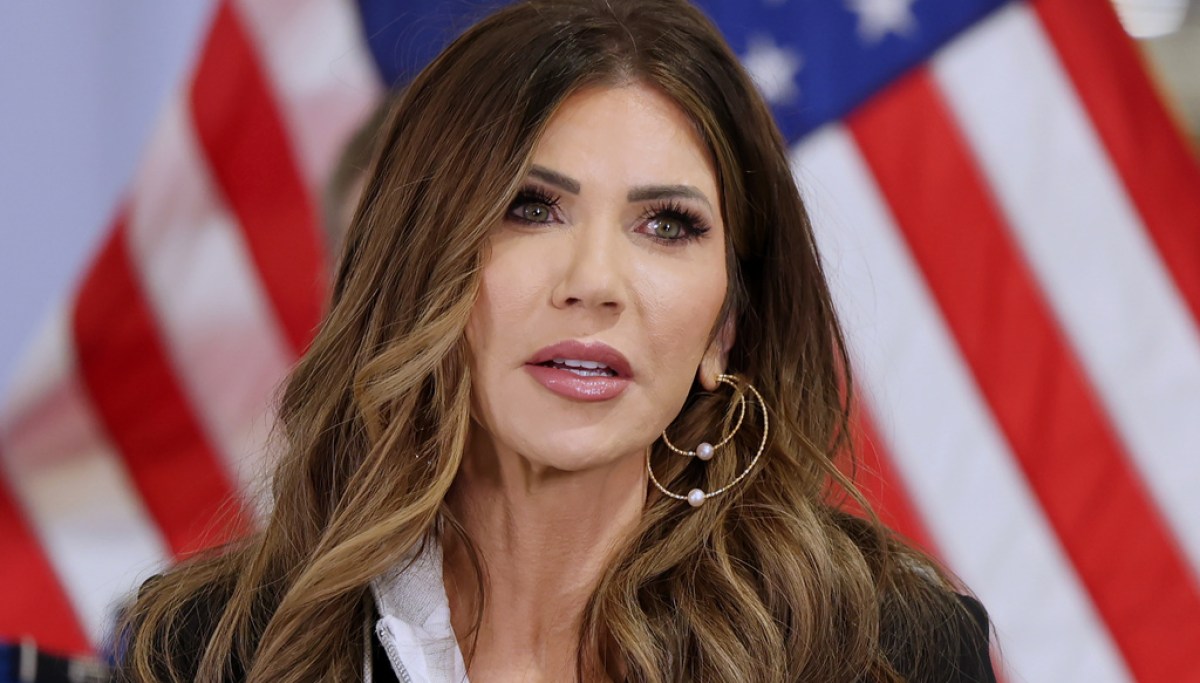
Climate change and political implications. Liberal coverage, when it widens the lens, is more inclined to connect Fern to the broader climate crisis, quoting experts who say that a warming world can intensify winter extremes and using the storm to argue for stronger climate and infrastructure policy, while also noting instances where political figures dismiss global warming amid the cold. Conservative coverage largely downplays or omits climate attribution, focusing instead on immediate safety, government emergency posture, and comments from figures like Donald Trump and Kristi Noem urging alertness and preparedness, sometimes using elite skepticism about global warming as a counterpoint to climate alarm. Thus, liberal outlets tend to cast Fern as part of a pattern that underscores climate risk and policy urgency, while conservative outlets treat it mainly as a discrete weather disaster highlighting competence, preparedness, and debates over energy reliability.
In summary, liberal coverage tends to embed Winter Storm Fern within narratives about infrastructure stress, climate risk, and macroeconomic impacts, while conservative coverage tends to dramatize the storm’s on-the-ground mayhem, emphasize household-level disruption and energy reliability, and sidestep or question broader climate linkages.
Story coverage