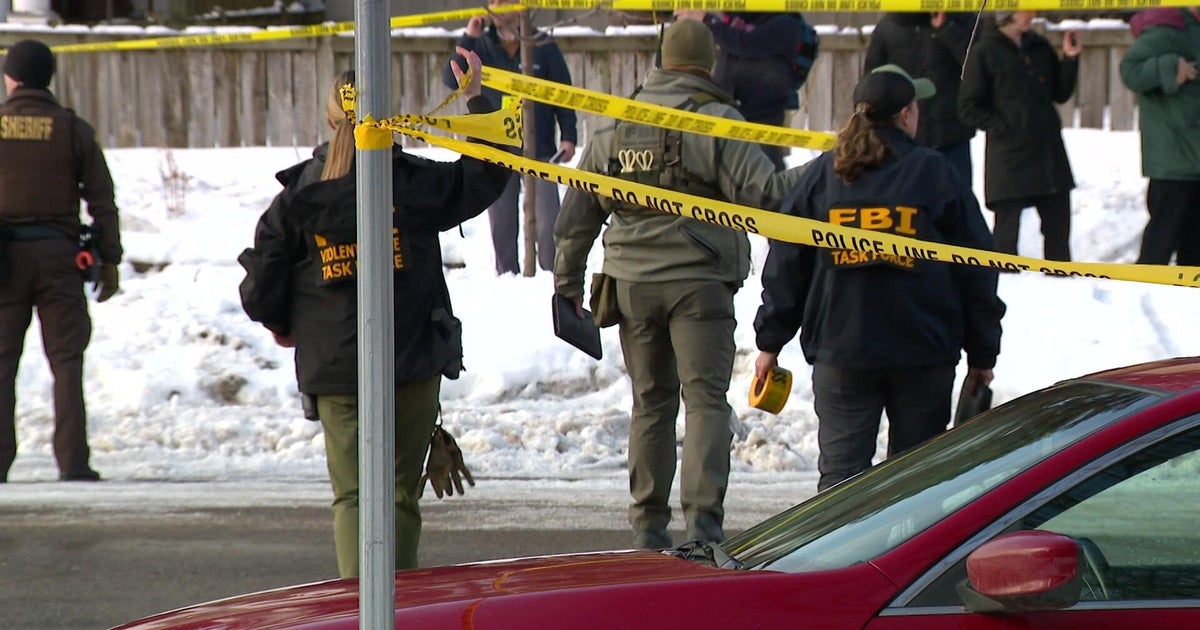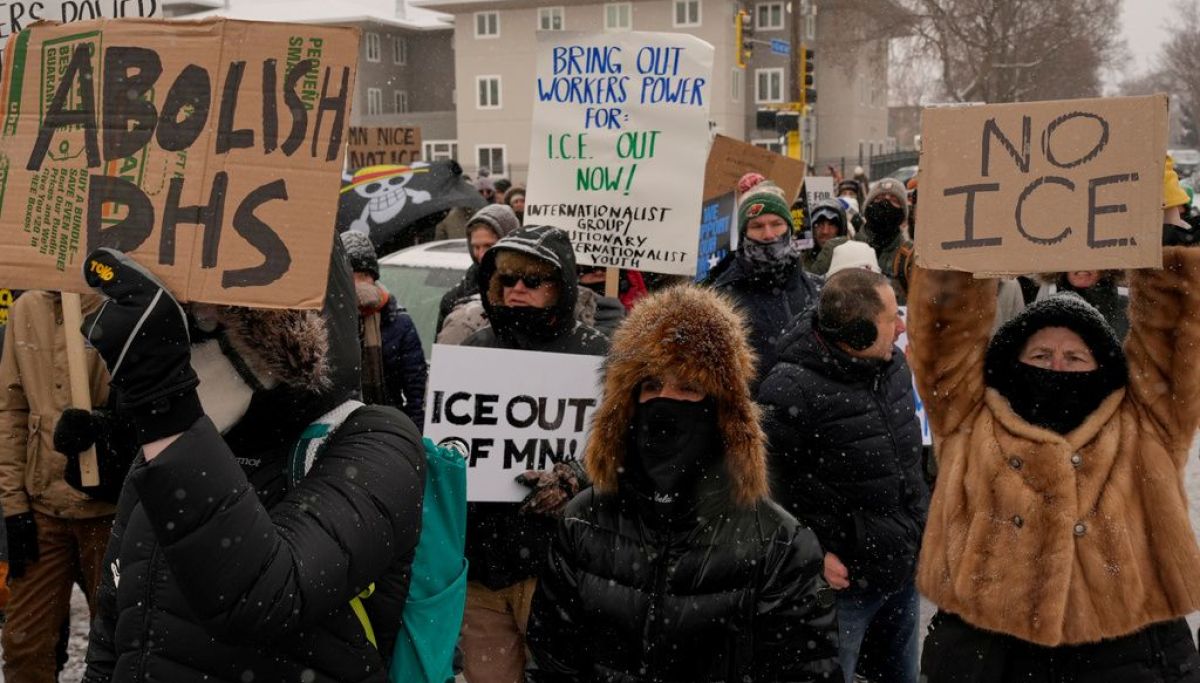



FBI agent Tracee Mergen, who had been an acting supervisory agent in the Minneapolis field office and worked on the public corruption squad, has resigned amid controversy over her role in the federal response to the fatal shooting of activist Renee Good by ICE officer Jonathan Ross. Across liberal- and conservative-aligned coverage, there is agreement that Good was killed during an encounter with Ross, that the Department of Justice declined to open a federal civil rights investigation into the shooting, and that the FBI publicly stated the known facts did not support such a case. Both sides note that Mergen had some involvement around the Good matter, that her resignation came after internal tensions over how the incident and related inquiries were handled, and that the FBI insists there is no evidence tying separate public benefits fraud probes to illicit political campaign contributions.
Coverage from both perspectives also situates the story within broader institutional and political context: the overlapping roles of the FBI, DOJ, ICE, and local prosecutors in use‑of‑force incidents, and the heightened scrutiny of federal law enforcement in protest‑related and civil rights cases. There is shared acknowledgment that the Good shooting and the internal FBI conflict over it unfolded in a polarized environment marked by debates over immigration enforcement, protest movements, and alleged politicization of federal agencies. Both liberal and conservative sources frame Mergen’s departure as part of ongoing friction over how aggressively to scrutinize federal officers’ actions, and they agree that the controversy touches on larger questions of accountability, inter‑agency deference, and the limits of civil rights enforcement tools in fatal‑force cases.
Areas of disagreement
Motives for Mergen’s resignation. Liberal‑aligned outlets tend to emphasize that Mergen resigned because she resisted pressure from FBI leadership to alter or shut down lines of inquiry into the Good shooting and related corruption questions, presenting her as pushing for more robust accountability. Conservative‑aligned outlets more often portray her as a rogue or politically driven actor, suggesting she overstepped by pursuing an unnecessary or harassing probe into an ICE officer whose actions they describe as clearly self‑defensive. While liberals frame the resignation as a whistleblower‑style reaction to institutional suppression, conservatives frame it as the departure of an agent whose judgment was compromised by ideology.
Characterization of the shooting. Liberal coverage generally describes the Good shooting in cautious or critical terms, stressing that it involved an activist and raising implicit questions about whether the force was justified, even as they acknowledge DOJ’s decision against a civil rights case. Conservative coverage treats the shooting much more definitively as self‑defense by Ross, asserting that available evidence exonerates him and that further scrutiny amounted to politicized second‑guessing. Thus, liberals present the shooting as a still‑contested episode in a broader pattern of force by federal officers, while conservatives present it as a resolved incident being inappropriately weaponized against ICE.
View of federal institutions and politicization. Liberal‑leaning outlets focus on potential politicization inside the FBI and DOJ in the direction of protecting federal law enforcement and political interests, suggesting leadership may have discouraged thorough investigation into both the shooting and any campaign finance angles. Conservative‑leaning outlets invert that concern, warning about politicization in the form of FBI personnel like Mergen allegedly using their positions to target an ICE officer and, by extension, Trump‑era immigration enforcement and protest policy. Both sides invoke institutional integrity, but liberals argue it is threatened by top‑down pressure to close ranks, while conservatives argue it is threatened by ideologically motivated investigators.
Scope of related corruption and protest context. Liberal reporting more often links Mergen’s broader portfolio—such as public benefits fraud and possible campaign contribution questions—to a systemic pattern of corruption and soft‑pedaled oversight, connecting the Good case to anxieties about how protests and nonprofit activities were policed. Conservative coverage tends to detach the benefits‑fraud and political‑donation issues from the Good shooting, highlighting official FBI statements that no illicit contribution link was found and framing Mergen’s interest in such angles as speculative overreach colored by opposition to the Trump administration’s protest and immigration stance. As a result, liberals see the episode as one node in a web of under‑investigated power abuses, while conservatives see it as an example of unrelated grievances being folded into an already‑settled shooting case.
In summary, liberal coverage tends to frame Mergen as a pressured investigator raising alarms about suppressed accountability in a politically sensitive shooting and corruption environment, while conservative coverage tends to depict her as an overzealous or partisan agent whose resignation appropriately ends an unwarranted campaign against an ICE officer cleared by existing reviews.
Story coverage