

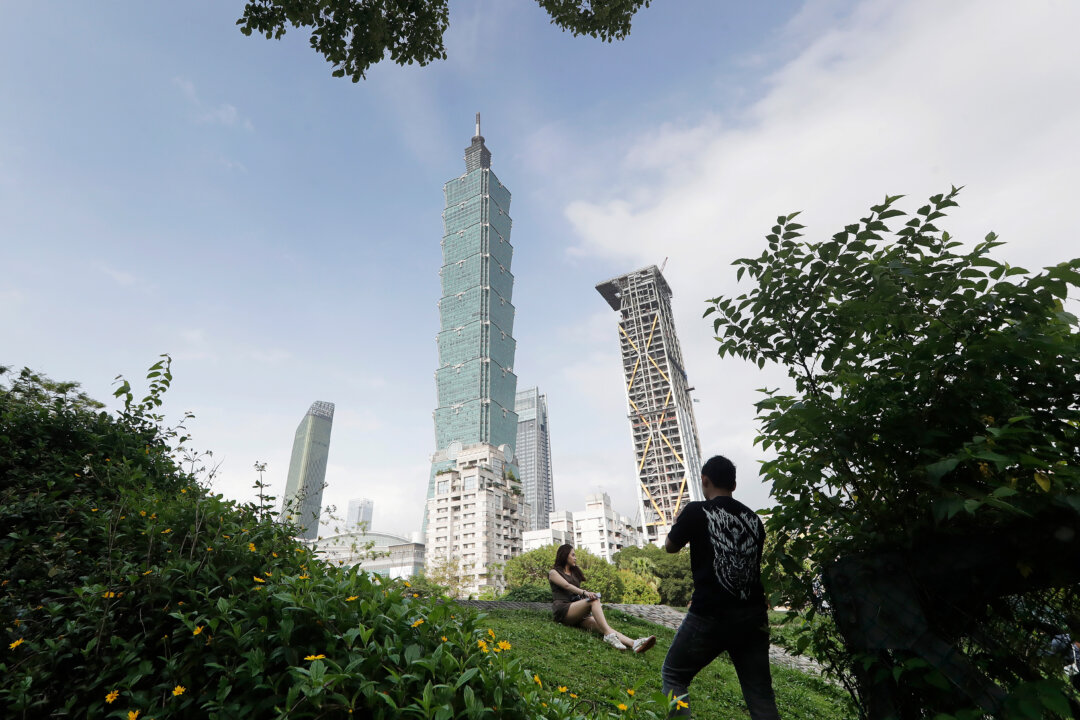
Professional climber Alex Honnold’s highly publicized ascent of Taipei 101 has been postponed due to rain and unsafe conditions on the building’s exterior. Coverage across the spectrum agrees that the climb was designed as a ropeless, live-broadcast stunt on one of the world’s tallest skyscrapers, standing around 1,667 feet in Taipei, Taiwan. Reports concur that organizers delayed the climb by roughly 24 hours after rainfall made surfaces too slick, with safety teams and event planners jointly deciding that the risk level was unacceptable for the originally scheduled time. Both liberal and conservative outlets describe the postponement as a precautionary response to weather rather than a cancellation of the event.
Liberal and conservative sources alike frame the climb within Honnold’s established reputation as a record-setting free solo climber known from major documentaries and media projects, emphasizing his history of tackling sheer vertical faces without ropes. They also agree that the event is a large-scale media production involving streaming platforms, professional safety teams, and local authorities in Taiwan, highlighting how modern climbing feats are often staged as live entertainment. Across outlets, there is shared context that skyscraper ascents sit at the intersection of extreme sports and spectacle, requiring coordination with building owners, city officials, and broadcast partners. Both sides recognize weather-related postponements as common in high-risk outdoor events, treating this delay as a routine illustration of how safety protocols and environmental conditions shape such spectacles.
Areas of disagreement
Significance of the event. Liberal-aligned coverage tends to treat the postponed Taipei 101 climb as part of a broader cultural fascination with streaming-era spectacle, connecting it to trends in adventure sports, global media, and celebrity-driven content. Conservative-leaning coverage, when it appears, more often presents the story as a straightforward human-interest or entertainment item, emphasizing the height of the tower, the daring nature of the attempt, and the logistical hiccup caused by rain. While liberal outlets may situate the climb within conversations about media commercialization or risk culture, conservative outlets are likelier to foreground the personal bravery and headline value of the stunt without extensive thematic framing.
Safety and risk framing. Liberal sources are more inclined to highlight safety considerations as part of systemic risk management, stressing the role of professional teams, liability concerns, and the responsibilities of platforms like Netflix in deciding whether conditions are acceptable. Conservative coverage generally acknowledges the danger but focuses more on Honnold’s individual risk tolerance and expertise, presenting the delay as a matter-of-fact weather setback rather than a deeper commentary on institutional caution. This leads liberal outlets to discuss the postponement in terms of procedures and protocols, while conservative ones emphasize the climber’s resilience and the promise of the rescheduled ascent.
Commercial and institutional critique. Liberal-aligned reporting is more likely to interrogate the role of big media and corporate sponsors, suggesting that such climbs are carefully engineered spectacles designed to drive subscriptions, attention, and branding for streaming services and partner companies. Conservative coverage tends to downplay or omit critical analysis of corporate motives, instead treating the broadcast partnership as a neutral or positive backdrop that brings an impressive feat to a global audience. As a result, liberal narratives can include skepticism about how far organizers might push extreme events for ratings, whereas conservative narratives more often celebrate the promotional aspect as a win-win for viewers and sponsors.
Cultural and geopolitical context. Liberal sources are more apt to place the event in a global cultural and geopolitical setting, briefly noting Taiwan’s prominence, the symbolic stature of Taipei 101, and how such stunts project soft power and international visibility. Conservative coverage typically centers on the tower’s height and fame without delving much into Taiwan’s political position or broader cultural implications, keeping the focus tightly on the climber and the spectacle. This creates a subtle contrast: liberal pieces may reference the host city and region as part of the story’s meaning, while conservative pieces treat the location primarily as a dramatic backdrop.
In summary, liberal coverage tends to situate Honnold’s postponed Taipei 101 climb within broader conversations about media spectacle, institutional responsibility, and global context, while conservative coverage tends to emphasize the personal daring, straightforward entertainment value, and logistical simplicity of a weather-driven delay.
