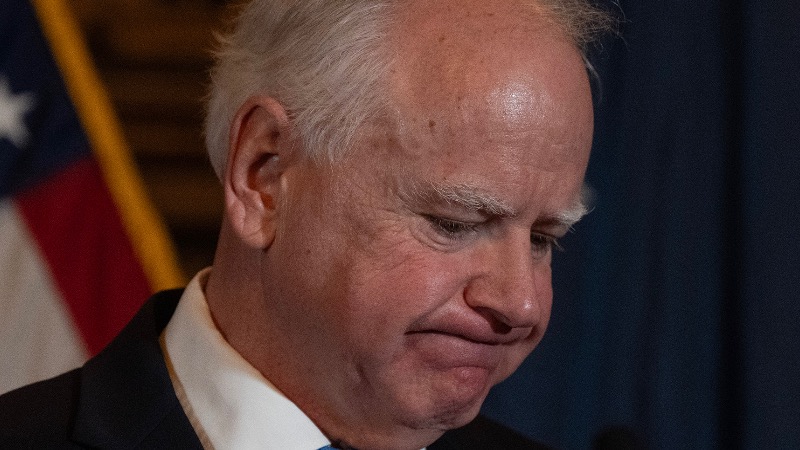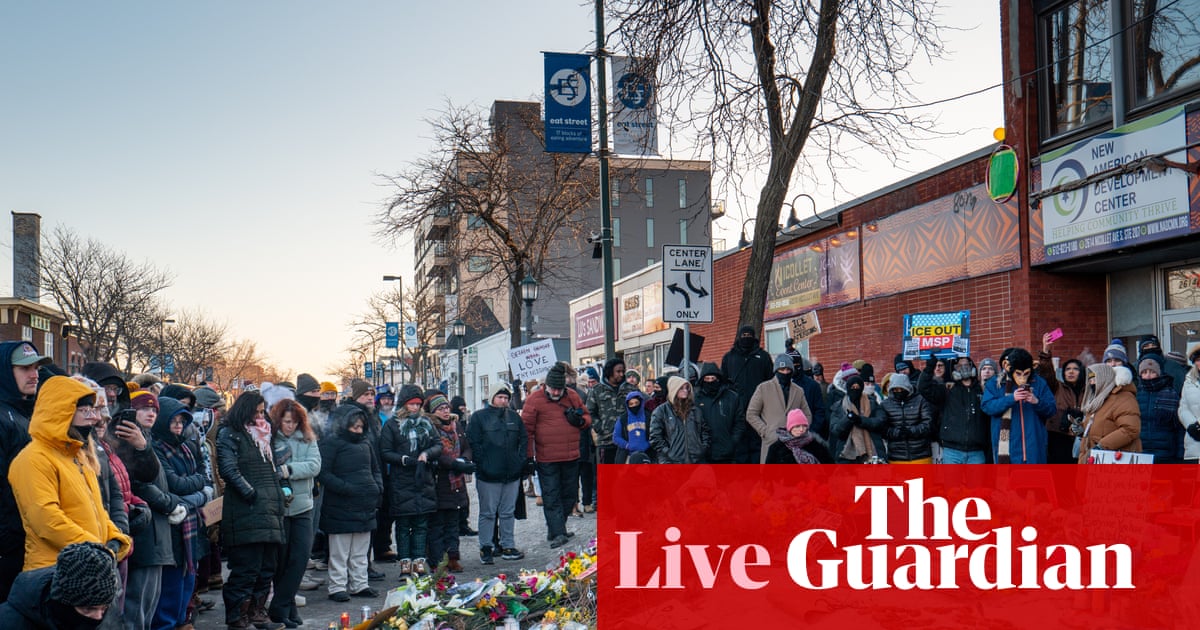

President Donald Trump, Minnesota Governor Tim Walz, and Minneapolis Mayor Jacob Frey have held a series of calls following fatal shootings by federal agents in Minnesota during protests related to immigration enforcement. Across both liberal- and conservative-leaning reports, the accounts agree that Trump described his calls with Walz and Frey as “very good” and “productive,” centered on de-escalating tensions after protesters were killed and on reassessing the federal law-enforcement footprint in Minneapolis. Both sides report that some federal agents, particularly those tied to immigration operations, will begin leaving or scaling back in Minneapolis, and that Trump agreed to at least “look into” pulling back certain Immigration and Customs Enforcement resources. Coverage also concurs that the talks included discussion of cooperation on targeting criminal noncitizens amid ongoing protests and unrest around ICE facilities and federal operations.
Liberal and conservative outlets also align on broader contextual points: the clashes and protests in Minnesota are part of a longer-running conflict over federal immigration enforcement, sanctuary policies, and local–federal jurisdiction. Both acknowledge that the shootings have triggered investigations into the conduct of federal agents and disputes between Minnesota officials and federal authorities over evidence preservation, while also noting that the situation is unfolding against the backdrop of contentious homeland security funding debates in Washington. They agree that Walz and Frey had previously been critical of the extent and tactics of federal involvement but are now, at least publicly, engaging in more cooperative talks with Trump in an effort to restore calm. Both sides situate the Minnesota events within national arguments over immigration crackdowns, sanctuary cities, and how to balance public safety, protest rights, and federal authority.
Areas of disagreement
Motives and responsibility. Liberal-aligned coverage emphasizes federal overreach and the role of aggressive immigration enforcement in creating the conditions that led to the protesters’ deaths, often highlighting concerns about agent misconduct and accountability. Conservative sources focus more on the behavior of protesters and anti-ICE activists, framing vandalism and riots as the central drivers of escalation and presenting federal agents as responding to lawlessness. While liberal outlets stress the need to scrutinize federal decision-making and operational rules of engagement, conservative outlets stress the responsibility of local leaders and demonstrators for allowing unrest to spiral.
Characterization of the Trump–Walz–Frey talks. Liberal sources portray the calls as Minnesota officials pressing Trump to scale back a controversial federal presence, presenting Trump’s willingness to review ICE deployments and pull some agents as a concession prompted by public outrage and the fatal shootings. Conservative outlets, by contrast, cast the same calls as Walz and Frey effectively coming around to Trump’s agenda, highlighting language that they are now on a “similar wavelength” and stressing commitments to cooperate on deporting criminal illegal aliens. Where liberal coverage frames the discussions as damage control and partial rollback of an overbroad crackdown, conservative coverage frames them as evidence of constructive alignment with federal enforcement priorities.
Framing of immigration enforcement and sanctuary policy. Liberal reporting tends to link the shootings to a broader critique of Trump’s hardline immigration policies, questioning the public-safety value of aggressive ICE operations and pointing to sanctuary-style protections as an attempt to shield communities from perceived heavy-handed federal tactics. Conservative coverage frames sanctuary policies themselves as the underlying problem, arguing that resistance from Minnesota leaders helped create a chaotic environment that endangered both agents and the public, and presenting stepped-up deportation of criminal noncitizens as a common-sense remedy. Thus, liberal outlets stress civil-liberties risks and humanitarian costs, while conservative outlets underscore law-and-order imperatives and the need to back federal agents.
Political stakes and national implications. Liberal sources situate the Minnesota developments within a broader fight over homeland security funding and Democratic opposition in Congress, depicting the shootings as further evidence that Trump’s enforcement-first approach is politically and morally untenable. Conservative outlets, however, interpret the episode as validating Trump’s rhetoric on criminal illegal immigration and as a political win when even previously critical Democratic officials agree to cooperate with deportation efforts. Liberal coverage highlights potential reform and scaling back of federal presence as a model for reining in federal law enforcement elsewhere, whereas conservative coverage treats the cooperation as a template for bringing resistant states and cities into line with federal immigration priorities.
In summary, liberal coverage tends to frame the Minnesota calls as a pressured de-escalation and partial retreat from an overzealous federal crackdown that culminated in fatal shootings, while conservative coverage tends to present them as proof that Walz and Frey are finally embracing Trump’s law-and-order and deportation agenda after unrest exposed the failures of resistance politics.
Story coverage