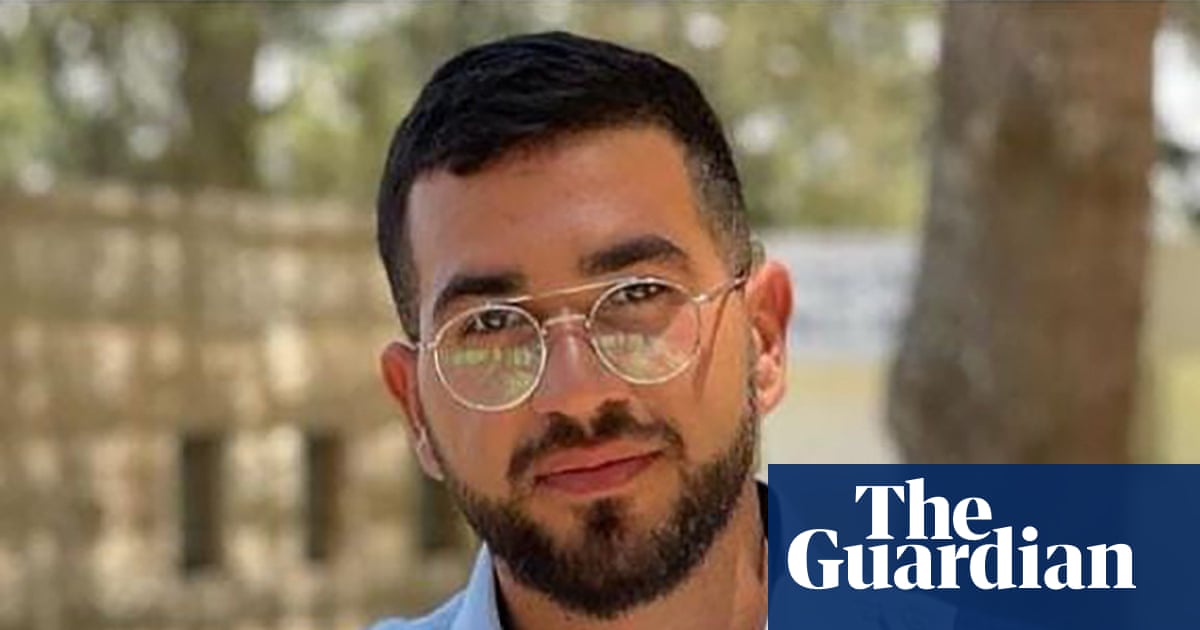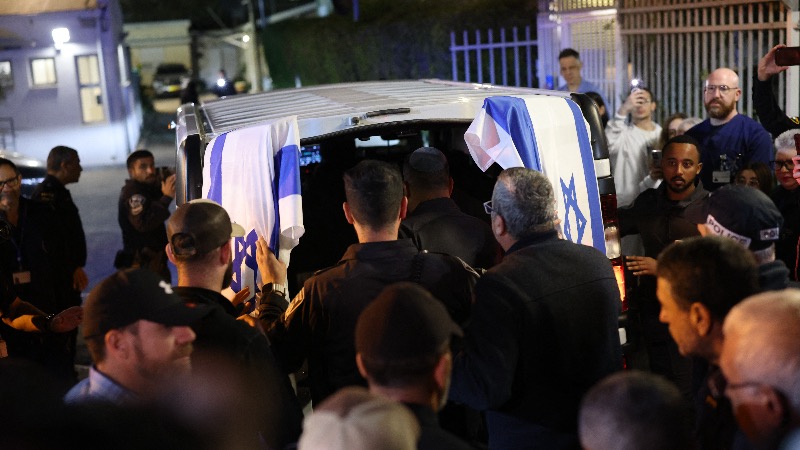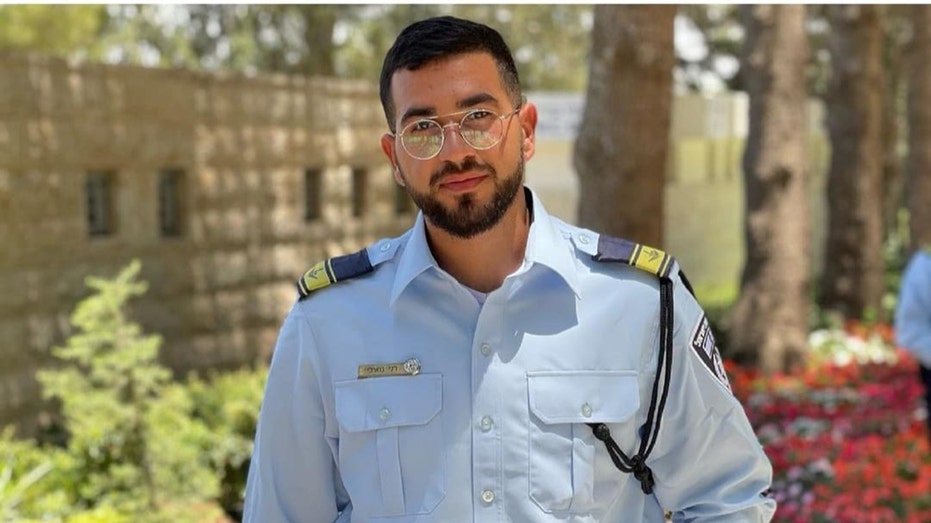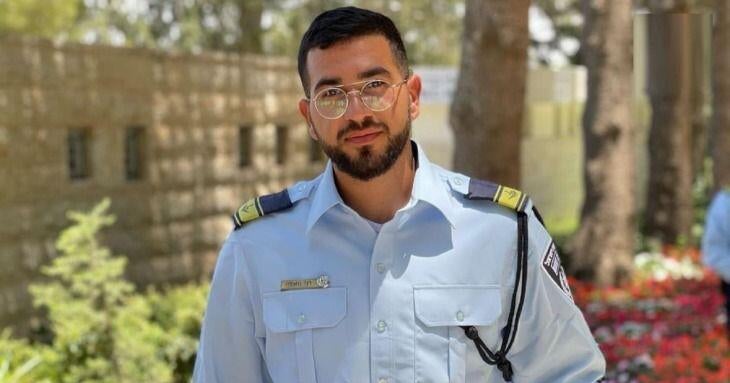




Israelis and foreign media across the spectrum report that the remains of Staff Sgt. (police sergeant) Ran Gvili, identified as the last Israeli hostage held in Gaza, have been recovered and returned to Israel. Gvili, a 24‑year‑old Israel Police special forces officer, was killed on October 7, 2023, near Kibbutz Alumim and his body was taken into Gaza; forensic examination confirmed his identity, and the Israel Defense Forces now say there are officially no more hostages in Hamas captivity. Both liberal and conservative outlets agree that this recovery fulfills a key condition in the current ceasefire framework and body‑return phase and that his remains will now be prepared for burial in Israel.
Liberal and conservative sources also converge on the shared context that this recovery is tied to an evolving, externally mediated ceasefire and political plan for Gaza that includes phased implementation. They agree that the plan’s first stage involved the return of hostages’ bodies from Gaza and that the next phases are envisioned to cover broader political, security, and humanitarian arrangements, such as a structured ceasefire, changes at the Rafah crossing, and governance and security arrangements for Gaza, including discussion of Palestinian administration and disarmament of militant groups.
Areas of disagreement
Characterization of the ceasefire plan. Liberal‑aligned outlets tend to describe the framework as an international or U.S.‑brokered ceasefire plan with multiple phases, emphasizing diplomatic efforts, conditions like body returns, and humanitarian elements such as reopening Rafah for pedestrians. Conservative outlets are more likely to frame it explicitly as President Trump’s Gaza peace plan, underscoring its branding as a Trump initiative and highlighting that Washington is pushing it forward despite reported Israeli misgivings. While liberals stress technocratic and multilateral aspects of the arrangement, conservatives center the plan around Trump’s personal agenda and leadership.
Political endgame in Gaza. Liberal sources describe the envisioned outcome as a unified Palestinian‑run Gaza, presenting it as part of a broader effort to establish coherent Palestinian governance, and noting that some Israeli extremists oppose this vision. Conservative coverage more heavily foregrounds provisions like Palestinian statehood and Hamas disarmament alongside an international monitoring force, depicting these as key pillars of Trump’s strategy and as controversial concessions pressured on Israel. Liberals focus on governance reform and Palestinian agency, whereas conservatives zero in on security guarantees, disarmament, and the geopolitical stakes of creating or advancing Palestinian statehood.
Portrayal of Israeli and Hamas roles. Liberal‑leaning reporting is more inclined to include Hamas statements that the return of remains shows their adherence to ceasefire terms and to pair this with criticism of ongoing Israeli violations and the limited impact on Gaza’s humanitarian crisis. Conservative outlets foreground Israeli military professionalism and victimhood, describing the painstaking identification process and emphasizing that Israel has now fulfilled its responsibility to its citizens, with less attention to Hamas’ narrative or humanitarian caveats. Thus liberals tend to situate both parties’ actions within a cycle of obligations and violations, while conservatives largely cast Israel as the law‑abiding actor and Hamas as the aggressor being compelled to comply.
Framing of Israeli domestic politics. Liberal coverage is more likely to discuss internal Israeli opposition, particularly from right‑wing or extremist factions that object to elements of the ceasefire or a Palestinian‑run Gaza, portraying these debates as obstacles to a sustainable political resolution. Conservative coverage, by contrast, highlights Israeli objections mainly as resistance to external pressure from the U.S. and to what is portrayed as an imposed peace plan, framing Israel as reluctantly going along with Washington’s agenda. In liberal narratives, domestic pluralism and extremist resistance are the story, while in conservative narratives, national sovereignty and pressure from foreign leaders, especially Trump’s opponents or successors, are the central themes.
In summary, liberal coverage tends to situate the recovery of Ran Gvili’s remains within a broader diplomatic and humanitarian framework that emphasizes Palestinian governance, internal Israeli dissent, and mutual obligations under a ceasefire, while conservative coverage tends to spotlight Trump’s branded peace plan, Israel’s fulfillment of its duties, and a security‑first path toward Palestinian statehood and Hamas disarmament.
Story coverage