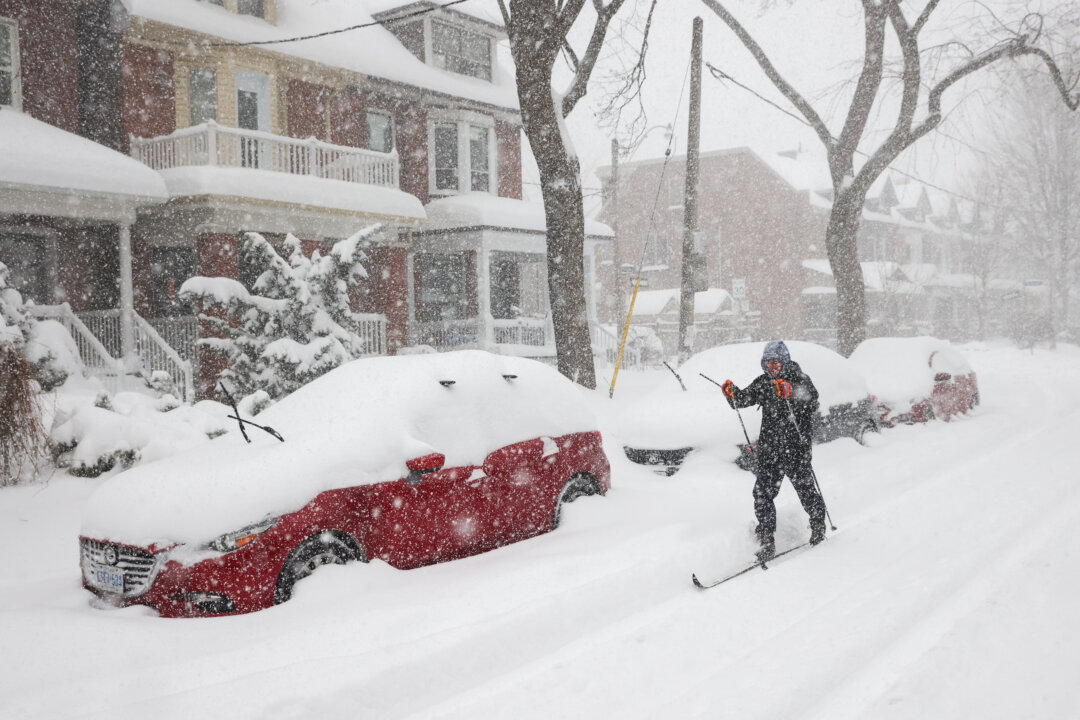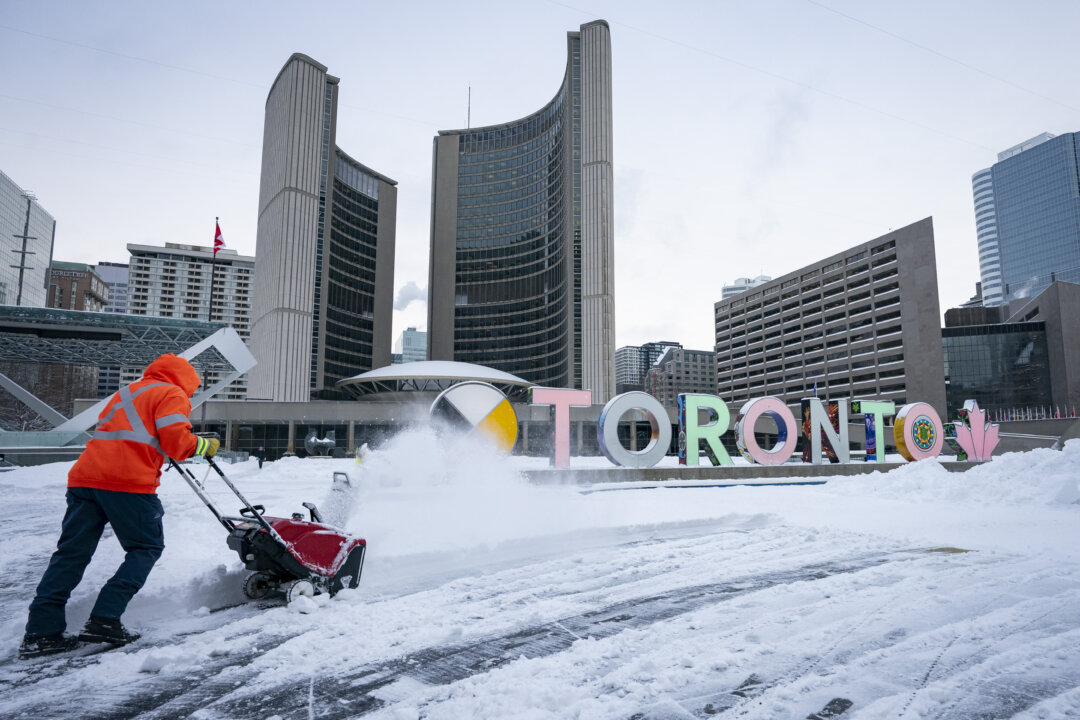
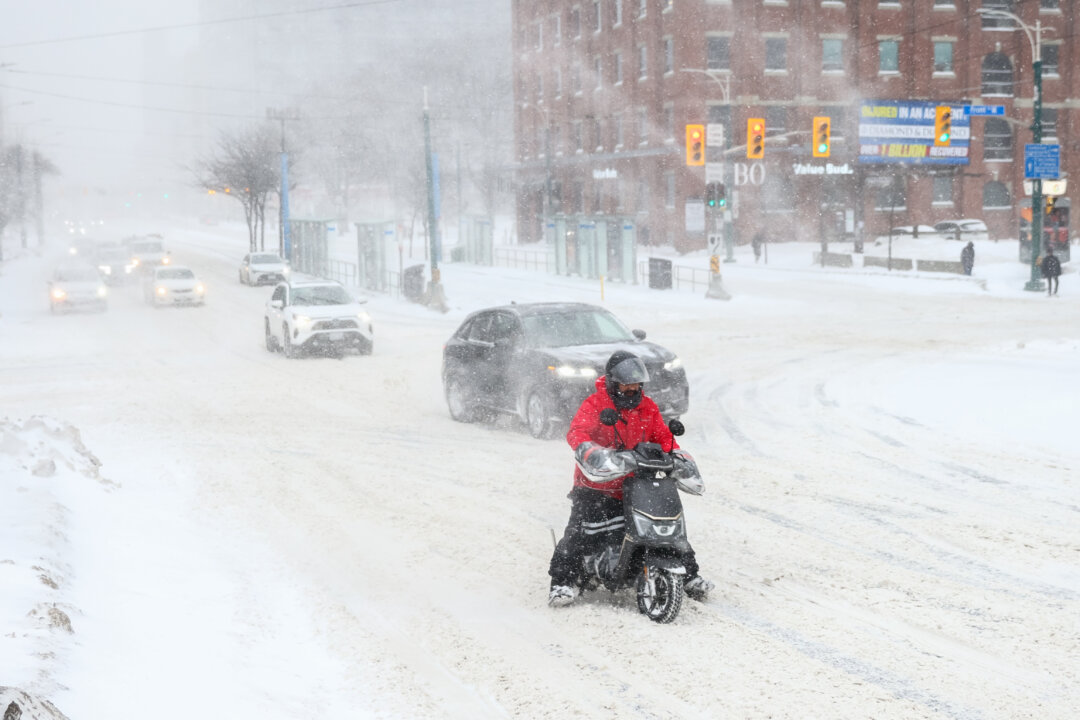
Toronto has been hit by a record-breaking snowstorm, with reports converging around totals in the range of roughly 50–60 centimeters of snow over a short period, making it one of the largest, if not the largest, single-day snowfalls in the city’s recorded history. Both liberal- and conservative-aligned outlets agree that the storm struck over a January weekend, blanketed the Greater Toronto Area and parts of Eastern Canada, and produced severe travel chaos: more than 500 flights were canceled on Sunday, Pearson International Airport logged its highest daily snowfall on record, and road conditions became treacherous with reduced visibility, slippery surfaces, and multi-hour delays.
Coverage on both sides also emphasizes similar institutional and meteorological context: Environment Canada issued winter storm alerts in advance, warning of up to 40–50+ centimeters of snow, strong wind gusts, and significantly reduced visibility as the system tracked across Ontario toward Eastern Canada. There is shared focus on the operational response—city crews working to clear “mountains” of snow, the mayor publicly urging residents to stay home and check on vulnerable neighbors, and authorities repeatedly advising drivers to exercise extreme caution—alongside acknowledgment that the storm fits into a pattern of increasingly intense winter weather that tests urban infrastructure, emergency services, and airport operations.
Areas of disagreement
Framing of the disruption. Liberal-aligned coverage tends to frame the event foremost as a civic and logistical crisis inside the city, stressing the unprecedented scale of snowfall within Toronto proper and the resulting urban shutdown and service strain. Conservative-leaning outlets more often emphasize the broader regional and national scale of the disruption, tying Toronto’s experience to impacts across Eastern Canada and airports beyond the city. While both mention extensive cancellations and delays, liberal sources stress human-scale inconveniences and city dig-out efforts, whereas conservative sources linger more on airport operations, regional travel networks, and the technical record-setting nature at Pearson.
Role of government and institutions. Liberal coverage is more likely to highlight municipal actions and public messaging—such as the mayor’s calls for residents to stay home, help one another, and rely on city services—as evidence of active coordination and community-oriented leadership. Conservative outlets mention the same advisories but cast more attention on individual preparedness, motorists’ responsibility to drive cautiously, and the limits of what government can realistically manage in such extreme conditions. Where liberal narratives lean into the importance of robust public services to clear streets and keep vulnerable residents safe, conservative reporting tends to underscore personal responsibility and the practical constraints on government responses during record-breaking storms.
Context and underlying causes. Liberal-leaning sources are somewhat more inclined to situate the storm in broader discussions of climate and infrastructure resilience, implicitly or explicitly connecting the intensity of the snowfall to patterns of more volatile winter weather that demand long-term planning reforms. Conservative-aligned outlets, while acknowledging the storm’s severity and historical records, generally treat it as a rare but natural extreme weather event, focusing on immediate forecasts, alerts, and safety guidance rather than systemic environmental drivers. As a result, liberal reports more often hint at climate adaptation and urban-planning implications, whereas conservative coverage keeps the lens tighter on near-term meteorological data and practical advisories.
Tone toward risk and future preparedness. Liberal coverage typically adopts a tone that stresses systemic vulnerability—how public transit, airports, and social services strain under such events—and suggests the need for enhanced capacity and coordination for future storms. Conservative reporting, by contrast, tends to frame the episode as a stern but manageable test of existing systems, emphasizing that forecasters, airport authorities, and local officials largely performed as expected given the circumstances. This leads liberal narratives to foreground the idea that such record storms may become more common and require policy changes, while conservative narratives focus more on weather variability, short-term risk management, and the resilience already demonstrated by institutions and individuals.
In summary, liberal coverage tends to emphasize urban vulnerability, public services, and broader climatic or policy implications of the record snowfall, while conservative coverage tends to stress regional scope, personal responsibility, and the immediate operational and meteorological dimensions of the storm.
Story coverage