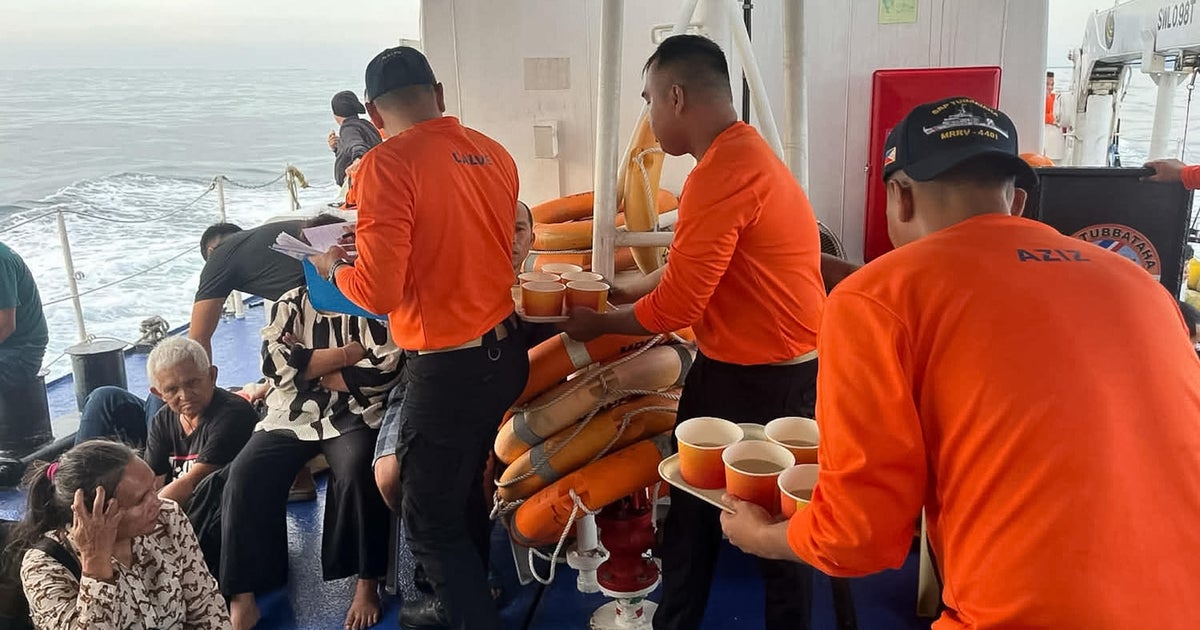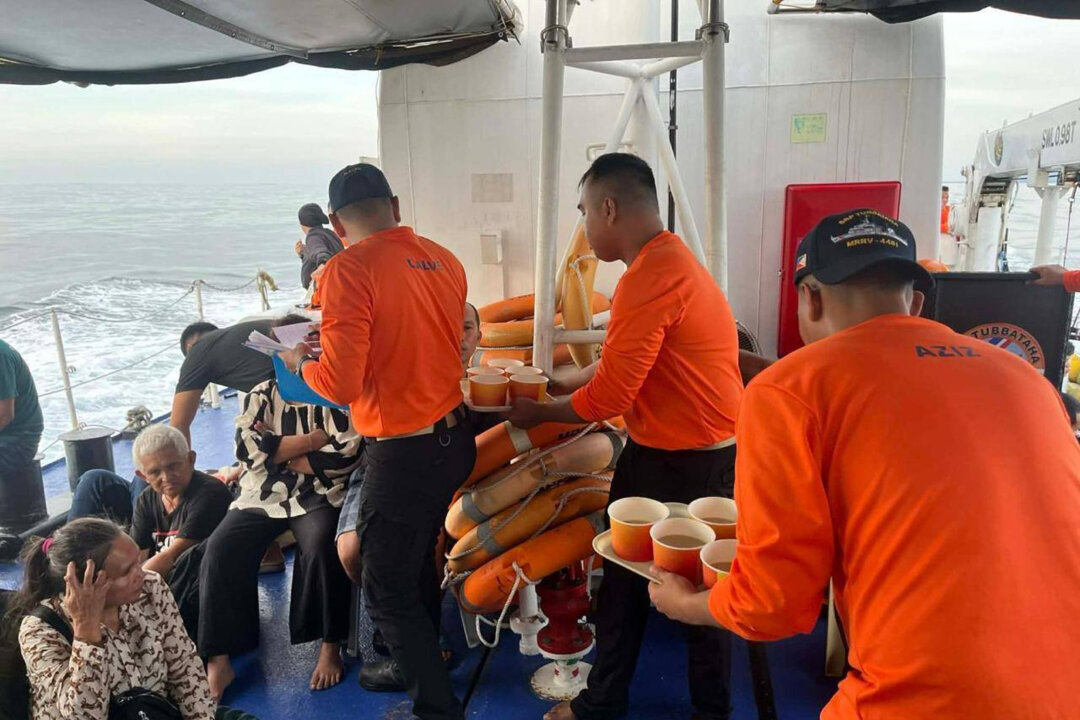



A ferry identified in some reports as the M/V Trisha Kerstin 3 sank early Monday near the island village of Baluk-baluk in Basilan province in the southern Philippines, about a nautical mile from shore, while carrying more than 350 people, including roughly 332 passengers and 27 crew. Liberal and conservative outlets agree that the vessel reportedly encountered technical problems, tilted or listed, and caused many passengers to fall into the sea, with at least 15 people confirmed dead, hundreds rescued (over 300 survivors), and search-and-rescue and recovery operations still underway for missing individuals.
Both liberal and conservative coverage situate the disaster within the broader context of the Philippines’ heavy reliance on inter-island ferries and its recurring record of maritime accidents. They similarly note that authorities have opened an investigation into the causes of the sinking, including potential mechanical issues and compliance with safety regulations, and that maritime, coast guard, and local emergency institutions are coordinating rescue and inquiry efforts. Across the spectrum, outlets present the incident as part of ongoing concerns about vessel maintenance, enforcement of capacity and safety rules, and the need for reforms to prevent future ferry disasters in the archipelago.
Areas of disagreement
Death toll and casualty framing. Liberal-aligned coverage tends to cite a higher confirmed death toll, using figures such as 18 dead and highlighting the evolving nature of casualty counts as more bodies are recovered, while conservative outlets more consistently report at least 15 dead and focus on the large number of people rescued. Liberal sources emphasize the uncertainty around the total number of missing and potential additional fatalities, whereas conservative sources frame the numbers more conservatively and stress that hundreds were saved.
Emphasis on systemic safety issues. Liberal coverage more often uses the incident to underscore chronic maritime safety problems in the Philippines, connecting the sinking to patterns of lax enforcement, aging fleets, and prior ferry disasters. Conservative coverage, while acknowledging technical problems on the vessel, tends to keep the focus on the specific incident and technical failure rather than broad structural critiques, offering less detailed discussion of long-term regulatory reform or systemic negligence.
Tone toward authorities and accountability. Liberal-leaning outlets more frequently underscore the responsibility of regulatory agencies and operators, noting that investigations will probe whether safety rules and maintenance standards were followed and hinting at possible institutional shortcomings. Conservative outlets mention the investigation but place more narrative weight on the actions of rescuers and the immediate official response, portraying authorities in a more neutral or operational light rather than scrutinizing their prior oversight.
Narrative focus and human impact. Liberal sources are somewhat more likely to foreground the human toll and experience of passengers, including descriptions of people falling into the sea as the vessel tilted and the trauma of those still searching for relatives, using this framing to argue implicitly for better protections. Conservative sources center their narrative on the sequence of the sinking and the efficiency of the rescue effort, highlighting numbers of those saved and the good weather conditions, with comparatively less elaboration on survivor experiences or political implications.
In summary, liberal coverage tends to stress a higher casualty count, connect the sinking to systemic maritime safety failures, and underline potential regulatory accountability, while conservative coverage tends to report the lower-end confirmed death toll, highlight the success of rescue operations and technical aspects of the incident, and give less emphasis to broader structural or political criticism.
Story coverage