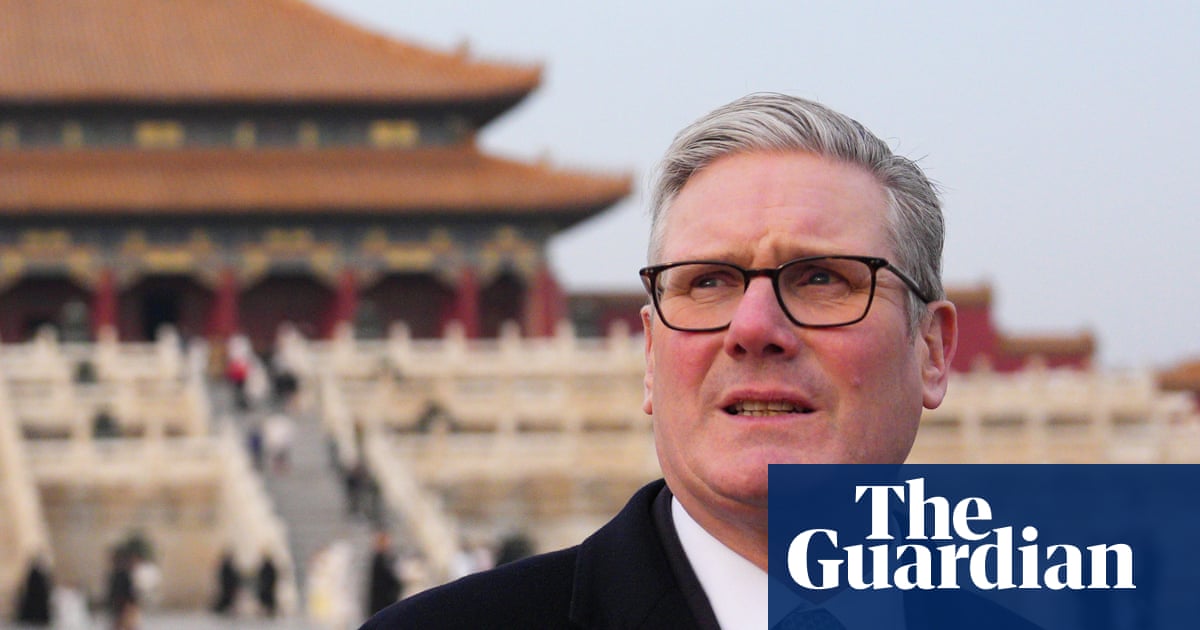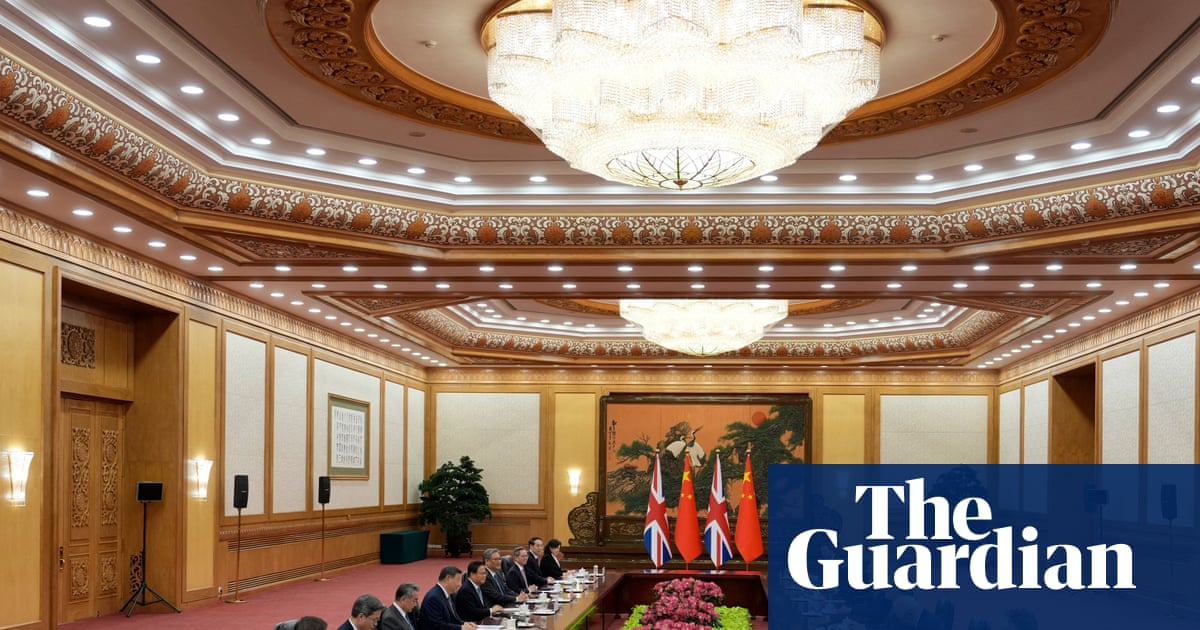

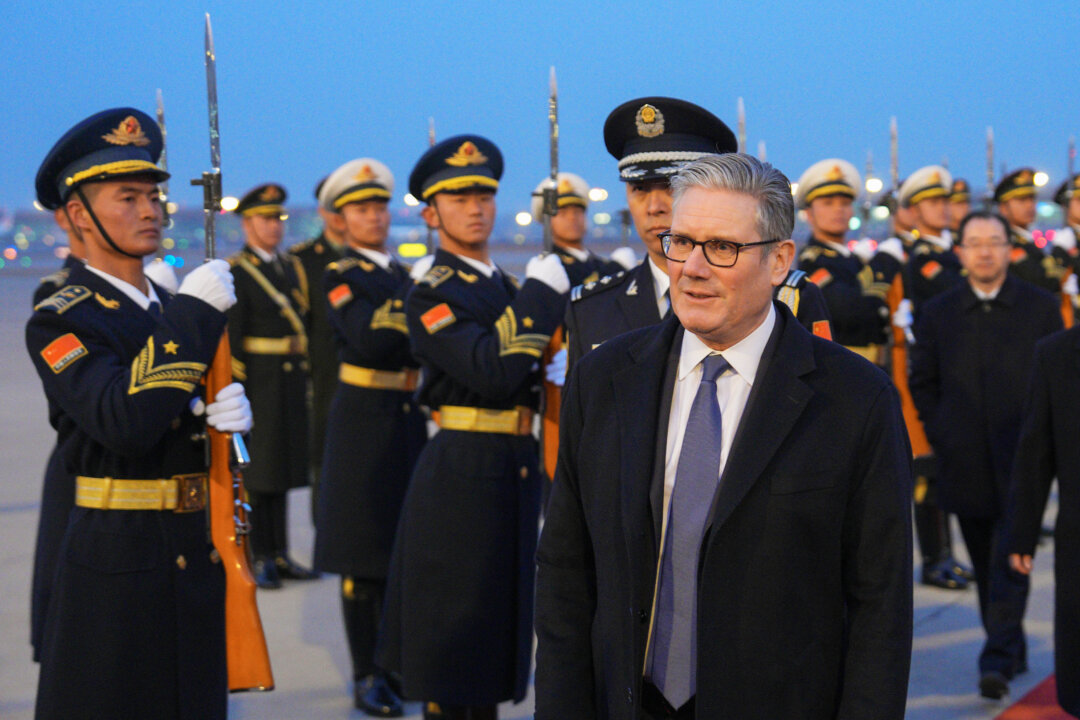
UK Prime Minister Keir Starmer met Chinese President Xi Jinping in Beijing for high-level talks described by both sides as an attempt to “reset” and build a long-term “strategic partnership” or “more sophisticated relationship” after several years of strained UK‑China ties. Coverage across the spectrum agrees that the visit focused on deepening economic cooperation, with Starmer accompanied by business leaders and announcing measures intended to help British firms expand in China, alongside discussions on potential visa-free or visa-waiver arrangements for British nationals and fairer treatment for Chinese companies in the UK. Both liberal- and conservative-leaning reports concur that the talks included cooperation in areas such as education, healthcare, climate change, artificial intelligence, and broader global stability, and that both leaders publicly framed the meeting as an effort to enhance engagement for world peace and economic benefit, despite persistent security and human rights concerns.
Shared context in both liberal and conservative coverage emphasizes that this outreach follows a period often described as an “ice age” or a phase of distrust in the bilateral relationship, shaped by issues like national security worries, sanctions on certain British MPs, and difficulties faced by UK businesses operating in China. Both sides portray the visit as part of a wider rebalancing of the UK’s foreign policy amid global instability and shifting power dynamics, with the relationship being defined less as a simple partnership and more as a complex mix of cooperation and competition. Reports also agree that the meeting signals a cautious but notable positive shift in tone, with each government seeking pragmatic engagement to manage disagreements while still pursuing mutual economic and strategic interests, and that any future visit by Xi to the UK would face political scrutiny and domestic controversy.
Areas of disagreement
Motives and strategic framing. Liberal-aligned outlets tend to frame Starmer’s Beijing trip primarily as economic pragmatism driven by the UK’s sluggish growth and a desire to rebalance away from overdependence on any single partner, highlighting a degree of independence from US policy. Conservative-oriented coverage more often stresses the language of a “strategic partnership” and global stability, presenting the visit as part of a broader security and diplomacy play in a turbulent international environment. While liberals underline the pressures of domestic economic performance and business concerns, conservatives emphasize statecraft, alliance management, and Britain’s global role alongside economic interests.
Risk, security, and human rights. Liberal sources give more space to ongoing anxieties about national security, the presence of sanctioned MPs, and unresolved human rights issues, portraying these as serious constraints on any deep rapprochement and potential flashpoints if Xi visits the UK. Conservative coverage, while not ignoring these issues, tends to foreground the symbolic reset and the benefits of engagement for stability, treating rights and security concerns more as background complications than defining features. The liberal framing thus casts the outreach as guarded and conditional, whereas the conservative framing leans toward viewing it as a necessary and manageable gamble in pursuit of influence and order.
Economic dependence and business climate. Liberal reporting often highlights the challenging business environment for UK companies in China and warns against overreliance on Chinese markets, framing new deals and visa discussions as useful but insufficient without structural safeguards and diversification. Conservative pieces are more likely to stress the potential upside of deeper ties and expanded access, positioning the economic agenda as an opportunity to revitalize trade and investment with fewer caveats. This leads liberals to describe the reset as tentative and hedged, while conservatives present it as a timely opening that Britain should seize confidently.
Alignment with allies and global positioning. Liberal-aligned outlets tend to underscore that pursuing a more “sophisticated” relationship indicates room for policy autonomy from Washington and a nuanced stance between great-power blocs, sometimes suggesting this as a corrective to previous hardline approaches. Conservative coverage is more inclined to situate the visit within a larger contest of influence, including references to shifting US policy under figures like Donald Trump, and to argue that closer UK-China dialogue can be compatible with strong Western alliances if handled assertively. As a result, liberals frame the move as careful diversification of partnerships, whereas conservatives cast it as a way to maintain British clout amid a volatile and competitive global order.
In summary, liberal coverage tends to depict the Beijing visit as a cautious, economically driven reset constrained by security, rights, and alliance considerations, while conservative coverage tends to highlight the strategic partnership language, the benefits of engagement for stability and influence, and the opportunity for Britain to play a more assertive role on the global stage.
Story coverage