

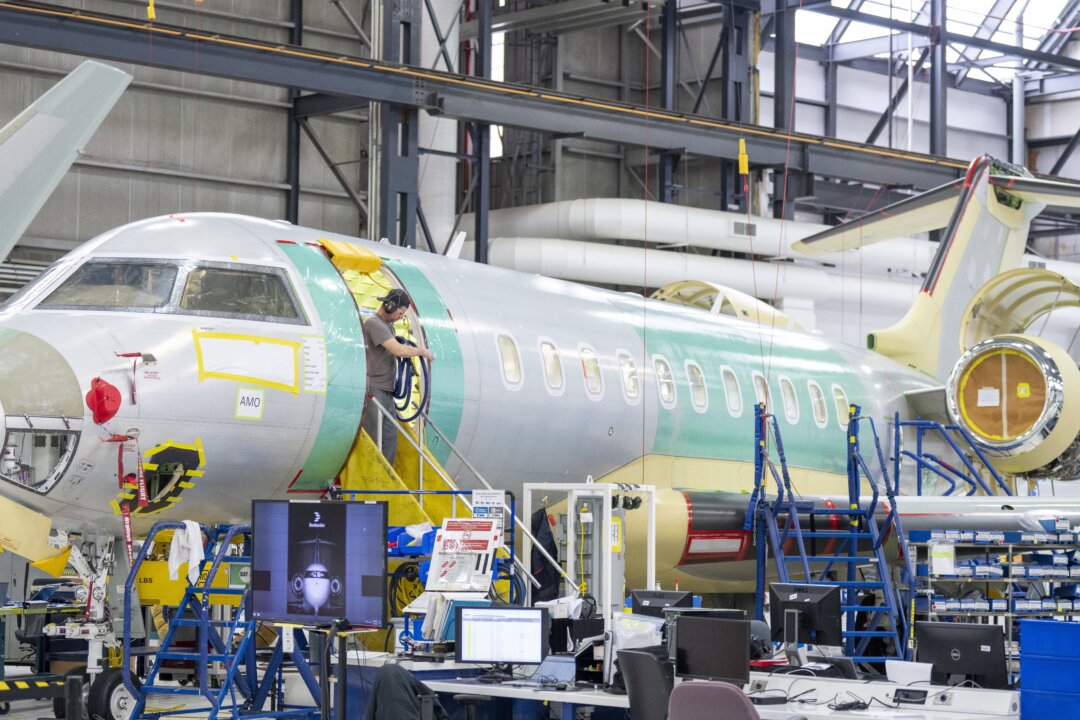
Trump has threatened to impose a 50 percent tariff on Canadian-made aircraft sold in the United States and to move toward decertifying Canadian-built planes, including Bombardier Global Express models, over a certification dispute. Conservative accounts describe this as a response to Canada’s alleged refusal to certify several U.S.-made Gulfstream jet models, with Trump warning that unless Canada changes course and grants certification, Canadian aircraft entering the U.S. market could face steep new duties. These reports agree that the threatened measures are framed as leverage in a broader trade and regulatory confrontation between Washington and Ottawa, that they would affect business and private jets more than commercial airliners, and that they signal an escalation of tensions at the leadership level between Trump and Canadian officials.
Coverage that cuts across partisan lines situates this dispute within long-standing trade, regulatory, and aviation-safety frameworks governing cross-border aircraft sales, including mutual recognition of certifications by national aviation authorities. Both sides note that aircraft certification typically runs through federal aviation regulators and is intertwined with international agreements and industry standards, so any decertification or punitive tariffs could disrupt existing supply chains and contractual relationships involving manufacturers, leasing firms, and operators in both countries. There is shared acknowledgment that such a move could complicate broader U.S.–Canada economic relations, touch on World Trade Organization norms, and raise questions about the balance between political pressure and technical decision-making in aviation oversight.
Areas of disagreement
Motives and framing. Liberal-leaning coverage is likely to frame Trump’s threat as a politically motivated escalation of trade nationalism that risks undermining rule-based aviation and trade systems, emphasizing potential harm to diplomatic relations and industry stability. Conservative outlets, by contrast, tend to present the move as a justified response to Canadian regulatory obstruction, portraying Trump as defending U.S. manufacturers against unfair treatment. Where liberal sources would question whether the certification dispute is being used as a pretext for broader protectionism, conservative sources more often cast it as overdue leverage to make Canada honor reciprocal commitments.
Use of tariffs as leverage. Liberal-aligned reporting generally highlights tariffs as a blunt instrument that can trigger retaliation, increase costs for airlines and consumers, and destabilize cross-border investment, often warning that threatening a 50 percent tariff over a technical certification issue is disproportionate and risky. Conservative coverage tends to characterize the tariff threat as a strong but necessary negotiating tool, arguing that prior, more diplomatic approaches failed to move Canadian regulators. While liberals emphasize potential economic fallout and legal challenges, conservatives stress short-term pain as acceptable if it forces better market access for U.S. aircraft.
Role of institutions and experts. Liberal sources are more likely to foreground the role of independent aviation regulators, international safety bodies, and trade organizations, arguing that politicizing certification decisions undermines technical expertise and could erode safety norms. Conservative outlets more often downplay technocratic concerns, focusing instead on the idea that regulatory agencies must ultimately answer to elected leaders pursuing national interests. This leads liberals to stress process integrity and institutional independence, while conservatives stress executive authority and the need to use all available tools when partners, in their view, exploit regulatory processes.
Impact on U.S.–Canada relations. Liberal coverage tends to underscore the risk that such aggressive measures could poison relations with a close ally, jeopardize cooperation on other issues, and invite retaliatory measures against U.S. exports or regulatory recognition. Conservative coverage, however, frequently argues that Canada has more to lose in a prolonged dispute and that firm pressure now could reset the relationship on terms more favorable to the United States. Where liberals see the episode as symptomatic of a damaging trade war posture toward allies, conservatives are more likely to treat it as a tactical clash that will lead to a fairer, more balanced partnership once resolved.
In summary, liberal coverage tends to depict Trump’s tariff and decertification threats as a dangerous politicization of technical aviation disputes that risks economic harm and diplomatic fallout, while conservative coverage tends to portray them as justified, hard-nosed leverage to correct perceived Canadian regulatory unfairness and protect U.S. industry.
