


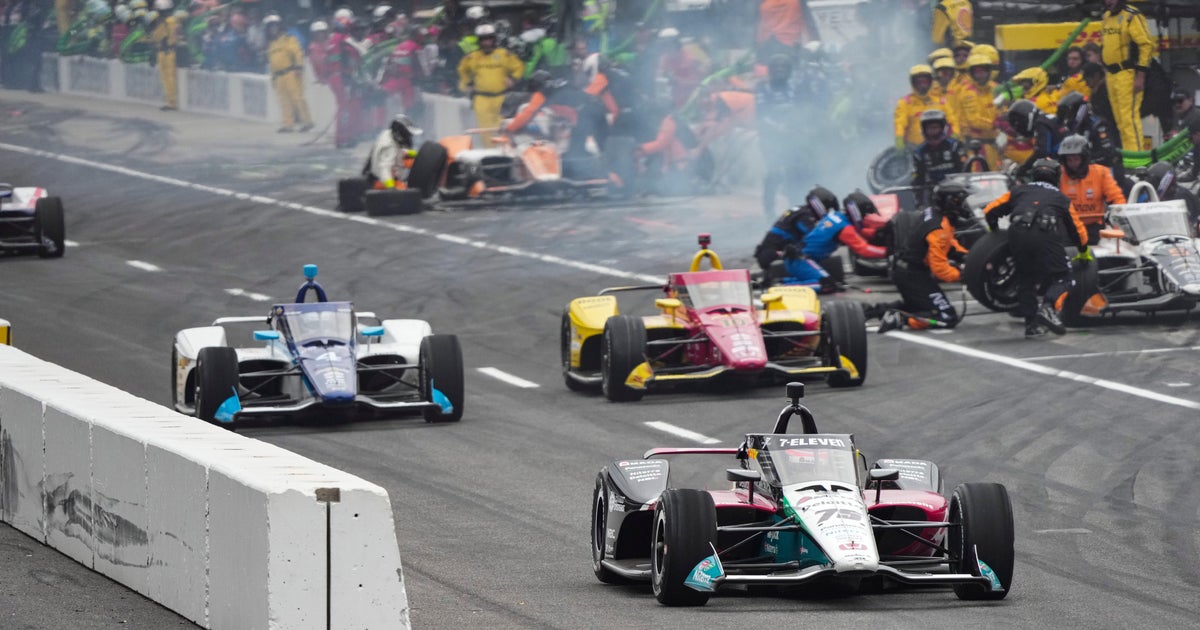
President Trump has signed an executive order directing federal agencies to organize the Freedom 250 Grand Prix, an IndyCar race to be held on the streets of Washington, D.C., as part of celebrations for America’s 250th birthday. Coverage across liberal- and conservative-aligned outlets agrees that the race is planned for late summer, with August 23 cited in multiple reports, and that the route will run on city streets near the National Mall and around prominent national monuments, though the precise course is still to be determined by federal and local officials. Both sides also report that the order tasks agencies with developing a suitable race route and logistics and that the event is conceived as a major public spectacle centered on the nation’s capital.
Across the spectrum, outlets describe this race as part of a broader commemorative effort tied to the nation’s semiquincentennial, meant to showcase Washington, D.C.’s landmarks and project an image of national pride. Liberal and conservative sources alike note that the event continues Trump’s pattern of using high-profile sports, including motorsports, as tools of political branding and public engagement, while emphasizing the symbolic value of staging such a race amid national monuments. There is consensus that the race is intended to be accessible to the general public, framed as a free or widely open civic celebration rather than an exclusive ticketed affair, and that its organization will involve coordination between federal agencies, the city, and racing authorities.
Areas of disagreement
Motives and symbolism. Liberal-aligned coverage tends to frame the executive order as a politically theatrical move that fuses Trump’s personal brand with patriotic spectacle, suggesting the IndyCar race is as much campaign-style pageantry as commemoration. Conservative outlets, by contrast, emphasize the race as a celebration of American engineering, competitive spirit, and heritage tied to the 250th anniversary, casting Trump’s role as that of a promoter of national pride rather than a self-interested showman. Both acknowledge the patriotic branding but diverge on whether it primarily serves the country or the president’s image.
Use of federal power and resources. Liberal sources raise questions about the appropriateness of using an executive order and federal agency time to stage a motorsports event, hinting at concerns over costs, security burdens, and prioritization of government resources. Conservative coverage largely treats the directive as a routine exercise of presidential authority to organize major national celebrations and downplays budgetary or logistical criticism, suggesting such events are normal for milestone anniversaries. This leads to contrasting portrayals of the same order as either an overreach into entertainment planning or a legitimate national-festivity initiative.
Impact on Washington, D.C. and public access. Liberal reporting is more likely to underscore potential disruptions for D.C. residents—road closures, security perimeters, and strain on local infrastructure—while wondering whether the promise of a free public event will translate into equitable access around heavily secured federal spaces. Conservative outlets, while acknowledging the downtown location, focus on the benefits of drawing visitors, boosting tourism, and showcasing the city, portraying any inconvenience as a reasonable trade-off for a one-time national celebration. This results in differing tones on whether the race is primarily a boon or a burden for the capital.
Trump’s relationship with sports. Liberal-aligned coverage situates the IndyCar announcement in a broader pattern of Trump leveraging sports for political optics, referencing past controversies and suggesting the race is another effort to align himself with popular culture and spectacle. Conservative sources depict the move as a continuation of a pro-sports, pro-entertainment posture that brings major events closer to ordinary Americans, presenting Trump as a promoter of fan-friendly experiences rather than a manipulator of sports for political gain. The same history of sports engagement is thus cast as either opportunistic branding or genuine enthusiasm for American pastimes.
In summary, liberal coverage tends to portray the IndyCar executive order as a politically theatrical use of federal power that may burden D.C. and primarily bolster Trump’s image, while conservative coverage tends to describe it as a patriotic, pro-sports celebration of America’s 250th birthday that appropriately uses presidential authority to deliver a major public event.
Story coverage

