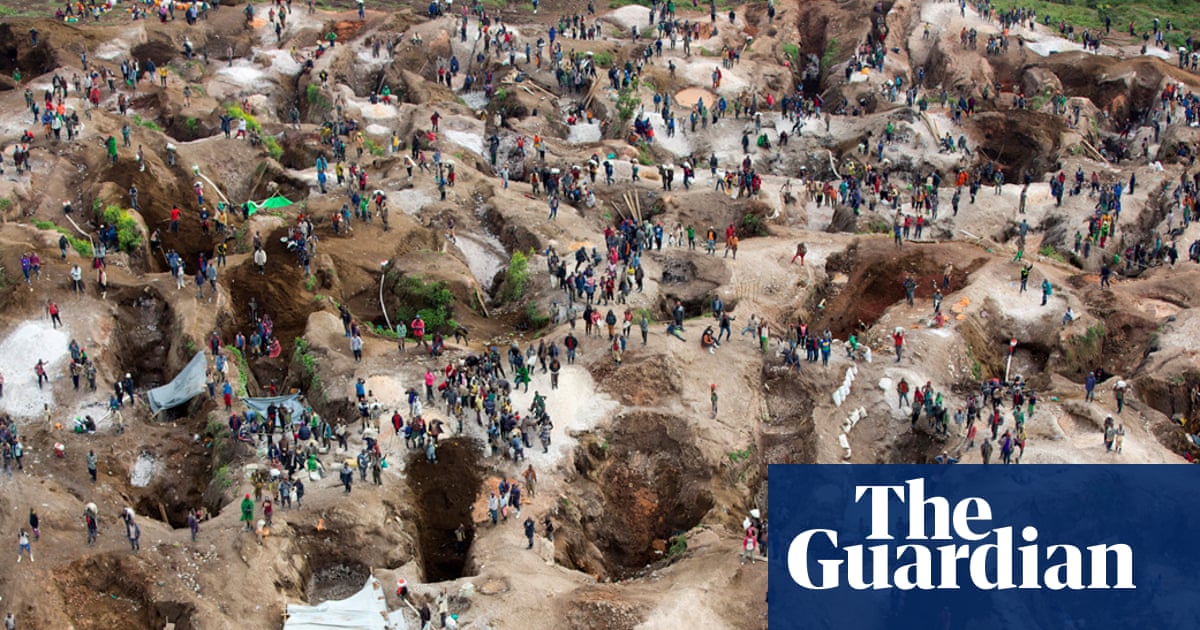

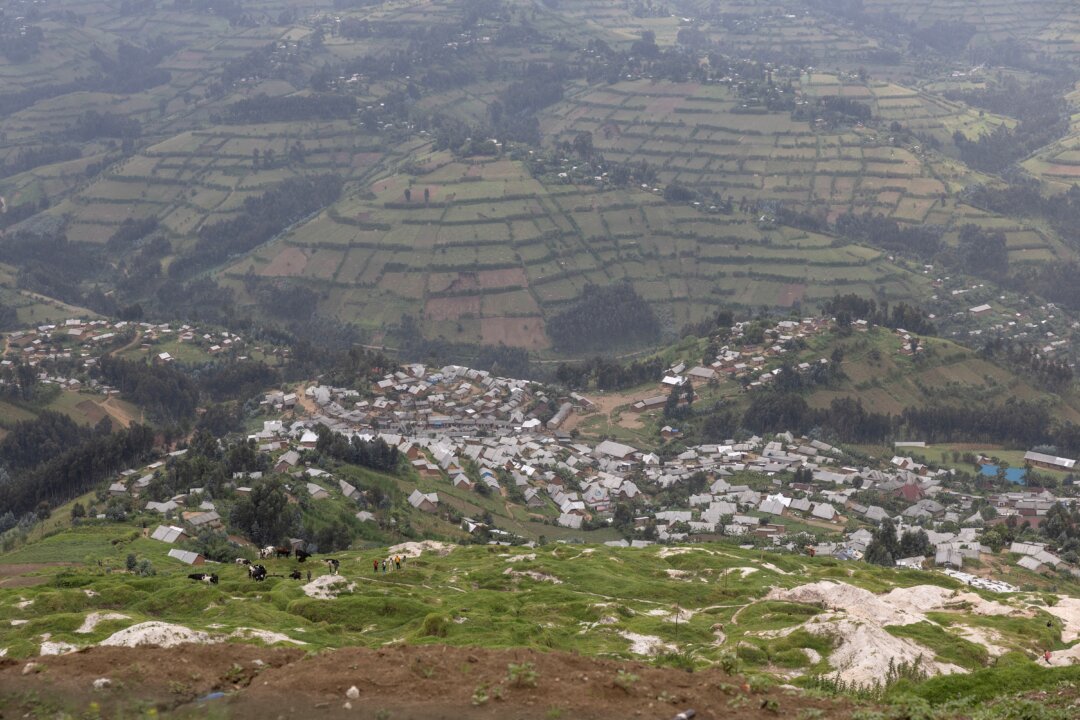
Over 200 people were killed in a collapse at the Rubaya coltan mine in eastern Democratic Republic of Congo, with officials and rebel authorities both cited as sources for the death toll. Liberal and conservative outlets agree that the disaster was triggered by a landslide following heavy rains earlier in the week, that multiple artisanal mine shafts were affected, and that many victims were local miners working manually with rudimentary tools. Both sides identify Rubaya as a major global source of coltan, a mineral critical for electronics and aerospace components, and report that the site has been under the control of the M23/AFC rebel group since 2024, with authorities confirming the scale of the tragedy by Saturday.
Coverage from both liberal and conservative sources situates the collapse within a wider pattern of unsafe artisanal mining in eastern Congo, where informal, poorly regulated operations coexist with armed-group control over mineral-rich territory. They agree that local and de facto rebel authorities have temporarily halted artisanal mining at the affected sites and that there are plans, at least in principle, to relocate residents living close to unstable hillsides around Rubaya. Both perspectives reference the broader institutional backdrop of a weak central state, longstanding conflict dynamics involving M23 and other militias, and intense global demand for coltan that incentivizes high-risk extraction. There is also shared emphasis on the recurring nature of such disasters in the region and the need for improved oversight, safety measures, and governance reforms to prevent similar mass-casualty events.
Areas of disagreement
Responsibility and blame. Liberal-aligned outlets tend to foreground the role of rebel control, state weakness, and systemic neglect, emphasizing how the combination of armed-group domination of Rubaya and lack of effective Congolese regulation created conditions for the catastrophe. Conservative coverage more often presents rebel control as a factual backdrop rather than a central causal factor, focusing instead on the inherent dangers of artisanal mining and natural hazards like heavy rains. While liberals more explicitly connect blame to overlapping failures of governance and conflict dynamics, conservatives tend to frame the collapse as a tragic but somewhat predictable outcome of risky mining in unstable terrain.
Global supply chain and Western demand. Liberal sources are more likely to highlight the link between Western and global tech demand for coltan and the dangerous, informal mining conditions in eastern Congo, portraying the disaster as a consequence of an extractive international economic order. Conservative outlets, while acknowledging coltan’s importance for electronics and aerospace, generally treat that as contextual information rather than a driver of culpability, focusing less on consumer or corporate responsibility. Thus liberals more readily implicate multinational companies and foreign markets in the structural pressures on Congolese miners, whereas conservatives emphasize local realities and immediate physical causes over broader critiques of global capitalism.
Policy solutions and reforms. Liberal coverage tends to stress the need for stronger international regulation of conflict minerals, corporate due diligence, and human-rights-based reforms in supply chains, often calling for greater external pressure on both the Congolese state and companies sourcing coltan. Conservative reporting more commonly highlights the need for on-the-ground security, better local governance, and technical safety improvements, framing solutions in terms of state capacity and infrastructure rather than transnational regulatory regimes. Where liberals may argue for binding international standards and accountability mechanisms, conservatives lean toward national sovereignty, improved enforcement in Congo, and incremental safety measures at mine sites.
Portrayal of rebel authorities. Liberal-leaning outlets typically stress the illegitimacy of M23/AFC control and present rebel confirmations of casualty figures with skepticism, using their role to illustrate the broader problem of warlordism over key resources. Conservative sources, while noting that rebels control the mine, tend to quote rebel officials more neutrally as information providers, spending less space on the normative implications of their rule. As a result, liberal coverage more clearly frames the disaster as intertwined with militia domination and conflict economics, whereas conservative coverage treats rebel authority as a practical reality in a lawless region rather than a primary analytical lens.
In summary, liberal coverage tends to embed the mine collapse in a systemic critique of conflict minerals, global demand, and governance failures that collectively endanger Congolese miners, while conservative coverage tends to underscore the immediate physical and security conditions on the ground, treating the tragedy more as a localized disaster shaped by dangerous artisanal practices and unstable terrain.
Story coverage