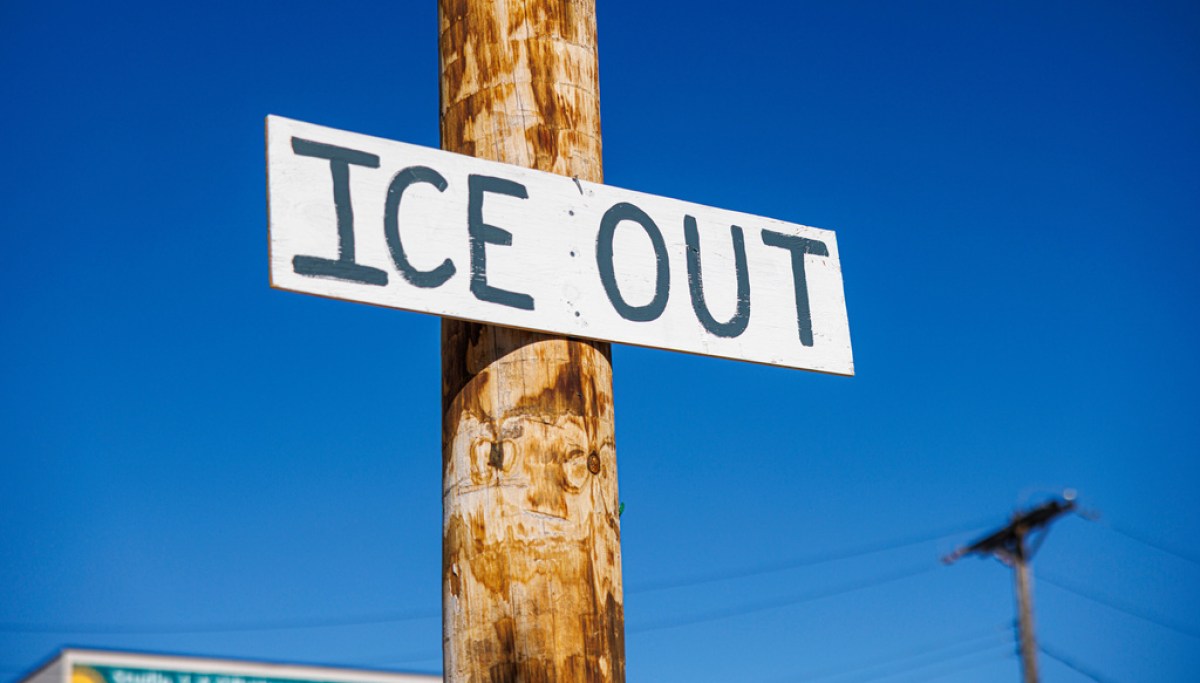
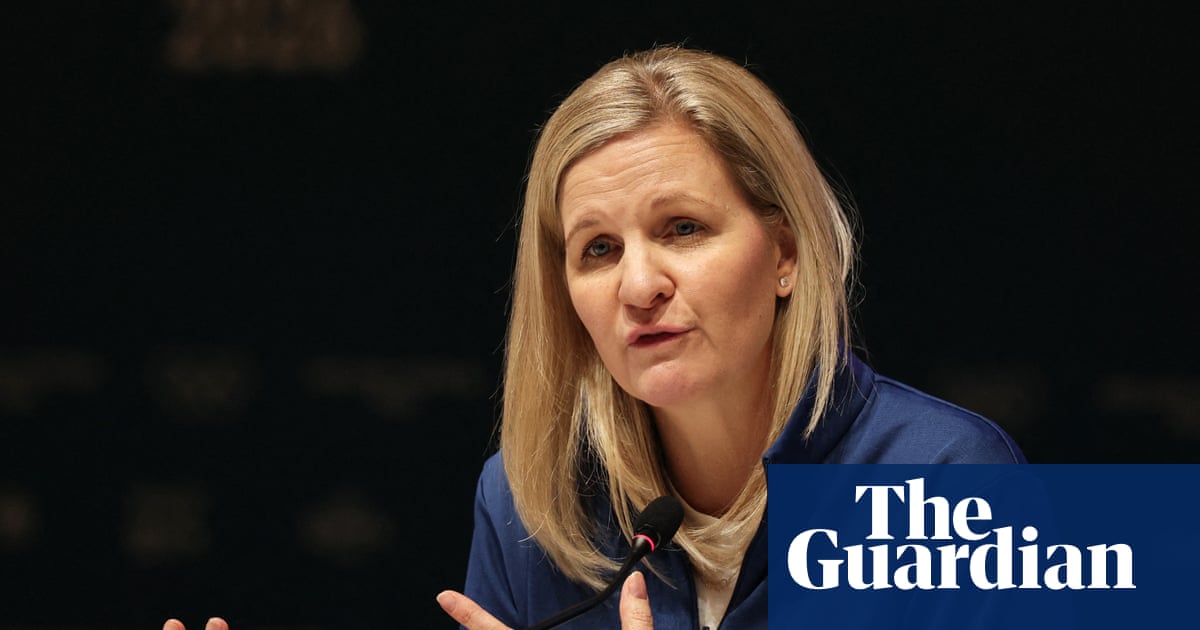
Hundreds of demonstrators gathered in Milan to protest the planned deployment of U.S. Immigration and Customs Enforcement agents for security cooperation at the upcoming Milan-Cortina Winter Olympics. Both liberal and conservative reports agree that the ICE personnel would work from a control room rather than patrolling streets, that Italian organizers and U.S. officials framed the deployment as technical support for the Games, and that protest organizers and local officials, including the mayor of Milan, publicly opposed the move. Coverage across the spectrum notes that International Olympic Committee president Kirsty Coventry described the ICE controversy and the separate issue of Olympic-linked figures appearing in Jeffrey Epstein-related documents as “distracting and sad,” while expressing confidence that the Games’ preparation and the completion of venues like the Milano Santagiulia Ice Hockey Arena remain on track.
Reporting from both sides highlights a shared context of heightened scrutiny over U.S. security agencies’ reputations and the political symbolism attached to the Olympics. Outlets agree that Italian authorities sought external expertise for security coordination, that ICE has a controversial domestic image due to its role in immigration enforcement, and that this reputation is driving much of the backlash regardless of the agents’ restricted operational role. Both liberal and conservative coverage situates the protests within broader anxieties about democratic backsliding, the politicization of mega-events like the Olympics, and the IOC’s challenge in keeping the focus on sport amid parallel scandals such as the Epstein document disclosures and concerns about U.S. influence ahead of the Los Angeles Games.
Areas of disagreement
Framing of the protests. Liberal-aligned outlets frame the Milan demonstrations as a principled stand by civil society against the symbolic presence of ICE and what protesters call “creeping fascism” in the United States, emphasizing their political and human-rights motivations. Conservative sources, while acknowledging the same slogans, tend to portray the protesters as ideologically left-leaning activists who are ignoring practical security needs. Liberal coverage gives weight to protesters’ fears and presents their concerns as a legitimate response to ICE’s record, whereas conservative pieces more often depict the protests as overwrought or disconnected from the limited role the agents will actually play.
Characterization of ICE’s role. Liberal coverage underscores the controversial nature of ICE by repeatedly referencing its immigration crackdowns and clarifying that the deployed team is not from the same unit, implying reputational baggage that travels with the agency regardless of function. Conservative outlets stress that the agents will be confined to a control room and will not operate on the streets, framing their role as standard international cooperation in major-event security. From the liberal perspective, the mere branding and institutional history of ICE make its Olympic presence politically charged, while conservative stories stress operational details to argue that critics are reacting more to symbolism than substance.
Interpretation of democratic risk and ‘creeping fascism.’ Liberal sources more readily echo protesters’ language about creeping fascism in the U.S., linking it to broader worries about authoritarian tendencies, aggressive immigration enforcement, and the export of such practices via security collaborations. Conservative coverage notes that protesters use this rhetoric but tends to treat it as hyperbolic or partisan, often presenting it as a talking point of left-wing groups rather than an evidence-based assessment. As a result, liberal reporting situates the Milan protest within a larger narrative of resistance to perceived authoritarian drift, while conservative reporting situates it within culture-war politics and leftist mistrust of U.S. institutions.
Assessment of Olympic leadership and U.S. influence. Liberal outlets highlight Kirsty Coventry’s comments as a warning that both ICE’s involvement and Epstein-related revelations threaten to overshadow the Games, presenting the IOC as trying to manage reputational fallout tied partly to U.S. actors. Conservative coverage is more inclined to stress how U.S. issues and controversies are dominating the Olympic narrative two years before the event, implicitly critiquing the way American politics and scandals shape global sports discourse. In liberal narratives the IOC appears beleaguered by ethical and human-rights concerns involving U.S. power structures, whereas in conservative narratives it appears beset by politicization and media fixation that distract from the sporting event itself.
In summary, liberal coverage tends to center the protests as a justified reaction to ICE’s symbolic and historical baggage and to foreground fears of authoritarian drift and human-rights erosion, while conservative coverage tends to treat the demonstrations as ideologically driven overreactions that ignore the agents’ limited technical role and highlight how U.S. political controversies are being projected onto the Olympics.
Story coverage