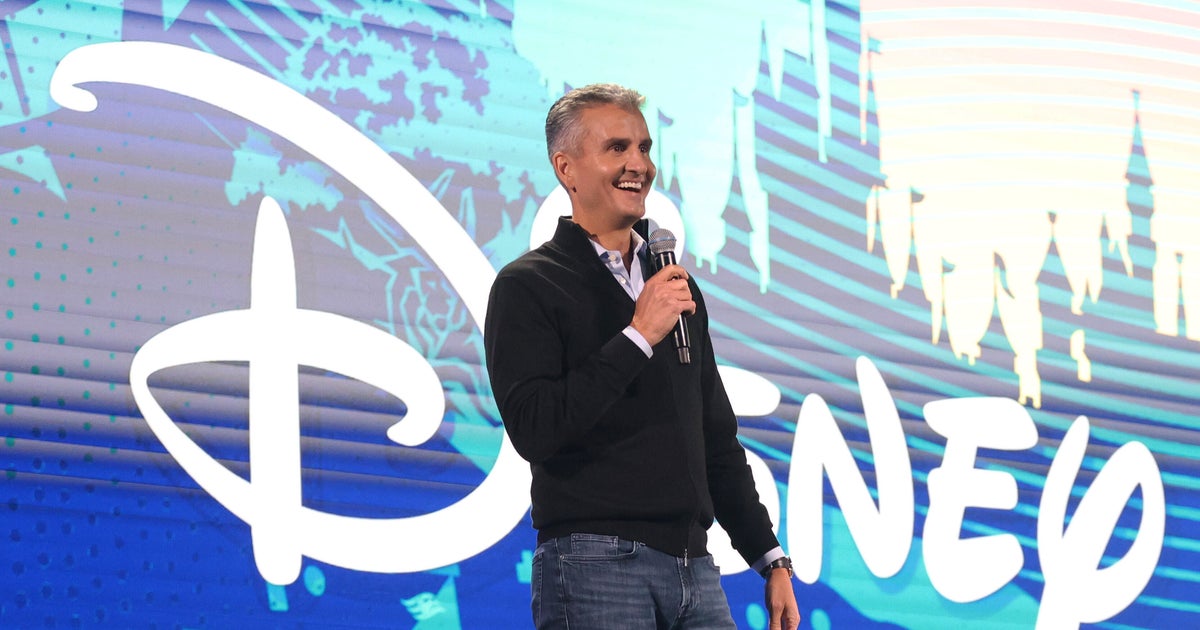
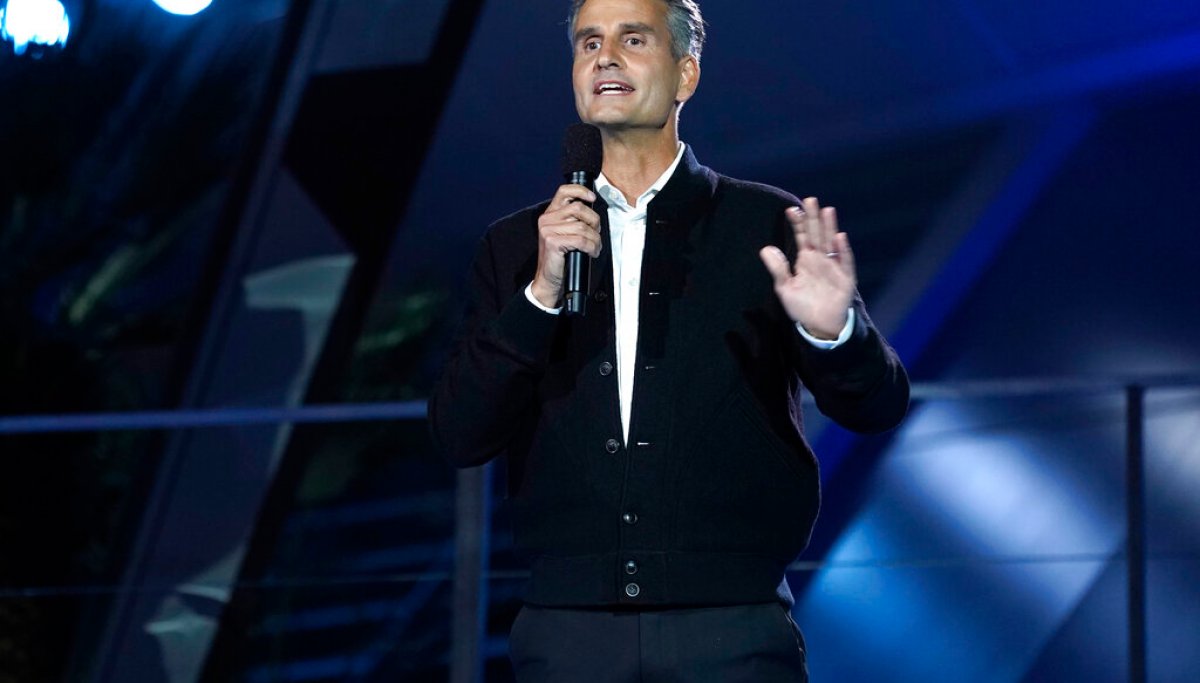
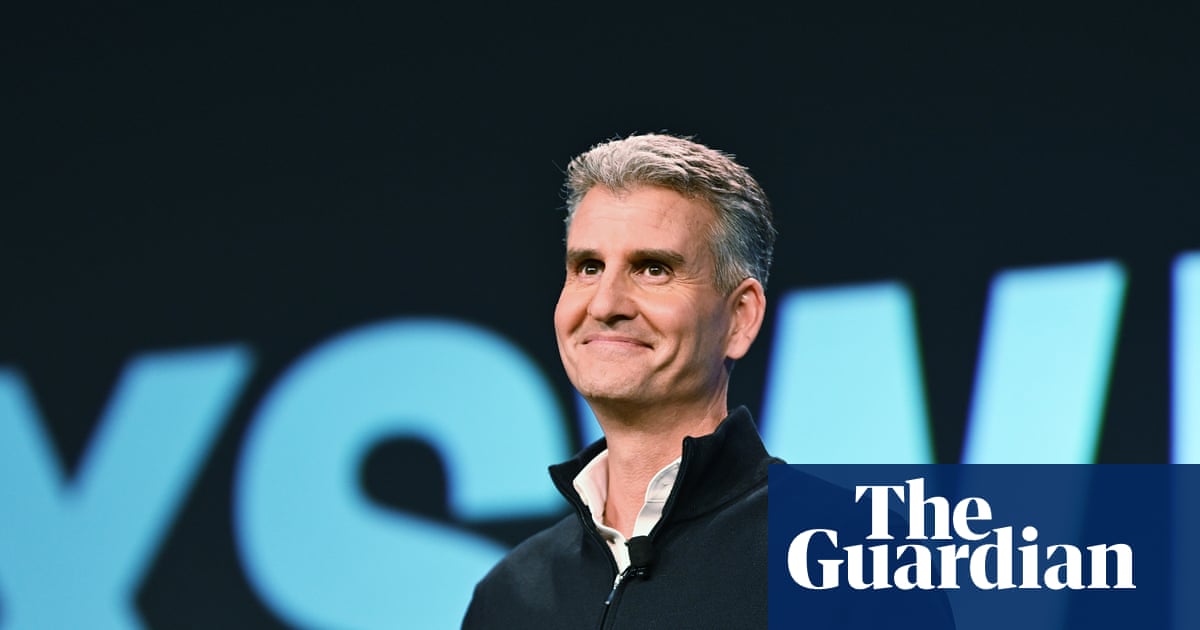
Josh D’Amaro, currently chairman of Disney Experiences and long-time parks executive, has been named the next CEO of The Walt Disney Company, succeeding Bob Iger in a transition centered on March 18 (with some reports specifying March 18, 2026). Both liberal and conservative outlets agree that D’Amaro has nearly three decades of experience at Disney, largely in the theme parks and resorts business, and that he has overseen the parks, cruises, and experiences division that has recently delivered strong revenue and profit growth and accounted for a majority of company profit. Coverage across the spectrum notes that Bob Iger will move into a senior advisory role, that Dana Walden is being elevated to president and chief creative officer, and that the board cast this decision as the culmination of a deliberate, extended succession search following the company’s earlier, troubled handoff to Bob Chapek.
Liberal and conservative sources alike frame this as a pivotal leadership shift for one of the world’s largest entertainment conglomerates, coming after Iger’s return in 2022 to stabilize Disney through cost-cutting, restructuring, and efforts to get its streaming business on a path to profitability. They share context that D’Amaro inherits a mixed landscape: robust parks and experiences performance contrasted with challenges in streaming, linear television, and international park attendance, as well as investor expectations shaped by Disney’s recent restructuring and previous succession missteps. Both sides highlight that Wall Street’s reaction was cautious—initial optimism followed by a stock pullback—suggesting that markets view the appointment as necessary but not sufficient to solve Disney’s broader strategic and operational issues, and that the new CEO will be judged on execution in content, direct-to-consumer strategy, and global park expansion.
Areas of disagreement
Significance of the transition. Liberal-aligned coverage generally portrays D’Amaro’s appointment as a carefully planned, stabilizing move that corrects the rushed Chapek succession and reflects institutional learning by Disney’s board. Conservative outlets, while acknowledging the importance of the change, tend to treat it more as a routine corporate handoff, emphasizing the symbolic passing of the torch without dwelling on governance reform. Liberal stories more often frame this as a test case in corporate succession best practices, whereas conservative pieces focus on the headline leadership change and Disney's brand continuity.
Business challenges and priorities. Liberal sources emphasize the structural challenges D’Amaro must tackle—especially streaming economics, linear TV decline, and international park softness—often tying the appointment to broader strategic shifts like cost discipline and direct-to-consumer pivots. Conservative coverage is more likely to foreground the strength and profitability of the parks division, stressing that the board chose a leader from the company’s most successful unit and highlighting his track record of operational execution. Where liberal outlets balance optimism with concern over investor skepticism and long-term strategy, conservative outlets lean into the narrative of rewarding a proven profit driver who can maintain Disney’s core cash engines.
Investor and market framing. Liberal reporting tends to dwell on market reaction, noting that initial share-price gains faded and using this to argue that leadership change alone cannot overcome Disney’s fundamental headwinds. Conservative coverage, by contrast, tends to present the investor angle more succinctly, underscoring that markets value D’Amaro’s parks experience and brand stewardship without unpacking deeper worries about streaming losses or legacy media. As a result, liberal pieces read as more analytical and conditional about the appointment’s impact, while conservative articles come across as more straightforwardly affirmative of the board’s choice.
Cultural and creative direction. Liberal outlets focus more on the organizational logic of pairing D’Amaro with Dana Walden as president and chief creative officer, casting it as a complementary leadership structure meant to balance operational and creative decision-making. Conservative coverage, when mentioning Walden, is more likely to treat her promotion as a secondary detail and to avoid extended discussion of how the new leadership might affect Disney’s cultural or content debates. While liberal reporting largely keeps culture-war issues in the background and emphasizes corporate structure, conservative outlets implicitly reassure readers that Disney’s iconic brand and experiences business will remain central under D’Amaro’s stewardship.
In summary, liberal coverage tends to frame D’Amaro’s elevation as a governance- and strategy-heavy story about fixing past succession errors and grappling with deep structural media challenges, while conservative coverage tends to emphasize a successful parks chief taking the helm to preserve profitability and brand continuity with less focus on institutional self-critique or long-term strategic anxiety.