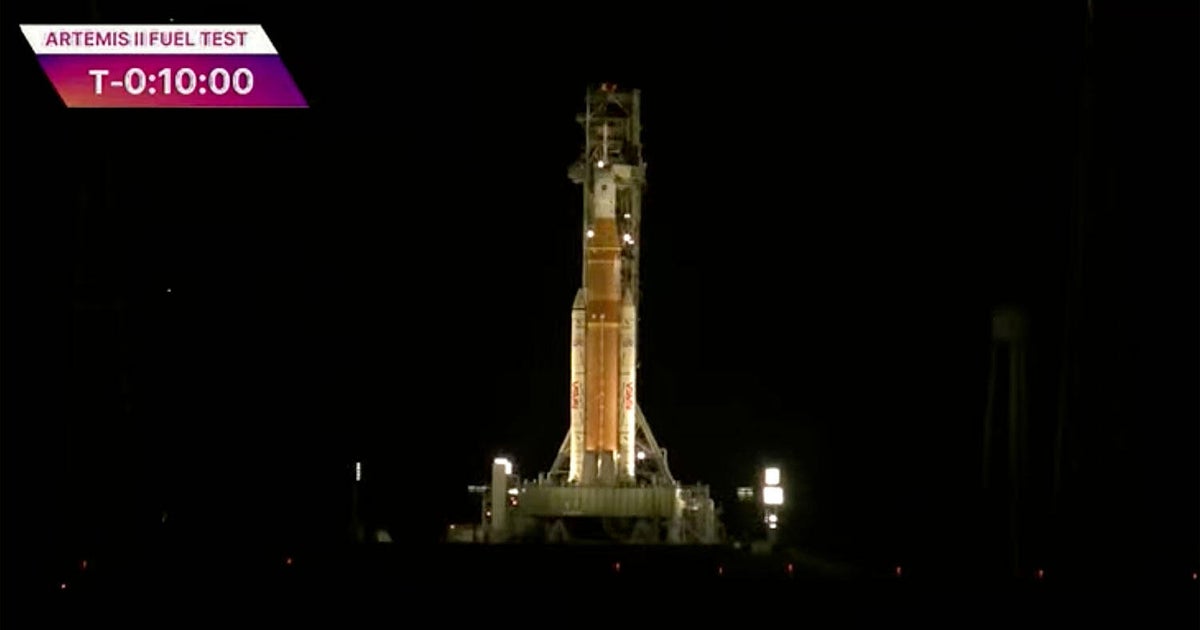


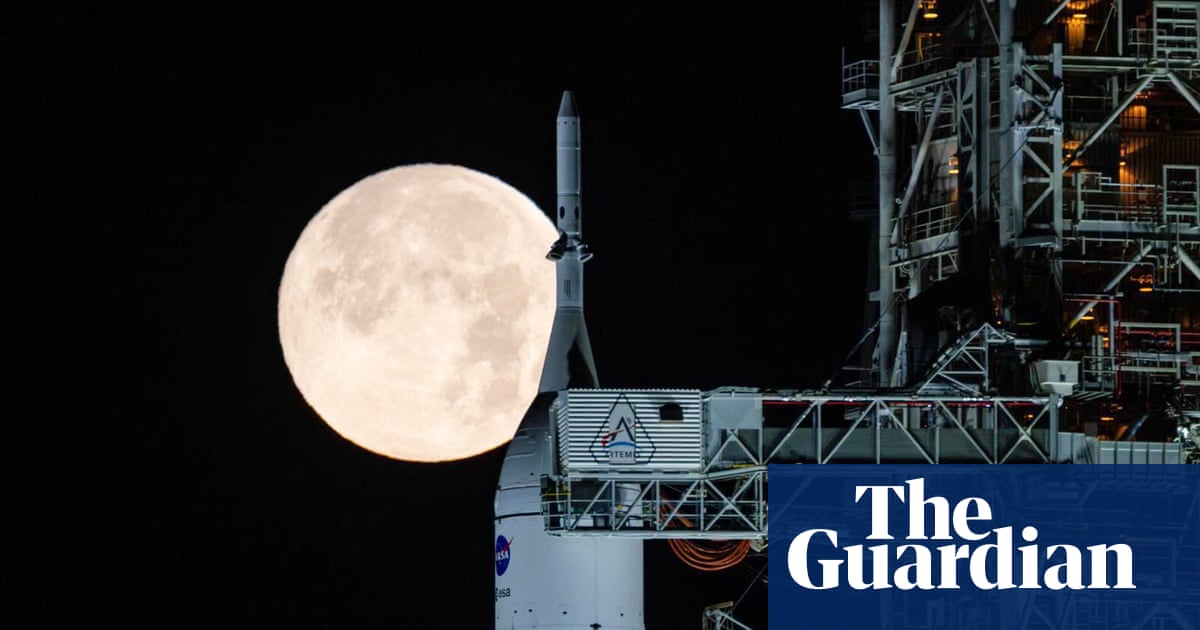
NASA has delayed the Artemis II crewed mission around the moon from its original February target to no earlier than March after a fueling test for the Space Launch System rocket revealed persistent hydrogen leaks at an umbilical plate and related hardware, along with a valve issue during the countdown rehearsal. Both liberal- and conservative-leaning outlets agree that the problems surfaced during a critical “wet dress rehearsal,” that engineers halted the test early to protect the vehicle and ground systems, and that the four-astronaut mission—intended as the first crewed flight in NASA’s Artemis program—is now on hold pending troubleshooting and repairs. Coverage on both sides notes that Artemis II will send astronauts on a lunar flyby rather than a landing, that it is a key step toward later missions aimed at returning humans to the lunar surface, and that the revised earliest launch window in March is contingent on resolving the technical issues and repeating tests as needed.
Liberal and conservative reports share a common framing that hydrogen is notoriously difficult to handle in rocketry, that leaks of this sort are not unprecedented in large cryogenic launch vehicles, and that NASA is proceeding cautiously to ensure crew safety and mission reliability. Outlets across the spectrum emphasize Artemis II’s role within the broader Artemis architecture, describing NASA’s plan to build a sustained lunar presence as part of a longer-term strategy for deep-space exploration and eventual Mars missions. They also concur that delays in high-complexity human spaceflight are common and often preferable to launching with unresolved risks, and that the current postponement fits a historical pattern of schedule slips driven by engineering realities rather than a single catastrophic failure.
Areas of disagreement
Responsibility and blame. Liberal-aligned outlets tend to frame the delay primarily as a technical and engineering challenge inherent to managing liquid hydrogen in a complex new rocket system, downplaying questions of institutional failure or partisan oversight. Conservative-leaning coverage is more inclined to hint that the problems may reflect broader management or programmatic shortcomings at NASA, sometimes suggesting that bureaucratic culture and long timelines have made the agency less agile. While liberal sources largely accept the delay as a prudent safety measure, conservative sources more often present it as another example of a large government program struggling to meet its own schedules.
Program narrative and tone. Liberal sources generally stress the historic and inspirational aspects of Artemis II, highlighting the diverse crew and the mission’s role in rekindling human exploration beyond low Earth orbit, using the delay as a backdrop for a hopeful long-term narrative. Conservative outlets more often adopt a skeptical or restrained tone, focusing on repeated delays and technical snags as evidence that the program remains fragile despite major investments, with less emphasis on symbolic milestones. Thus, where liberal coverage reads as forward-looking and mission-affirming even in setback, conservative coverage more readily portrays the delay as a cautionary note about overpromising and underdelivering.
Policy and funding implications. Liberal reporting, where it touches on policy, tends to frame Artemis as a bipartisan, strategic investment that understandably encounters hurdles, implicitly supporting continued robust funding and patience with schedule slips. Conservative coverage is more apt to question whether the scale of spending and program design are delivering proportional results, raising concerns about cost overruns and whether NASA’s current structure is the best vehicle for rapid innovation. As a result, liberal outlets lean toward normalizing the delay as part of necessary due diligence, while conservative outlets more often treat it as a data point in a larger debate over government-led space initiatives.
In summary, liberal coverage tends to normalize the delay as an expected technical setback in a complex, inspiring program that still merits patience and strong support, while conservative coverage tends to treat the slip as emblematic of a slower, less efficient government-run effort and uses it to question management, spending, and expectations around Artemis.
Story coverage