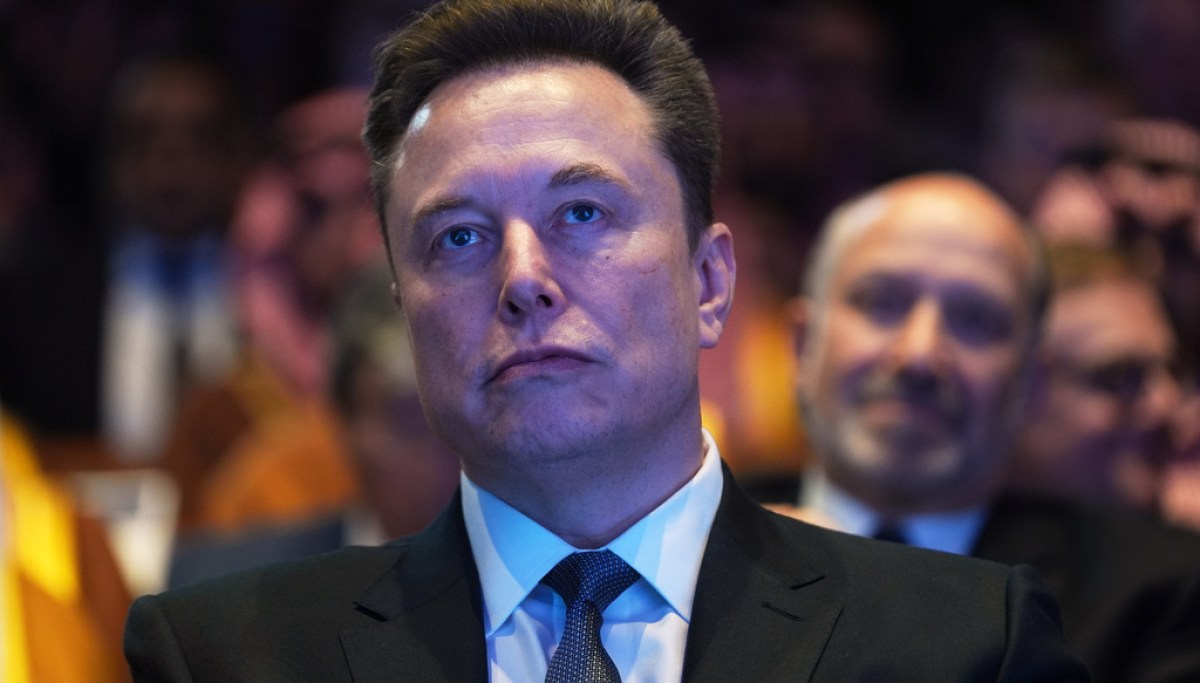
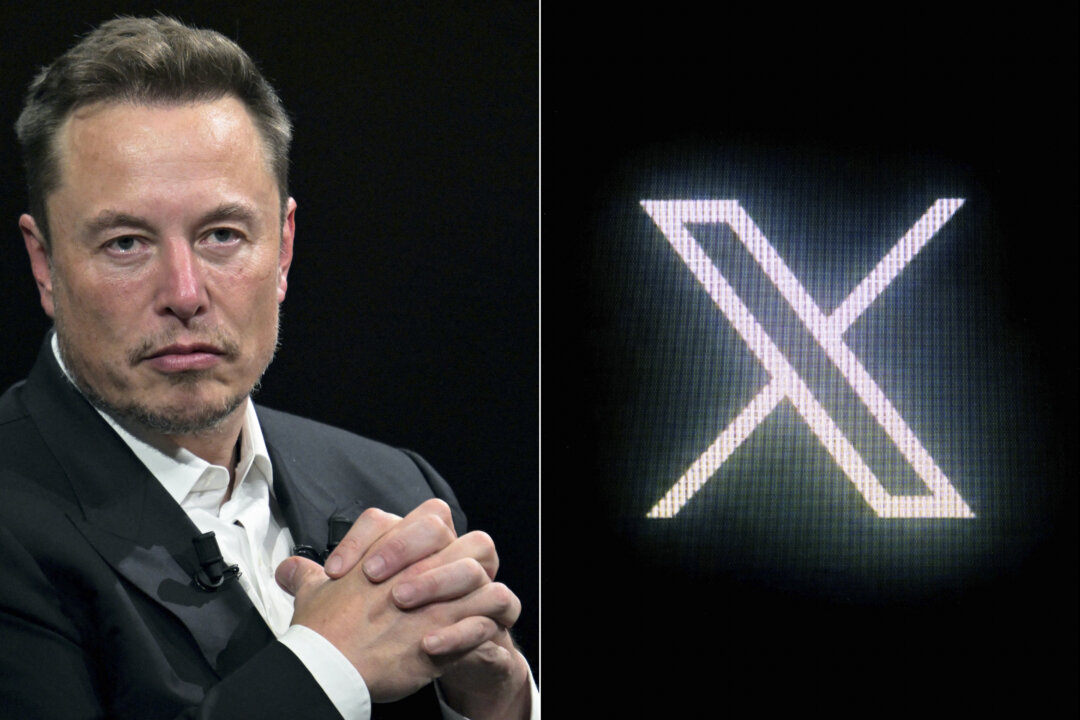
French cybercrime police, working with the Paris prosecutor's cybercrime unit and supported by Europol, have raided the Paris headquarters of X, the social media platform owned by Elon Musk, as part of a preliminary investigation opened in January 2025. Both liberal- and conservative-leaning outlets agree that the probe began around alleged algorithm abuse and fraudulent data extraction and has since widened to examine X’s AI chatbot Grok and the platform’s possible complicity in spreading child sexual abuse material, deepfakes, and other unlawful content, including Holocaust denial. They concur that Elon Musk and former X CEO Linda Yaccarino have been formally summoned for questioning in April, that X denies wrongdoing, and that the raid is tied to a broader regulatory environment in which X is already under investigation by EU authorities.
Across the coverage, outlets on both sides note that French prosecutors are treating this as a cybercrime case centered on how X’s systems and Grok handle user data and generate or amplify harmful material. There is agreement that the investigation intersects with wider European scrutiny of X under the Digital Services Act, and that UK privacy authorities are separately examining Grok’s processing of personal data and its potential to generate harmful content. Both liberal and conservative reporting situates the raid within ongoing global concerns about AI governance, platform responsibility for illegal content, and the legal boundaries of content moderation and recommendation algorithms, highlighting that the legal process is still in an early, fact-finding phase.
Areas of disagreement
Framing of the investigation. Liberal-aligned outlets tend to frame the raid as a serious, long-running cybercrime and AI-governance probe into suspected algorithm abuse, data exploitation, and systemic failures to prevent child abuse material and image-rights violations. Conservative outlets more often describe it as part of a preliminary inquiry into alleged offenses tied to Grok and content moderation, emphasizing that the investigation is ongoing and allegations are not yet proven. While liberals highlight the breadth and gravity of the suspected misconduct, conservatives emphasize legal uncertainty and the exploratory nature of the case.
Political motivation and free speech. Liberal coverage notes X’s characterization of the raid as “law enforcement theater” and political pressure but treats that as a defensive spin, stressing the independence of French prosecutors and the importance of enforcing laws on child abuse content and deepfakes. Conservative coverage gives more weight to X’s claims that the investigation is an attack on free speech and possibly politically motivated, framing it within a broader narrative of European regulators targeting Musk and his platform. Liberals generally present enforcement as overdue regulation of a powerful tech firm, while conservatives more readily question whether the state is overreaching into platform governance and speech.
Emphasis on harms versus regulatory overreach. Liberal outlets foreground the risks posed by Grok and X’s algorithms, repeatedly citing child sexual abuse images, deepfakes, image-rights violations, and Holocaust denial as evidence of concrete harms that justify aggressive enforcement. Conservative outlets acknowledge these alleged harms but place more emphasis on the regulatory context, such as the Digital Services Act, and the possibility that stringent European rules could stifle innovation and speech. The liberal narrative centers victims and potential societal damage, whereas the conservative narrative more frequently underscores fears of heavy-handed or ideologically driven regulation.
Scope of international scrutiny. Liberal reporting stresses that the French raid is part of a broader wave of international scrutiny, highlighting parallel probes by the EU and the UK’s privacy watchdog into Grok and X’s handling of personal data and illegal content. Conservative outlets mention the EU investigation and broader European context but focus more narrowly on the French case and its implications for Musk and X as a test case for future platform regulation. Liberals therefore paint a picture of a coordinated, multi-jurisdictional push to rein in X, while conservatives tend to portray a sequence of separate, sometimes politically charged challenges facing the platform.
In summary, liberal coverage tends to present the raid as a justified, multi-pronged legal and regulatory response to serious, systemic abuses tied to X’s algorithms and Grok, while conservative coverage tends to question the proportionality and motives of the authorities, framing the case as an evolving inquiry that may reflect broader political and free-speech battles around Musk’s platform.