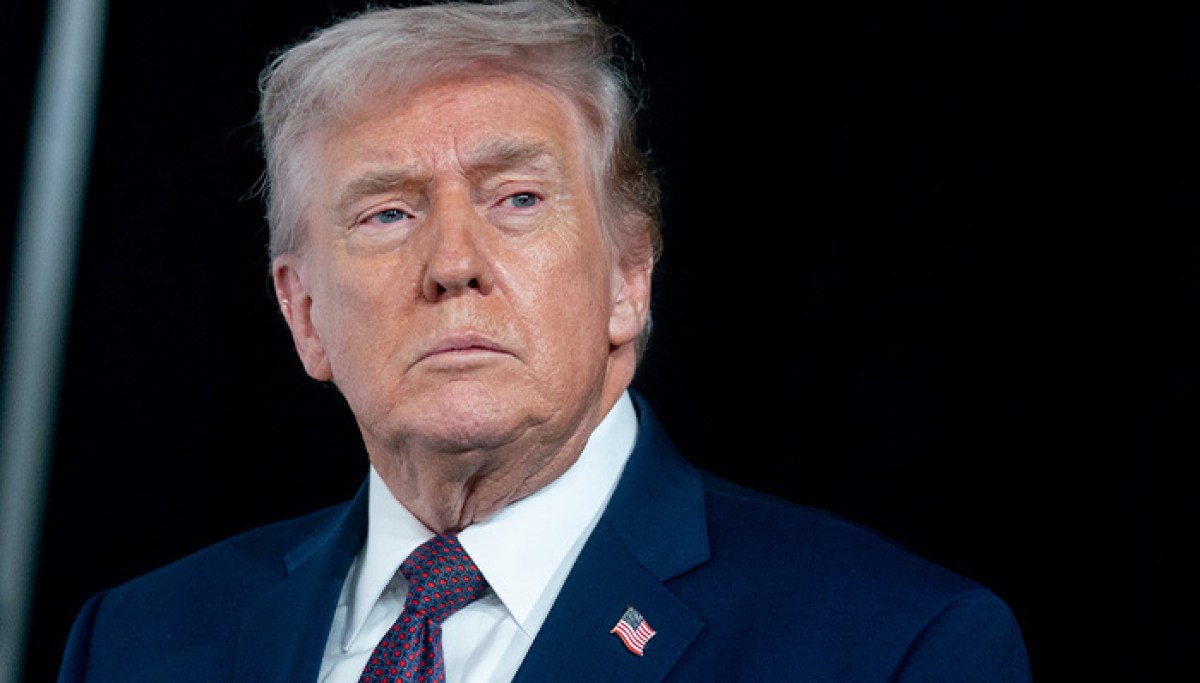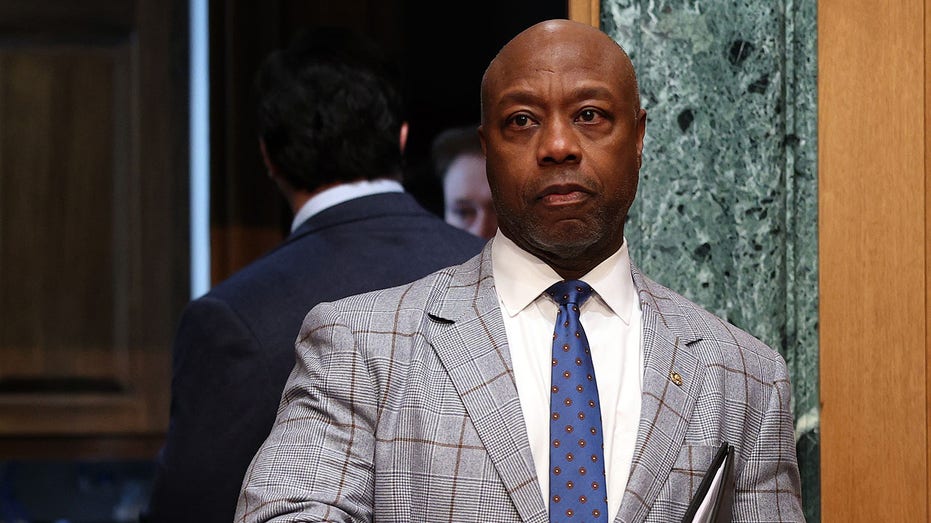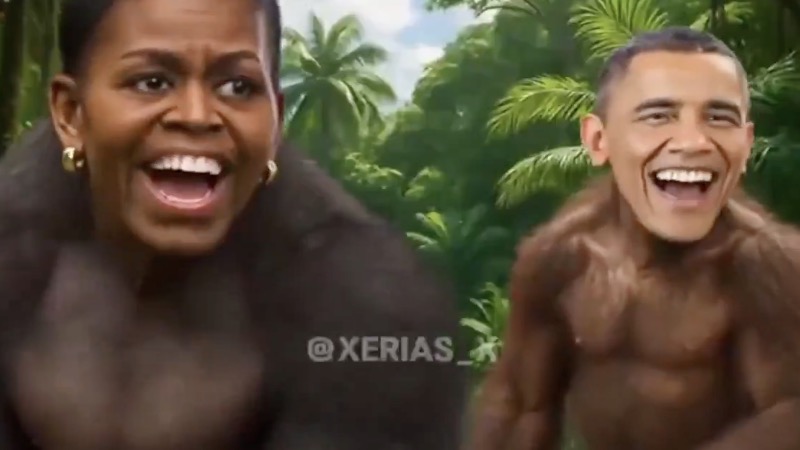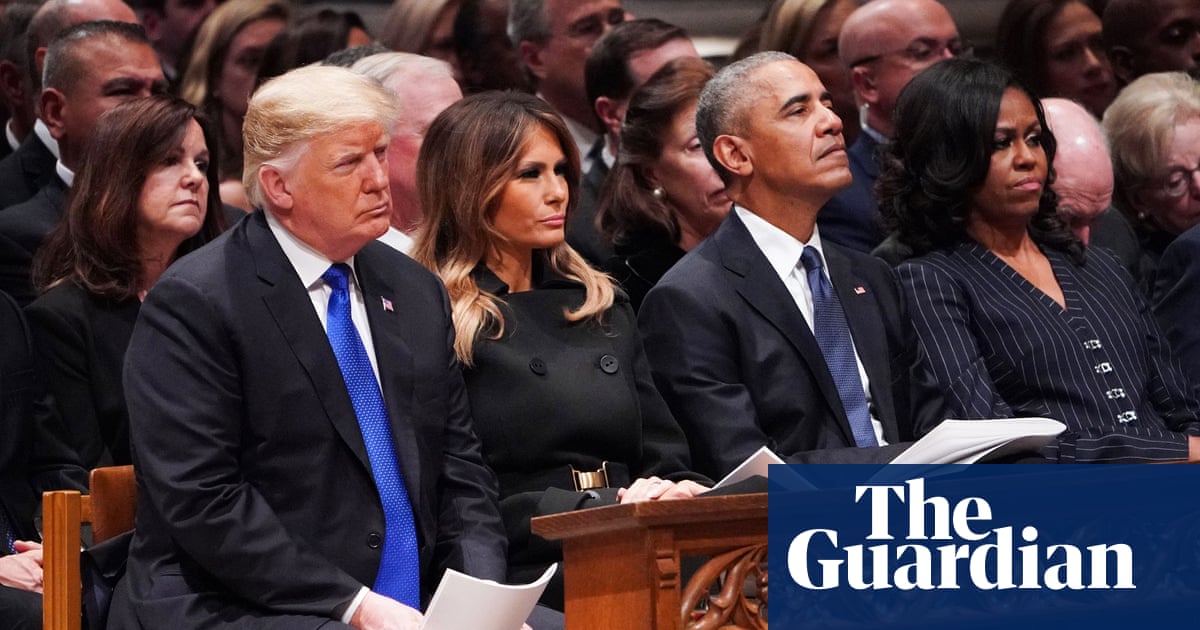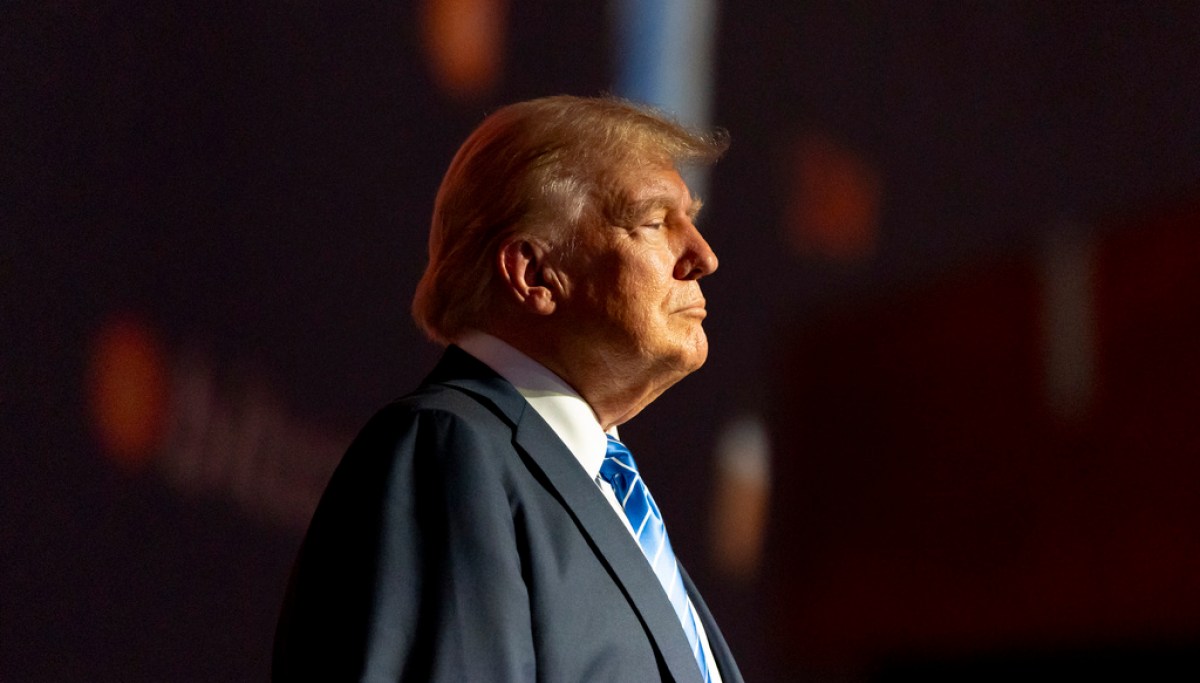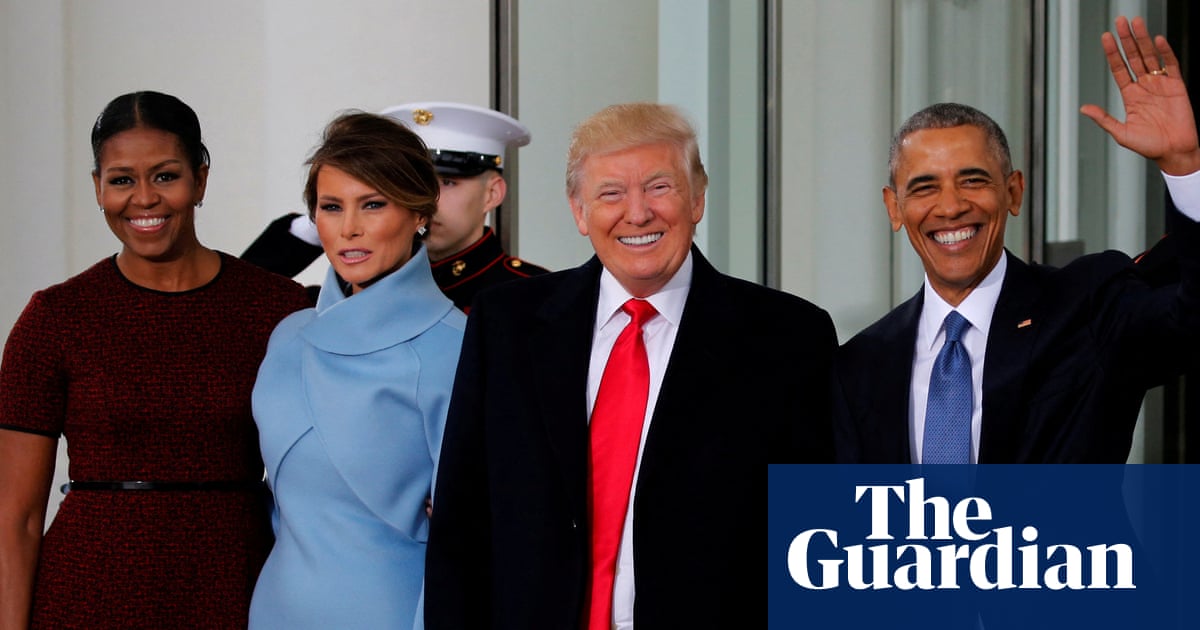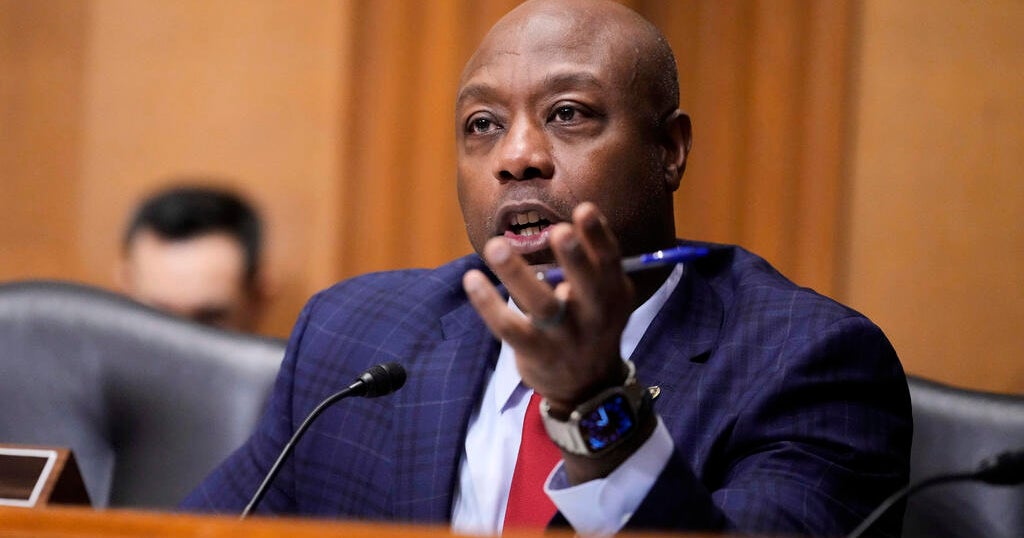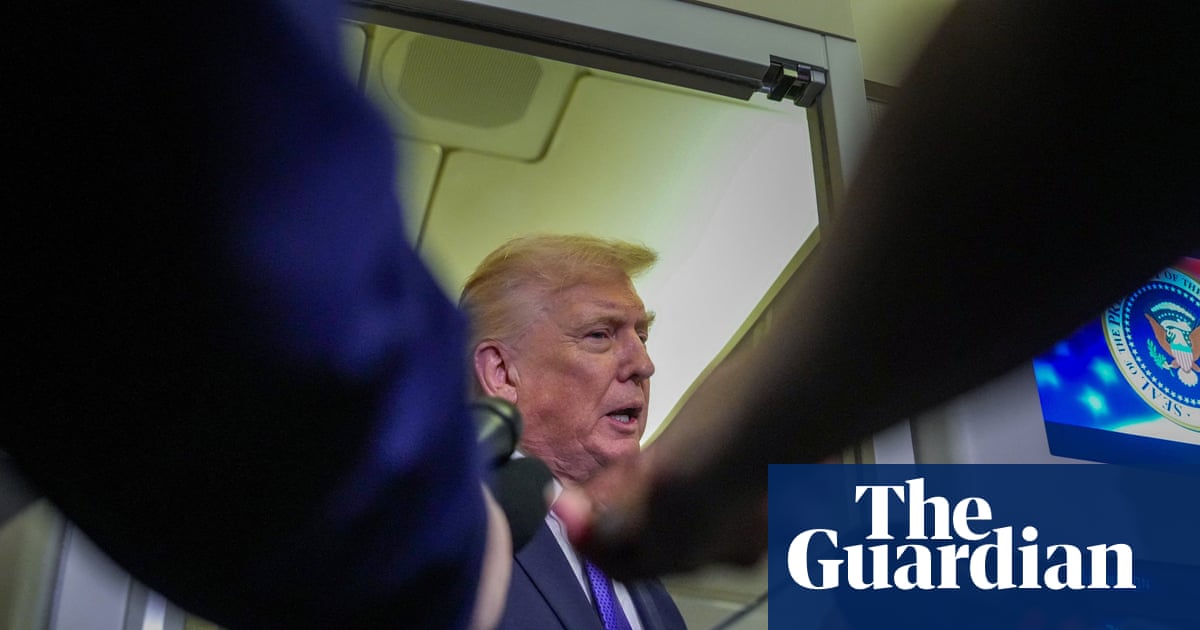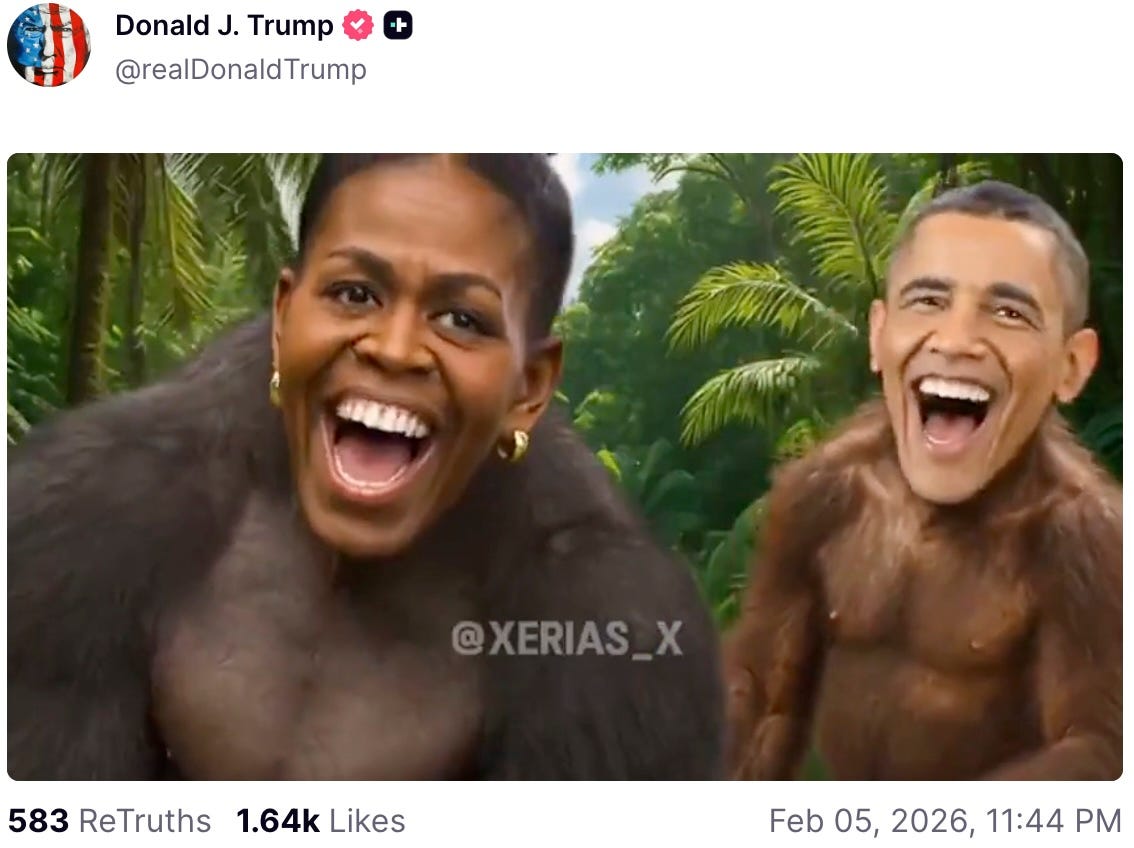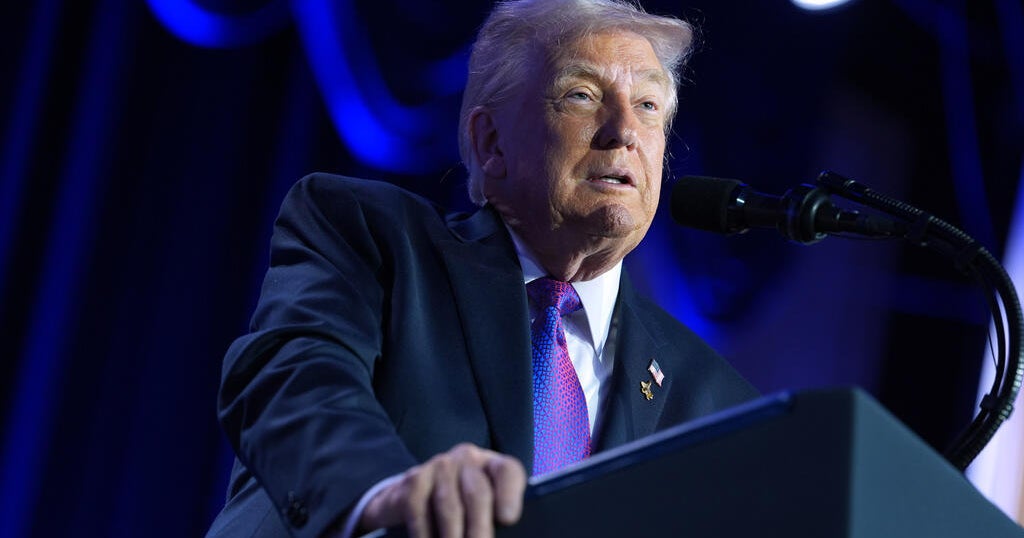







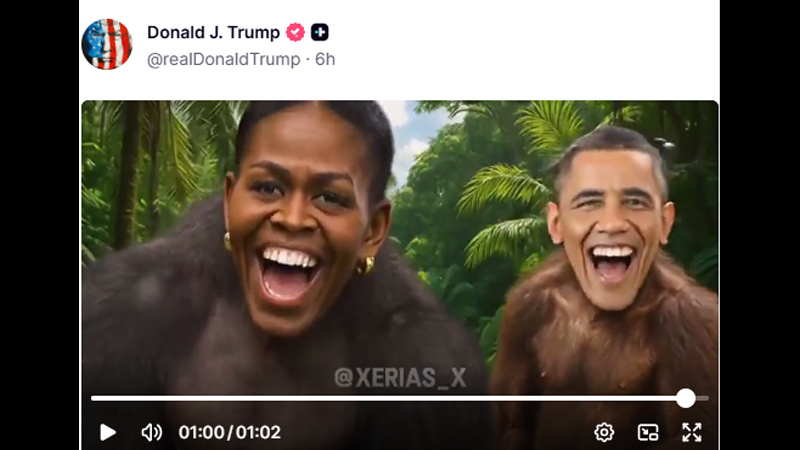
Donald Trump’s Truth Social account shared a video that combined 2020 election-fraud claims with an animated clip depicting Barack and Michelle Obama as apes/monkeys, a trope widely recognized as racist and dehumanizing. The post went up late one evening and stayed online for roughly 12 hours before being deleted following heavy criticism from Democrats and notable rebukes from some Republicans, including Senator Tim Scott and Representative Mike Lawler. Both liberal and conservative outlets report that the White House and Trump’s team initially tried to frame the video as a Lion King–style parody meme, then shifted to saying a staffer had mistakenly posted it and that Trump had not watched the entire clip. Coverage on both sides notes that Trump publicly refused to apologize, instead insisting he is not racist, saying he only saw the beginning of the video, and at various points asserting both that he personally approved posts and that a staffer was to blame.
Liberal and conservative sources alike highlight that the video’s imagery drew rare, pointed criticism from within the Republican Party, with Tim Scott calling it the most racist thing he had seen from the Trump White House and urging its removal. Both sides agree that the White House explanation evolved over time—from initial defense and minimization of the post, to characterizing it as a staff error once the backlash intensified. Outlets across the spectrum also situate the incident within Trump’s broader political environment: the continued promotion of false claims about a stolen 2020 election, his reliance on close aides with direct access to his social media, and his repeated insistence that he has strong support among Black voters despite controversies over racially charged rhetoric. There is shared acknowledgment that the episode triggered another round of debate inside the GOP about loyalty to Trump and the party’s image on race.
Areas of disagreement
Nature and severity of racism. Liberal outlets uniformly describe the depiction of the Obamas as apes as blatantly racist, stressing the historical use of ape imagery to dehumanize Black people and framing the episode as part of a long-standing pattern in Trump’s rhetoric. Conservative outlets vary more: some acknowledge the imagery as a racist trope but focus on the post’s removal and Scott’s criticism, while others cast the racism accusation as “fake outrage” or an overreaction by liberals. In liberal coverage, the racism is central and indisputable; in conservative coverage, it is often downplayed, relativized, or reframed as a partisan attack.
Responsibility and intent. Liberal sources stress Trump’s direct responsibility, noting that he said he “made the call” to post the video, that it stayed up for hours, and that his staff-blaming story conflicts with his usual claim of tight control over his social media. Conservative sources more readily emphasize the staffer explanation, presenting the incident as a posting error or oversight and highlighting Trump’s claim that he did not see the offensive portion. While liberal pieces interpret the shifting explanations as evidence of bad faith and intent to dodge accountability, conservative pieces tend to treat them as plausible confusion in a fast-moving media environment.
Framing of the incident’s significance. Liberal coverage portrays the episode as a serious moral and political scandal, emblematic of normalized racism and the desensitization of the public to Trump’s conduct, and suggests it should raise alarms about his fitness for office and the GOP’s stance on race. Conservative coverage more often treats it as a discrete controversy that has been resolved by deleting the post, or as another example of the media and the left seizing on a meme to attack Trump while ignoring his claims about election fraud. Liberals frame the event as part of a broader pattern with systemic implications, whereas conservatives frequently frame it as an overblown skirmish in a partisan media war.
Reaction within the Republican Party. Liberal outlets foreground Tim Scott’s and other Republicans’ condemnations as evidence of a breaking point and internal discomfort with Trump’s racial politics, and often underline the limited and cautious nature of most GOP criticism as a sign of continued complicity. Conservative outlets cover Scott’s rebuke as a rare but important moment that tests party loyalty, sometimes focusing more on the political calculus facing Scott and other Republicans than on the substance of the racism charge. Where liberal coverage sees the episode as exposing deep GOP moral failures on race, conservative coverage tends to cast it as a manageable intra-party disagreement over messaging and optics.
In summary, liberal coverage tends to frame the video as unambiguously racist, symptomatic of a long-standing pattern, and damning for both Trump and a GOP reluctant to confront him, while conservative coverage tends to minimize intent, highlight staff error and post-removal, and recast the uproar as partisan overreach or an internal tactical dispute rather than a defining moral crisis.