

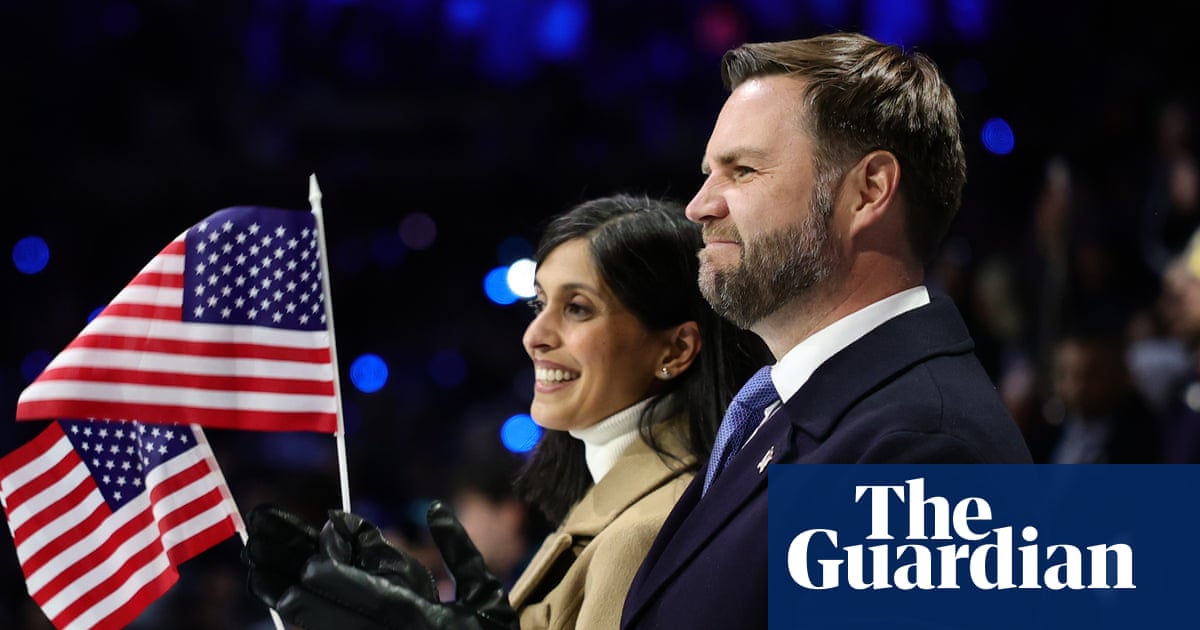
Vice President JD Vance attended the Winter Olympics opening ceremony in Milan-Cortina, where he was introduced on the stadium screens and audibly booed by portions of the crowd. Coverage from both liberal and conservative outlets agrees that the crowd’s reaction shifted noticeably from enthusiastic cheers for Team USA to jeers when Vance appeared, that the incident was brief but clearly captured by some international broadcasts such as Canada’s CBC, and that the moment quickly circulated on social media. Both sides also note that the episode occurred amid a broader, generally celebratory atmosphere for athletes at the ceremony and that the International Olympic Committee publicly highlighted Vance’s presence as part of official U.S. representation.
Across the spectrum, reports place the incident within the broader context of Olympic diplomacy and domestic political polarization. Outlets agree that Vance also held meetings or cordial interactions with Olympic and organizing officials in Milan, in part with an eye toward the upcoming 2028 Los Angeles Summer Games and continued U.S.-IOC cooperation. There is shared acknowledgment that political moments and protests are a recurring feature at major sporting events, with references to past controversies around U.S. politics at international competitions and prior instances of broadcast choices shaping how domestic audiences perceive dissent in stadiums.
Areas of disagreement
Significance of the booing. Liberal-aligned outlets portray the booing as a notable public rebuke of Vance, emphasizing how quickly the reaction spread online and framing it as a meaningful snapshot of international and diaspora discontent with U.S. immigration and political policies. Conservative sources tend to frame the boos as limited in scope and not representative of the overall event, stressing that the atmosphere remained largely positive and that the incident was a brief interruption rather than the defining feature of the ceremony.
Broadcast and media behavior. Liberal coverage focuses on NBC’s decision not to air the booing heard on the CBC feed, characterizing it as selective editing that shields U.S. audiences from visible dissent against high-ranking officials and comparing it to past instances where domestic broadcasts muted protest. Conservative outlets largely do not foreground or criticize NBC’s editorial choices, instead centering coverage on the ceremony itself and subsequent diplomatic engagements, implicitly suggesting that the network’s handling of the moment is a routine production decision rather than a media scandal.
Political meaning and protest context. Liberal sources link the boos to broader opposition to Vance’s and the administration’s policies, highlighting the presence of protests against ICE and connecting stadium jeers to organized activism and international criticism of U.S. immigration enforcement. Conservative reporting generally decouples the crowd reaction from detailed policy critique, presenting it as a familiar expression of political polarization or European crowd behavior without deeply engaging with activist claims or systemic grievances.
Diplomatic framing and outcomes. Liberal accounts give relatively little weight to official praise from Olympic leaders, treating it as standard diplomatic nicety that does not negate the visible public disapproval in the stands. Conservative pieces, by contrast, emphasize IOC statements about “warm” Olympic diplomacy with Vance and stress constructive talks around future Games, portraying his trip as diplomatically successful and suggesting that these formal interactions matter more than momentary crowd noise.
In summary, liberal coverage tends to treat the booing as a revealing and underreported act of public dissent amplified by social media and possibly muted by U.S. broadcasters, while conservative coverage tends to minimize its importance, stressing the overall celebratory atmosphere and highlighting Vance’s positive diplomatic engagements with Olympic officials.
Story coverage

