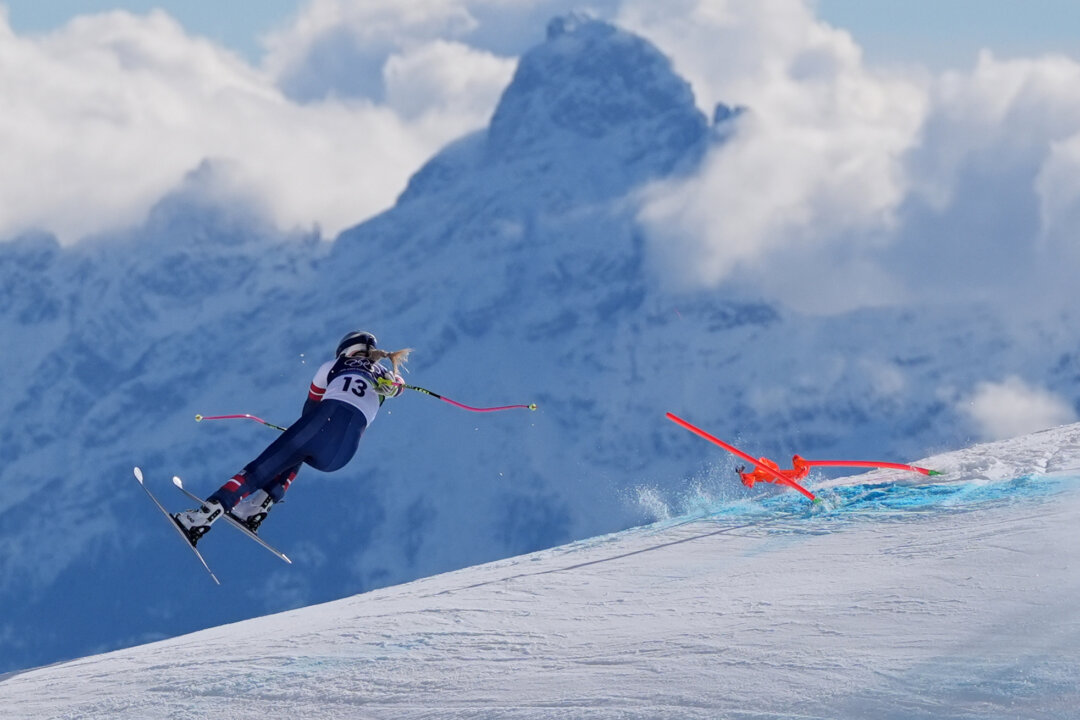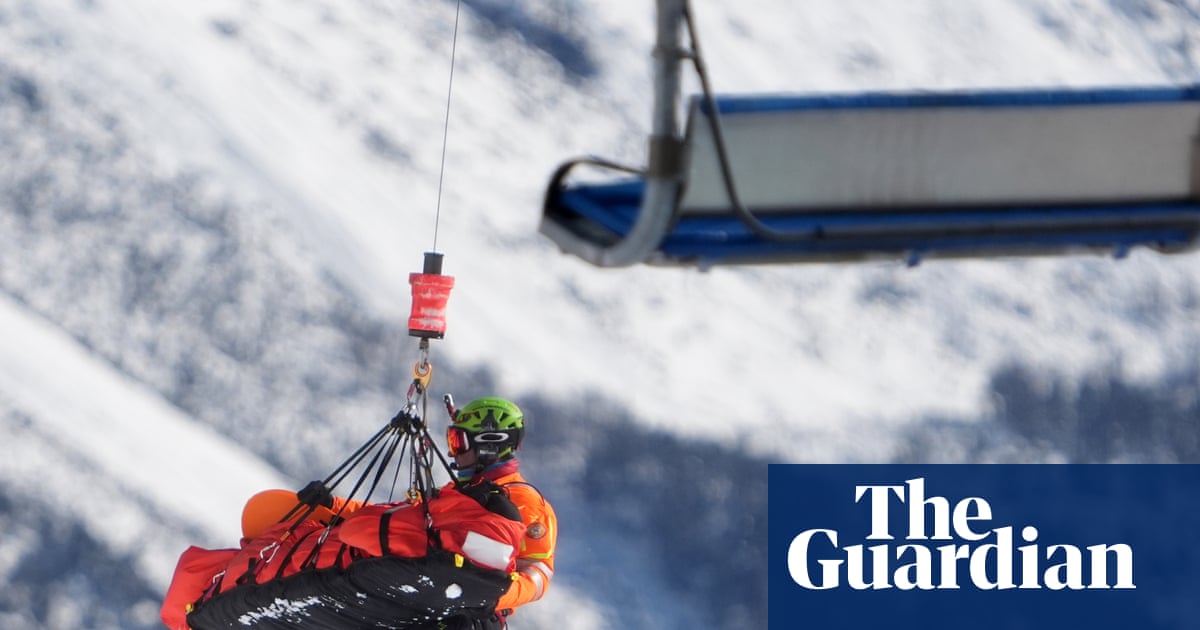

Lindsey Vonn, 41, crashed just seconds into the women’s downhill race at the Milan–Cortina Winter Olympics, suffering a broken leg and ending her bid for another Olympic downhill title. Both liberal and conservative outlets report that she was treated extensively on the slope and then evacuated by helicopter—her second such rescue in nine days—before undergoing surgery and being listed in stable condition. Coverage on both sides notes that Vonn was racing despite serious knee problems, that this was effectively the end of her Olympic career, and that the crash and stretcher scene overshadowed much of the immediate discussion of the race itself.
Across outlets, reports situate the crash within Vonn’s long history of injuries and comebacks, emphasizing the inherent danger of downhill skiing and the physical toll of competing at an elite level into her forties. Liberal and conservative sources alike describe her determination to race on a rebuilt right knee and badly injured left knee, the emotional weight of what was expected to be a final Olympic appearance, and the broader context of Team USA’s performance in Milan–Cortina, including Breezy Johnson’s gold medal run in the same event. They also agree that family voices, especially her father’s public call for her to stop racing, and the medical reality of her injuries will likely end any remaining Olympic ambitions.
Areas of disagreement
Framing of the event. Liberal-aligned coverage tends to frame the crash as a tragic but almost inevitable culmination of a long, injury-riddled career, emphasizing the pathos of Vonn’s final Olympic run ending on a stretcher. Conservative outlets, while acknowledging the tragedy, more sharply highlight the immediacy and drama of the accident itself—helicopter evacuations, repeated rescues within days, and the stark image of a 41-year-old pushing physical limits. Both sides note the same sequence of events, but liberals present it more as a narrative closure, whereas conservatives present it more as a jarring, news-breaking incident.
Emphasis on heroism versus risk. Liberal sources more often underscore Vonn’s resilience and the emotional cost of competing through pain, framing her persistence as a form of heroism tempered by the risks of the sport. Conservative sources highlight her toughness as well, but put greater stress on whether continuing to race on badly injured knees was wise, implicitly questioning the balance between glory and safety. The shared admiration for her career is thus shaded differently, with liberals leaning into inspirational storytelling and conservatives more readily foregrounding the harsh physical calculus.
Role of family and retirement. Liberal coverage mentions the likelihood that this crash ends Vonn’s Olympic career, but tends to keep the focus on her own agency and the broader arc of her time in the sport. Conservative coverage more prominently features her father’s statements calling for her to retire and not return to future Winter Olympics, using his perspective to frame the crash as a decisive turning point. As a result, liberals portray retirement as a personal, reflective decision, while conservatives characterize it more as an urgent necessity pressed by loved ones and medical reality.
Attention to other U.S. athletes. Liberal reporting more fully integrates Breezy Johnson’s gold medal and Ilia Malinin’s success into the storyline, suggesting a generational handoff in U.S. skiing and figure skating as Vonn exits the Olympic stage. Conservative outlets also mention Johnson’s win, but treat it primarily as context to underscore how Vonn’s frightening crash overshadowed other American achievements. This leads liberals to present a wider narrative of continuity and renewal for Team USA, whereas conservatives keep Vonn’s crash as the dominant focal point, with teammates’ victories as secondary.
In summary, liberal coverage tends to narrate Vonn’s crash as a poignant finale in a long, injury-plagued but inspiring career with an emphasis on personal agency and team continuity, while conservative coverage tends to stress the shocking immediacy of the accident, the hard-edged questions about continuing to race on severe injuries, and family-driven calls for her to retire.