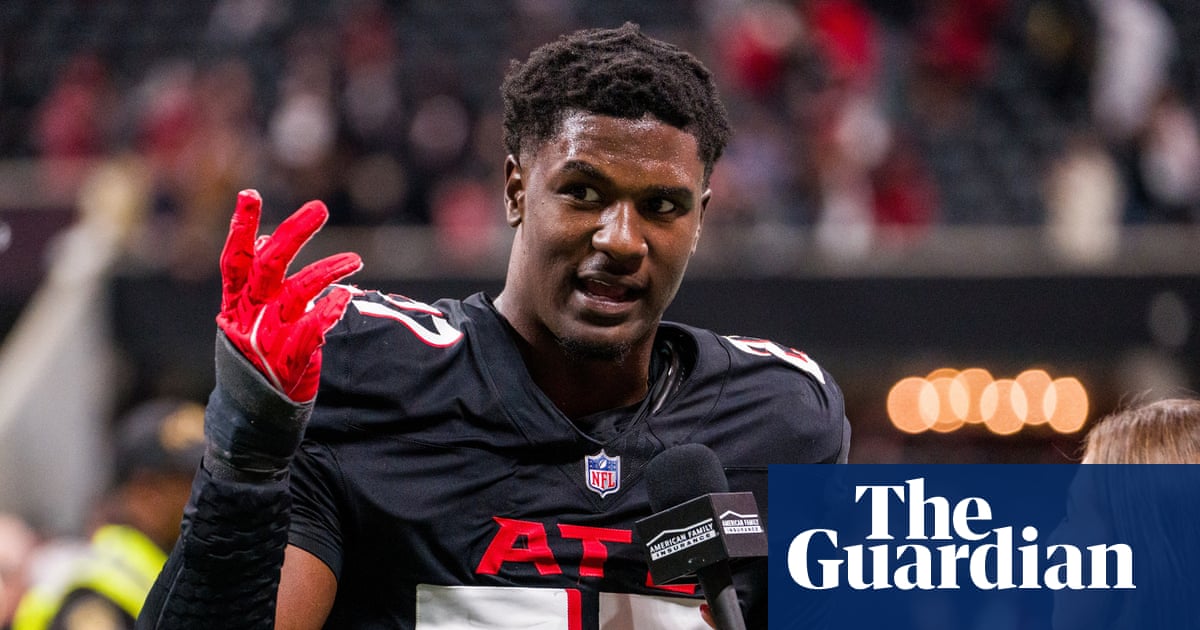
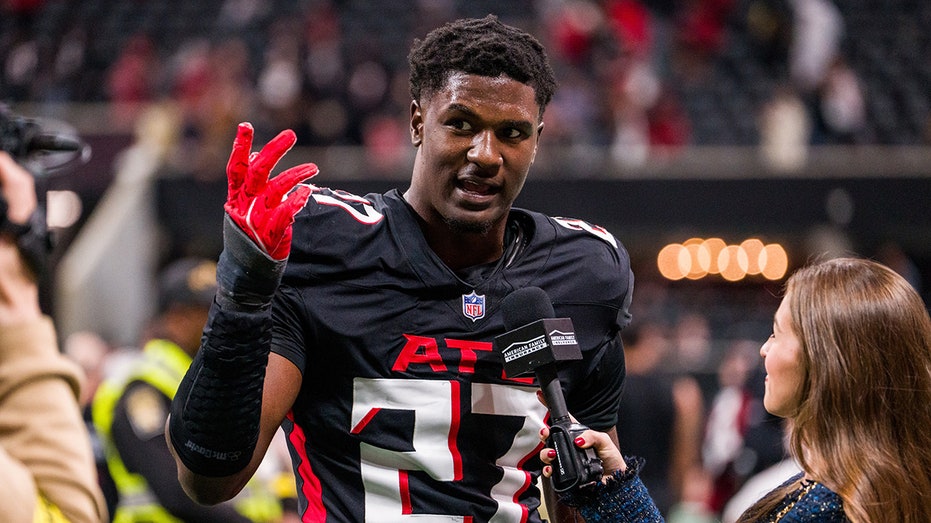
Atlanta Falcons rookie linebacker James Pearce Jr. was arrested near Miami after an incident that escalated into a police chase and crash, according to both liberal and conservative outlets. Coverage agrees that police responded to a domestic-related situation involving Pearce and WNBA player Rickea Jackson, that Pearce attempted to flee officers in a vehicle, struck or rammed Jackson’s car during the pursuit, hit a police officer with his vehicle, crashed, then tried to escape on foot before being detained. Both sides report he now faces multiple serious felony charges, including aggravated battery and fleeing or eluding law enforcement, and note that the Falcons organization has acknowledged the situation and says it is still gathering information.
Liberal and conservative reports also concur on the institutional backdrop: this is an off-field conduct case involving a newly drafted NFL player and a professional WNBA player, drawing in local law enforcement, league disciplinary processes, and team public-relations protocols. They highlight that Pearce’s arrest comes amid heightened scrutiny of professional athletes’ behavior off the field, especially in cases that touch on alleged domestic disputes and potential violence against partners and police. Both sides present the episode as one more test of how pro sports leagues and franchises handle player misconduct allegations, with an expectation that internal investigations and possible sanctions from the Falcons and the NFL will follow once more facts are confirmed.
Areas of disagreement
Framing of the incident. Liberal-aligned coverage emphasizes the police description that Pearce allegedly stalked or followed Jackson, twice rammed her car, hit an officer, and then resisted arrest, presenting the episode primarily as a serious public-safety and violence case. Conservative outlets center their framing on the “domestic incident” label, describing it as a dispute with his WNBA girlfriend that escalated into a chase, giving more weight to the relationship context and sometimes using softer language around the ramming. While both sides recount the same broad sequence, liberal sources foreground the threat to Jackson and law enforcement, whereas conservative sources tend to treat it as a domestic dispute gone dangerously wrong.
Victim and officer emphasis. Liberal reporting generally foregrounds Rickea Jackson as a named athlete-victim and details her account that Pearce followed her and rammed her car twice, also stressing the allegation that a police officer was struck. Conservative coverage is more likely to mention Jackson in the context of being his WNBA girlfriend and then quickly shift focus back to Pearce and the charges, often summarizing harm to Jackson and the officer more briefly. As a result, liberal stories highlight the perspectives and safety of the woman involved and the injured officer, while conservative stories keep those elements present but somewhat less narratively central.
Characterization of Pearce and consequences. Liberal-leaning outlets more often underscore the five felony counts, the severity of aggravated battery and fleeing charges, and the possibility of significant legal and league penalties, describing Pearce as having engaged in dangerous, escalating behavior. Conservative outlets tend to balance mention of the charges with references to him as a rookie or draft pick, sometimes hinting at the impact on his career without delving as deeply into potential long-term legal fallout. Liberal coverage thus leans toward portraying him as a serious public-safety risk under investigation, while conservative coverage more often situates him as a promising athlete whose future is jeopardized by alleged misconduct.
Broader social context. Liberal sources are more inclined to connect the case to wider concerns about domestic violence, athlete accountability, and systemic issues in how leagues respond to violence involving women and police. Conservative sources usually treat the event more as an isolated criminal incident and a team issue, mentioning policy or disciplinary questions mainly in terms of what the Falcons or NFL might do next rather than tying it to broader gender or policing debates. This leads liberal coverage to position the incident within ongoing conversations about protecting women and enforcing standards on high-profile athletes, whereas conservative coverage treats it primarily as a high-profile crime story linked to sports.
In summary, liberal coverage tends to stress victim accounts, public-safety risks, and the incident’s connection to domestic violence and athlete accountability, while conservative coverage tends to frame it as a domestic dispute and criminal case affecting a rookie’s career, with less emphasis on systemic or gender-based themes.