UH OH, FOUND A NAUGHTY BAD BUNNY SONG. Tabs, Tues., Feb. 10, 2026
OR DID WE?
2 months ago
DC Health has issued an alert that people may have been exposed to measles during events in Washington, D.C., specifically noting possible exposure at the National March for Life gathering, which drew thousands of attendees to the city. Coverage across the spectrum agrees that several individuals carrying measles were identified in recent weeks, that public health officials are attempting to contact and notify those who may have been exposed, and that unvaccinated people face the highest risk of infection and serious complications. Both liberal- and conservative-leaning outlets describe the situation as part of a broader uptick in measles cases in the United States and emphasize that health authorities are treating it as a significant but manageable public health concern, not an immediate citywide emergency.
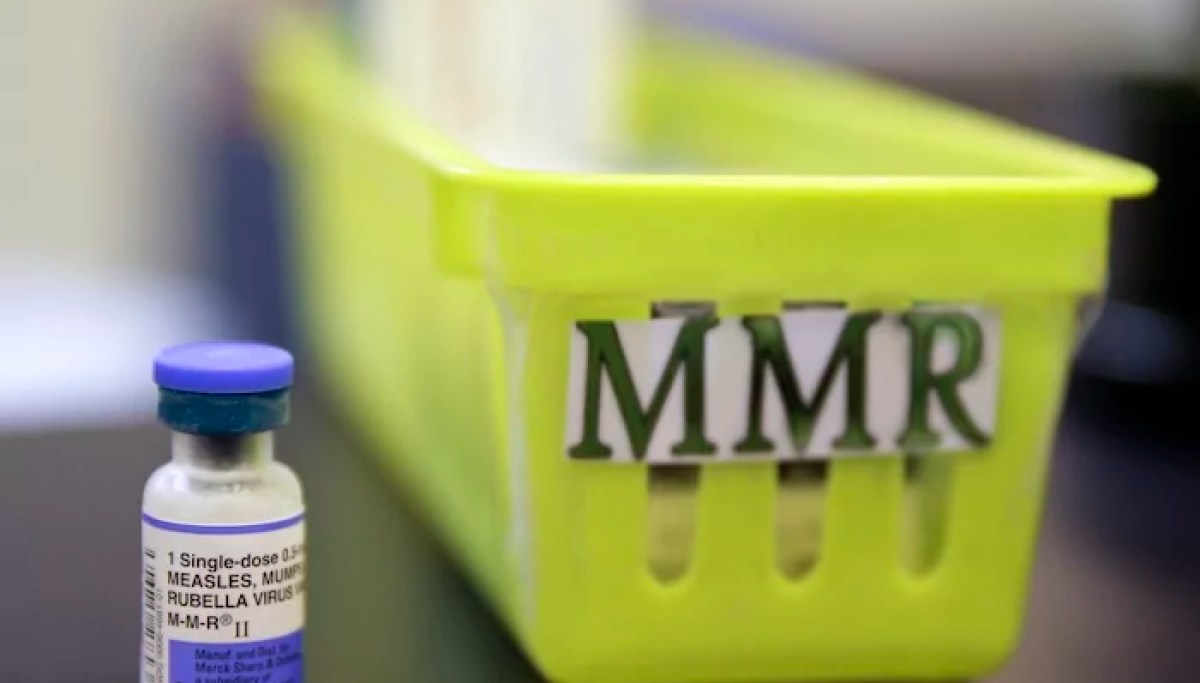
Across outlets, there is shared context that measles is a highly contagious but vaccine-preventable disease, that standard childhood immunization (the MMR vaccine) provides strong protection, and that this episode reflects broader challenges with vaccination gaps and declining herd immunity. Reporting from both sides notes the role of local and federal public health agencies in surveillance, notification, and guidance, and often references national trends, including recent clusters of cases and concerns about imported infections. There is also general agreement that large public events—such as the March for Life—can amplify exposure when even a small number of infectious individuals are present, underscoring ongoing debates over vaccination adherence, public-health messaging, and preparedness in politically charged settings.
Framing of the event and risk. Liberal outlets are more likely to frame the March for Life primarily as a large mass gathering that happened to become a potential exposure site, emphasizing the public health logistics and the importance of vaccination regardless of ideology, while conservative outlets more often underscore the event’s pro-life identity and stress that the exposure does not mean the march itself was irresponsible. Conservative sources may highlight that the vast majority of attendees were not infected and treat the incident as an unfortunate but isolated episode, whereas liberal coverage tends to fold it into broader concerns about increasing outbreaks linked to vaccination lapses. This creates a difference in tone between portraying the risk as a systemic warning sign versus a contained situation.
Vaccination politics and messaging. Liberal-aligned coverage is inclined to connect the measles warning to wider patterns of vaccine hesitancy, sometimes pointing to conservative constituencies or misinformation ecosystems as contributors to under-vaccination. Conservative sources, by contrast, often emphasize general support for childhood vaccines, quoting figures like Dr. Mehmet Oz urging vaccination, while taking care to separate skepticism about mandates or pandemic-era policies from routine immunizations. The result is that liberal coverage more frequently treats the episode as evidence of the dangers of politicized science, whereas conservative coverage tends to defend its audience against blanket blame while still promoting measles vaccination.
Attribution of responsibility. Liberal outlets are more likely to scrutinize whether event organizers, political leaders, or communities skeptical of vaccines bear some responsibility for enabling an environment where measles can spread at large gatherings. Conservative outlets generally resist assigning political or ideological blame to the march or its organizers, instead casting the situation as a shared public health challenge that can affect any mass event if a contagious person is present. While liberal coverage may imply that stronger vaccine norms and clearer guidance could have reduced the risk, conservative coverage tends to emphasize individual choice and personal health decisions over institutional fault.
Policy implications and future safeguards. Liberal reporting more often uses the incident to argue for strengthened vaccination requirements, more aggressive outreach, and possibly tighter health protocols around large events, especially those drawing attendees from multiple states and countries. Conservative reporting, when it addresses policy implications, tends to focus on improving education and voluntary uptake of vaccines without expanding mandates or restrictions on gatherings. This leads liberal sources to treat the March for Life exposure as a case study supporting more assertive public health interventions, while conservative sources present it as a reminder to maintain basic immunizations without overhauling event policies or civil liberties.
In summary, liberal coverage tends to situate the measles exposure at the March for Life within a larger narrative about vaccine hesitancy, systemic public health vulnerabilities, and the need for stronger collective safeguards, while conservative coverage tends to stress the isolated nature of the incident, defend the march and its attendees from political blame, and promote vaccination in a way that preserves individual choice and avoids endorsing stricter mandates.