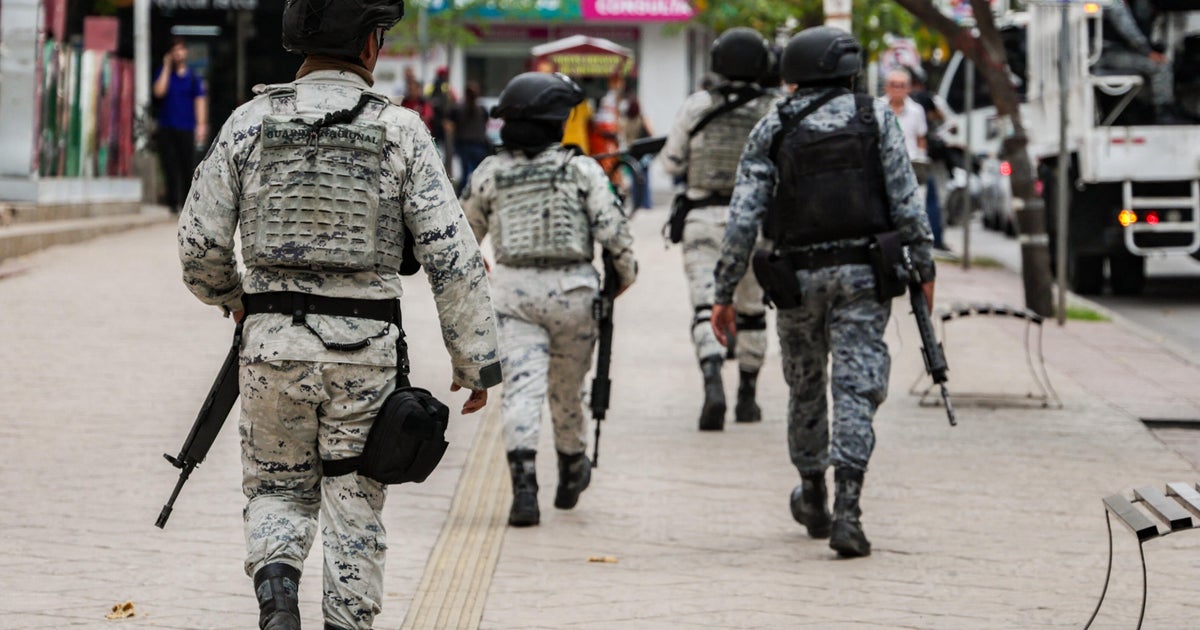

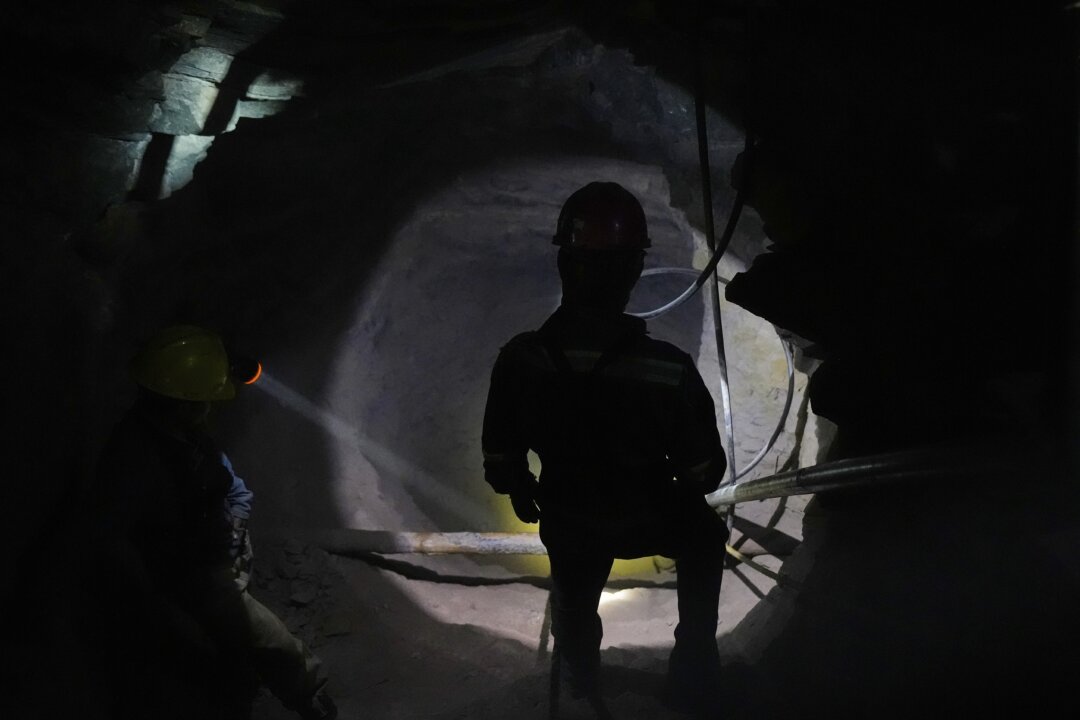
Mexican authorities and multiple outlets report that five of the ten workers who went missing from a Canadian-owned mining project operated by Vizsla Silver Corp. in Sinaloa, Mexico, have been found dead in clandestine or unmarked graves. The bodies were discovered among a total of ten corpses located in hidden burial sites, and both liberal- and conservative-aligned outlets agree that the workers were abducted from or near the company’s project site in the Concordia area, that at least some identifications have been made by families, and that officials are still moving through formal confirmation procedures. Coverage across the spectrum notes that four suspects have been arrested in connection with the disappearances and the graves, that the Canadian firm is Vancouver-based, and that both company representatives and Mexican authorities are publicly acknowledging the deaths while continuing investigative and forensic work.
Across ideologies, reports place the case within Mexico’s broader pattern of violence linked to organized crime and the chronic problem of clandestine graves in states like Sinaloa. Liberal and conservative sources alike underscore the vulnerability of local contract workers employed by foreign-owned mining operations in high-risk regions, as well as the institutional involvement of Mexican state and federal authorities in coordinating identifications, arrests, and security responses. Both sides convey that Vizsla Silver is cooperating with authorities and that the episode raises concerns about worker safety, local community impacts, and the capacity of law-enforcement institutions to protect employees at extractive projects operating in cartel-influenced territories.
Areas of disagreement
Framing of the incident. Liberal-aligned outlets tend to frame the killings as part of a systemic crisis of violence in Mexico that disproportionately affects local workers tied to foreign resource extraction, embedding the story in themes of human rights and corporate responsibility. Conservative sources more often present the case as a discrete crime story, emphasizing the basic facts of the abductions, the discovery of the graves, and the law-enforcement response, with less narrative around structural or social-justice angles. Both acknowledge the brutality of the incident, but liberals place it in a larger pattern, while conservatives focus on immediacy and confirmation.
Responsibility and accountability. Liberal coverage more readily raises questions about the obligations of the Canadian mining company and the role of international business practices in exposing workers to danger, implicitly tying accountability to corporate risk management and state protection failures. Conservative coverage focuses accountability mainly on Mexican criminal organizations and local security conditions, treating the company as a victim alongside the workers rather than a central actor in the chain of responsibility. While both sides condemn the perpetrators and note arrests, liberals put more scrutiny on corporate and governmental systems, whereas conservatives center blame on the direct assailants.
Institutional context and reforms. Liberal-leaning outlets more frequently connect the case to longstanding concerns about impunity, weak law enforcement, and the need for broader reforms in Mexico’s justice and security institutions, sometimes invoking past incidents in mining or extractive sectors. Conservative reports, while acknowledging the arrests and ongoing investigation, are less likely to expand into discussions of systemic reform, focusing instead on official statements, procedural identification steps, and the role of authorities in the current case. Both recognize institutional involvement, but liberals press on structural change, whereas conservatives highlight current operational responses.
International and economic angle. Liberal coverage is more apt to situate the story within debates over the social costs of foreign investment, labor precarity, and cross-border corporate regulation, suggesting that economic models can heighten risks in conflict-prone regions. Conservative coverage tends to stress the fact that the company is Canadian-owned mainly as a descriptive detail, with less emphasis on broader critiques of globalization or mining economics, and more on the immediate security implications. Each side notes the international dimension, but liberals leverage it to question economic structures, while conservatives treat it as context rather than a core issue.
In summary, liberal coverage tends to fold the killings into a broader critique of systemic violence, corporate responsibility, and institutional weakness, while conservative coverage tends to treat the episode more narrowly as a tragic criminal incident emphasizing law-enforcement action and factual verification.