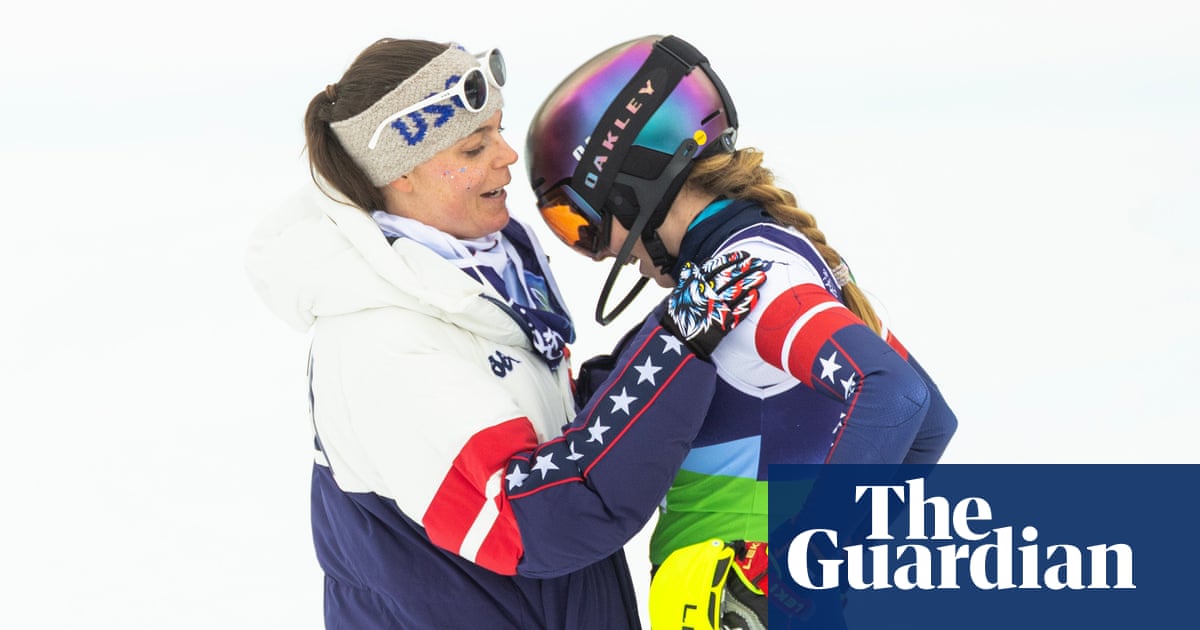
Mikaela Shiffrin’s medal drought at the Winter Olympics has now reached seven consecutive races without a podium finish, with the latest disappointment coming in the team combined event at the Milan Cortina Games, where the U.S. finished fourth. In that event, her teammate Breezy Johnson delivered a competitive downhill run, but Shiffrin’s slalom leg was not fast enough to move the team into the medals, leaving her still searching for her first medal of these Games and extending a dry spell that both liberal- and conservative-leaning outlets note as a significant storyline.
Across coverage, outlets agree that Shiffrin remains one of the sport’s biggest stars and that her current Olympic struggles are surprising given her status as one of the most successful World Cup racers in history. Both sides also note that she has additional individual events still to come at these Games, that she herself has acknowledged the need to adapt and learn from her recent performances, and that her Olympic form stands in contrast to her broader career dominance, making this drought a key narrative heading into the remainder of the Milan Cortina program.
Areas of disagreement
Framing of performance. Liberal-leaning coverage generally frames Shiffrin’s fourth-place finish and ongoing drought as a tough but nuanced performance, emphasizing the strength of Breezy Johnson’s downhill run and presenting the result as a near-miss rather than a collapse. Conservative-leaning coverage more starkly highlights the absence of medals, condensing the story into a clear-cut streak of seven Olympic races without a podium. Liberal sources tend to stress the competitiveness of the field and the small margins involved, while conservative sources more bluntly underscore the gap between expectations and outcomes.
Tone toward Shiffrin’s legacy. Liberal-aligned outlets typically situate the drought within Shiffrin’s broader legacy, underscoring her World Cup dominance and prior Olympic achievements to argue that this rough patch does not define her career. Conservative outlets, while acknowledging her status as a star, lean more heavily on the narrative that her recent Olympic record is a major blemish and a key part of how these Games will be remembered. The result is a softer, more protective tone on the left, contrasted with a more critical, results-first tone on the right.
Emphasis on process versus outcome. Liberal sources highlight Shiffrin’s own comments about needing to adjust and learn, using her reflections to focus on process, resilience, and upcoming opportunities in individual events. Conservative sources are more likely to center the bare outcome—namely, that she is still “out of the medals again”—and to treat the seven-race streak as the dominant fact. Liberal coverage thus leans toward a narrative of ongoing effort and potential redemption, whereas conservative coverage foregrounds the continuing failure to reach the podium.
Broader narrative stakes. Liberal-leaning reporting often embeds this story within a larger context of athlete pressure, expectations on top performers, and the volatility of Olympic competition, framing Shiffrin’s drought as part of a broader conversation about elite sport. Conservative coverage tends to present the drought as a more isolated storyline, focusing on the contrast between hype and delivery without expanding as much into systemic or cultural themes. This leads liberal outlets to cast the episode as one chapter in a complex career arc, while conservative outlets more readily treat it as a defining Olympic storyline in itself.
In summary, liberal coverage tends to contextualize Shiffrin’s medal drought within her overall excellence, pressure, and learning process, while conservative coverage tends to spotlight the stark fact of repeated medal-less races and the gap between expectations and results.